
Where you live in America shapes your finances more than almost any other single decision you make. A salary that feels comfortable in Kansas can feel stretched thin in California. The same paycheck that covers a mortgage in Oklahoma might not cover rent in Hawaii. That gap has only widened in recent years.
The cost of living in the U.S. varies immensely, primarily driven by housing costs, which can differ by over 300% between states. To make sense of that range, analysts use a standardized index where 100 equals the national average. A score of 100 indicates the national average, with 31 states falling below 100, and 29 going beyond it. The states below represent those where scores pushed well above that line – and where household budgets feel it most.
Hawaii: The Most Expensive State in the Nation by a Wide Margin

Hawaii: The Most Expensive State in the Nation by a Wide Margin (Image Credits: Pexels)
Hawaii is the most expensive state in America, with living costs roughly double those in Texas and 84% above the national average. In Q4 2025, the average home sale price reached $906K, up from $668K in Q4 2019. That surge in real estate is matched by sky-high everyday costs across the board.
Average household costs reach $9,399 per month, placing Hawaii 84% above the US national average. Almost all consumer goods must be shipped to the islands, adding a permanent freight premium to everyday spending. Groceries also cost 50% more than the national average, as most goods have to be shipped to the island. Hawaii residents also face the highest tax burden nationally when property, income, and sales taxes are combined.
Massachusetts: High Wages, but Even Higher Bills
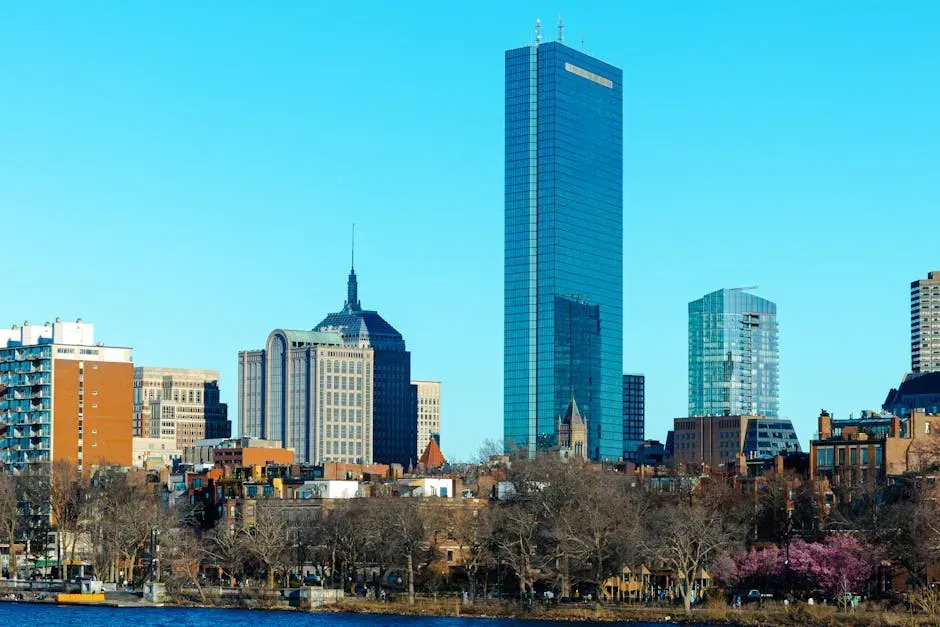
Massachusetts: High Wages, but Even Higher Bills (Image Credits: Pexels)
Massachusetts follows Hawaii, with prices 49% above the U.S. baseline. Beyond high housing costs, expensive healthcare and utilities drive up prices, at 34% and 55% above the national average, respectively. The state has no shortage of well-paying jobs, yet even strong incomes struggle to keep pace.
While Massachusetts households earn the most nationally, a median family of four retains just 16% of its paycheck after major expenses, compared to the U.S. average of 24.7%. The cost of building a starter home in Massachusetts is the second highest in the U.S., 22% above the national average. As of October 2024, the average down payment on a house in Boston was $109,000, above the city’s median household income.
California: A Housing Crisis That Just Won't Quit

California: A Housing Crisis That Just Won't Quit (Image Credits: Unsplash)
California sits 43% above the national average, with a housing index of 200.52 – double the national average – due to land costs and zoning restrictions. Homeowners spend an average of $12,195 per month; renters spend $6,650 per month. For many residents, the bulk of their income goes toward keeping a roof overhead.
More than 41% of California households spend at least 30% of their income on housing costs. With gas taxes at 61 cents per gallon, California’s gas prices are also higher than any other state due to supply issues, state regulations, and high taxes. In California, the median home price in Los Angeles is over $940,000, while in the more rural-adjacent city of Bakersfield, it is closer to $355,000.
New York: Where Even the State Average Understates the Pain

New York: Where Even the State Average Understates the Pain (Image Credits: Unsplash)
In New York, the cost of living in New York City is estimated to be over 120% higher than in upstate cities like Syracuse, with housing costs being the primary differentiator. State-level averages mask just how brutal life in the city can be for ordinary earners.
The typical price for a single-family home in New York is $373,880. Rent runs $1,659 for an average two-bedroom apartment in the state. However, averages are much higher in New York City, where a two-bedroom unit costs an average of $5,874. New York City has the second-highest five-year rent increase at 49.8%. That momentum shows no real signs of stopping.
Alaska: Remote Geography Drives Up Every Single Category

Alaska: Remote Geography Drives Up Every Single Category (Image Credits: Unsplash)
Alaska’s high costs are largely due to its geography. Remoteness necessitates shipping most goods, leading to the second-highest Grocery Index at 127.2. Utilities are also exceptionally expensive, reflecting infrastructure challenges in a vast, harsh climate. Furthermore, Alaska has the highest healthcare costs in the U.S., a consequence of logistical challenges and a limited number of providers serving a dispersed population.
The cost of living index for Alaska is 127.1. Healthcare in Alaska is the most expensive in the country. Housing costs are 26.9% higher than the national average, with the average single-family home costing $300,592. Despite high income levels, Alaska consistently ranks among the worst states to live in, mainly due to poor educational outcomes, high levels of violent crime, and low levels of opportunity.
Maryland: High Proximity to D.C. Comes at a Real Price

Maryland: High Proximity to D.C. Comes at a Real Price (Image Credits: Pexels)
High rental and home costs drive up the price of housing in Maryland. According to a 2025 report from the National Low Income Housing Coalition, a worker earning the state’s $15 hourly minimum wage would need to work almost 90 hours a week to rent a one-bedroom apartment and pay for living expenses. The average Maryland home costs more than $435,000 as of September 2025, well above the U.S. average sales price of $410,800.
Maryland is the seventh-most expensive state in the United States. Overall, prices are 24% higher than the national average, while housing prices are 66% higher. Due to ongoing issues with PJM Interconnection, the state’s main provider of electricity, high utility costs also contribute to the cost of living here. Proximity to Washington D.C. keeps demand high while supply remains stubbornly constrained.
Washington State: Tech Wealth Has Reshuffled the Entire Market

Washington State: Tech Wealth Has Reshuffled the Entire Market (Image Credits: Pexels)
While the cost of utilities in Washington continues to remain on the lower side, the cost of housing, grocery, transportation, and healthcare has been on a steady rise for some years now. As a result, its overall cost of living index is 16% higher than the national average. The Seattle area in particular has been transformed by the tech industry’s presence.
Transportation and healthcare prices in Washington are among the highest in the nation. A March 2025 analysis from LendingTree also notes that Washington is the third-most expensive state to raise a child, with average annual costs coming in above $32,000. For families, that adds up quickly on top of already elevated housing and grocery bills.
Connecticut: Utilities and Housing Form a Costly One-Two Punch
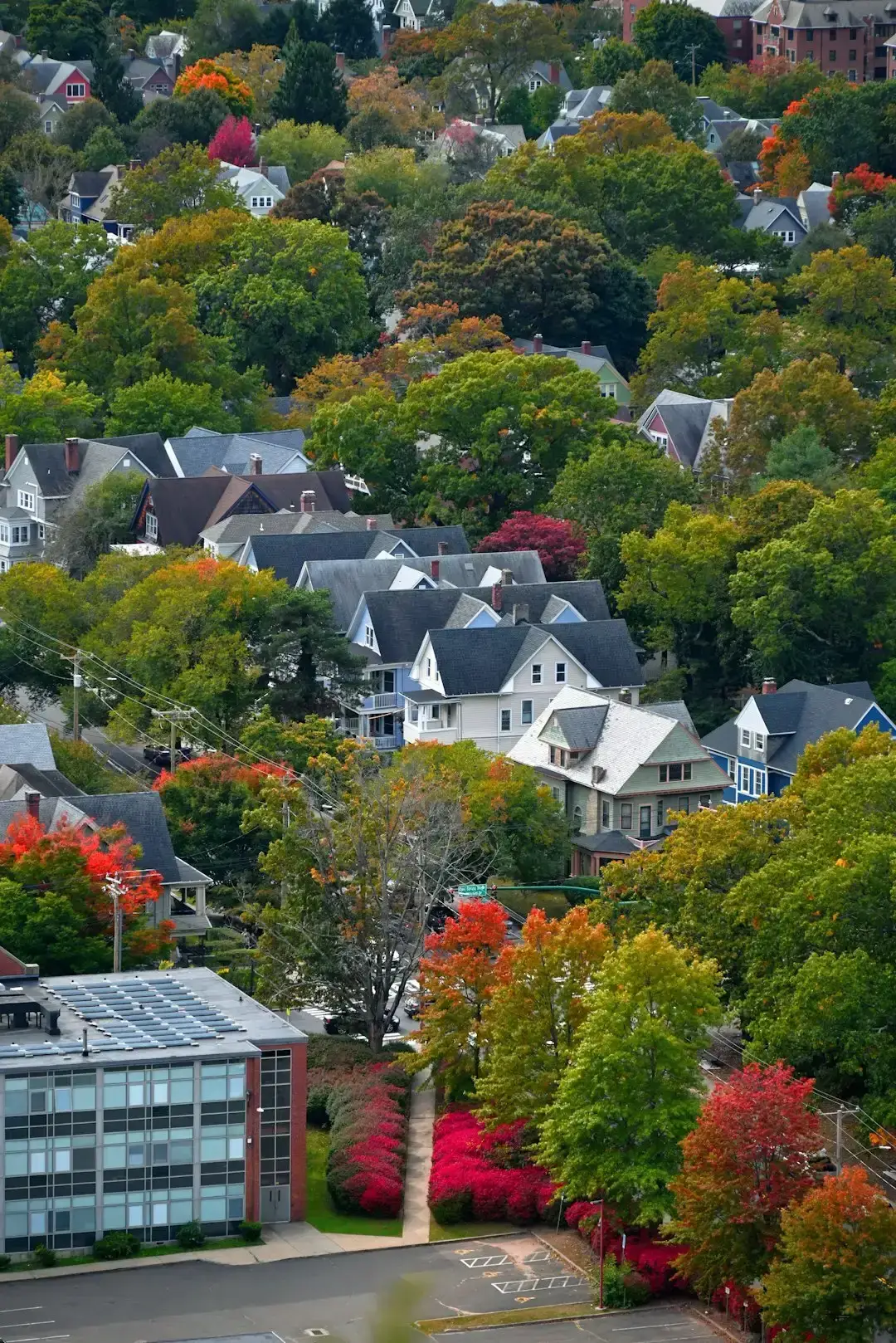
Connecticut: Utilities and Housing Form a Costly One-Two Punch (Image Credits: Unsplash)
Connecticut’s cost of living index is 121.6, making it the eighth-most expensive state in the United States. The average single-family dwelling in the state costs $318,096, while rent for a two-bedroom apartment is $1,485 a month. Utilities are among the highest in the nation, costing an average of $438.21 a month.
The state’s unemployment rate is one of the nation’s highest, at 4.9%. That combination of high costs and a tighter job market makes Connecticut’s financial landscape harder to navigate than its strong income figures might initially suggest. Housing in Connecticut is around 23% higher than the national average, while the price of utilities is also over 30% more.
Vermont: A Pandemic Boom That Left Housing Permanently Expensive
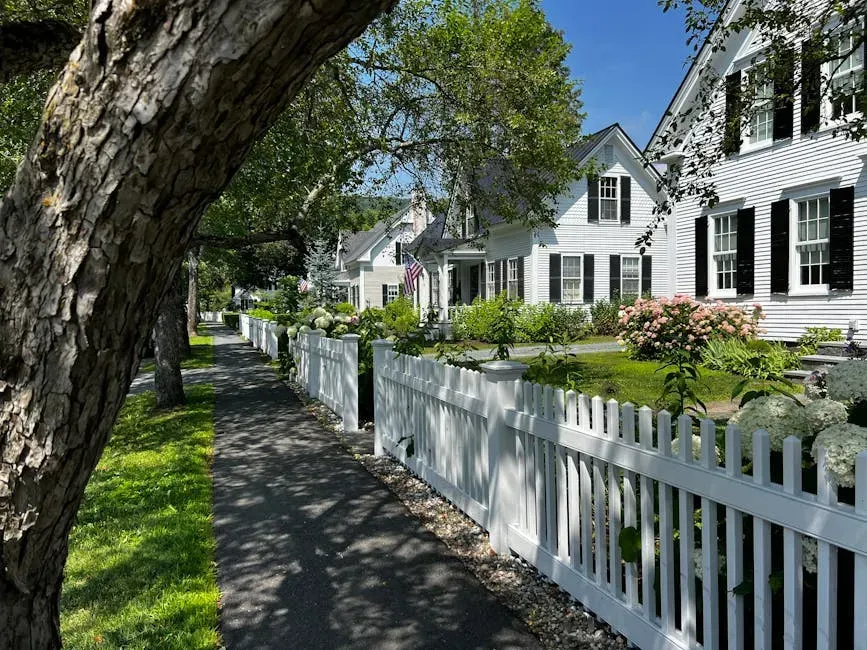
Vermont: A Pandemic Boom That Left Housing Permanently Expensive (Image Credits: Pexels)
Vermont saw a huge influx of new residents during the COVID-19 pandemic, which led to a long-needed population boost – and soaring housing costs. A report from the Federal Housing Finance Agency, released in June 2024, showed that Vermont’s real estate prices increased faster than any other state between the first quarter of 2023 and the first quarter of 2024.
Vermont’s 2026 cost-of-living index is 113.7, so everyday bills run about 14% higher than the U.S. norm. A single person lays out roughly $2,640 a month; rent plus utilities eat $1,765 of that, and the typical house costs around $375,000. The price of utilities is also 20% higher than the national average. What started as a pandemic-era migration trend has locked in elevated prices that show little sign of fully reversing.
Oregon: Portland's Market Sets a Costly Tone for the Whole State

Oregon: Portland's Market Sets a Costly Tone for the Whole State (Image Credits: Unsplash)
Oregon has a cost of living index of 116.6 in 2026, sitting about 24% above the national average. Average monthly rent for a standard unit is $1,462, while the typical home value tops $512,000; in Portland, prices leap to roughly $723,700. That urban premium ripples outward to affect statewide averages.
Grocery, housing, utilities, transportation, and healthcare are all between 5% and 20% more expensive in Maine than the national average – and Oregon follows a similar multi-category cost pattern. The broader Pacific Coast effect keeps Oregon prices elevated even in mid-sized cities that feel, by comparison, far removed from the pressures of San Francisco or Seattle. The most expensive states are predominantly on the West Coast and in the Northeast, while the least expensive are concentrated in the South and Midwest.
New Jersey: The Nation's Highest Property Taxes Add to Every Bill
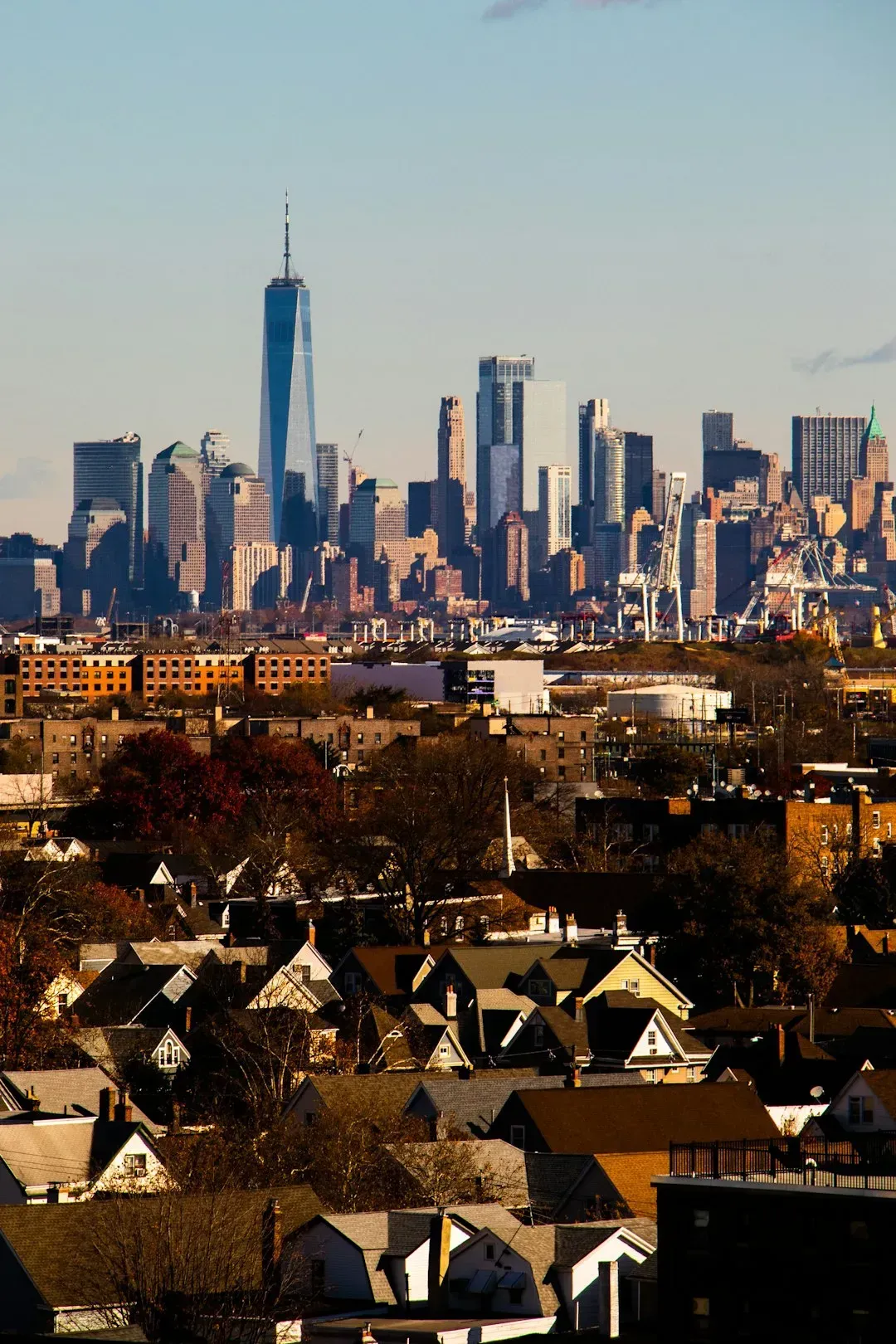
New Jersey: The Nation's Highest Property Taxes Add to Every Bill (Image Credits: Unsplash)
Healthcare costs in New Jersey are 8% more than the national average, but housing costs are 37% above the national average. The median household income is $99,781, while the mean household income is $138,153. Those numbers look strong until you factor in what the state takes back through taxes.
New Jersey, with a property tax rate of 2.46%, can add over $10,000 annually to housing costs on a median-priced home, which compounds to hundreds of thousands of dollars over a typical 30-year ownership period. New Jersey has been flagged as the worst state to retire in, due to its high cost of living and top personal income tax rate. For residents not in the highest income brackets, the combination of elevated housing, taxes, and everyday costs leaves little financial breathing room.