
The moving truck pulled away, and I stood in an empty one-bedroom apartment surrounded by exactly twelve boxes. Twelve. After twenty-two years in a five-bedroom colonial where entire rooms sat unused for months at a time, that number felt almost unbelievable. This is what I discovered along the way, room by room, decision by decision, as I traded square footage for something I didn't know I was missing.
The math of empty rooms finally caught up with me
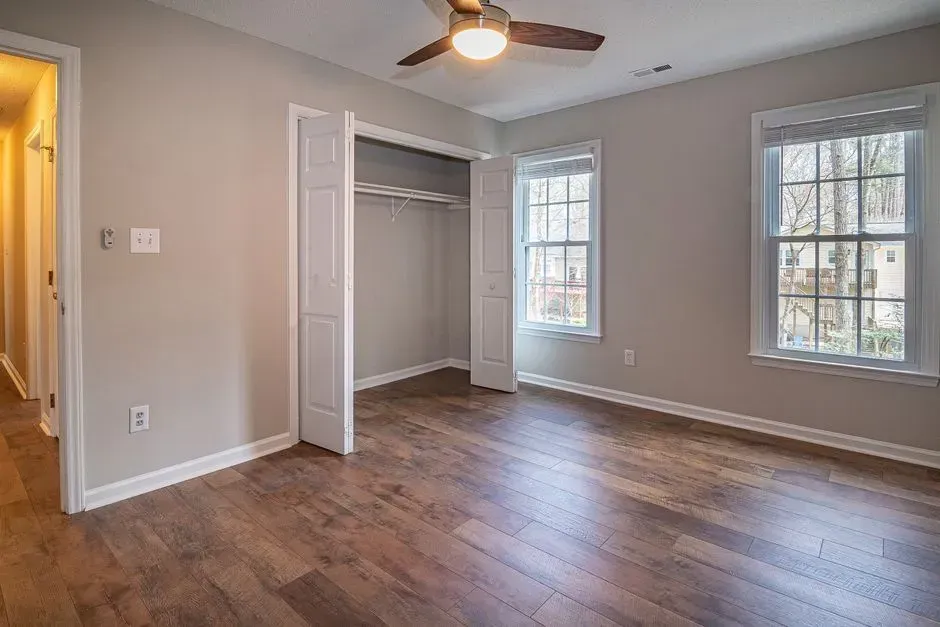
The math of empty rooms finally caught up with me (Image Credits: Pexels)
For years I told myself the extra bedrooms were “for guests” or “for when the kids visit,” but the truth was simpler and less flattering. Three of the five bedrooms in my old house sat closed off for most of the year, heated and cooled for no one. According to the U.S. Census Bureau’s American Housing Survey, the median size of an owner-occupied home in the United States has grown even as household sizes have shrunk, meaning more Americans are living in more space per person than at any point in recent decades.
That gap between space and actual use is where the waste hides. I wasn’t paying for a home anymore; I was paying rent on nostalgia and hypothetical scenarios that rarely materialized. Once I started tracking which rooms I entered on a typical week, the decision to downsize stopped feeling like a loss and started feeling like correcting a long-running error.
Selling or donating most of my furniture was harder than selling the house
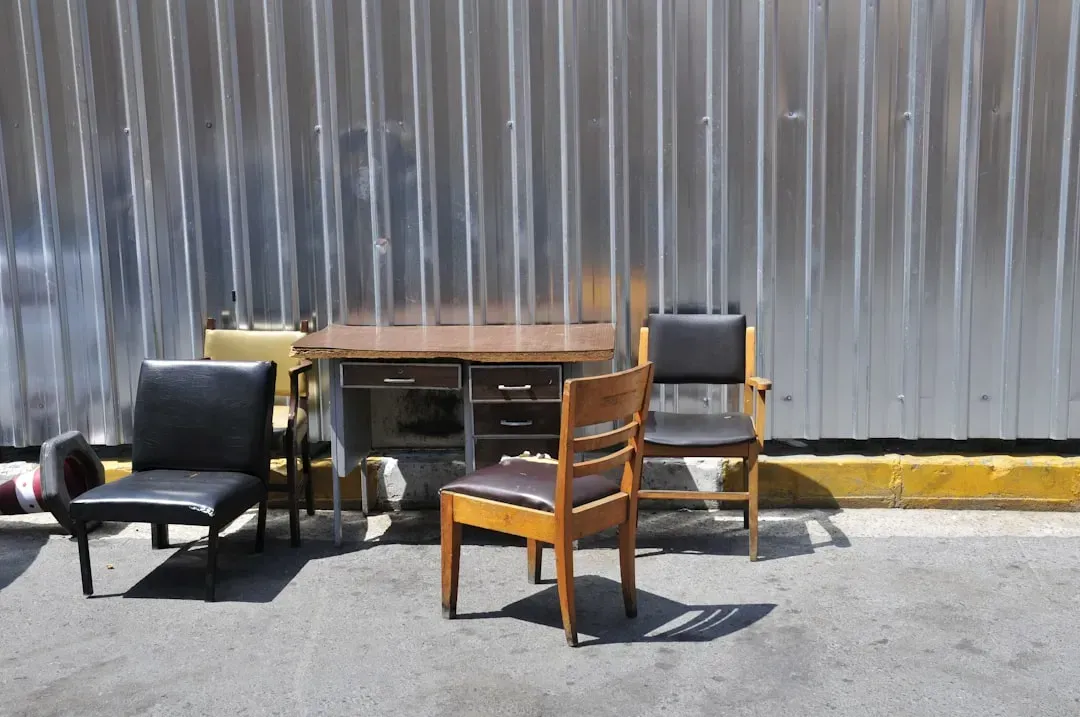
Selling or donating most of my furniture was harder than selling the house (Image Credits: Unsplash)
The house itself sold in six weeks. The furniture took four months, three donation trucks, and one estate sale company to fully clear out. A five-bedroom home accumulates furniture the way a garden accumulates weeds, quietly and everywhere, and I hadn’t realized how much of it I owned until I had to price each piece individually.
What surprised me most was how little resale value most furniture actually holds. Pieces I paid thousands for a decade earlier sold for a fraction of that, a pattern that matches what resale platforms and secondhand furniture marketplaces have reported consistently in recent years as supply from downsizing baby boomers has outpaced demand. In the end, I kept one dining table, one bed, and a handful of items with real sentimental weight, and gave the rest away without much ceremony.
Storage units are a trap disguised as a solution

Storage units are a trap disguised as a solution (Image Credits: Unsplash)
Before the move, I rented a 10×15 storage unit, telling myself it was temporary. Eighteen months later I was still paying the monthly fee, and I hadn’t opened the unit more than twice. The self-storage industry in the U.S. has grown into a multi-billion dollar sector precisely because people like me sign up for “temporary” storage that quietly becomes permanent.
Eventually I did the math: I had paid more in storage fees than the boxes inside were worth. That was the moment I drove over, opened everything up, and forced myself to decide item by item instead of postponing the decision indefinitely. The unit was empty within a weekend once I stopped treating it as a safety net and started treating it as a deadline.
A smaller kitchen forced me to become a better, more intentional cook
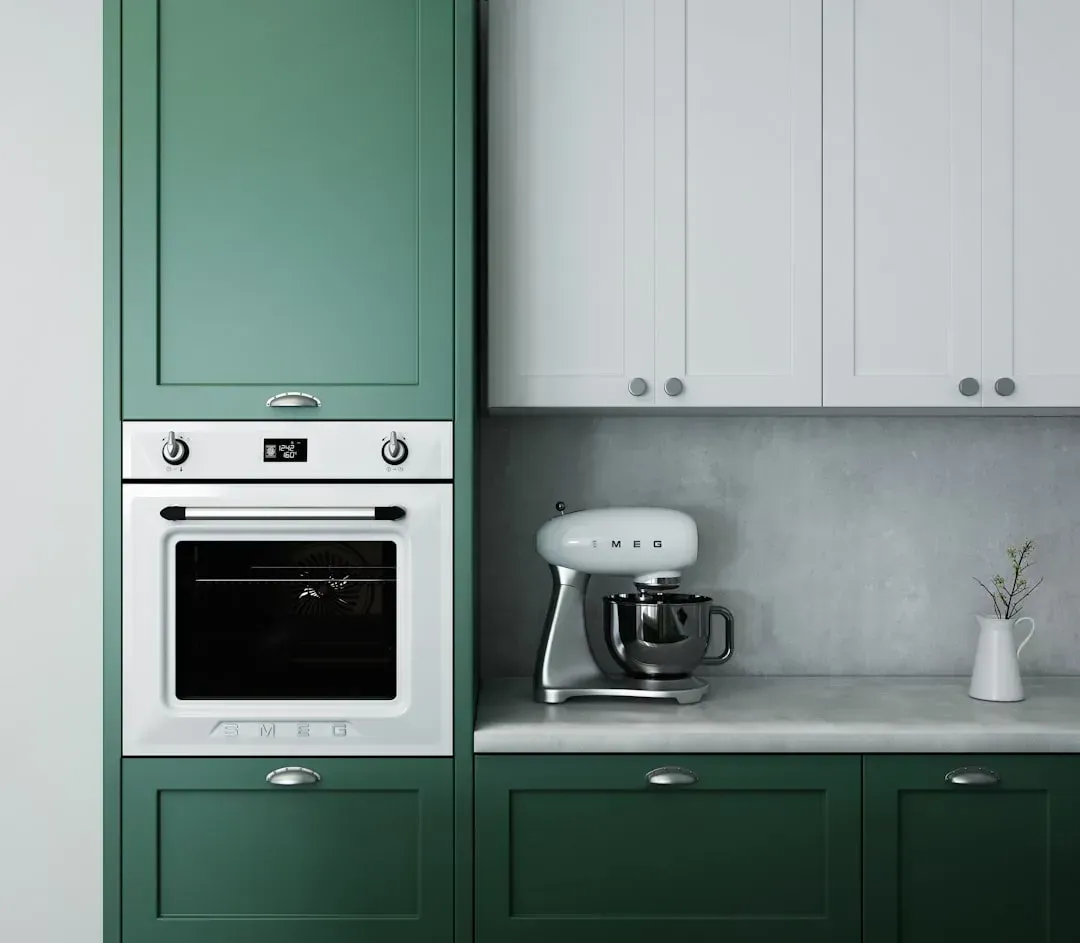
A smaller kitchen forced me to become a better, more intentional cook (Image Credits: Unsplash)
My old kitchen had two ovens, a six-burner range, and cabinet space for appliances I used twice a year. The new kitchen has one oven, four burners, and drawers that fit exactly what I actually reach for. Counterintuitively, cooking became more enjoyable, not less, because everything has a purpose and nothing is buried behind three other gadgets.
Meal planning also changed simply because the refrigerator is smaller. I buy groceries more often, in smaller quantities, which according to food waste research from the USDA is one of the more effective habits for reducing household food waste. The apartment kitchen, in other words, nudged me toward behavior that dietitians and waste-reduction experts have been recommending for years.
My utility bills dropped by more than half

My utility bills dropped by more than half (Image Credits: Unsplash)
The five-bedroom house averaged around 2,600 square feet of conditioned space. The one-bedroom apartment is under 750. Heating and cooling costs fell dramatically, and my monthly electric bill is now roughly 55 percent lower than it was in the house, a shift that tracks closely with Energy Information Administration data showing that home energy consumption correlates strongly with square footage.
Water and trash costs dropped too, though less dramatically since those are partly tied to household size rather than square footage alone. The bigger surprise was how much mental energy I saved simply not worrying about a furnace filter, a water heater, or a roof that might need replacing. Fewer systems to maintain meant fewer things quietly draining attention in the background.
I had to relearn what "enough" storage actually means
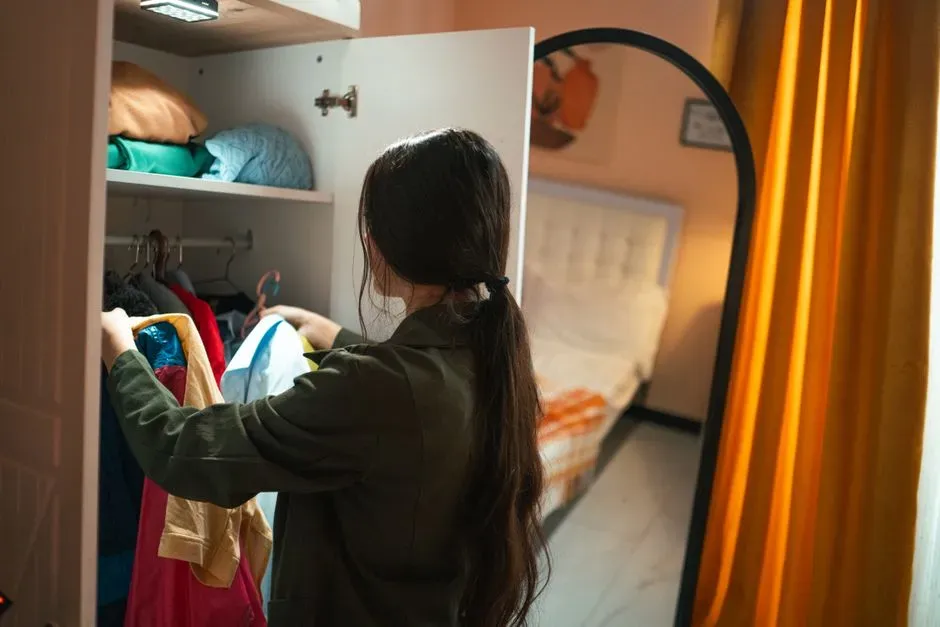
I had to relearn what "enough" storage actually means (Image Credits: Pexels)
The apartment has one coat closet, one linen closet, and a modest pantry. My first instinct was panic, followed quickly by creative problem-solving. Vertical storage, under-bed bins, and a willingness to own fewer duplicate items solved most of what I thought was an unsolvable space crisis.
What I didn’t expect was how liberating it felt to know exactly where everything lived. In the house, things disappeared into spare rooms and were functionally lost even though they technically existed somewhere. In the apartment, if I own it, I know where it is, and that clarity turned out to be worth more than the square footage I gave up.
Neighbors became a daily part of life again

Neighbors became a daily part of life again (Image Credits: Pexels)
Suburban house living, at least in my experience, involved waving at neighbors from a driveway a few times a month. Apartment living put me in an elevator, a hallway, or a shared laundry room several times a week, and those small interactions added up into something closer to actual community. Research from organizations studying housing and social connection has repeatedly linked higher-density living with more frequent, if often more casual, social contact among neighbors.
I wasn’t looking for this benefit and almost dismissed it early on as a minor inconvenience of shared walls. Instead it became one of the quieter upgrades of the move, a low-effort form of social contact that a five-bedroom house on a quarter acre simply never provided.
Downsizing changed how I think about money more than I expected

Downsizing changed how I think about money more than I expected (Image Credits: Pixabay)
Property taxes, homeowners insurance, and maintenance reserves on the old house added up to a substantial fixed cost every single month, independent of the mortgage itself. Renting the apartment consolidated most of those variables into one predictable monthly figure. According to Freddie Mac’s research on homeownership costs, maintenance alone typically runs between one and two percent of a home’s value annually, a cost that essentially disappeared once I stopped owning a large property.
That predictability changed my relationship with money in a way I hadn’t anticipated. Fewer surprise expenses meant less financial anxiety, and the money that used to disappear into a home equity line for repairs now goes toward things I actually chose, rather than things a house demanded of me.
The emotional adjustment took longer than the physical move

The emotional adjustment took longer than the physical move (Image Credits: Unsplash)
Boxes and furniture were sorted within weeks. Feeling settled took closer to a year. A five-bedroom house holds decades of memories embedded in specific rooms and corners, and letting go of that physical geography meant, in some sense, letting go of a particular chapter of life.
What helped most was accepting that memories live in people and photographs, not in square footage. Once I stopped associating the size of a home with the size of a life well-lived, the smaller apartment stopped feeling like a step down and started feeling like a deliberate, considered choice.
Final thoughts on trading space for simplicity

Final thoughts on trading space for simplicity (Image Credits: Pexels)
Downsizing from five bedrooms to one wasn't a single decision so much as dozens of smaller ones, made room by room and box by box. The apartment isn't a smaller version of my old life; it's a different, more intentional one, built around what I actually use rather than what I once thought I needed. If there's one lesson that outlasted the move itself, it's that space is easy to acquire and surprisingly hard to give back, and giving it back on purpose taught me more than accumulating it ever did.