
The living room is the first real test of a showing. It’s the space where buyers slow down, look around, and quietly decide whether they can picture their lives unfolding here. After 15 years of walking through hundreds of homes, I’ve watched buyers lose interest fast – not because of price, not because of location, but because of details that sellers never thought to address.
For home buyers, staging the living room is considered the most important room, ahead of the primary bedroom and the kitchen. That fact alone should be enough to take the living room seriously. More than half of buyers are disappointed when the homes they visit don’t live up to their expectations, according to the NAR’s 2025 Profile of Home Staging. Here are the eight living room details I’ve seen kill deals more times than I can count.
1. The Lighting Is Wrong – in Multiple Ways at Once

1. The Lighting Is Wrong – in Multiple Ways at Once (Image Credits: Pexels)
Lighting changes a room’s mood and its perceived size. A dimly lit room can make buyers feel gloomy and unwelcome, while harsh, cool-toned lighting makes the space feel clinical. Most sellers never think twice about bulb color temperature, and that oversight shows immediately during a showing.
A single room can end up with mismatched cool and warm lighting, which creates a disjointed look that makes the space feel messy at best and low-end at worst. Bad lighting creates shadows, highlights imperfections, and makes rooms feel smaller – and well-lit homes appear more spacious and attractive, directly influencing buyer interest and offer prices. It’s one of the easiest fixes on this list, and one of the most overlooked.
2. Oversized Furniture That Swallows the Room

2. Oversized Furniture That Swallows the Room (Image Credits: Pexels)
Having too much furniture in a room makes it look cluttered and disorganized, and it’s important to arrange furniture in a way that maximizes the space and makes it look inviting. Buyers struggle to gauge how their own belongings would fit, and that uncertainty is enough to make them move on.
Empty rooms are difficult for buyers to read – they struggle to gauge scale, imagine furniture placement, or feel any emotional pull toward the space. The inverse is equally damaging: rooms packed with oversized sofas and bulky sectionals trigger the same confusion. Oversized, overstuffed sofas blur all the architectural lines of a living room and replace them with one soft, amorphous shape – and designers hope buyers will search for pieces with sleeker lines and a sense of refinement instead.
3. An All-Gray Color Scheme That Feels Cold and Dated
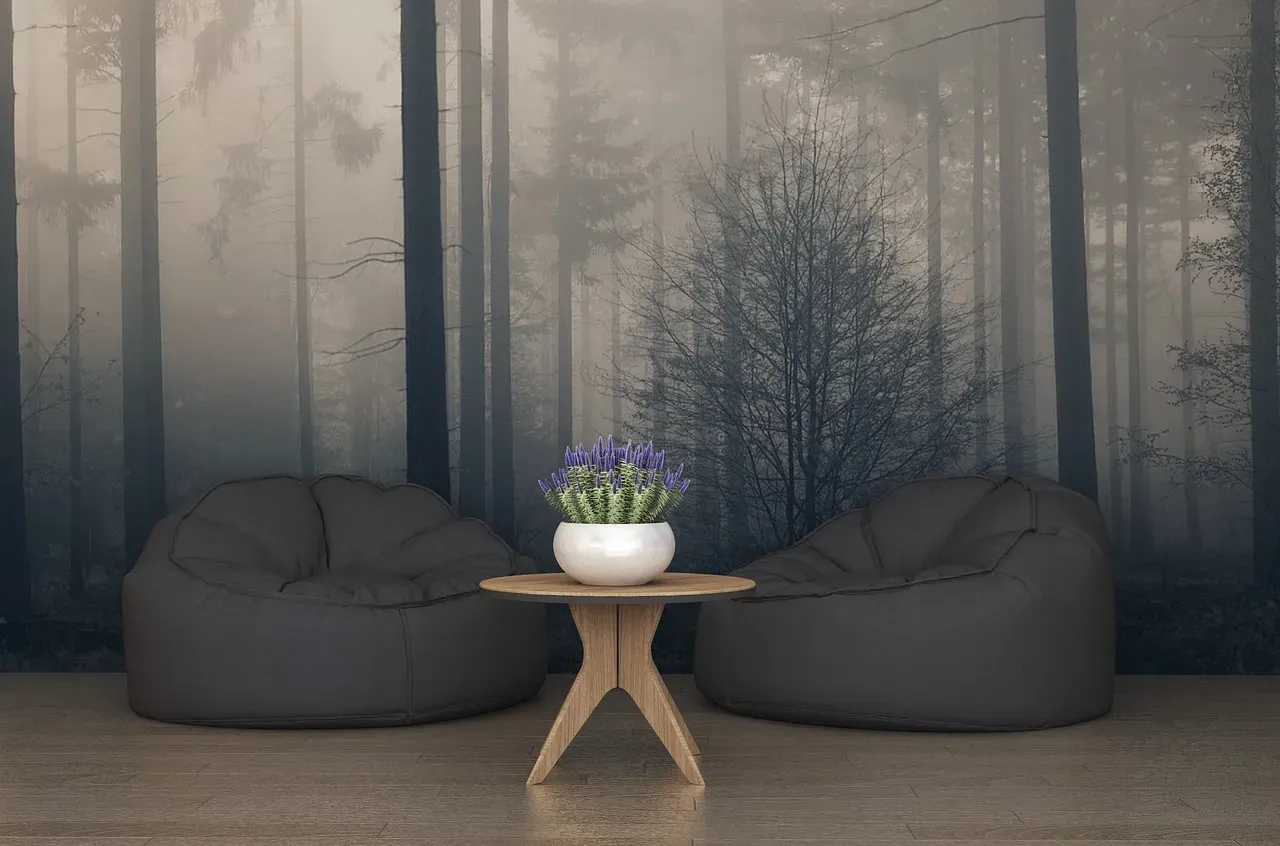
3. An All-Gray Color Scheme That Feels Cold and Dated (Image Credits: Pixabay)
For years, gray was the safe choice – but buyers are now ready for warmth again. All-gray floors, walls, and finishes can feel cold and impersonal, especially when overused. What once felt modern now reads as flat and uninspiring. Buyers in 2026 associate heavy gray palettes with homes that haven’t been touched in a decade.
What buyers prefer are warm neutrals like soft beiges, taupes, and earthy tones, with natural wood finishes and subtle color variation helping homes feel more inviting and easier to imagine living in. The shift isn’t dramatic – it’s just warmth. A single repainted wall in a taupe or warm white can change the entire emotional register of the room.
4. Heavy Personal Clutter and Family Photographs Everywhere

4. Heavy Personal Clutter and Family Photographs Everywhere (Image Credits: Pexels)
One of the keys to helping prospective buyers fall in love with your home is cultivating an environment they can picture themselves in – and that becomes very difficult if your entire wedding album is hung on every wall. This is one of the first things I mention to every seller, and one of the things many sellers push back on the hardest.
Buyers want to picture their own life in the space, not yours. If walls are filled with family photos and bold personal decor, they won’t be able to see past your style. Keeping decor neutral creates more of a blank canvas for future buyers. Real estate professionals recommend purging the home of at least half its clutter and embracing a more minimalistic approach while it’s on the market.
5. Stained, Worn, or Pet-Damaged Flooring

5. Stained, Worn, or Pet-Damaged Flooring (Image Credits: Pexels)
One of the first things buyers notice is flooring. Broken tiles, scratched hardwood, or stained carpets can take a home’s value down – and while replacing flooring can be expensive, a thorough cleaning or small repairs can make a significant difference. In the living room, flooring is essentially impossible to ignore.
A stain on the living room carpet – even one under a piece of furniture – is enough to lose a buyer entirely. Over time, pet smells can work their way into the nooks and crannies of a home, from carpets to upholstery, with pet urine usually being the most serious offender. Sellers with pets often underestimate just how much the flooring has absorbed over the years.
6. Odors That Hit the Moment You Walk In

6. Odors That Hit the Moment You Walk In (Image Credits: Unsplash)
The purchase of a home very much involves the senses, and if the odor is offensive, it is an immediate turn-off – though often the people who live there have no idea how bad it really is. Nose blindness is real and very common among long-term homeowners. This is one situation where sellers genuinely need an outside opinion before a showing.
Outright unpleasant smells can turn buyers off from the second they walk in – and because nose blindness is real, sellers may not realize the odor their home carries. Pet odors, strong cooking smells, soiled carpets, mold, and smoke can all deter buyers. Studies show that smoking in a home can lower its resale value by as much as roughly three tenths compared to similar smoke-free properties. That’s a serious financial consequence from something sellers may barely notice.
7. Blinds Drawn or Windows Blocked, Killing Natural Light
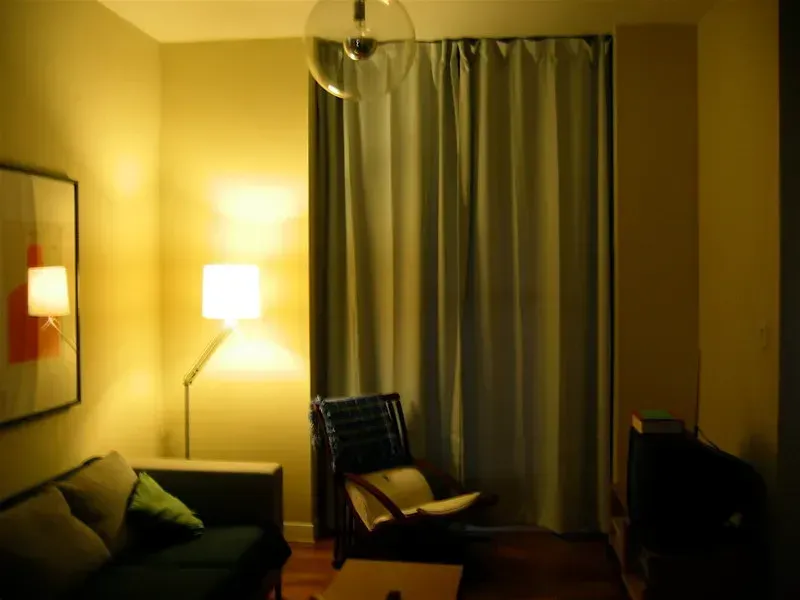
7. Blinds Drawn or Windows Blocked, Killing Natural Light (Image Credits: Gallery Image)
Opening the blinds and curtains to let natural light into the space sounds almost too simple, yet I walk into showings regularly where the room is dim, the curtains are half-drawn, and the best feature of the living room – its windows – is completely hidden. Natural light is consistently one of the most requested features among today’s buyers.
Full-length draperies hung high and wide help let light in and add height to a room, while old-style coverings that block windows make even a decent-sized living room feel cramped. Wellness has become a meaningful factor in home buying decisions, and clean air and natural light are as important to some buyers as the number of bedrooms. Blocking that light – even unintentionally – sends exactly the wrong message.
8. A Space That Has No Clear Purpose or Focal Point
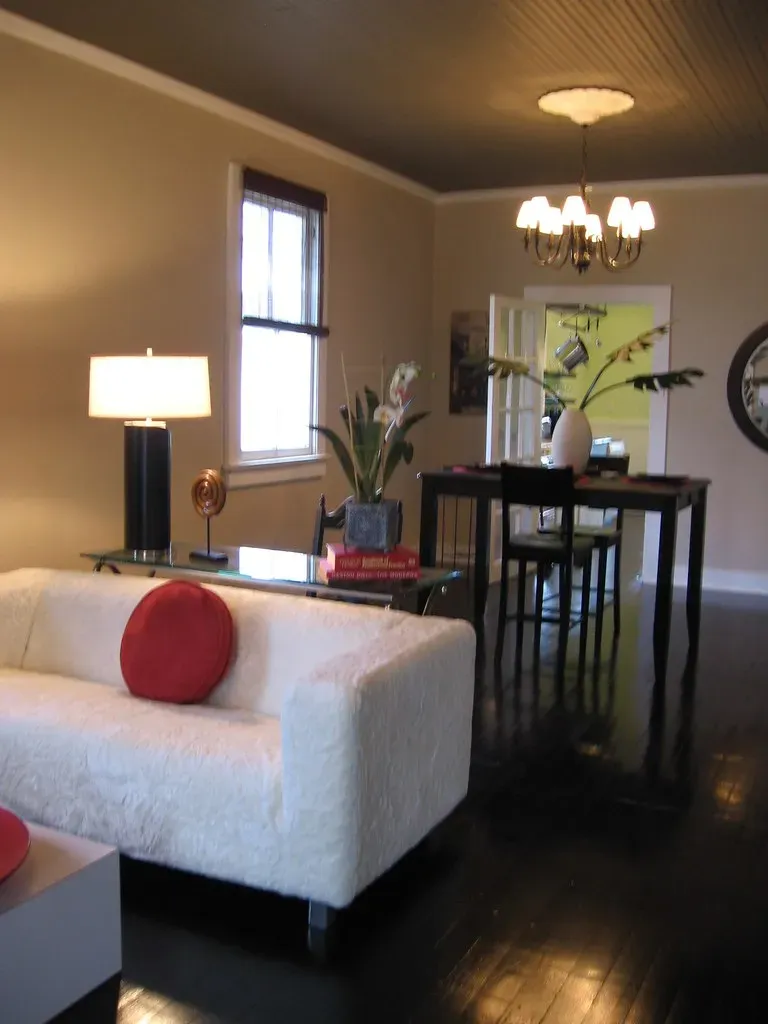
8. A Space That Has No Clear Purpose or Focal Point (nolaclutterbusters, Flickr, <a href="https://creativecommons.org/licenses/by/2.0/" target="_blank" rel="noopener">CC BY 2.0</a>)
Rooms should have a clear and logical purpose. Awkward spaces and areas without defined function can be a turn-off – and if it’s unclear how to make the most of a room, bringing in a stager can help showcase functional areas and transform them into something buyers can understand. A living room that functions as a storage overflow, a home office, and a seating area all at once confuses buyers rather than inviting them.
A successful staged showing is a full sensory experience that allows potential buyers to envision themselves living in a house. When the living room lacks a clear focal point – whether that’s a fireplace, a feature wall, or even a well-placed sofa – buyers’ eyes wander without landing anywhere meaningful. The goal isn’t to chase trends; it’s to create a space that feels welcoming, practical, and easy for buyers to picture as their own. That’s the standard every living room should be held to before a single showing begins.