
I always pictured PTA meetings as something my mom did, back when I was in elementary school and she'd disappear for an hour on a Tuesday night with a stack of flyers. I never thought I'd be the one signing up. But my daughter started kindergarten last fall, and somewhere between the orientation packet and a flyer taped to the cafeteria door, I decided I'd give it a shot.
What followed was not the dull committee meeting I expected, nor was it the instant sense of belonging some parenting blogs promise. It was messier, funnier, and more revealing about how schools actually run than I ever anticipated.
Why I signed up in the first place
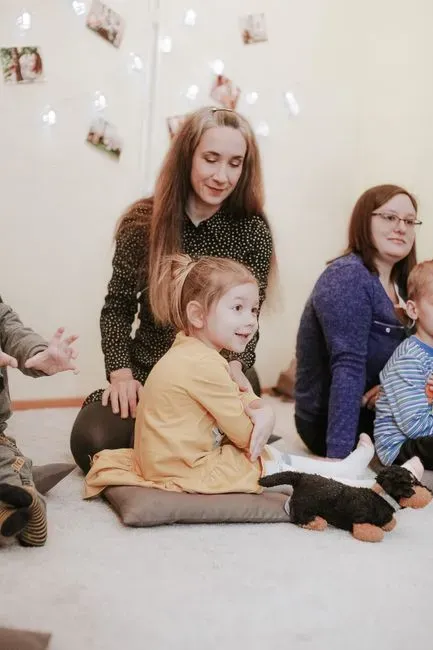
Why I signed up in the first place (Image Credits: Pexels)
I told myself it was about community. Being new to the neighborhood, I figured a parent group would be the fastest way to meet people who actually lived nearby instead of just waving at strangers during pickup. There was also a nagging sense of guilt, the kind that creeps in when you read that involved parents tend to raise kids who do better in school.
That guilt is not entirely misplaced. More than 85 research studies conducted over the past 30 years prove that kids do better when parents are involved, with higher grades, improved test scores, and better attendance. I figured joining could not hurt, and honestly, I wanted an excuse to feel like I had a handle on this whole parenting thing.
The first meeting caught me off guard

The first meeting caught me off guard (Image Credits: Unsplash)
I walked into the school library expecting rows of folding chairs and a slideshow. Instead I found six women already deep in conversation about a fundraising thermometer poster, someone’s toddler asleep in a stroller in the corner, and a stack of pizza boxes nobody had touched yet. Nobody introduced themselves at first. I just sort of stood there until the treasurer waved me toward an empty chair.
The meeting itself moved fast, jumping between budget numbers, a debate about laminating machines, and a tense five minutes about whether the fall carnival needed a bounce house or two. I left with more questions than answers, including a nagging one: was this actually a PTA, or one of those independent parent groups I’d read about that skip the national affiliation entirely?
Learning the difference between a PTA and a PTO
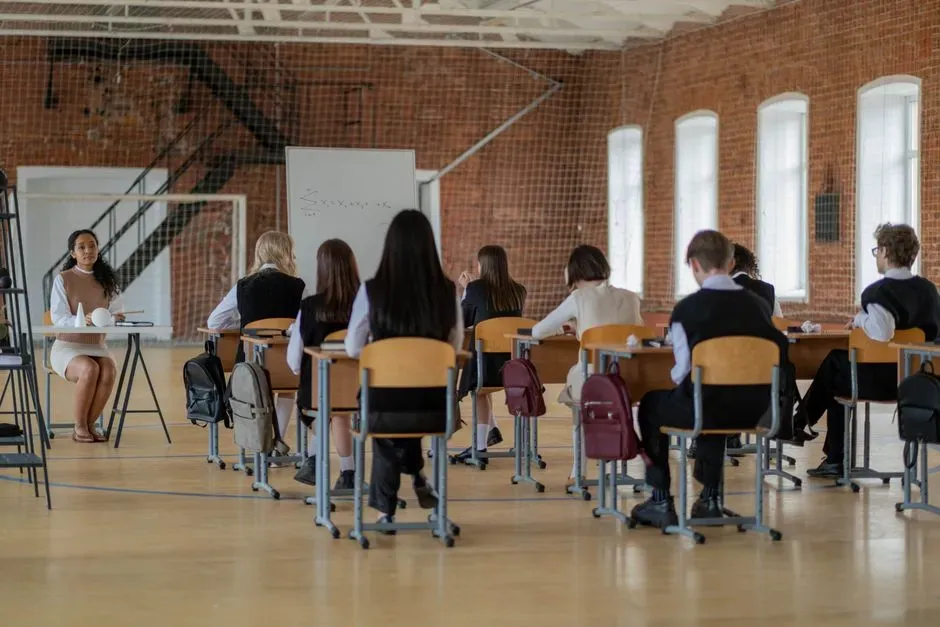
Learning the difference between a PTA and a PTO (Image Credits: Pexels)
It turns out plenty of schools run parent organizations that are not technically PTAs at all. Many operate as independent PTOs, sidestepping the dues and paperwork that come with joining the national structure. National PTA itself traces its history back to 1897, when it started as a coalition known as the National Congress of Mothers, and it has grown into a dues paying membership organization with chapters across the country.
My school’s group turned out to be a genuine PTA, dues and all. As of the 2025 to 2026 membership year, the national portion of those dues sits at three dollars and twenty five cents per member, following a small increase approved by the voting body in 2024. It felt strange writing a check for something so small, but apparently that sliver of national dues funds advocacy work, training resources, and grants that trickle back down to local chapters.
The email chain that never ends

The email chain that never ends (Image Credits: Unsplash)
Within a week of joining, my inbox turned into a battlefield. Sign up sheets for bake sales, reminders about spirit week, and a surprisingly heated thread about whether the spring auction should go virtual again all landed within days of each other. I started to understand why some parents quietly let their membership lapse after one semester.
Nobody warned me how much of PTA life happens outside actual meetings. The real work, it seems, gets done in these scattered digital exchanges, texts, and hallway conversations during drop off. I eventually made peace with it by muting notifications and checking the thread once a day instead of every hour.
Volunteering for the fall festival turned into a part time job
Volunteering for the fall festival turned into a part time job (Image Credits: Pexels)
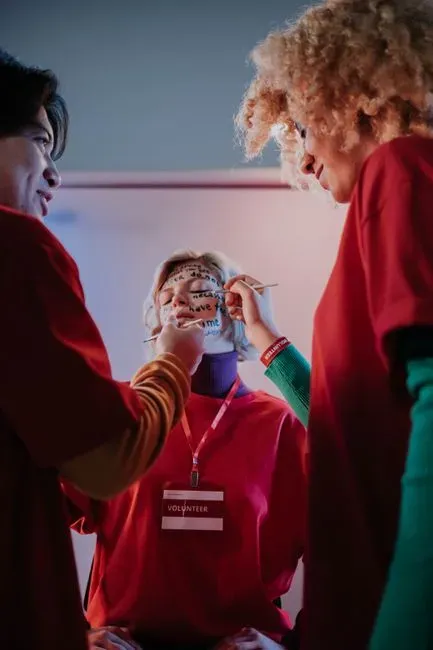
I raised my hand for what sounded like a simple task, running the face painting table at the fall festival. Somehow that turned into three planning meetings, a supply run to a craft store forty minutes away, and a group chat dedicated entirely to glitter versus non glitter paint. I laughed about it later, but in the moment it felt like a second job I had not applied for.
The festival itself was worth it, though. Watching kids line up excitedly for butterfly wings and tiger stripes reminded me why parents keep doing this year after year, even when the planning feels disproportionate to the payoff. I understood, for the first time, why some volunteers burn out fast and others stick around for a decade.
The budget meeting that changed how I saw the school
The budget meeting that changed how I saw the school (By Redwood rab tv, <a href="https://commons.wikimedia.org/w/index.php?curid=115732777" target="_blank" rel="noopener">CC BY-SA 4.0</a>)
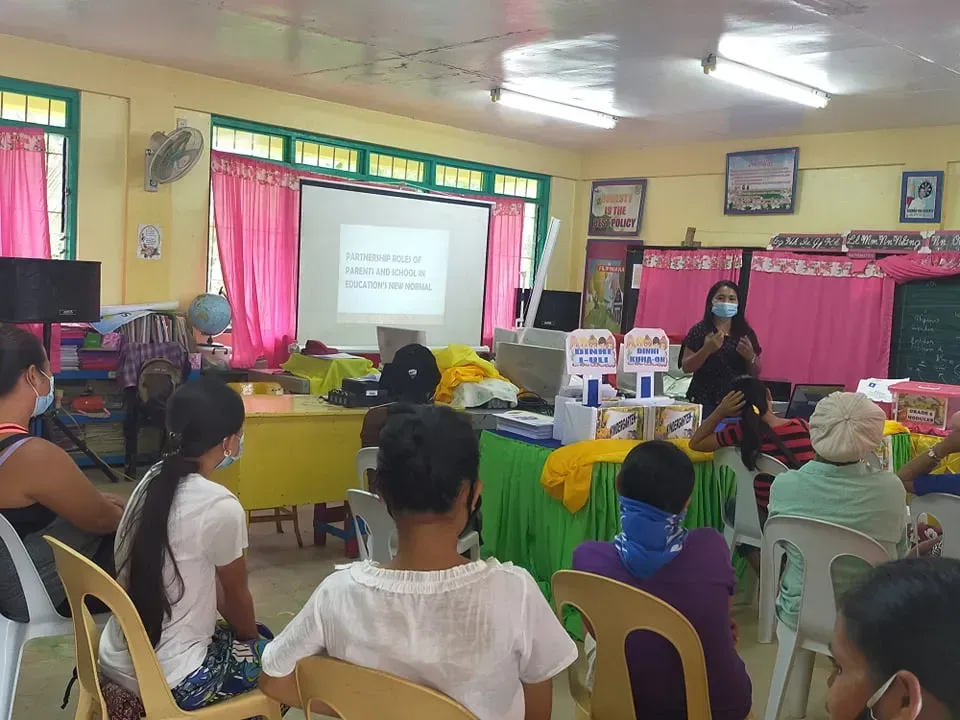
Nothing pulled back the curtain on school funding quite like sitting through a PTA budget review. I learned that the classroom supplies I assumed the district covered were often funded through fundraisers, and that a chunk of the money we raised went toward things like field trip subsidies for families who could not otherwise afford them. Local PTAs are largely self funding, which means every bake sale and book fair carries more weight than it looks like from the outside.
That meeting also made me appreciate how much financial literacy the role demands from volunteers who are not accountants. Watching the treasurer, a parent with a full time job in logistics, walk through spreadsheets late on a weeknight gave me a new respect for the unglamorous side of this work. It is not just bake sales and banners, it is quietly balancing a small nonprofit budget.
Cliques exist even among grown adults
Cliques exist even among grown adults (Image Credits: Pexels)
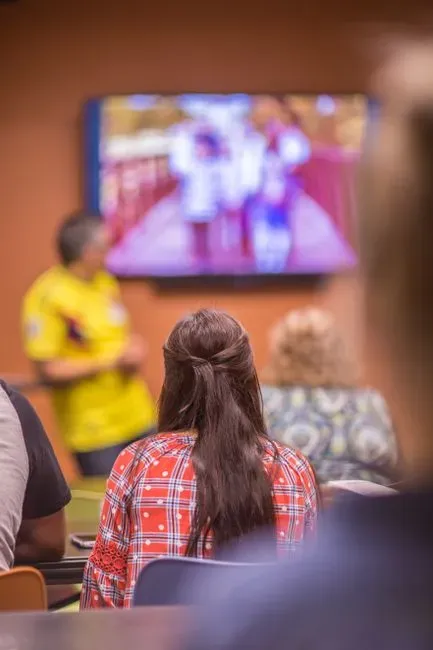
I wish I could say the social dynamics improved once I hit thirty, but old patterns showed up in new packaging. There was a tight knit group of veteran members who had been running things for years, and breaking into their rhythm took longer than I expected. Conversations sometimes felt like they were happening in a shorthand I had not been given the key to yet.
It softened over time, mostly through repetition rather than any single breakthrough moment. Showing up consistently, even to the boring meetings, seemed to matter more than saying the right thing at the right moment. By December, a few of those same women were the ones texting me directly about school updates before anything went out publicly.
What the research actually says about parent involvement
What the research actually says about parent involvement (Image Credits: Unsplash)
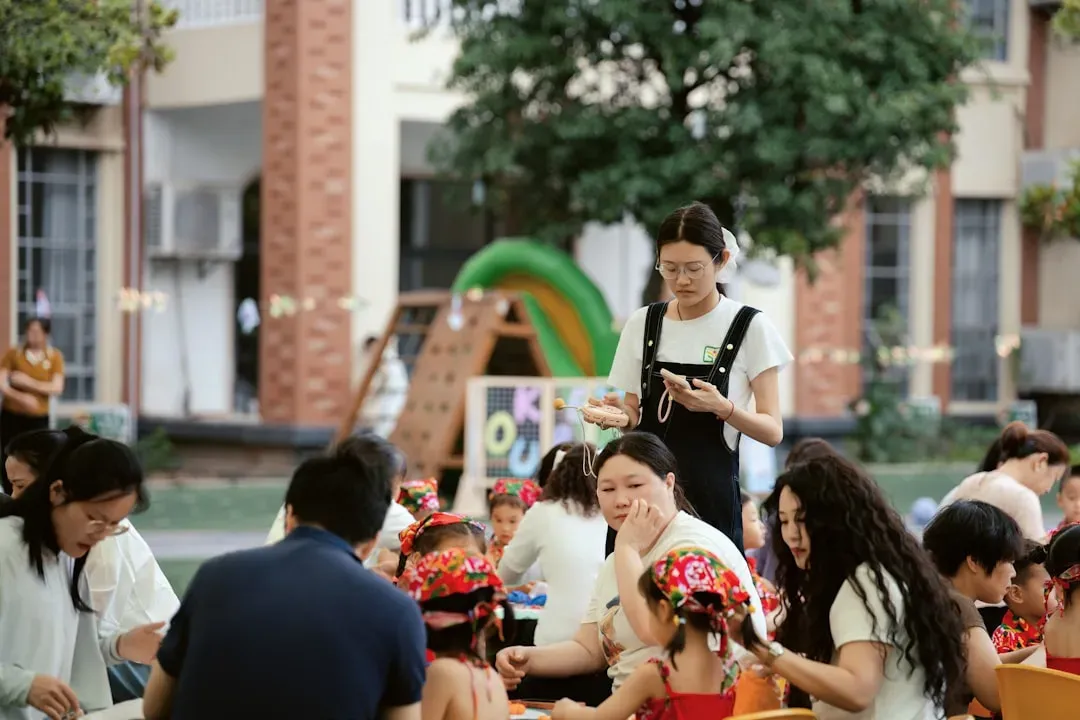
Curious whether any of this effort translated into measurable outcomes, I looked into what researchers have found. The picture is more complicated than the glossy brochures suggest. While decades of research link general parental involvement to better grades and attendance, some more recent academic work focused specifically on formal PTA membership has found that its direct effect on test scores and academic outcomes is harder to prove.
That does not mean the effort is wasted, just that its value may sit more in communication and community building than in a measurable test score bump. Researchers examining school based involvement have noted that PTA meetings and volunteering create informal parent networks that let information, advice, and support flow between families, which matters even if it does not show up neatly in a spreadsheet.
Why I almost quit by winter break

Why I almost quit by winter break (Image Credits: Unsplash)
By December, exhaustion had set in. Between work, my own kid’s homework routine, and a holiday concert that seemed to require volunteer coordination worthy of a small wedding, I genuinely considered stepping back. I was not alone in that feeling either, since national membership numbers have been trending downward for decades as work schedules and family structures have shifted.
What kept me from quitting outright was smaller than I expected. A teacher mentioned in passing that the reading corner we had funded that fall was one of the most used spots in her classroom. That single comment reframed the whole exhausting semester as something with a visible, if modest, payoff.
What kept me coming back
What kept me coming back (proyectoasis, Flickr, <a href="https://creativecommons.org/licenses/by-sa/2.0/" target="_blank" rel="noopener">CC BY-SA 2.0</a>)
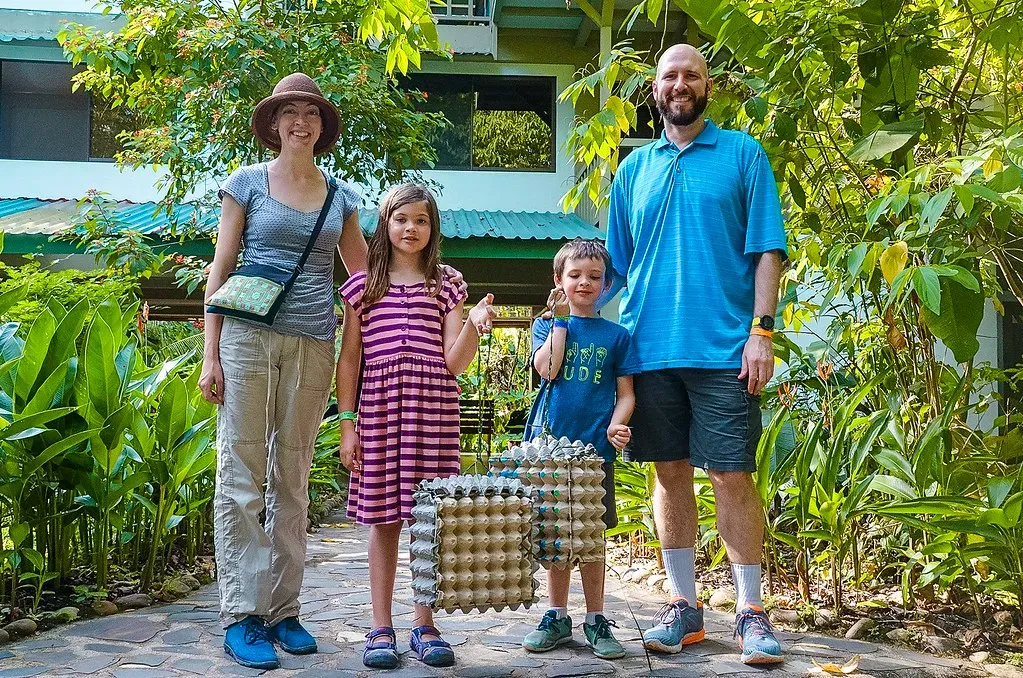
By spring, the group felt less like an obligation and more like a loose extension of my own routine. I stopped dreading the meetings and started actually looking forward to seeing certain people, even the ones I had struggled to connect with early on. The work never got lighter, but my tolerance for the chaos grew alongside my sense of ownership over it.
I also noticed my daughter picking up on it, asking about the events I helped plan and pointing out things at school that our group had funded. That small thread of visibility, more than any spreadsheet or research citation, ended up being the reason I stayed through the full school year instead of quietly disappearing after one semester.
Final thoughts
Final thoughts (By Muthumohan1979, <a href="https://commons.wikimedia.org/w/index.php?curid=113311258" target="_blank" rel="noopener">CC BY-SA 4.0</a>)
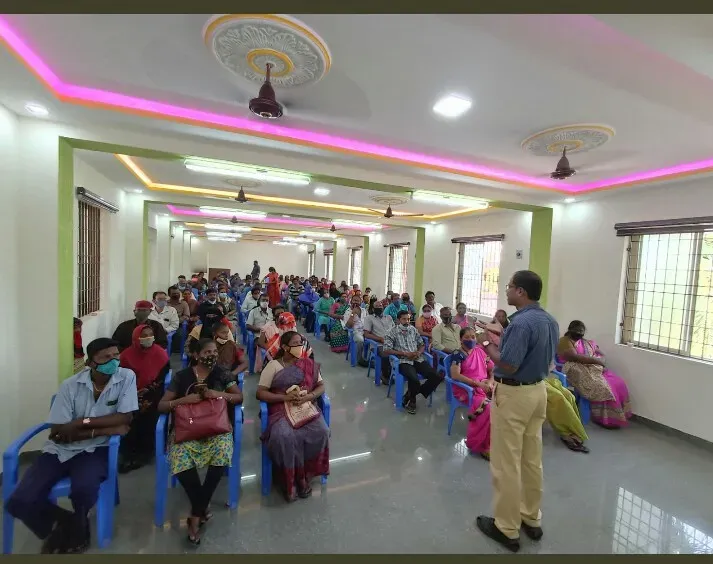
Joining the PTA at thirty was not the tidy, feel good experience I half expected walking in. It was slower, more bureaucratic, and occasionally more socially awkward than anticipated, but it also gave me a clearer picture of how much invisible labor keeps a school running smoothly. I did not walk away with a title or a leadership role, just a better sense of what the parents ahead of me had been quietly doing all along.
If nothing else, I learned that showing up consistently matters more than showing up perfectly. Whether or not the research settles the debate on measurable academic gains, the community that forms around a folding table full of pizza boxes turned out to be reason enough to keep going.