
Twelve years inside a major bank teaches you things the brochures never mention. You learn the language of fee schedules, you watch colleagues explain charges to frustrated customers, and – slowly – you realize just how much money slips out of ordinary accounts, month after month, in ways most people never think to question. Some of these fees are genuinely hard to avoid. Most of them aren’t.
Many people figure that paying bank fees is simply an unavoidable part of life, and recent surveys show the average American pays anywhere from $167 to $288 per year in fees. Having spent over a decade on the inside, I can tell you that number is almost entirely preventable with a little awareness. Here are the ten fees I’d refuse to pay if I were starting fresh today.
1. The Overdraft Fee

1. The Overdraft Fee (Image Credits: Unsplash)
The average U.S. bank overdraft fee sits at around $26.77, and major banks still charge up to $35 per overdraft. The kicker is that this charge lands on you at precisely the moment you have the least money. It’s a fee that compounds stress, not just cost.
JPMorgan Chase collected over a billion dollars and Wells Fargo took roughly a billion dollars in overdraft fees in 2024 alone. Meanwhile, Capital One, Citibank, and Ally Bank have completely eliminated overdraft fees, while others like Bank of America have reduced theirs to $10. The proof that these fees aren’t necessary is already out there. You just have to choose a bank that agrees.
2. The Monthly Maintenance Fee

2. The Monthly Maintenance Fee (Image Credits: Unsplash)
Monthly maintenance fees are the most common recurring bank fee, with traditional banks typically charging between $5 and $25 per month for checking accounts. The catch is that waiver requirements often benefit people who already have money – the less you have, the more you pay.
In 2025, nearly half of all non-interest checking accounts surveyed are free, and an additional 48 percent of non-interest accounts will waive a monthly fee based solely on signing up for direct deposit. Altogether, 95 percent of non-interest accounts are free or can become free just by setting up direct deposit. That’s a fee most people are paying for no reason whatsoever.
3. The Out-of-Network ATM Fee
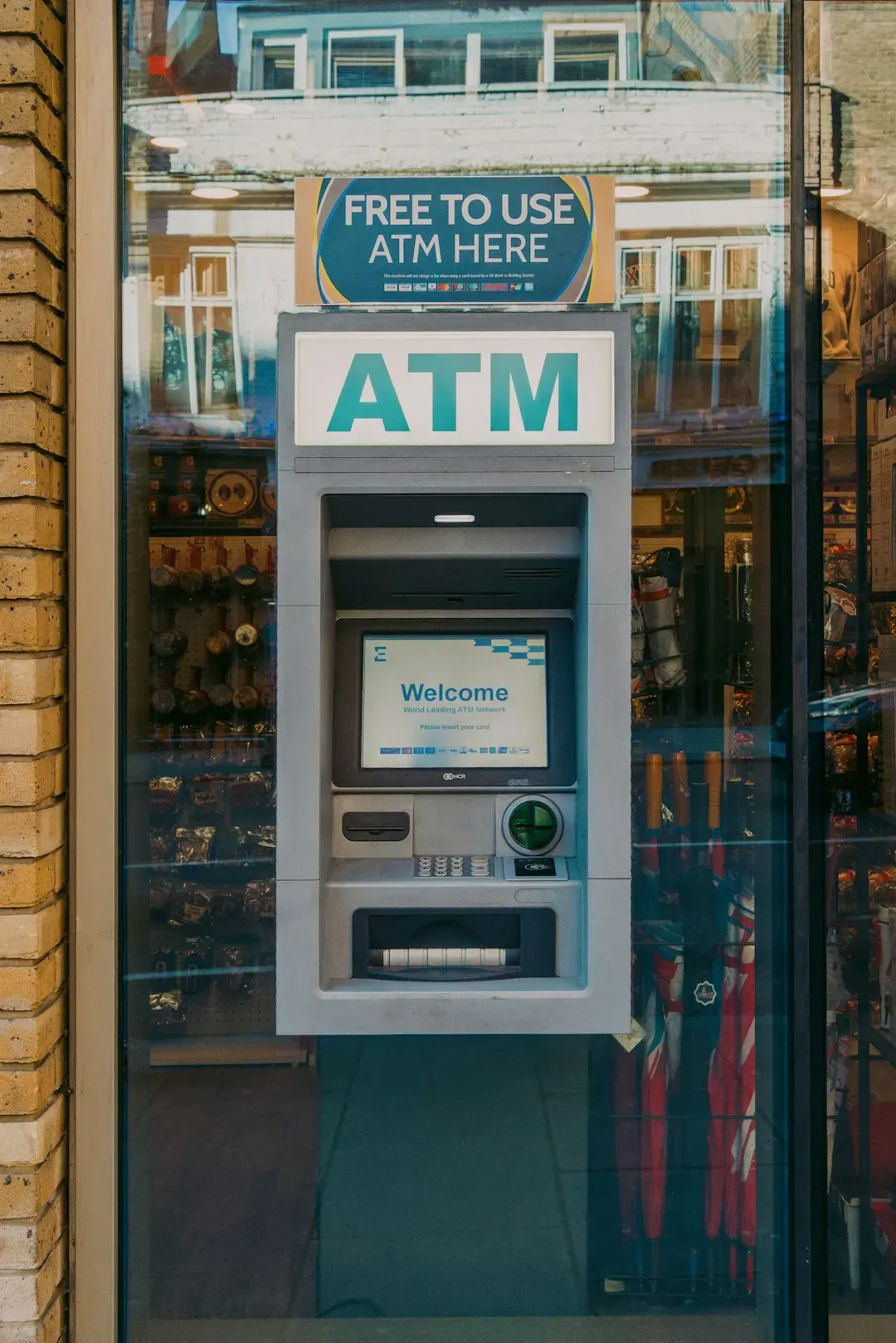
3. The Out-of-Network ATM Fee (Image Credits: Unsplash)
The average total ATM fees hit $4.86 in 2025, up from $4.77 the year before, according to Bankrate’s latest Checking Account and ATM Fee Study. That might sound trivial in isolation. But if you’re grabbing cash a few times a week from a random machine, it adds up fast.
One or two charges could result each time you use an ATM that’s not in your bank’s network. First, the bank that owns the ATM will likely assess a surcharge, and second, your own bank may charge you for going outside its network. Many online banks and some traditional banks will reimburse you for a certain number of out-of-network ATM fees each month. That’s a feature worth hunting for specifically.
4. The Nonsufficient Funds (NSF) Fee

4. The Nonsufficient Funds (NSF) Fee (Image Credits: Pexels)
Also known as nonsufficient funds fees, these are charged when you don’t have enough money in a checking account to pay for a transaction. NSF fees differ from overdrafts in that you don’t end up with a negative balance – rather, the transaction is simply declined. NSF fees can average $17.72 according to Bankrate’s 2024 checking account survey.
The frustrating part about NSF fees is that the bank rejected the transaction – you got nothing – and still charged you for the trouble. Following the CFPB’s scrutiny of junk fees, many banks and financial institutions reduced or eliminated excessive NSF fees, with the CFPB expecting consumers to save roughly $2 billion annually from these changes. The landscape is shifting, but you still need to check your bank’s specific policy.
5. The Wire Transfer Fee

5. The Wire Transfer Fee (Image Credits: Pexels)
Wire transfers let you send large sums of money without handling cash, but they can cost anywhere from $16 to $35 per transaction. For international transfers, the numbers go even higher. The Chase international wire transfer fee for sending in U.S. dollars, for instance, is $40 if you send it yourself.
You can avoid a wire transfer fee on domestic transfers by using free payment services such as Zelle or Venmo to send money from an account at one bank to an account at another bank. Marcus by Goldman Sachs and Fidelity don’t charge fees on incoming or outgoing wire transfers at all. For most everyday transfers, there’s simply no reason to pay this fee anymore.
6. The Paper Statement Fee
6. The Paper Statement Fee (Image Credits: Pexels)
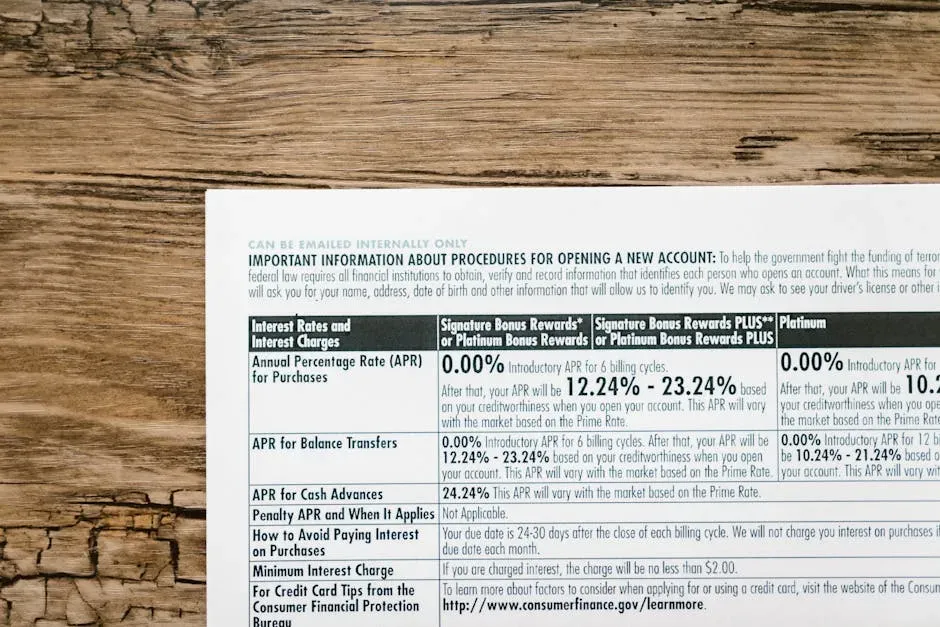
Some banks charge a monthly fee to have paper statements mailed to you. Paper statements can cost roughly $2 per month – which sounds minor, but that’s money going straight to a bank for printing and postage on something you can access for free online anytime you want.
This is one of the easiest fees to eliminate with a single click. Just opt into paperless statements through your bank’s app or website. You can often avoid this fee by opting for online statements, which can be viewed through email or by logging into your online banking account. It’s one of those quiet charges that banks count on customers not noticing.
7. The Overdraft Protection Transfer Fee
7. The Overdraft Protection Transfer Fee (Image Credits: Pexels)
Many people sign up for overdraft protection thinking it’ll save them money. Sometimes it does – but not always. The cost of an overdraft protection transfer can be around $10 or $12, although it can be cheaper or even free depending on the institution. That’s still a real charge for moving your own money between your own accounts.
An overdraft protection transfer is a service that many banks and credit unions offer that lets you link a second account to your checking account to automatically have funds transferred to cover a transaction that would overdraft. The linked account can be a savings account, credit card, line of credit, or even another checking account. The smart move is to confirm upfront whether that transfer itself carries a cost – because many banks now offer it free.
8. The Foreign Transaction Fee

8. The Foreign Transaction Fee (Image Credits: Pexels)
Purchases made abroad can trigger fees of one to three percent. If you travel internationally, choosing an account that waives foreign transaction charges is an important consideration. On a trip involving several thousand dollars in expenses, that percentage adds up to a surprisingly large sum very quickly.
When you use your debit card outside the U.S., you may be charged a foreign transaction fee. The good news is that a growing number of travel-focused accounts and online banks have eliminated this fee entirely. If you travel even occasionally, this is one of the simplest upgrades you can make to your banking setup before you leave home.
9. The Returned Deposit Fee
9. The Returned Deposit Fee (Image Credits: Pexels)
If you write a check that bounces or have a direct deposit returned due to lack of available funds, your bank may charge you a returned item fee. This fee can range from $25 to $40 per item and can quickly add up if you have multiple returned items at once.
What catches people off guard is that this fee often hits both the sender and the receiver of a bounced check. The way to avoid it is straightforward: regularly check your account balance and confirm sufficient funds before making payments, and set up banking alerts for low balances to keep better track of what’s in the account. It’s a fee that rewards attention and punishes complacency.
10. The Account Inactivity Fee

10. The Account Inactivity Fee (Image Credits: Pexels)
If you haven’t made any deposits or withdrawals from your account for a long time, you might get hit with a dormancy or inactivity fee. This charge often kicks in after a few months of zero activity. Many people forget about old accounts entirely, and the bank quietly drains whatever’s left through recurring dormancy charges.
An inactivity fee for a checking account is imposed by the bank if there’s little or no activity on the account over a certain period of time. This fee is typically charged if there are no deposits, withdrawals, or transfers within a specified time frame, which usually ranges from several months to a year. To avoid getting charged, you can set up automatic transfers – like paying a bill from the account every month – or simply close unused accounts entirely.