
Dinner in the 1980s had a certain rhythm to it. Between the rise of the microwave, the boom in processed convenience foods, and moms and dads juggling longer work hours than the generation before them, a handful of meals became fixtures on tables across the country. They weren't gourmet, and nobody was pretending otherwise. They were fast, filling, and familiar, and for a lot of people they still trigger an instant flash of nostalgia decades later.
Looking back at what actually filled plates during that decade says a lot about how American eating habits were shifting. Convenience brands were expanding fast, and families were adapting to new schedules and new products at the same time. Three meals in particular kept showing up again and again, and each one tells its own small story about the era.
Hamburger Helper and ground beef casseroles
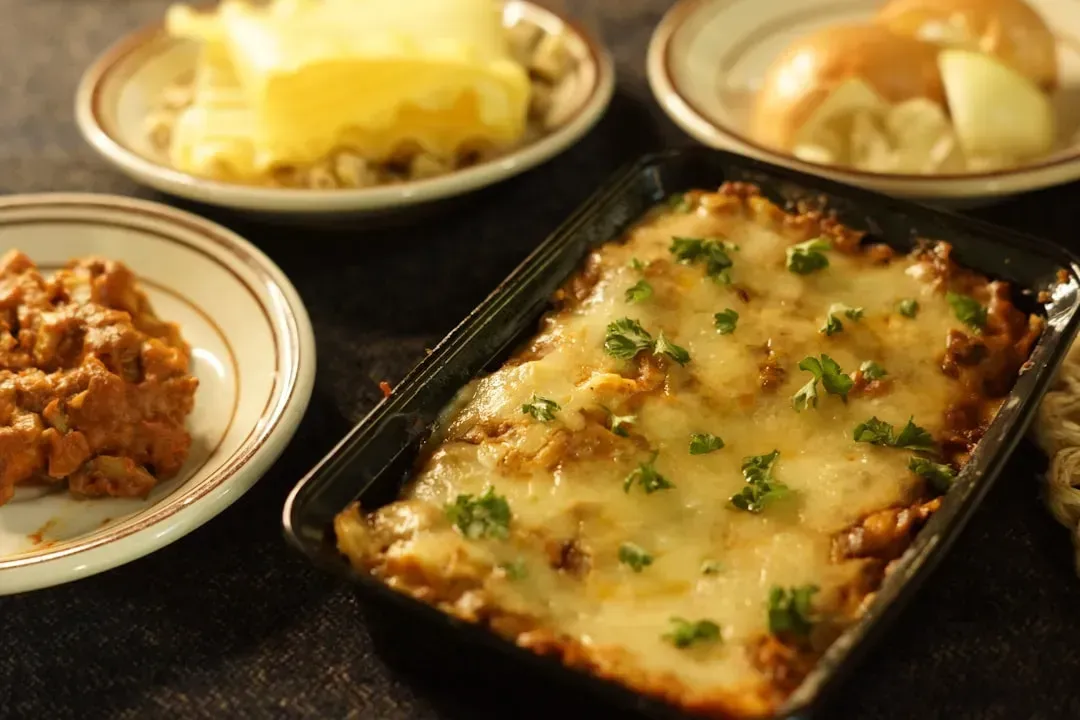
Hamburger Helper and ground beef casseroles (Image Credits: Unsplash)
Hamburger Helper launched in 1971, but it hit its stride through the 1970s and 80s as busy households leaned on it as a weeknight staple. The pitch was simple: brown a pound of ground beef, stir in a boxed pasta or rice mix with a seasoning packet, add water or milk, and dinner was basically done. It fit the era perfectly because ground beef was cheap and widely available, and the boxed mix did the rest of the work.
Variations like Beef Stroganoff, Cheeseburger Macaroni, and Chili Macaroni were among the most requested flavors, and the brand’s mascot, the white glove known as “Lefty” or the Helping Hand, became genuinely recognizable to kids of the decade. Casseroles built around ground beef, canned soup, and pasta followed a similar logic even without the box. The whole approach reflected a broader shift toward one-pan, one-pot meals that could stretch a modest grocery budget across a family of four or five.
TV dinners and the rise of the microwave
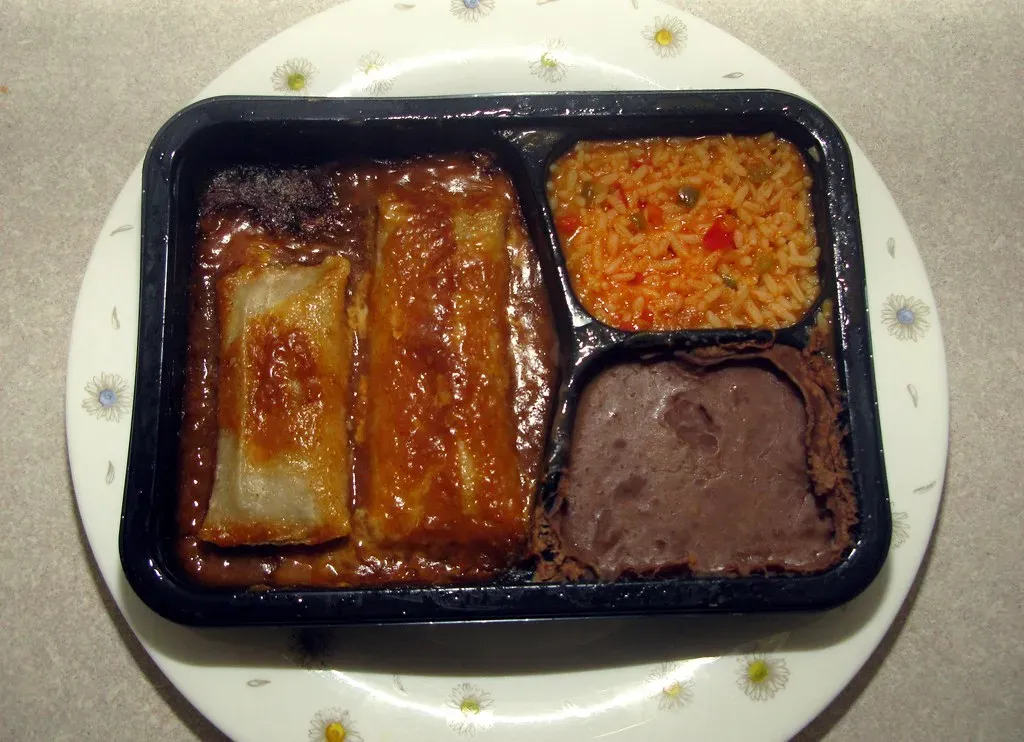
TV dinners and the rise of the microwave (frankieleon, Flickr, <a href="https://creativecommons.org/licenses/by/2.0/" target="_blank" rel="noopener">CC BY 2.0</a>)
Swanson had been selling frozen TV dinners since the 1950s, but the 1980s changed the game because of one appliance: the microwave oven. Microwave ownership in American households climbed dramatically during the decade, moving from a rare novelty to a common kitchen fixture by the late 80s. That shift meant frozen dinners no longer needed thirty or forty minutes in a conventional oven; they could be ready in five.
Brands raced to keep up, and the frozen meal aisle expanded well beyond the original fried chicken and mashed potato trays. Salisbury steak, fried chicken, and turkey dinners with the little compartments for vegetables and dessert became a genuine ritual for a lot of families, especially on nights when parents worked late or kids wanted to eat in front of the television. The compartmentalized tray itself became a piece of design history, something people still recognize instantly even if they haven’t seen one in years.
Spaghetti with jarred or canned sauce
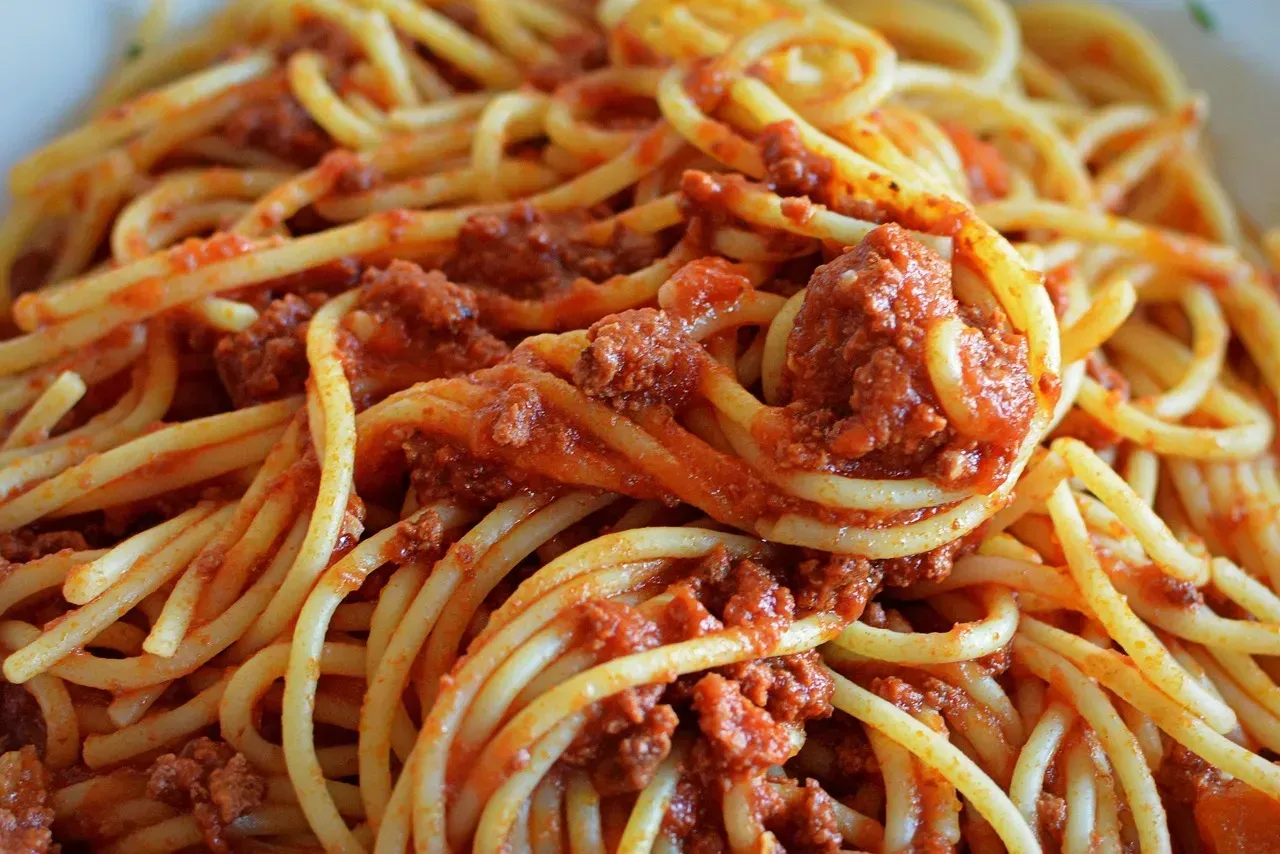
Spaghetti with jarred or canned sauce (Image Credits: Pixabay)
Spaghetti was about as close to a guaranteed weeknight meal as it got in the 80s, largely because it was cheap, kids generally liked it, and it scaled easily for a big family. Ragu and Prego both pushed hard into the jarred sauce market during this period, competing over thickness, chunkiness, and flavor variety in a way that turned grocery store sauce aisles into a real battleground. Before that, plenty of households still relied on canned sauce or a basic homemade version simmered with ground beef.
The meal’s popularity also tracked with how affordable pasta was relative to other proteins, making it a reliable stretch dinner during a decade when inflation and interest rates were squeezing a lot of family budgets. Garlic bread and a jar of grated Parmesan rounded out the table for many households, and the whole meal could be made and served in well under thirty minutes. It’s one of the few 80s staples that never really faded, since spaghetti night is still a common tradition in plenty of homes today.
Why these meals stuck around in memory
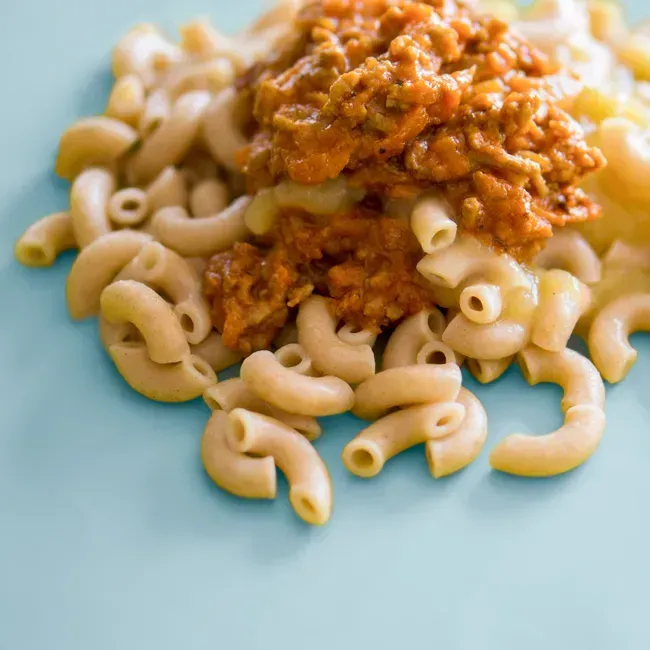
Why these meals stuck around in memory (Image Credits: Pexels)
Part of the reason these three meals loom so large in 80s nostalgia is timing. This was the decade when dual-income households became far more common, and convenience food companies marketed directly to that reality with promises of speed and simplicity. Hamburger Helper, frozen dinners, and jarred pasta sauce all solved the same basic problem: getting food on the table fast without requiring much skill or cleanup.
These meals also benefited from heavy, memorable advertising, particularly on Saturday morning television where kids were a captive audience. Jingles, mascots, and bright packaging created brand loyalty early, and that kind of childhood association tends to stick for decades. It’s part of why so many adults today can still picture the exact TV dinner tray or hear the Hamburger Helper glove in their head without much effort at all.