
There's something about the smell of a casserole baking that can pull you straight back to a kitchen you haven't stood in for decades. The 1950s produced a very specific style of home cooking, shaped by postwar convenience foods, canned goods, and a genuine love of gelatin. These nine dishes were staples on dinner tables across America, and for many of us, they're tied to a specific person, a specific kitchen, and a specific kind of comfort.
1. Jell-O salad with fruit and cottage cheese
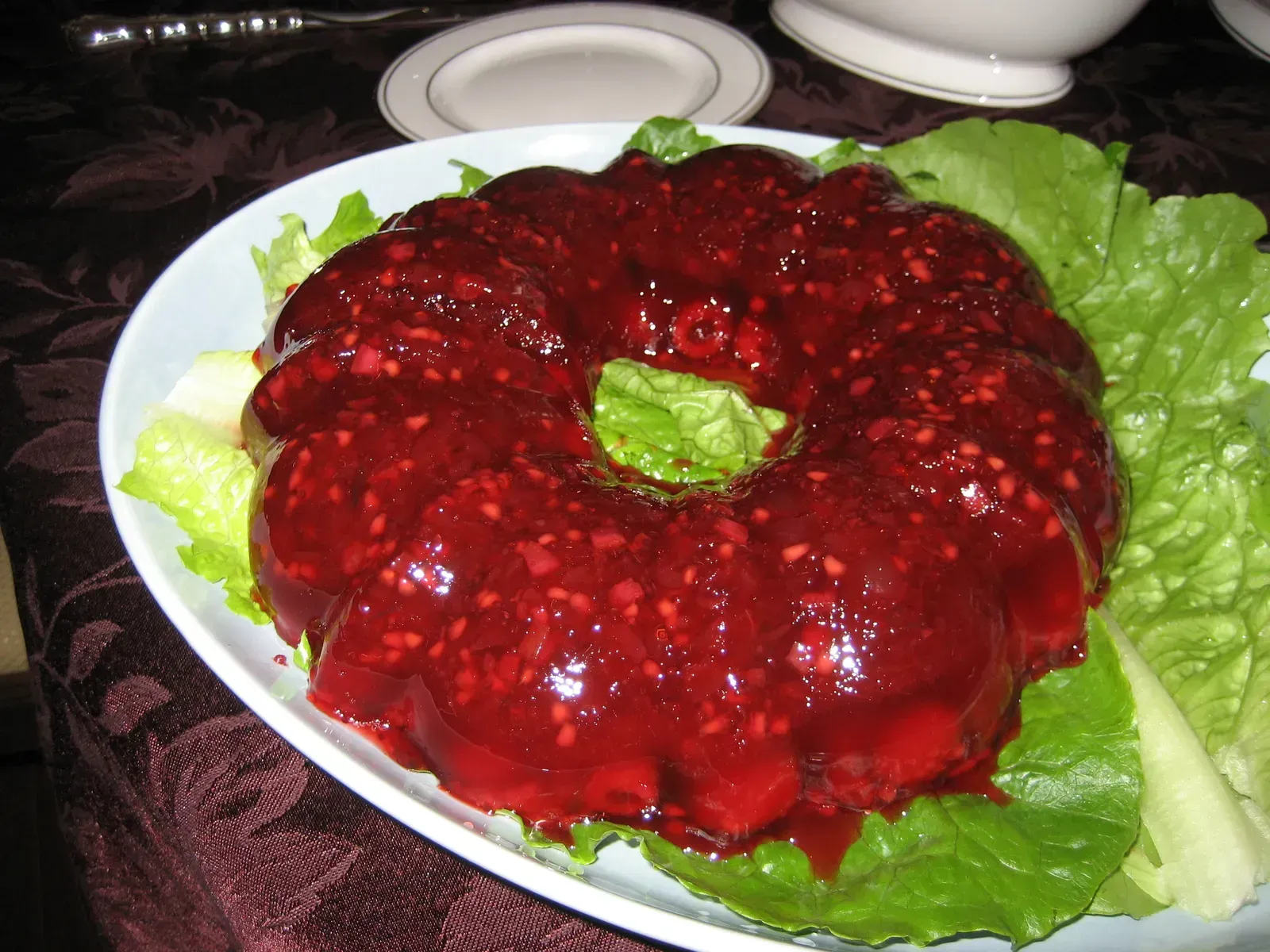
1. Jell-O salad with fruit and cottage cheese (By Shadle, <a href="https://commons.wikimedia.org/w/index.php?curid=4137158" target="_blank" rel="noopener">CC BY-SA 3.0</a>)
Gelatin salads were everywhere in the 1950s, largely because Jell-O had become a kitchen staple after decades of aggressive marketing that positioned it as modern, versatile, and endlessly adaptable. Cooks folded in canned pineapple, mandarin oranges, shredded carrots, or cottage cheese, then set the whole thing in a mold for a dinner party centerpiece. It sat somewhere between a salad and a dessert, which made it perfectly suited to Sunday suppers and church potlucks alike.
What made it memorable wasn’t just the taste but the presentation. Grandmothers took real pride in unmolding a wobbly, jewel toned ring onto a lettuce leaf without it collapsing. It was as much a display of kitchen skill as it was food, and that theatrical quality is part of why so many people remember it so vividly.
2. Tuna noodle casserole
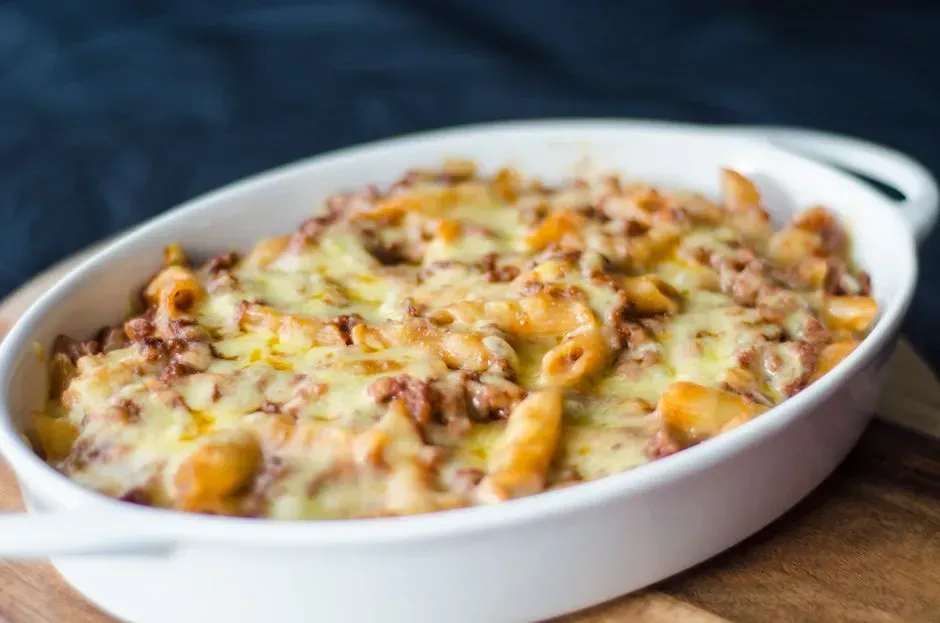
2. Tuna noodle casserole (Image Credits: Pexels)
Few dishes capture postwar American cooking quite like tuna noodle casserole. Canned tuna, canned cream of mushroom soup, egg noodles, and a crunchy topping of crushed potato chips or breadcrumbs came together in one dish that fed a family without much fuss. Campbell’s soup recipes pushed this kind of casserole hard in the 1950s, and it stuck around in home kitchens for generations afterward.
The appeal was practical as much as it was culinary. Canned goods were affordable, shelf stable, and required almost no prep, which mattered to households balancing tighter budgets and busier schedules than earlier generations. It wasn’t fancy, but it was dependable, and dependable food has a way of sticking in memory.
3. Meatloaf with ketchup glaze
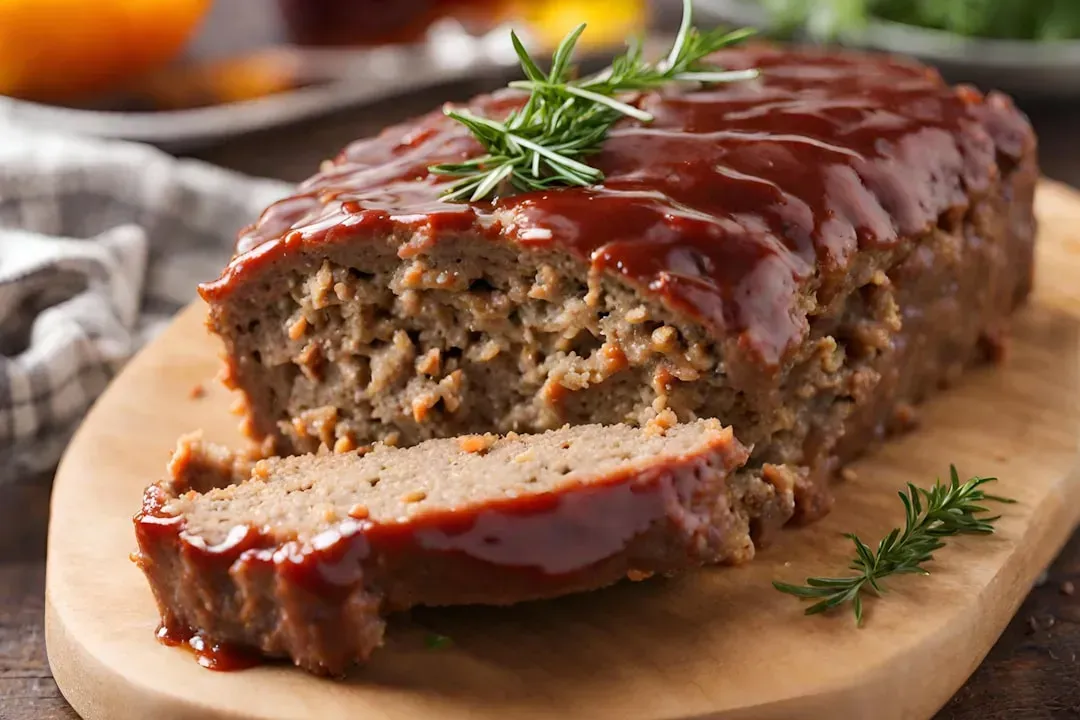
3. Meatloaf with ketchup glaze (Image Credits: Unsplash)
Meatloaf existed long before the 1950s, but the decade gave it its signature look: a loaf pan shape, a glossy ketchup or tomato sauce glaze brushed across the top, and often a hard boiled egg tucked inside for a surprise slice. Ground beef stretched further when mixed with breadcrumbs, onions, and eggs, making it an economical way to feed a family during an era when meat prices still mattered to household budgets.
Recipes for meatloaf appeared constantly in women’s magazines and cookbooks of the period, each with a slightly different twist. Some grandmothers swore by a packet of dry onion soup mix for flavor, others by grated carrots or oats as filler. The glaze on top, sweet and slightly tangy, is often the detail people remember most clearly.
4. Deviled eggs
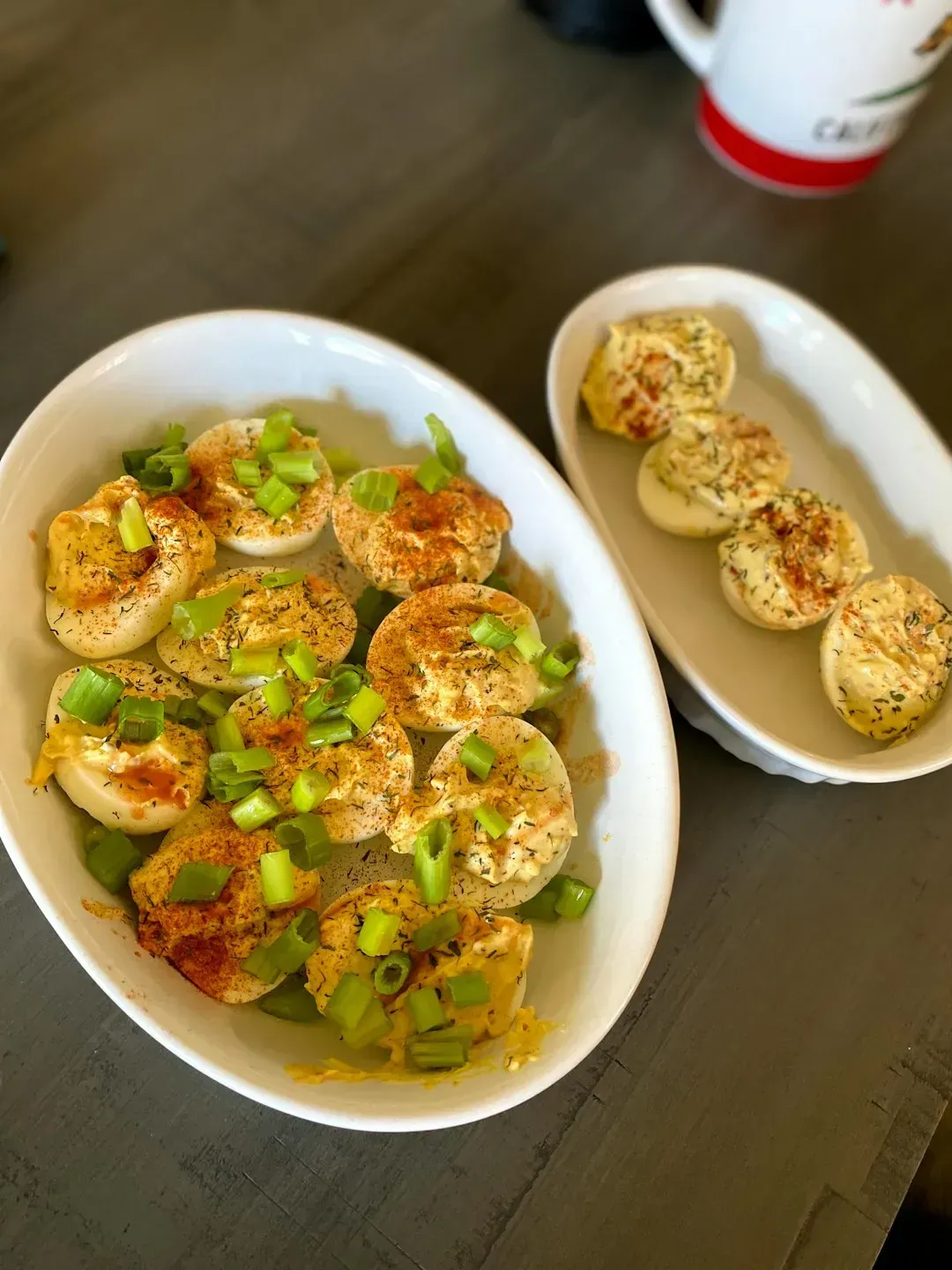
4. Deviled eggs (Image Credits: Unsplash)
Deviled eggs were a fixture of 1950s entertaining, showing up at everything from bridge club luncheons to backyard barbecues. Hard boiled eggs were split, the yolks mashed with mayonnaise and mustard, then piped or spooned back into the whites and finished with a dusting of paprika. They were inexpensive, easy to make in large batches, and looked far more elegant than the effort they required.
Part of the reason they remain so recognizable today is that the basic recipe has barely changed. Modern versions might add bacon, sriracha, or pickle relish, but the core technique grandmothers used is essentially the same one found in cookbooks now. That kind of staying power is rare in food trends, which makes deviled eggs feel less like nostalgia and more like a genuine classic.
5. Chicken à la King
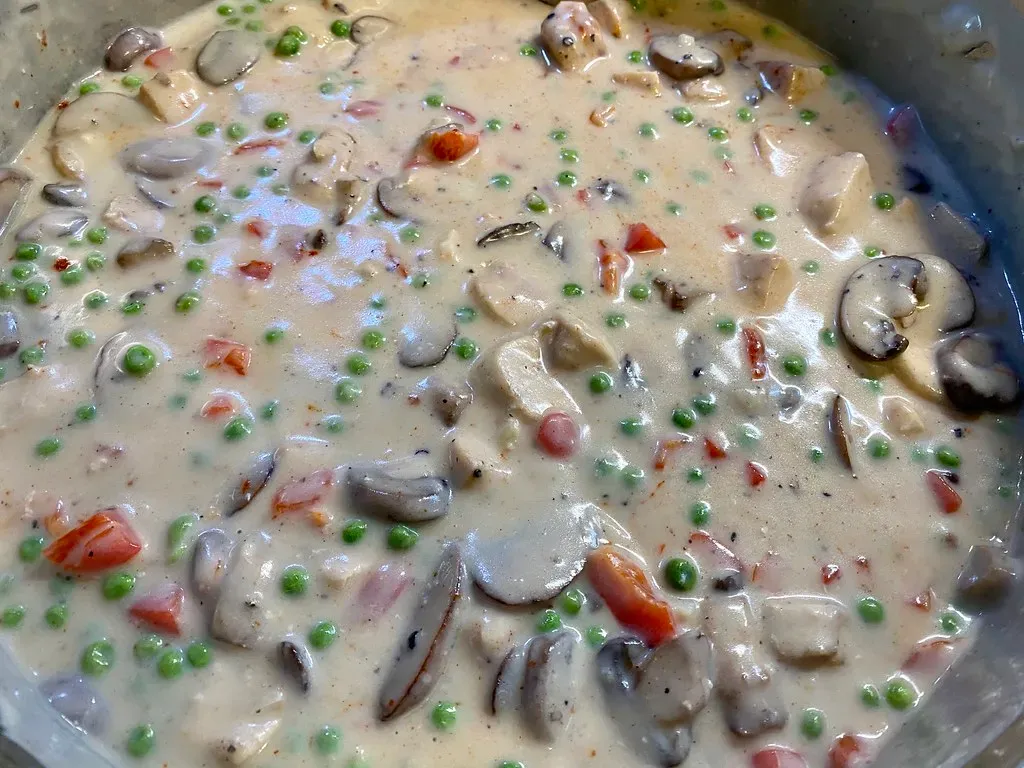
5. Chicken à la King (MattCC716, Flickr, <a href="https://creativecommons.org/licenses/by-sa/2.0/" target="_blank" rel="noopener">CC BY-SA 2.0</a>)
Chicken à la King had actually been around since the late 1800s, but it found a second life in the 1950s as home cooks adapted it for weeknight dinners using canned soup shortcuts. Diced chicken, mushrooms, and pimentos were folded into a creamy sauce and served over rice, noodles, or toasted bread. It had a slightly fancier reputation than other casserole style dishes, which made it a popular choice for company.
The dish also reflected a broader shift in how Americans cooked during the decade. Convenience products like canned cream soups let home cooks recreate restaurant style sauces without the labor of a proper roux or stock. For many families, it was a dish that felt a little special without actually being difficult to prepare.
6. Swedish meatballs
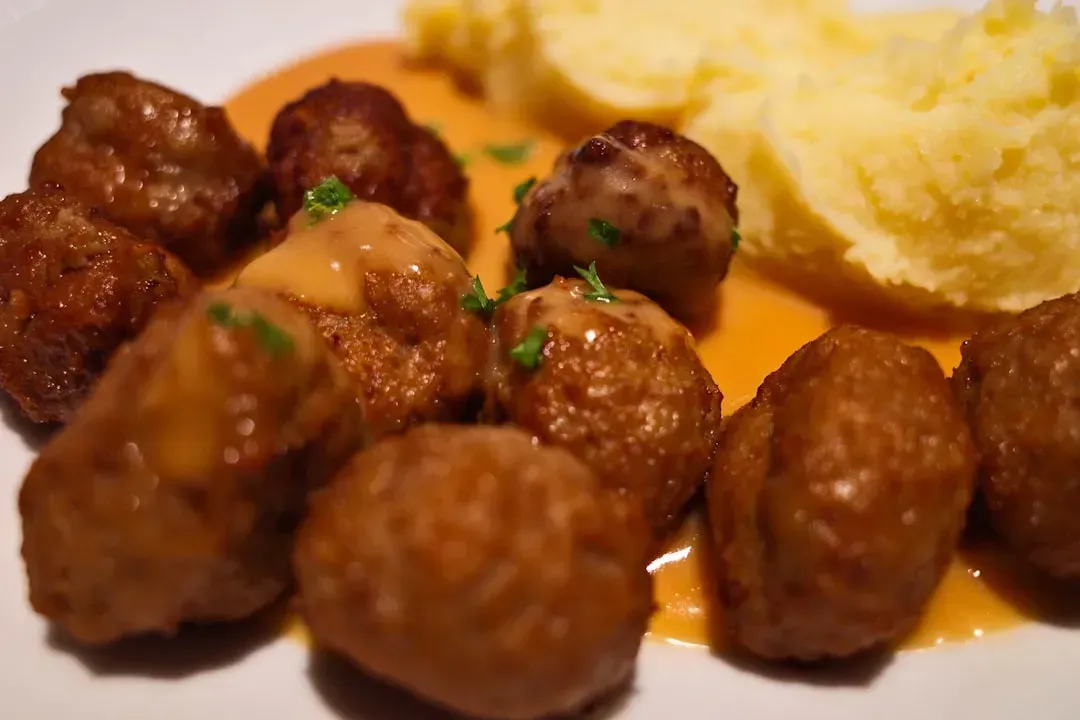
6. Swedish meatballs (Image Credits: Unsplash)
Swedish meatballs became a party staple in the 1950s, often served from a chafing dish with toothpicks at cocktail parties or as a main course over noodles at family dinners. The meatballs themselves were usually a mix of ground beef and pork, seasoned with nutmeg or allspice, then simmered in a creamy gravy. It was a dish that felt a bit worldly at a time when European inspired recipes were gaining popularity in American kitchens.
Frozen and packaged versions eventually made the dish even more accessible, but the homemade version made by hand, rolled one meatball at a time, is what many people remember from childhood. The smell of nutmeg in a cream sauce is one of those specific sensory details that can instantly transport someone back to a grandmother’s kitchen.
7. Ambrosia salad
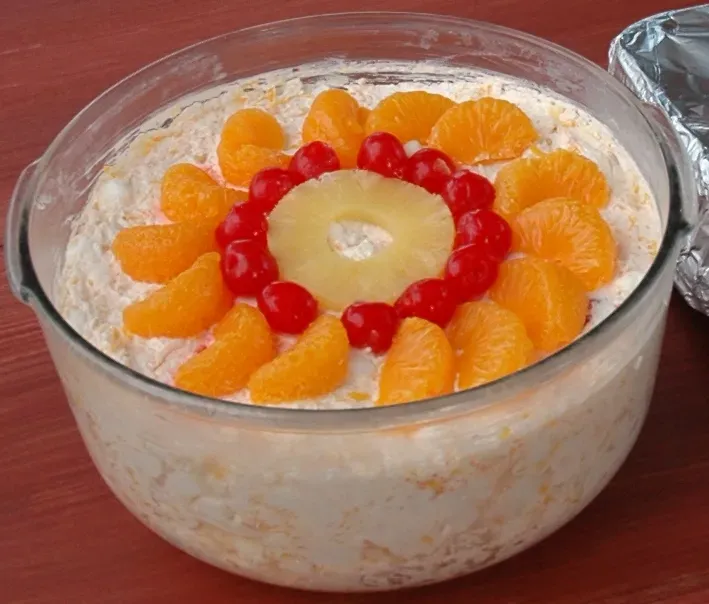
7. Ambrosia salad (By Marshall Astor, <a href="https://commons.wikimedia.org/w/index.php?curid=5858541" target="_blank" rel="noopener">CC BY-SA 2.0</a>)
Ambrosia salad, a mix of canned fruit, coconut, marshmallows, and whipped cream or sour cream, was a holiday table regular throughout the 1950s. It leaned more toward dessert than salad despite the name, and its bright, sweet flavor made it popular with kids and adults alike. Canned mandarin oranges and pineapple made it easy to prepare year round, regardless of what fresh fruit was actually in season.
The dish has southern roots that predate the 1950s by decades, but the postwar era is when canned convenience ingredients made it a truly nationwide phenomenon. Even now, it shows up at Thanksgiving and Christmas gatherings in many families, often prepared from the exact same handwritten recipe card passed down for generations.
8. Beef Stroganoff
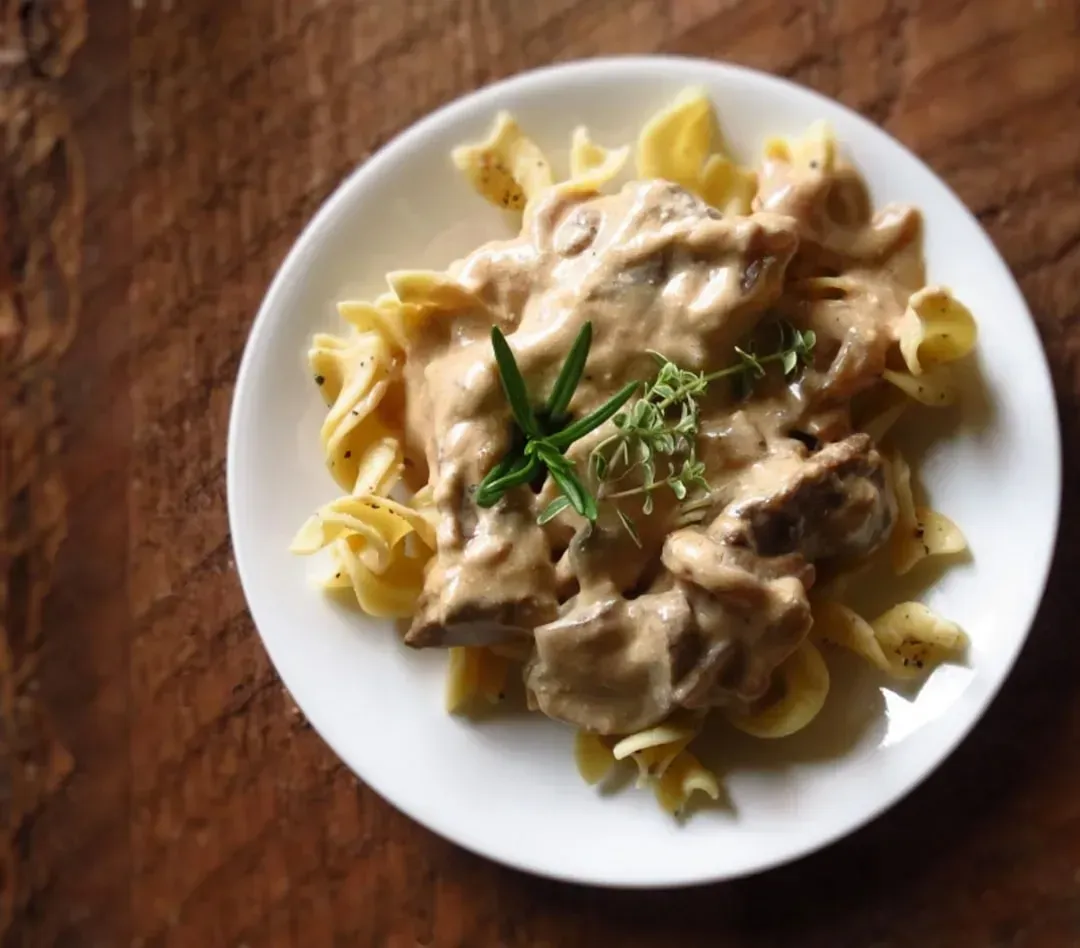
8. Beef Stroganoff (Image Credits: Unsplash)
Beef Stroganoff crossed over into mainstream American cooking during the 1950s, adapted from its Russian origins into something simpler and more accessible for home kitchens. Strips of beef were browned, then simmered in a sauce built from sour cream and often another can of cream of mushroom soup, served over egg noodles. It had an air of sophistication that made it a favorite for dinner parties without requiring restaurant level skill.
Cookbooks and magazines of the era frequently featured simplified Stroganoff recipes, cementing it as a dish nearly every home cook had in their rotation. The tangy richness of the sour cream sauce is a flavor many people associate specifically with meals cooked by an older relative rather than anything found in a restaurant today.
9. Baked ham with pineapple rings
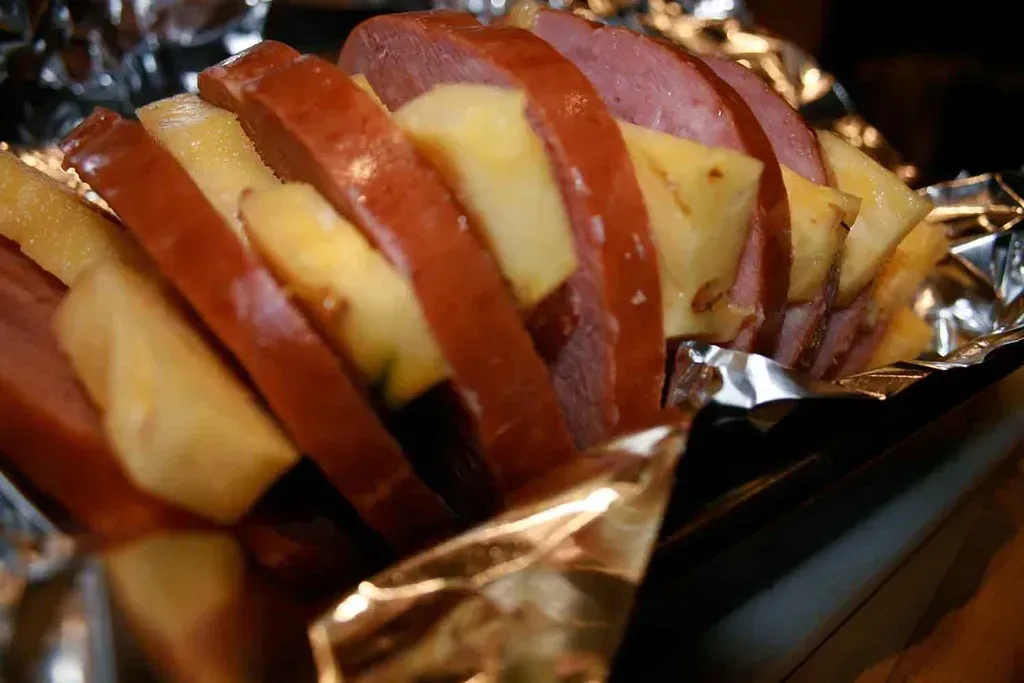
9. Baked ham with pineapple rings (mattymatt, Flickr, <a href="https://creativecommons.org/licenses/by-sa/2.0/" target="_blank" rel="noopener">CC BY-SA 2.0</a>)
A baked ham studded with cloves and topped with pineapple rings and maraschino cherries was a centerpiece dish for Easter, Christmas, and other special occasions throughout the 1950s. The sweet and salty combination, sometimes finished with a brown sugar glaze, became closely associated with the decade’s love of pairing meat with fruit. It was a dish that signaled a special occasion simply by showing up on the table.
This style of ham presentation had actually been promoted for years by canned pineapple producers looking to expand how their product was used in American kitchens. The visual appeal, with neat rings of pineapple pinned in place by cloves or toothpicks, made it as much about presentation as flavor. For many families, it remains the dish most tied to a specific holiday memory, right down to the smell of it baking in the oven all afternoon.