
There’s a certain kind of knowledge that only comes from working under a car. You learn which brands send customers back every few months and which ones stay off the lift for years. The difference isn’t always obvious from a showroom floor, but it becomes very clear in a service bay.
From the perspective of reliability data, repair frequency, and the real cost of long-term ownership, a handful of brands consistently stand apart. These are the four that a mechanic with honest intentions would actually put money toward.
Toyota: The Gold Standard That Still Earns It
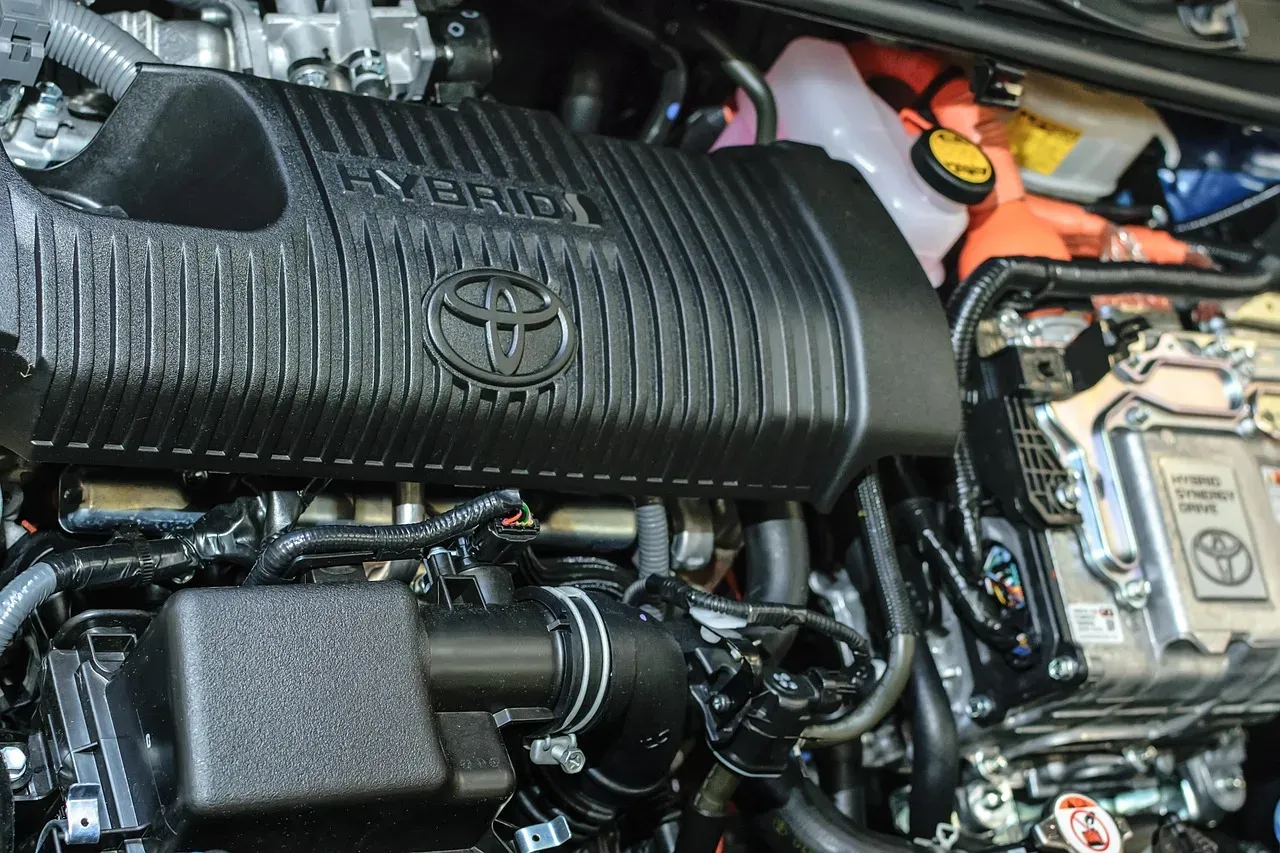
Toyota: The Gold Standard That Still Earns It (Image Credits: Pixabay)
Toyota's dominance in reliability isn't luck. It's philosophy. Toyota avoids radical redesigns, introduces new tech slowly, and over-engineers critical components. That conservatism is sometimes mistaken for a lack of ambition, but it's exactly what keeps these cars running long after the warranty has expired.
According to Consumer Reports' analysis of tens of thousands of owner surveys, Toyota returned to the top spot for 2025, edging out Subaru. Toyota maintains affordable ownership costs, with average annual repair expenses around $440. For a brand that regularly keeps its vehicles on the road well past 200,000 miles, that number is hard to argue with.
Lexus: The Luxury Brand That Actually Makes Financial Sense
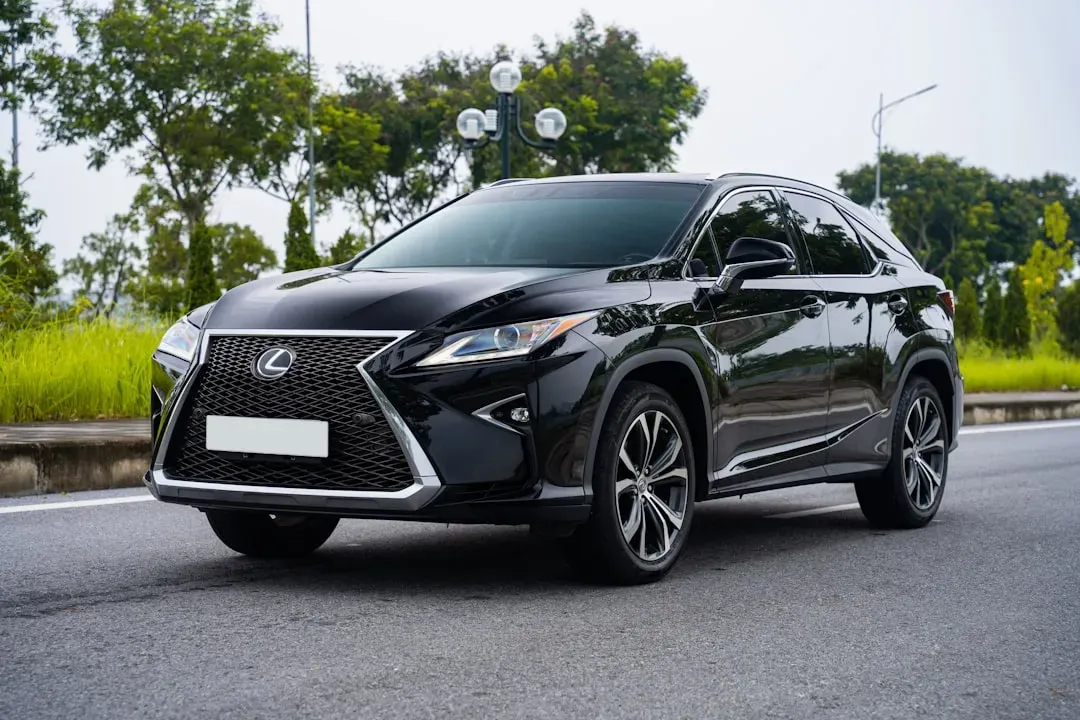
Lexus: The Luxury Brand That Actually Makes Financial Sense (Image Credits: Unsplash)
Lexus ranked number one in J.D. Power's 2025 U.S. Vehicle Dependability Study, ahead of Buick, Mazda, and Toyota. Lexus cars had an average of just 140 problems per 100 vehicles after three years of ownership, compared to the study-wide average of 202 PP100 for all other vehicles. That gap is significant, especially as vehicles age past the three-year warranty window.
RepairPal puts the average annual maintenance cost of a Lexus at just $551 – that's just $110 more than the average for Toyota and cheaper than almost any luxury brand, including BMW ($968), Audi ($987), and Mercedes-Benz ($908). Lexus is the clear winner in the luxury space. It delivers luxury features without the reliability penalty typically associated with European luxury brands.
Mazda: The Underrated Pick That Keeps Surprising People
Mazda: The Underrated Pick That Keeps Surprising People (Image Credits: Unsplash)
While competitors rushed into small turbo engines and complex dual-clutch transmissions, Mazda stuck with naturally aspirated engines, traditional automatics, and simple mechanical layouts. Their Skyactiv engines are now widely regarded as some of the most durable modern engines on the road. Most people don't think of Mazda as a top-tier reliability brand, but the data quietly disagrees.
Mazda earns 4 out of 5 stars for reliability from RepairPal, ranking number 5 out of 32 car brands. J.D. Power also rates Mazda highly for dependability – in its 2025 U.S. Vehicle Dependability Study, Mazda ranked number 3 out of 30 car brands, earning a score of 161 problems per 100 vehicles, which is much better than the study average of 202 PP100. That's a strong result for a brand that rarely gets mentioned in the same breath as Toyota or Honda.
Honda: Engines That Seem Designed to Outlast Everything Else
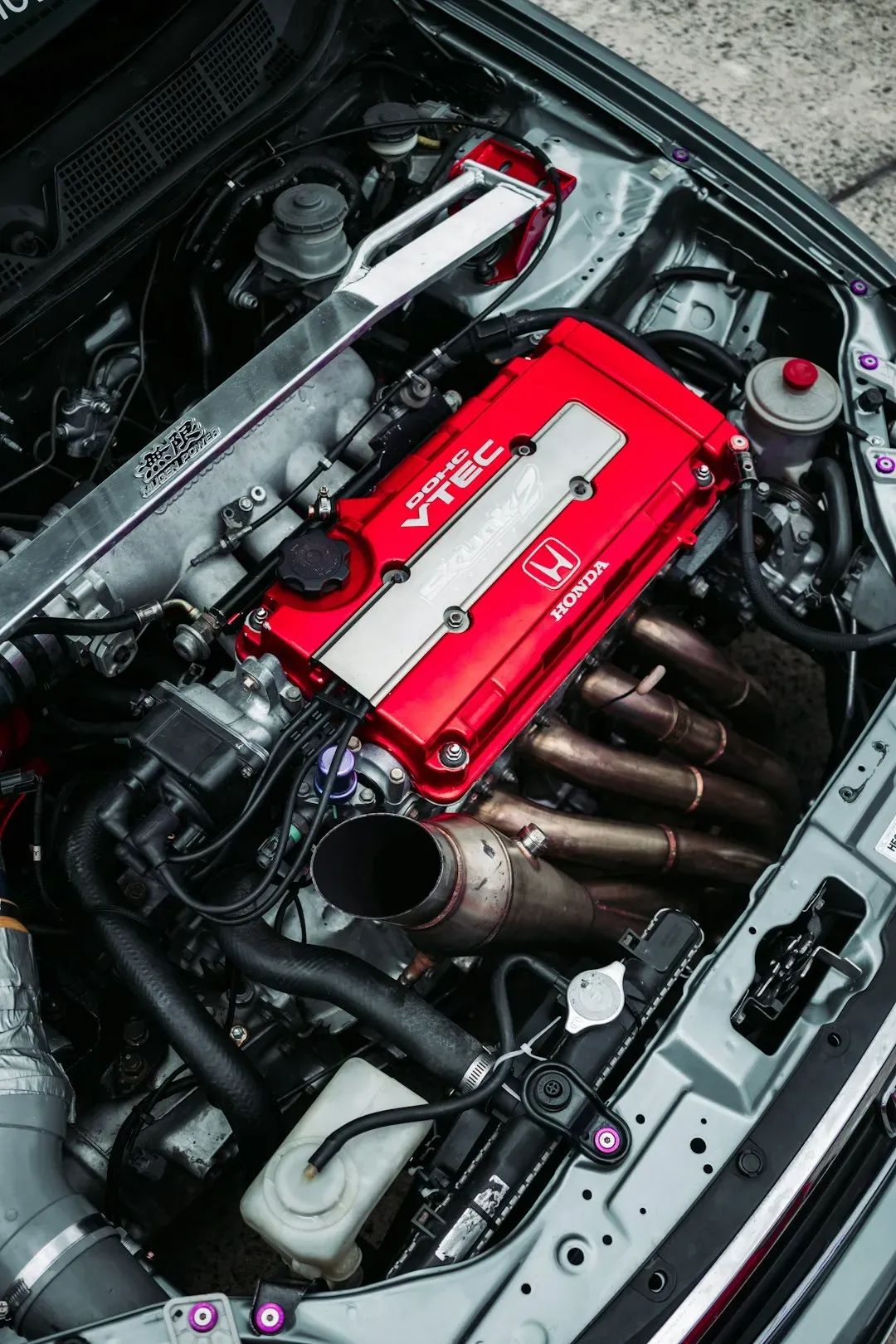
Honda: Engines That Seem Designed to Outlast Everything Else (Image Credits: Unsplash)
Honda built its reputation on engines that seemed physically incapable of dying. While newer models are more complex than older Hondas, the brand still ranks near the top for long-term dependability when properly maintained. Honda engines are efficient, durable, and well-understood by mechanics worldwide. That last point matters more than people realize. Parts are widely available, labor is straightforward, and independent shops can work on them without special dealer tools.
Honda engines are known for their exceptional engineering and long-term durability, and many Honda owners easily surpass 200,000 miles with proper care and without major mechanical issues. Based on independent repair cost data, Honda is cheaper to maintain at an average of $441 per year. The 2025 Consumer Reports rankings confirm what many drivers already know: long-established brands like Toyota, Subaru, Honda, and Lexus continue to lead the industry in dependability.
What These Four Brands Actually Have in Common
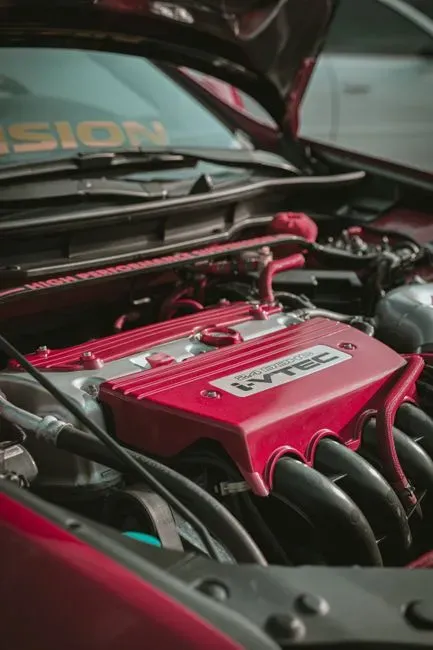
What These Four Brands Actually Have in Common (Image Credits: Pexels)
Mechanics consistently favor Toyota, Lexus, Honda, and Mazda because their engines and transmissions are predictable, parts are widely available, and repairs are straightforward. That combination of predictability and accessibility is what separates a car that's merely reliable from one that's genuinely easy to own over the long term.
By the current landscape, this approach has protected Japanese automakers from the software glitches plaguing rivals. They prioritize carryover mechanical components and well-tested electronics over more futuristic but unstable technologies. This strategy ensures that critical systems like powertrains are under-stressed and engineered for survival, often allowing models from Lexus, Toyota, and Mazda to exceed 200,000 miles with only routine maintenance.
The Practical Reality: What This Means for Your Wallet
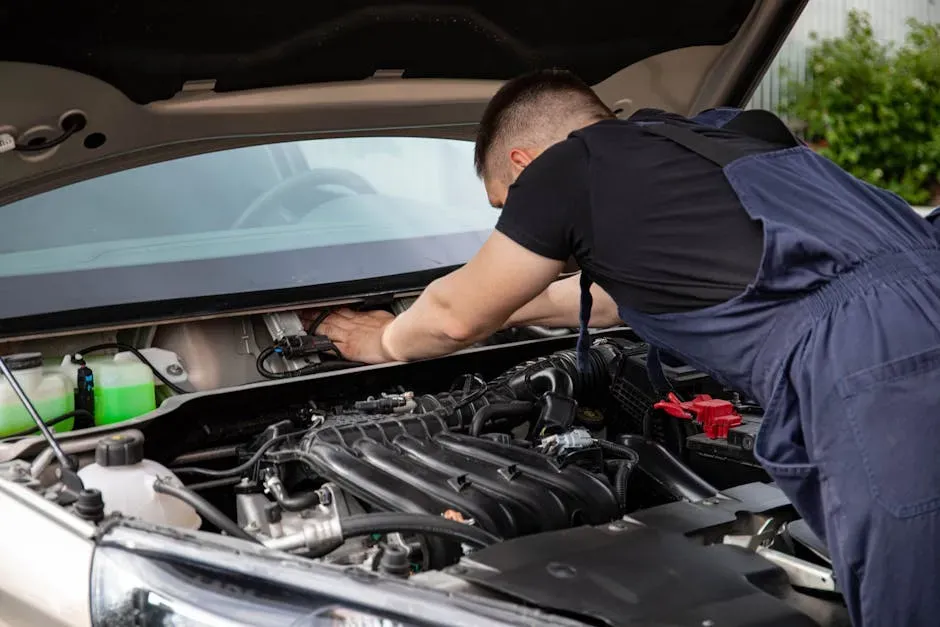
The Practical Reality: What This Means for Your Wallet (Image Credits: Pexels)
With rising repair costs, increasingly complex technology, and longer ownership cycles, drivers want cars that last – and automakers know it. Choosing a brand with a proven track record isn't just about avoiding breakdowns; it's a financial decision that plays out in lower repair bills, better resale values, and fewer unexpected visits to a service bay.
Hybrids continue to lead the way on reliability over combustion-powered models, plug-in hybrids, and battery EVs. Hybrids beat ICE vehicles' scores by roughly fifteen percent on average. All four brands on this list offer strong hybrid lineups, which makes the long-term math even more favorable. The best car to own isn't always the most exciting one on paper – it's the one still running smoothly when everything else has already visited the shop twice.