
Ask anyone under forty about their dating life and you will likely hear a sigh before a sentence. Swipe fatigue, ghosting, and the sense that finding a partner has become a part time job show up constantly in casual conversation. Yet when you pull back and look at the actual numbers from surveys, app earnings reports, and government data, the picture is messier and more interesting than the usual complaints suggest.
The app numbers tell a shrinking story
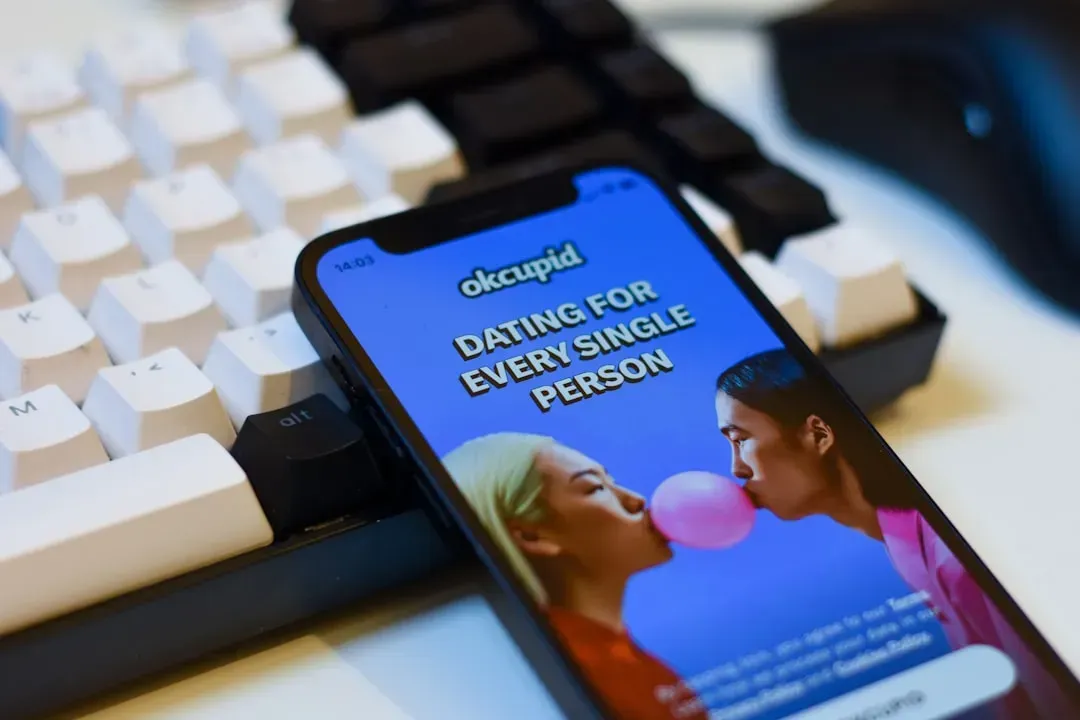
The app numbers tell a shrinking story (Image Credits: Unsplash)
For years, dating apps grew almost without pause, but that streak has broken. Dating apps slumped for the first time in total revenue, dropping slightly to $6.07 billion. Tinder, still the biggest name in the business, has felt this most directly. Tinder alone made approximately $1.9 billion, though its revenue declined 4% year-over-year, the first annual decline in its history.
The drop is not just about money. Tinder sits at 75 million monthly active users and 8.77 million paying subscribers as of Q4 2025, down 8% year over year, with the peak having been Q3 2022 at 11.1 million paying users. Bumble has fared even worse on the paying side, with Bumble’s total paying users dropping 20.5% in Q4 2025 to 3.3 million. People have not abandoned dating entirely. They are simply spending less money and, as later data shows, less time inside these platforms than before.
Burnout has become a measurable trend, not just a vibe
Burnout has become a measurable trend, not just a vibe (Image Credits: Unsplash)
Complaints about exhaustion used to sound anecdotal. Now they show up in formal survey data with striking consistency. Gen Z is done with dating apps, and more than half of the generation feels burned out often or always while using them, according to a July 2025 Forbes Health survey, the highest rate of any age group.
Some surveys put the number even higher. A health survey by Forbes found 79 percent of Gen Zers report experiencing dating app burnout, with many turning to alternative ways to find love including matchmaking. Interestingly, within Gen Z, young women are more likely to experience unwanted behaviors like unsolicited images and contact while using dating apps, which perhaps contributes to their dating burnout and exodus. The exhaustion is not evenly distributed. It lands harder on the group that is, at the same time, most active on these platforms.
Fewer people are single than a few years ago
Fewer people are single than a few years ago (Image Credits: Pexels)
Here is where the data cuts against the popular narrative. In 2023, 42% of adults were unpartnered, down from 44% in 2019, according to a Pew Research Center analysis of Census Bureau data, and the share of adults who were married increased from 50% to 51% from 2019 to 2023. That is a real reversal after two decades of the opposite trend.
Researcher Richard Fry, who led the analysis, described the shift plainly. “Singledom has peaked,” Dr. Richard Fry, a labor economist who conducted the survey and has worked as a research analyst for Pew for 23 years, told CBS News. Notably, the decline since 2019 in the share of adults who are unpartnered has occurred across all age groups, meaning this is not just an older-generation story. It touches young adults too, even as their app experiences sound rougher than ever.
Marriage is rarer overall, but breakups are too
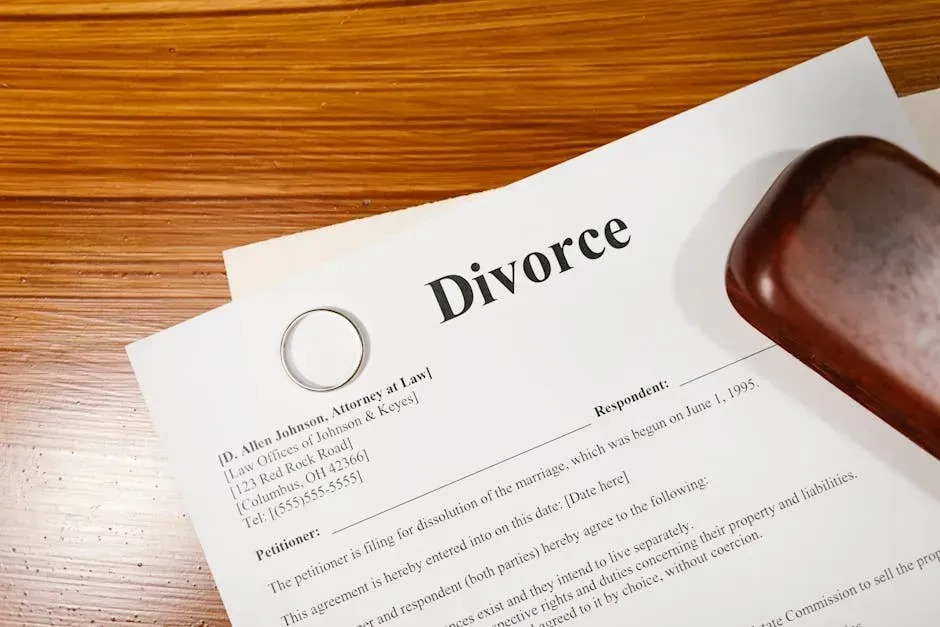
Marriage is rarer overall, but breakups are too (Image Credits: Pexels)
Long term structural trends still point downward for marriage. In 2024, US adults were less likely to be married than at almost any point since the Census Bureau began tracking marital status in 1940. And at the most recent count, in 2024, the share of married households was only 47.1%, slightly above the all-time low of 46.8% recorded in 2022.
What softens this picture is the divorce side of the ledger. The US is also seeing fewer separations, with the number of divorces per 1,000 married women plummeting to 14.4 in 2023, down from its 1980 peak of 22.6. The Census data backs this up further, showing that data does not show an uptick in the rate of new marriages, but it does show fewer divorces. People are not necessarily rushing to the altar, but the ones who do marry appear to be staying married more often than in past decades.
The price tag of modern dating has grown noticeably
The price tag of modern dating has grown noticeably (Image Credits: Unsplash)
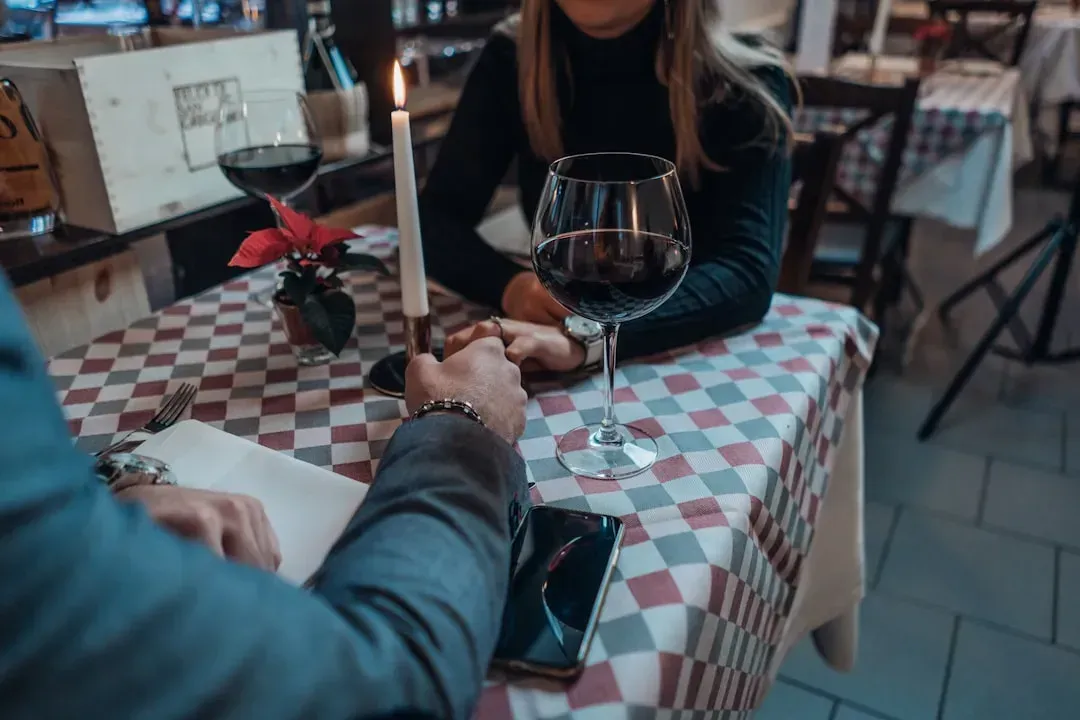
Money rarely gets enough credit in conversations about why dating feels harder, yet it matters. According to Forbes Health’s summary of Match’s Singles in America research, dating is expensive, with the average cost being $213 per month and active daters spending over $300 per month. That is a real monthly line item for people who are already navigating rent, groceries, and student debt.
Time is the other hidden cost. To put this in perspective, 51 minutes per day adds up to roughly 310 hours per year, nearly 13 full days spent swiping, messaging, and browsing profiles annually. Combine the financial and time costs and it becomes easier to understand why so many daters describe the process as draining even before a first date happens.
Safety concerns remain a real, well documented barrier
Safety concerns remain a real, well documented barrier (Image Credits: Pexels)
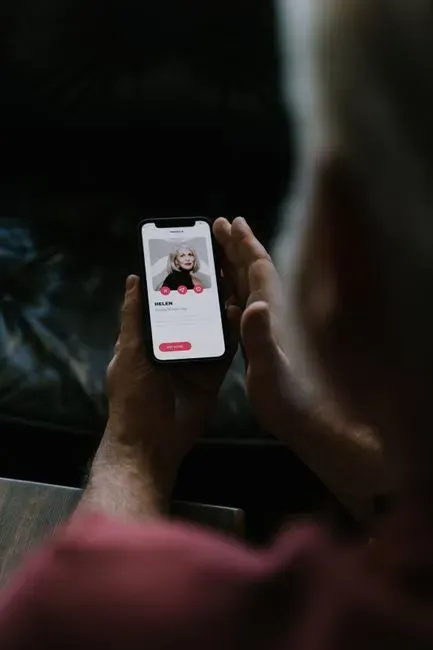
Safety is not a fringe worry. It shows up consistently in national survey data. Pew Research found that 48% of online daters have experienced at least one form of unwanted behavior on a dating platform. Women bear a disproportionate share of this burden.
The gap by gender is stark. Among women under 50 who have used dating apps, 56% have been sent unwanted sexually explicit content, according to the same Pew data. Fraud adds another layer of risk entirely separate from harassment. The FBI recorded nearly 18,000 confidence and romance fraud complaints in 2024, totaling $672 million in losses. These are not abstract statistics. They are lived experiences that shape whether people feel safe continuing to date online at all.
The gender gap in who wants what has widened

The gender gap in who wants what has widened (Image Credits: Unsplash)
One of the more overlooked shifts is that men and women are not drifting apart from dating at the same pace. Some 42% of single Americans say they’re looking for a committed romantic relationship and/or casual dates, down from 49% in 2019, and this drop is largely driven by single men, who are now 11 percentage points less likely than in 2019 to say they are looking for a committed relationship and/or casual dates.
Women’s interest in dating, by contrast, has barely moved. During the same time frame, there has been no significant change in the share of single women who are looking for a relationship or casual dates, with 35% saying this in 2022 compared with 38% in 2019. Meanwhile, expectations among women who are dating have hardened rather than softened. Bumble’s 2025 survey shows that 64% of women are refusing to settle for less than they want and need. Put together, this suggests the dating pool has not just shrunk. It has become more selective on one side and more withdrawn on the other.
People are going back outside to meet each other
People are going back outside to meet each other (Image Credits: Pexels)
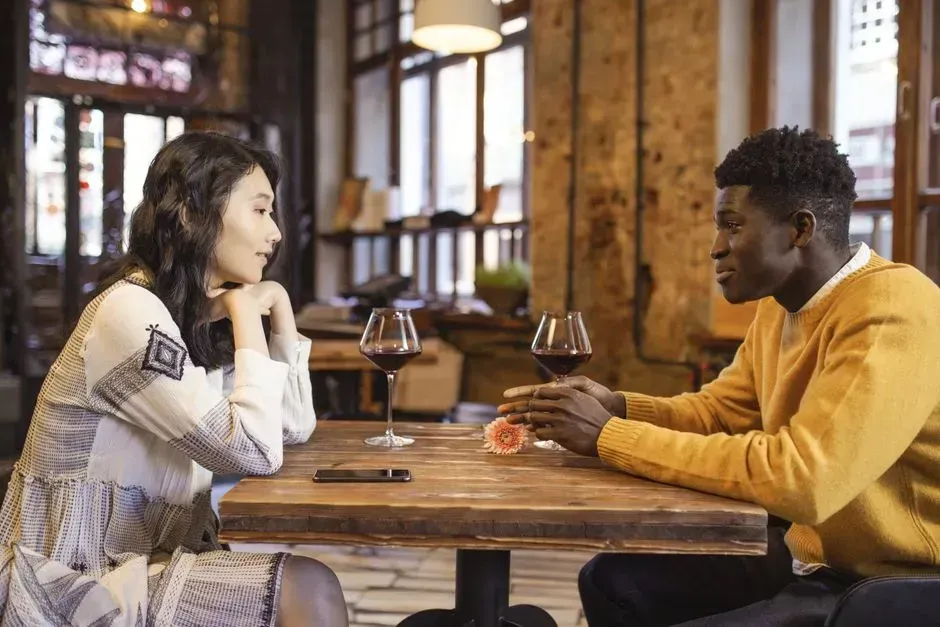
As app fatigue has grown, so has interest in decidedly analog alternatives. According to a report by Eventbrite, there was a 42% increase in attendees for singles mixers and in-person dating events between 2023 and 2024, which has accelerated in 2025 and 2026. Matchmaking, once seen as an old fashioned last resort, has found new life among younger clients.
Even the apps themselves are noticing the shift and responding to it. Dating app giant Hinge has set aside $1 million to facilitate in-person dating events to combat the US’s ongoing loneliness epidemic, with money going to a social fund sponsoring groups developing fresh, free or low-cost, and recurring in-person connection opportunities for young adults. That an app built entirely around digital matching is now funding face to face meetups says something about where user demand is actually heading.
What actually works looks different by platform
What actually works looks different by platform (Image Credits: Pixabay)
Not every app produces the same outcomes, and the differences are measurable. According to The Knot’s 2025 Real Weddings Study, 36% of dating-app marriages started on Hinge, more than Tinder or Bumble. Hinge’s growth reflects this reputation. Hinge has grown from 23 million total users in 2022 to 32 million in 2026, making it the fastest-growing major dating app in the Western market.
Even so, most experiences on any platform end without a relationship. About 12% of U.S. online daters report ending up in a committed relationship or marriage with someone they met through a dating app, and on Hinge, roughly 14% of matches convert to a first date. Still, the overall sentiment is not entirely bleak. 53% of online daters describe their overall experience as positive. The data suggests dating apps are neither the disaster nor the miracle solution that public discourse often makes them out to be.
Final thoughts
Final thoughts (Image Credits: Unsplash)
The honest answer to whether dating is getting harder is that it depends on which slice of the data you look at. App usage, spending, and trust are all sliding, and burnout numbers among young adults are genuinely high. Yet fewer Americans are unpartnered than five years ago, divorce rates keep falling, and platforms like Hinge are actually growing by leaning into real outcomes rather than endless swiping.
What seems to be happening is not that dating itself has become impossible, but that the tools built to simplify it have started working against their original purpose. People are adjusting by stepping back from apps, showing up at in-person events again, and getting pickier about where they invest their time. That is not a crisis. It looks more like a course correction still in progress.