
Over a decade of sitting in living rooms, school offices, and therapy waiting areas, I’ve watched the same patterns show up again and again in families under pressure. The habits that quietly wreck a household’s peace rarely look dramatic from the outside. They’re small, repeated choices that pile up until everyone in the house feels tense without quite knowing why.
What follows isn’t a list of parenting failures. It’s a set of ordinary behaviors that research and clinical experience both point to as reliable stress generators, along with why they matter more than most families realize.
1. Constantly checking phones during family time

1. Constantly checking phones during family time (Image Credits: Unsplash)
Technoference, the term researchers use for tech interrupting face-to-face interaction, has become one of the most studied sources of modern family friction. Studies from developmental psychologists have linked frequent parental phone use during meals and playtime to increased child behavioral issues and weaker emotional connection. Kids notice when a parent's attention splits mid-sentence, and they tend to escalate behavior to win it back.
The stress doesn't stay contained to the child either. Partners report feeling sidelined too, which turns dinner tables into low-grade battlegrounds over whose attention belongs where. The fix isn't dramatic; it's usually just naming specific phone-free windows and actually holding them.
2. Overscheduling every hour of the week
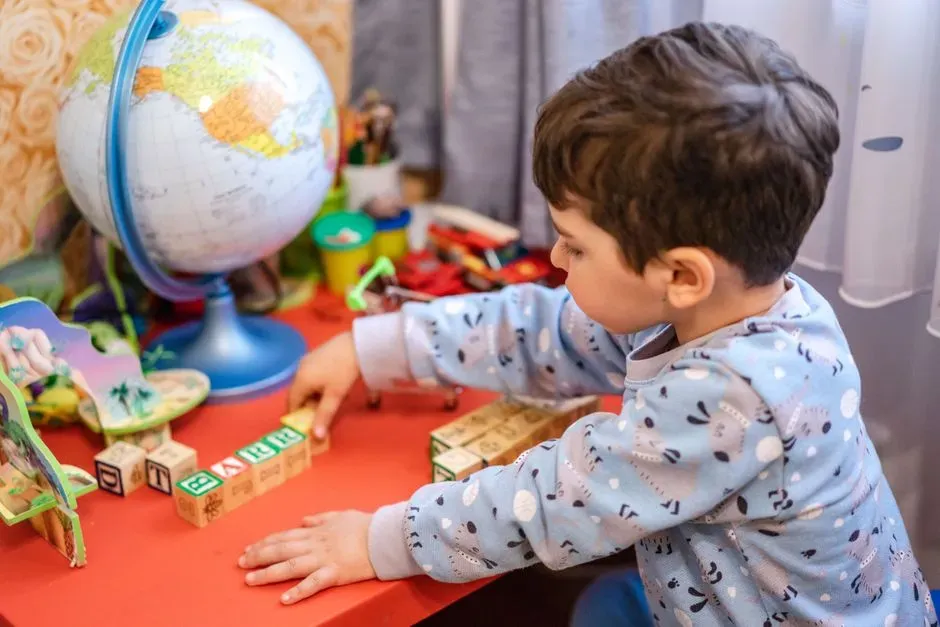
2. Overscheduling every hour of the week (Image Credits: Pexels)
Packed calendars filled with tutoring, travel sports, and enrichment classes have become a quiet status symbol in many communities. Pediatric researchers have repeatedly flagged that unstructured downtime is essential for children's stress regulation and creativity, yet it's often the first thing cut when schedules fill up. Families running on back-to-back activities frequently report higher household tension, largely because there's no buffer time to recover from friction.
Parents feel it too, shuttling between practices and lessons with barely a moment to check in with each other. The irony is that many of these activities are chosen with good intentions, meant to give kids opportunities, but the cumulative effect can undermine the very wellbeing they're meant to support.
3. Using guilt or shame as discipline
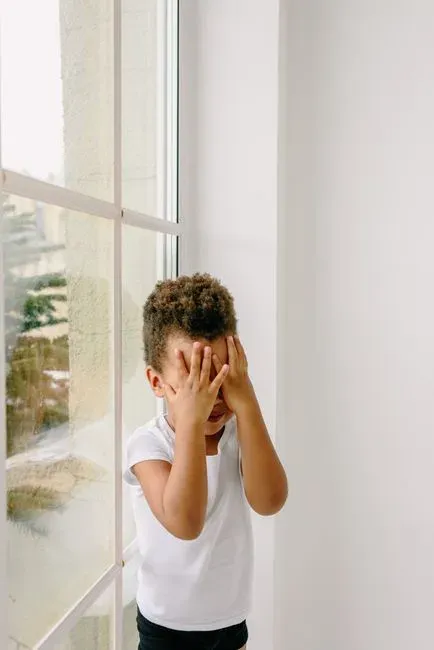
3. Using guilt or shame as discipline (Image Credits: Pexels)
Phrases like "you're so lazy" or "I'm so disappointed in you" might feel like quick correctives in a heated moment, but child psychologists consistently warn that shame-based discipline damages long-term self-esteem more than it changes behavior. It tends to produce short-term compliance paired with long-term resentment or anxiety. Children raised with frequent shaming often internalize the message that their worth is conditional, which follows them well into adulthood.
This habit is especially sticky because it's often inherited. Many parents default to guilt-based language simply because that's what they heard growing up, without realizing there are more effective, less corrosive ways to set limits and consequences.
4. Avoiding conflict instead of addressing it

4. Avoiding conflict instead of addressing it (Image Credits: Unsplash)
Some families operate under an unspoken rule that disagreements should be smoothed over rather than worked through. This looks peaceful on the surface, but unresolved tension has a way of resurfacing sideways, through irritability, passive aggression, or sudden blowups over unrelated issues. Family therapists often note that households avoiding direct conflict tend to have more chronic, low-grade stress than those who argue occasionally but resolve things.
Kids absorb this pattern quickly. They learn either to suppress their own frustrations or to act them out indirectly, and both responses tend to increase household anxiety rather than reduce it over time.
5. Comparing siblings or comparing kids to peers

5. Comparing siblings or comparing kids to peers (Image Credits: Pexels)
"Why can't you be more like your sister" is a sentence many adults still remember verbatim decades later. Comparative statements, even when meant to motivate, reliably damage sibling relationships and self-image according to family dynamics research. They create a scarcity mindset within the home, where love and approval feel like limited resources kids have to compete for.
The stress this generates is often invisible to the parent making the comparison, since it's usually said in passing. For the child on the receiving end, though, it can become a defining narrative about their place in the family.
6. Inconsistent rules and follow-through

6. Inconsistent rules and follow-through (Image Credits: Pixabay)
Children thrive on predictability, and households where rules shift depending on mood, energy level, or which parent is present tend to generate more anxiety, not less. Behavioral researchers have long identified consistency as one of the strongest predictors of lower child stress and better emotional regulation. When consequences are unpredictable, kids spend energy testing boundaries rather than trusting them.
This habit often stems from exhaustion rather than negligence. Enforcing a rule takes more energy than letting it slide, so tired parents unintentionally create inconsistency simply by running low on bandwidth, which then compounds the household's overall stress load.
7. Neglecting the parents' own relationship or wellbeing

7. Neglecting the parents' own relationship or wellbeing (Image Credits: Unsplash)
It's common for couples to pour every resource into the children's needs while letting their own relationship or individual mental health quietly deteriorate. Family systems theory has consistently shown that parental stress and marital tension trickle down to children almost immediately, even when parents believe they're hiding it well. Kids are remarkably attuned to shifts in household emotional temperature, often before anyone says a word.
This habit is easy to justify because it looks selfless. In practice, a parent running on empty or a couple avoiding their own issues tends to create more household instability than one that carves out even small amounts of time for connection and rest.
8. Withholding praise or only praising outcomes

8. Withholding praise or only praising outcomes (Image Credits: Unsplash)
Some parents worry that too much praise will spoil a child, so they reserve it strictly for big wins, grades, trophies, or achievements. Research on growth mindset and motivation suggests this approach backfires, teaching kids that their value is tied to performance rather than effort or character. Children raised this way often become more anxious about failure and less willing to take risks.
The stress compounds over time, especially as academic and social pressures increase during adolescence. Families that shift toward acknowledging effort and process, rather than only results, tend to report calmer households and kids who handle setbacks with more resilience.
These eight habits share a common thread: none of them are rooted in bad intentions. They're coping mechanisms, inherited patterns, or simple byproducts of exhaustion that quietly compound into household tension over months and years. Recognizing them is the first practical step toward loosening their grip.