
Every parent has heard the reassuring line: "Your child was an absolute angel." And it's usually true, at least on the surface. But child development experts have long noted that kids, even the calm and cooperative ones, treat a new babysitter like a fresh set of rules waiting to be discovered. It's not defiance so much as curiosity, a quiet experiment to see what actually holds when Mom or Dad isn't the one enforcing it.
This kind of boundary testing is developmentally normal and rarely a sign of bad behavior. It's simply how children figure out where consistency ends and flexibility begins with someone new.
1. Bedtime, down to the exact minute

1. Bedtime, down to the exact minute (Image Credits: Pexels)
Bedtime is often the very first boundary a child probes with a new sitter, because it’s the one rule most tied to daily routine and most visible from a kid’s perspective. A child might ask for “just five more minutes” or claim they’re allowed to stay up later than they actually are, testing whether the sitter will check the posted schedule or simply take their word for it.
Pediatric sleep specialists consistently point out that consistent bedtimes support better sleep quality and mood regulation in young children, which is exactly why kids sense how much this particular rule matters. A sitter who holds firm, even gently, often finds the negotiation stops fairly quickly once the child realizes the boundary isn’t moving.
2. Screen time limits

2. Screen time limits (Image Credits: Pexels)
Few boundaries get tested faster than how much tablet, television, or phone time is allowed. Children often claim they’re permitted unlimited screen access, or that a specific show or app is a special exception just for that day, hoping the sitter has no way to verify it.
The American Academy of Pediatrics has published screen time guidance for years, recommending limits appropriate to a child’s age, which many families use as the backbone of their own household rules. A new sitter without access to the family’s usual guidelines may unknowingly let a child push well past what’s typical, simply because there was no clear number given in advance.
3. What counts as an acceptable snack
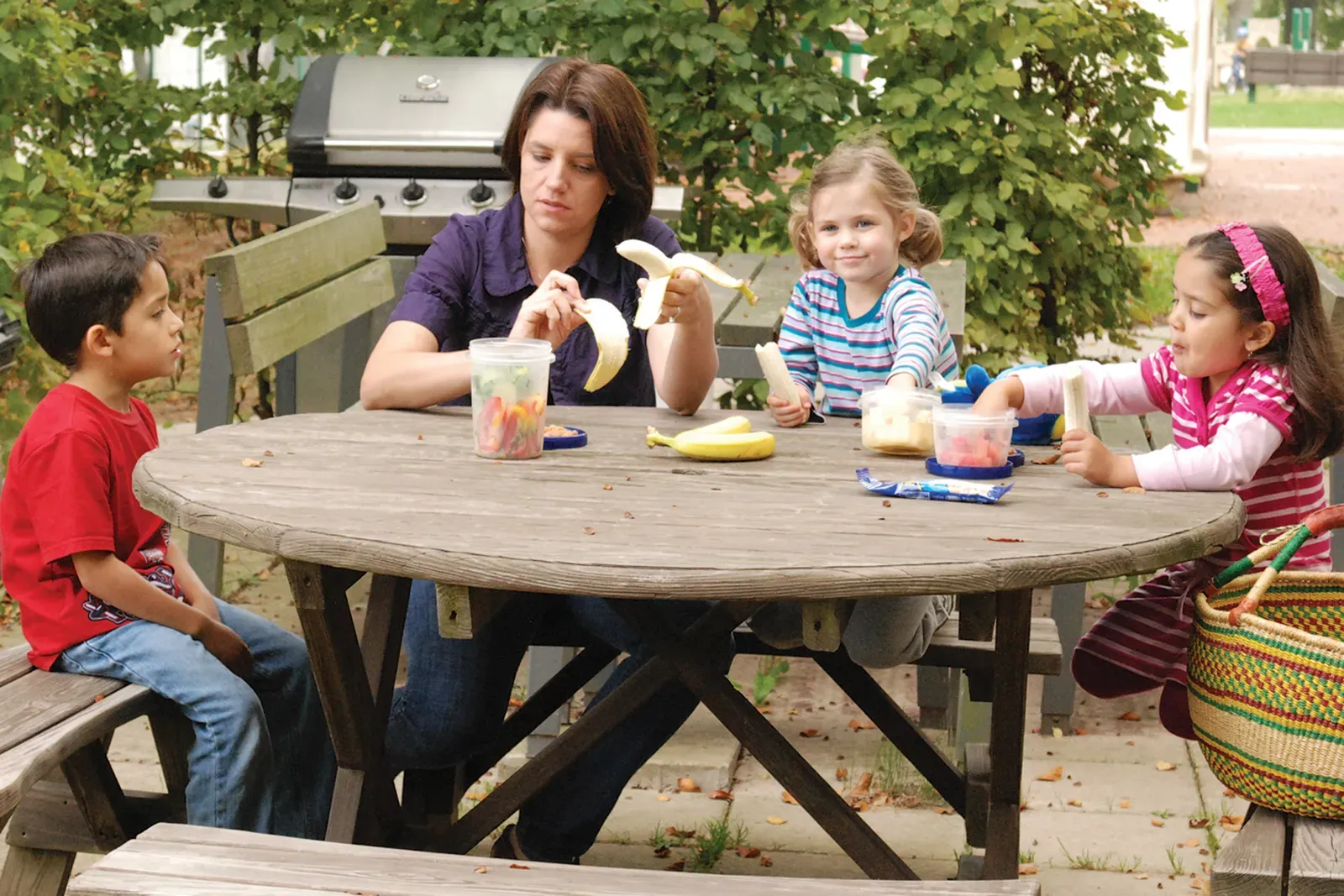
3. What counts as an acceptable snack (United States Army, <a href="https://commons.wikimedia.org/w/index.php?curid=8261714" target="_blank" rel="noopener">Public domain</a>)
Snack negotiations are a classic testing ground because food feels like an easy area to reinterpret. A child might insist they’re always allowed candy before dinner or that a particular treat is actually a fruit-adjacent snack in their house’s rulebook.
This kind of testing tends to be harmless and short lived, especially once a sitter simply asks a clarifying question rather than guessing. Most children respond well to a calm, neutral tone rather than a flat refusal, since the goal was curiosity, not conflict.
4. Whether "please" and "thank you" are optional

4. Whether "please" and "thank you" are optional (Image Credits: Pexels)
Manners often slip first with someone new, not because a child forgets them, but because they’re testing whether politeness is actually required or just something parents insist on. A child who normally says please without thinking twice might suddenly go quiet on it, watching to see if the sitter lets it pass.
Behavioral researchers who study early childhood social norms often describe this as a low-stakes way for kids to explore authority without real risk. It rarely reflects disrespect toward the sitter specifically; it’s closer to a small social experiment.
5. How loud is too loud indoors
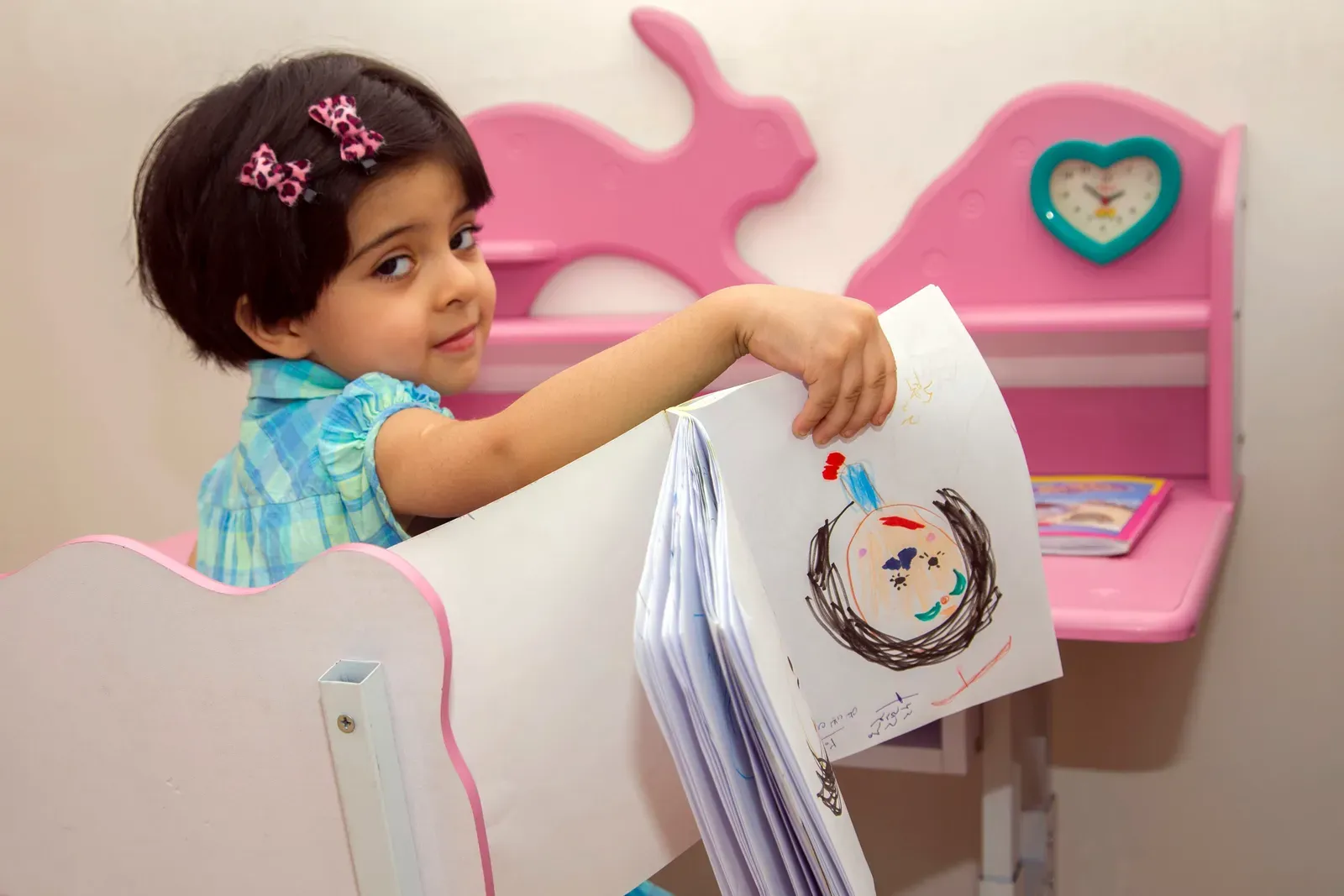
5. How loud is too loud indoors (By Mostafameraji, <a href="https://commons.wikimedia.org/w/index.php?curid=68597486" target="_blank" rel="noopener">CC BY-SA 4.0</a>)
Volume control is one of those boundaries that varies wildly from household to household, so kids naturally wonder if a new sitter’s threshold matches their parents’ or not. Shouting, running commentary during play, or turning up music louder than usual are common ways this gets tested.
Because noise tolerance is subjective, sitters often find it easier to set a clear, simple rule early rather than reacting only once it becomes disruptive. Kids tend to settle into whatever volume level gets consistently and calmly redirected.
6. Whether toys need to be put away
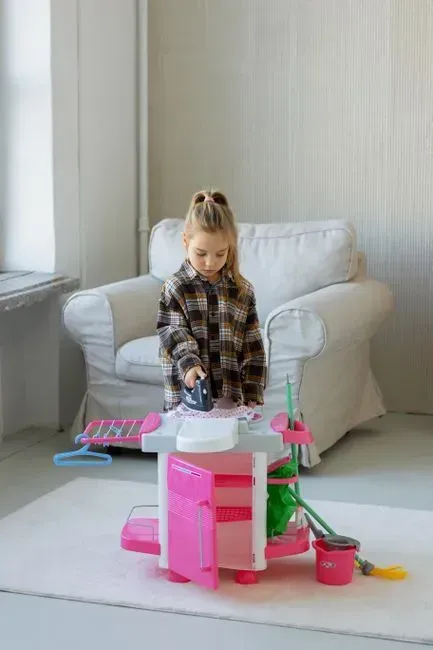
6. Whether toys need to be put away (Image Credits: Pexels)
Cleanup time is a favorite boundary to quietly ignore with someone new, especially if a child suspects the sitter won’t remember to check before parents get home. Toys left scattered across the floor become a kind of test balloon, floated to see whether anyone notices or cares.
Family therapists who work with young children often note that shared responsibility for tidying up reinforces a sense of routine and respect for shared space. A sitter who follows through, even with a simple reminder, usually finds the resistance fades by the second attempt.
7. Sibling squabbles and who gets blamed

7. Sibling squabbles and who gets blamed (Image Credits: Pexels)
When siblings are involved, a new sitter becomes an unfamiliar referee, and kids quickly test how disputes get resolved. Tattling increases, blame shifts faster than usual, and children may exaggerate a sibling’s role in a minor conflict just to see how the sitter reacts.
This is less about the specific disagreement and more about gauging fairness. Sitters who stay neutral and avoid picking a side too quickly tend to see this kind of testing taper off once kids realize exaggeration doesn’t change the outcome.
8. Whether they really have to finish their plate

8. Whether they really have to finish their plate (Image Credits: Pexels)
Mealtime rules get revisited almost every time a new sitter is in charge, particularly around whether a child must finish a meal before dessert or before leaving the table. Kids might claim they’re “already full” earlier than usual, testing whether that excuse holds up.
Registered dietitians who specialize in pediatric nutrition generally advise against forcing children to finish every bite, since this can interfere with a child’s natural hunger cues. Still, kids testing this boundary with a sitter are usually testing consistency, not actual hunger, which a calm check-in can often reveal.
9. How far they can wander at the park or backyard

9. How far they can wander at the park or backyard (Image Credits: Unsplash)
Physical boundaries during outdoor play are tested almost immediately, especially with kids who are naturally more independent. A child might walk further than usual toward a fence line, another play structure, or even out of clear sightline, curious about how quickly the sitter notices or calls them back.
Because outdoor safety margins vary by family, a new sitter often has to set the physical limit clearly and early rather than assuming a child already knows it. Most kids adjust quickly once they see the boundary is being watched, not just implied.
10. Whether "one more episode" becomes three
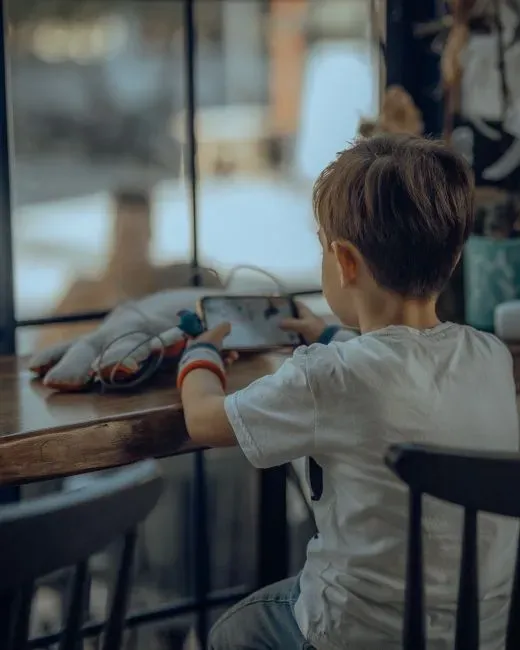
10. Whether "one more episode" becomes three (Image Credits: Pexels)
This is closely related to screen time but specifically about negotiation tactics during an activity already in progress. A child watching a show might ask for “just one more” episode, then quietly repeat the request two or three times, testing how many rounds a sitter will allow before saying no firmly.
The pattern isn’t unique to any one family; it shows up across households because episodic content is designed to prompt exactly this kind of continued watching. Sitters who set the total number upfront, rather than deciding episode by episode, tend to avoid the repeated negotiation entirely.
11. How much backtalk gets a reaction

11. How much backtalk gets a reaction (Image Credits: Pexels)
Kids often test tone with new sitters more than they test actual rules. A slightly sharper reply, a dramatic sigh, or a small eye roll becomes a way to gauge whether the sitter reacts strongly, ignores it, or calmly redirects.
Child psychologists frequently describe this kind of mild pushback as low-risk boundary testing rather than genuine disrespect, since the child is watching for a reaction more than trying to provoke one. A steady, unbothered response from the sitter usually causes this particular test to fade quickly, since there’s little payoff in continuing it.
12. Whether homework or reading time is skippable
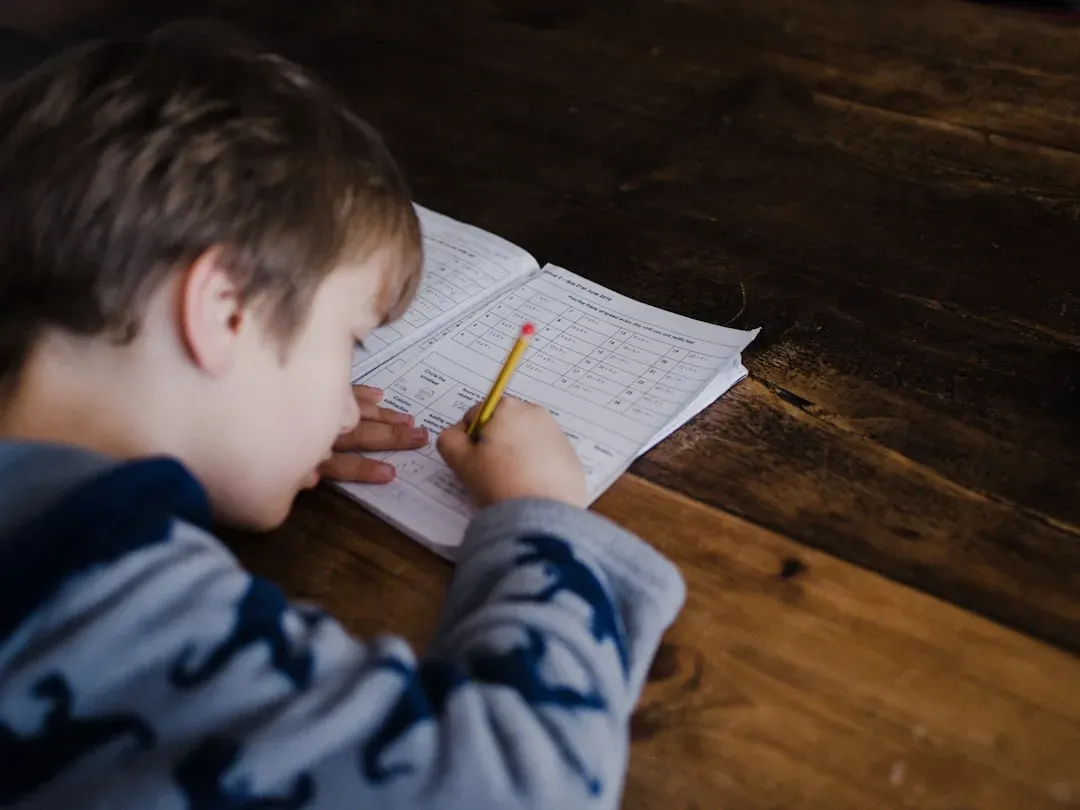
12. Whether homework or reading time is skippable (Image Credits: Unsplash)
For school-age kids, quiet time set aside for homework or reading is a prime target for boundary testing, especially if a sitter doesn’t know the exact nightly requirement. A child might claim they finished everything at school, or that today is a rare exception, hoping the sitter has no way to check.
This is one of the easier boundaries for parents to prevent from being tested in the first place, simply by leaving a written note about expectations. Sitters who ask to see finished work, rather than taking a verbal claim at face value, usually find the testing stops almost immediately.
13. How many bathroom breaks delay bedtime

13. How many bathroom breaks delay bedtime (Image Credits: Pexels)
The classic stalling tactic of “I need to go to the bathroom” right after being told it’s bedtime is one of the oldest boundary tests in parenting, and it works just as often on new sitters. A second or third bathroom trip in quick succession is usually less about need and more about buying extra time.
Pediatric behavioral specialists note that bedtime stalling is developmentally common and typically peaks in early childhood before tapering off. Sitters who acknowledge the request without extending the overall bedtime window tend to see this particular delay tactic lose its effectiveness quickly.
14. Whether rules apply the same to every sibling

14. Whether rules apply the same to every sibling (Image Credits: Pexels)
When there are multiple children in the home, one common test is whether a new sitter enforces rules evenly across age groups. An older sibling might claim a younger one always gets away with something specific, or vice versa, hoping the inconsistency benefits them.
This kind of testing often reveals more about sibling dynamics than about the sitter, since children are naturally attentive to any perceived unfairness in a household. A sitter who calmly checks with the child rather than assuming builds trust faster and reduces the number of similar tests later in the evening.
15. How much "I'm scared" changes the plan

15. How much "I'm scared" changes the plan (Image Credits: Gallery Image)
Fear based requests, like needing a light on, a door left open, or extra reassurance at bedtime, sometimes reflect genuine anxiety and sometimes reflect a boundary test around how much attention it generates. Kids often watch closely to see whether a new sitter responds with immediate accommodation or a calmer, more measured check-in.
Child anxiety researchers generally recommend validating a child’s feelings without automatically changing established routines, since overcorrecting can unintentionally reinforce the behavior. A sitter who offers brief reassurance while keeping the routine steady tends to strike the right balance without dismissing real concerns.
16. Whether chores are actually required

16. Whether chores are actually required (Image Credits: Pexels)
Simple household responsibilities, like putting dishes away or feeding a pet, often get quietly skipped with a new sitter unless the expectation is stated clearly. A child might act as though a chore doesn’t apply today, testing whether the sitter is aware it’s part of the regular routine.
This is typically one of the milder forms of boundary testing, since the stakes are low and the behavior is easy to redirect. A short, friendly reminder is usually enough to reset the expectation without much resistance.
17. How they respond to a first-time "no"

17. How they respond to a first-time "no" (Image Credits: Pexels)
Perhaps the most telling test of all is simply how a child reacts the very first time a new sitter says no to something. It’s less about the specific request and more about observing whether the sitter holds the boundary or wavers under pushback.
Developmental experts often describe this initial moment as setting the tone for the rest of the time together, since children are quick to recognize consistency. A calm, unwavering first “no” tends to reduce the intensity and frequency of future testing throughout the visit.
None of this testing means a child is being difficult on purpose. It’s simply how kids learn where the edges are with someone new, one small, quiet experiment at a time.