

Boomers and Gen Z grew up in completely different decades. They also grew up in different systems. Everyday life treated the older generation differently, whether through work or family life, and that gave them valuable knowledge about the world that didn’t always feel like a lesson. But it was. Here are eight life lessons that boomers learned young that Gen Z doesn’t understand.
Treat a job like a long relationship

Boomers tend to view jobs as something you fully commit to, rather than something that you simply test. Their bosses would reward them for staying put by giving them raises or retirement plans that were tied to the company. Any boomer who quit would often have to start over from zero. They learned not to do that.
But the Gen Z working world involves layoffs happening relatively quickly and resumes moving even faster. Loyalty doesn’t pay for them as it did for boomers, so they never learned how to properly approach their jobs. They view the idea of sticking it out as risky instead of responsible.
Fix it first, replace it later

The older generation expects things to last, and that often meant that they’d resole their shoes or repair their appliances. They’d also make sure to patch any worn clothes. Boomers grew up seeing adults fix things because it was neither affordable nor quick to replace everything. They learned to work out what was worth repairing and what wasn’t.
Yet Gen Z approaches things entirely differently. They grew up in a time of fast shopping and low-cost replacements, never learning the satisfaction of fixing something for yourself. Gen Z tends to view repairing as extra effort, rather than the obvious first step to solving a problem.
Keep family roles separate from friendship

A boomer’s parents rarely tried to be relatable when they were growing up. They’d create rules and make sure that kids understood that they weren’t meant to be part of adult decisions. Such a structure made them realize the expectations about respect and boundaries quite early. It was quite clear.
Gen Zers are usually raised with more chances for negotiation and openness at home. That’s not necessarily a bad thing, but it does mean that they don’t always recognize that older family members aren’t necessarily there to be friends with them.
Privacy means less sharing

You had to share your personal details quite slowly before social media existed. That helped boomers to understand exactly what privacy involved, as they could choose exactly who knew what. They learned that you couldn’t pull back any information once it was out there. It taught them to keep private issues, private.
Gen Z hasn’t quite learned that yet. They live their lives constantly sharing details through group chats and feeds because such openness is completely normal. The younger generation doesn’t view older habits about privacy as standard, but rather, as guarded.
Handle conflict without cutting people off completely

There were no exit buttons for disagreements when boomers were younger. They still had to work with the person they argued with or perhaps see them at holidays, so they learned that ignoring these people only made things worse. Boomers learn to cool down and keep the discussion civil. They carried on despite things feeling awkward.
Gen Z doesn’t always recognize that some arguments never get fully resolved, and that’s okay. They never learned how to adjust how they dealt with the other person to overcome the conflict. They rely on muting or blocking the other individual instead.
Keep commitments even when you don’t feel like it

One of the most important life lessons that boomers know is the importance of keeping their word. They know that saying “yes” to something is a rather concrete answer, and they understand that people plan around their answer. That means something.
Boomers recognized that showing up tired or annoyed didn’t really matter when a promise needed to be fulfilled. The important part was in showing up. Gen Z has far more rescheduling tools and last-minute options at their fingertips, which has made the social cost of backing out far less visible. They don’t view cancelling on commitments as a big deal.
Read the room before you speak up

Public speaking is a necessary skill for every generation, and boomers picked it up through trial and error. They know all about the problems that come from speaking at the wrong time or interrupting the wrong person. All their conversations were face-to-face when they were growing up, perhaps sometimes on the phone, too.
There were clear pecking orders in classrooms and meetings, so paying attention mattered quite a bit. The older generation learned to listen quite a bit. But Gen Z spends most of their time online in spaces where everyone can post equally. They don’t learn about timing or tone in quite the same way that boomers did.
Handle everyday setbacks without calling it a crisis

Any small problems boomers had were handled quietly & quickly. Missing the bus simply involved walking instead, while a broken appliance led to a few days of waiting. Boomers understand that complaining doesn’t fix every problem. It’s better to focus on what the next step is going to be and keep going from there.
Gen Z doesn’t know that. They live with constant updates & instant responses, turning minor issues into something worth having a long conversation about. The smallest problems are crises for them, and big issues are the end of the world. There’s no middle ground or sense of perseverance.
16 School Memories Every Boomer Still Talks About
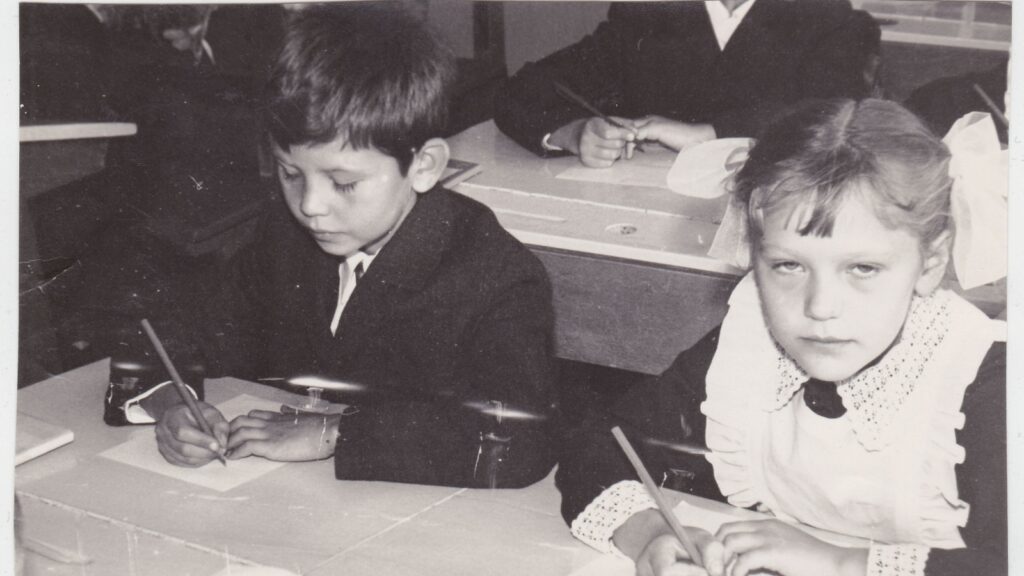
They’ll remind you right away how “kids these days wouldn’t last a day” in their day. Here it is: school memories that boomers can’t help but drag out, reminisce about, and swear were making them stronger (although half of them were lowkey traumatic).
16 School Memories Every Boomer Still Talks About