
A child who eats well, sleeps through the night, and never complains of aches can still be walking around with an undetected vision problem, a slow-forming spinal curve, or blood pressure numbers that would surprise most parents. That's the quiet logic behind pediatric preventive care: many of the conditions doctors screen for don't announce themselves until they've already caused some damage.
Once kids move past toddlerhood, checkups tend to get shorter and less frequent, which can create a false sense that less is happening medically. In reality, the school-age years from six through the early teens are packed with specific, evidence-based screenings that most parents never hear explained in plain terms.
1. The Annual Well-Child Physical Exam
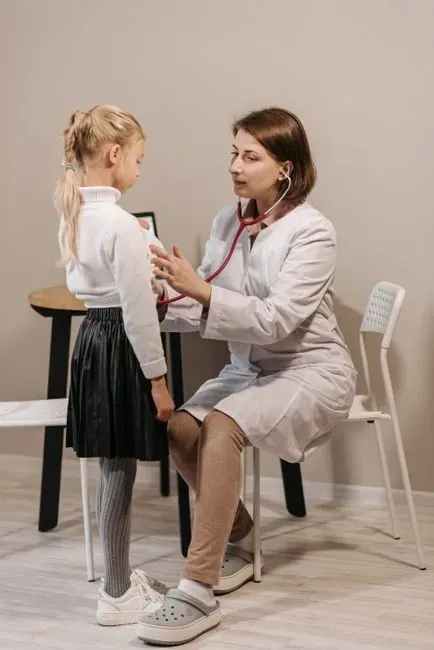
1. The Annual Well-Child Physical Exam (Image Credits: Pexels)
The foundation of pediatric care for kids over six is still the basic annual visit, even though it can feel almost too routine to matter. The AAP recommends a well-child visit schedule that adds visits at 2, 30 months, 3, 4, 5, and 6 years, with annual visits continuing from age 7 onward until 21. These aren’t just quick check-ins; they’re the visit where everything else on this list gets scheduled or caught.
A pediatrician uses this yearly appointment to track growth, review family history, and ask questions that a child might not bring up on their own. Even when a child appears perfectly healthy, annual checkups remain essential because these visits allow the pediatrician to track growth patterns over time, identify subtle developmental concerns, and establish baseline health metrics, since skipping years can mean missing critical windows for early intervention. It’s less about finding something wrong and more about having a running record that makes small changes easier to spot.
2. Vision Screening
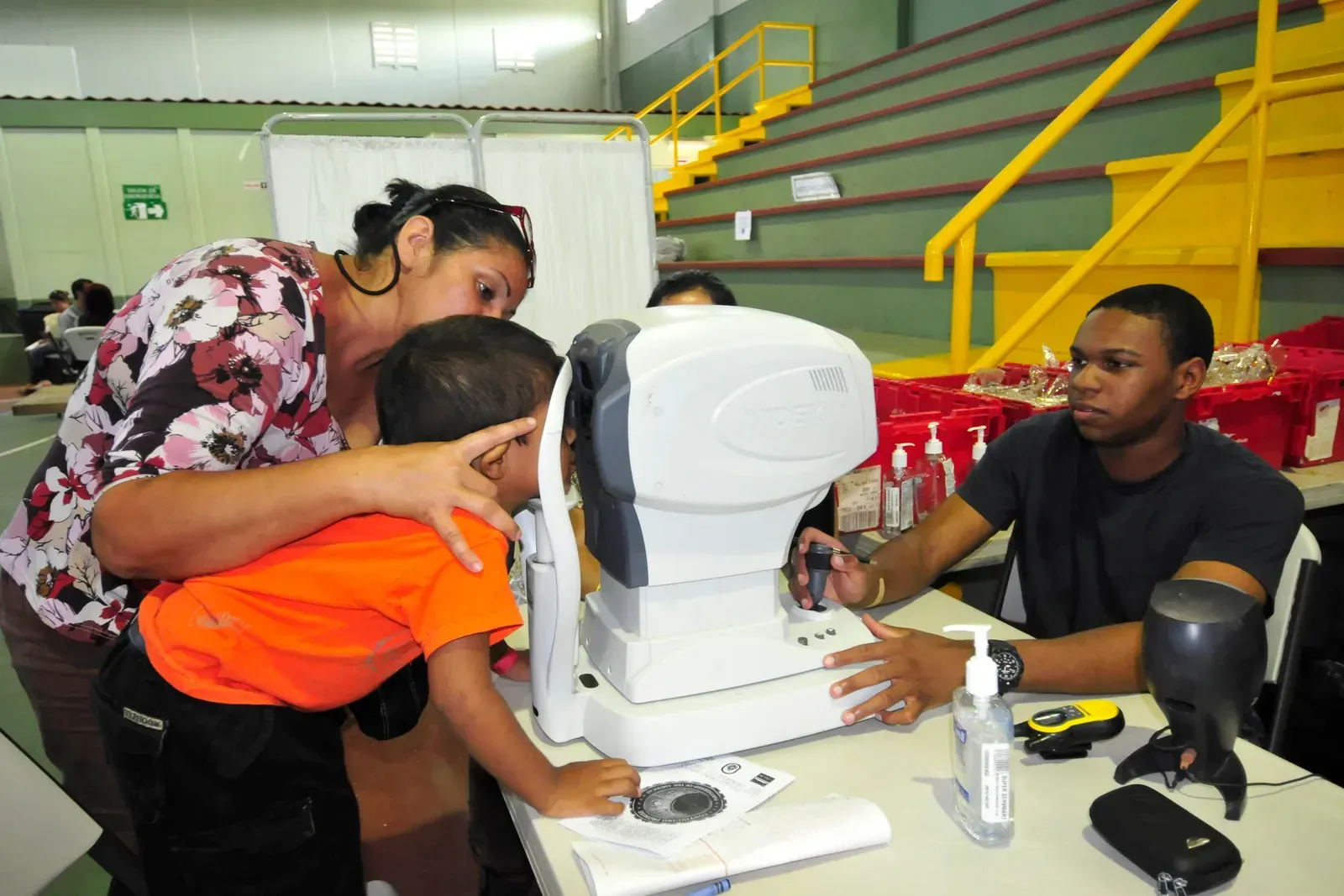
2. Vision Screening (This image was released by the United States Navy with the ID 110803-N-VV618-012 (next).
This tag does not indicate the copyright status of the attached work. A normal copyright tag is still required. See Commons:Licensing.
العربية ∙ বাংলা ∙
Bahasa Indonesia ∙
Bahaso Jambi ∙
Deutsch ∙ Deutsch (Sie-Form) ∙ English ∙ español ∙ euskara ∙ فارسی ∙ français ∙ italiano ∙ 日本語 ∙ 한국어 ∙ македонски ∙ മലയാളം ∙ Plattdüütsch ∙ Nederlands ∙ polski ∙ پښتو ∙ português ∙ русский ∙ slovenščina ∙ svenska ∙ Türkçe ∙ українська ∙ 简体中文 ∙ 繁體中文 ∙ +/−
photo essay http://www.defense.gov/photoessays/photoessayss.aspx?id=2369, <a href="https://commons.wikimedia.org/w/index.php?curid=21424200" target="_blank" rel="noopener">Public domain</a>)
Kids rarely announce that they can’t see the whiteboard clearly; they just assume everyone sees it that way. As of 2019, the American Academy of Pediatrics recommends yearly vision screening for school-age children between the ages of 5 and 18 years. Some guidance narrows this to specific checkpoints, with screening frequency at 5, 6, 8, 10, 12 and 15 years of age.
The stakes go beyond glasses. Even mild deficiencies of sight can significantly affect a child’s ability to learn. A pediatrician’s screening can catch a refractive error or an early sign of a lazy eye long before a report card starts to slip.
3. Hearing Checks
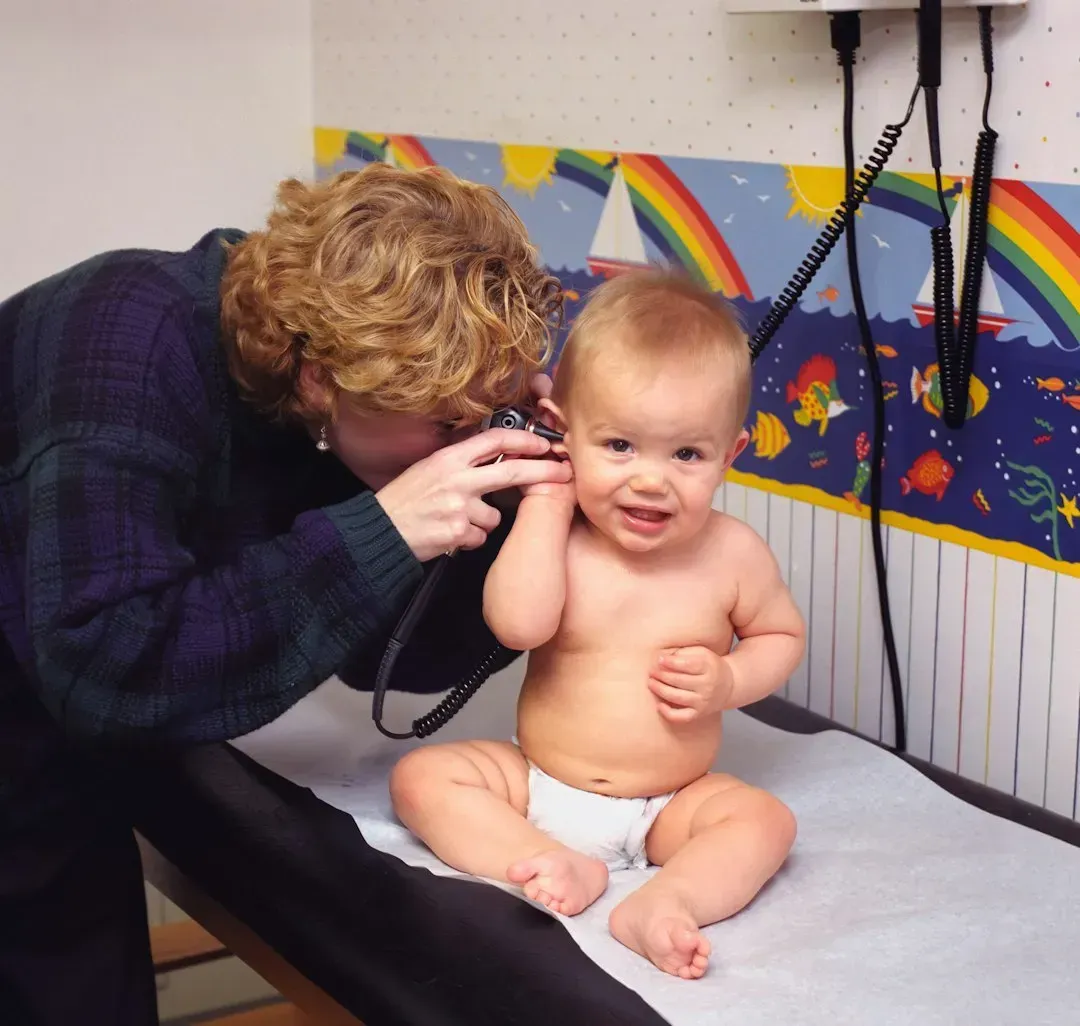
3. Hearing Checks (Image Credits: Unsplash)
Hearing loss in children is often mistaken for inattention, a mislabel that can follow a kid through years of schooling. Difficulty hearing can impact a child’s ability to interact productively with teachers, families, and peers. Many pediatric offices build this into set checkpoints rather than every single visit.
One commonly cited schedule places screening frequency at 5, 6, 8 and 10 years of age. Because most difficulties with hearing or vision should have been identified prior to entering school, though some may have been missed and others develop later, pediatricians keep testing even for kids who passed every earlier screening with no issues.
4. Blood Pressure Measurement
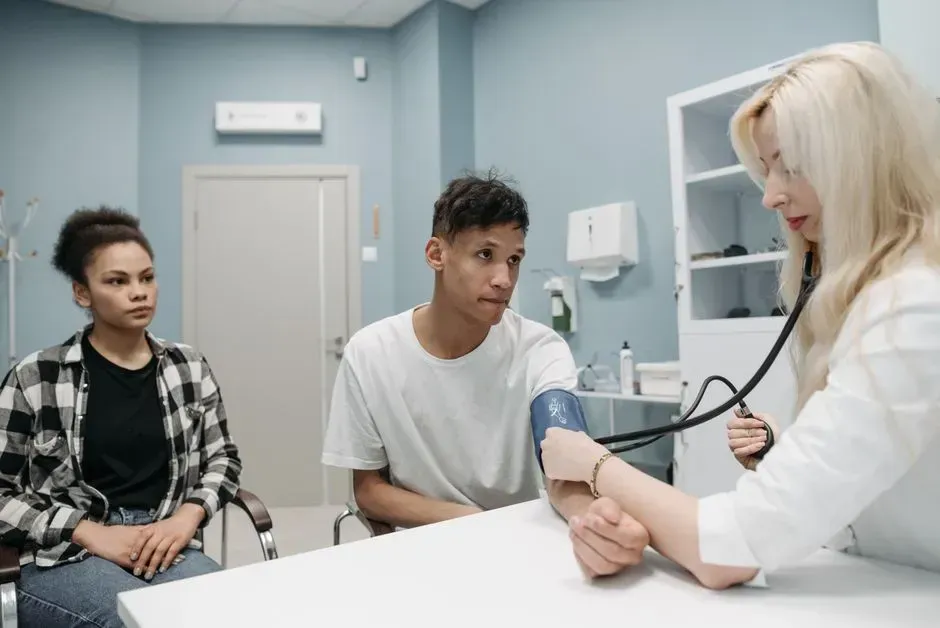
4. Blood Pressure Measurement (Image Credits: Pexels)
It’s easy to assume hypertension is an adult problem, but pediatricians have measured blood pressure in kids for years precisely because it isn’t. High blood pressure is a symptom-free risk factor for heart disease, diabetes, and other chronic conditions, and screening frequency for children is recommended once per year. A child can have elevated numbers with zero outward symptoms.
Current clinical guidance treats this as close to universal practice at every visit. Many clinic protocols now recommend obtaining a blood pressure measurement in every patient, even if over the age of 3 years, to minimize confusion and simplify steps for providers. It takes under a minute and gives doctors an early flag for issues that would otherwise stay silent for years.
5. Growth and BMI Tracking
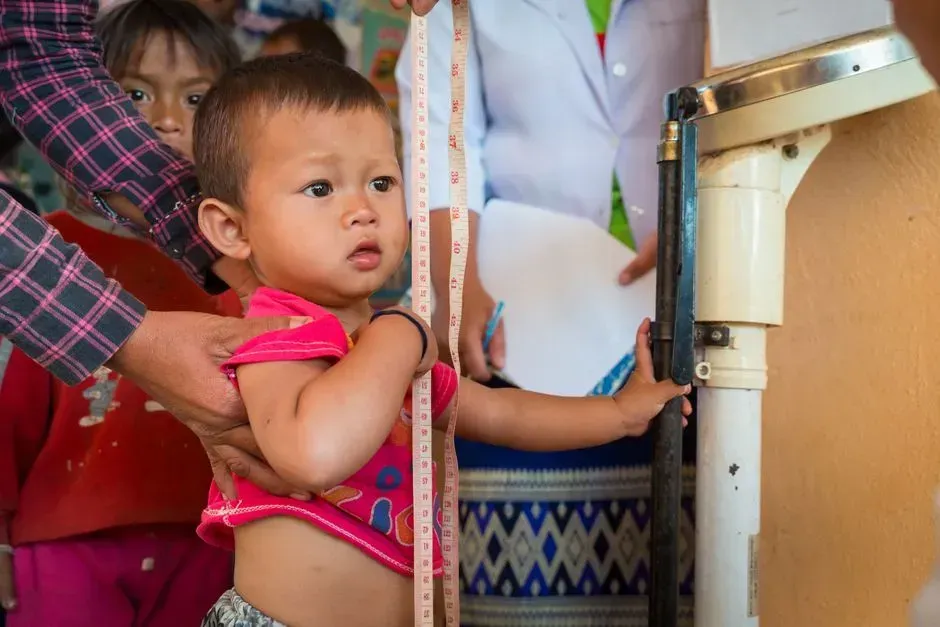
5. Growth and BMI Tracking (Image Credits: Pexels)
Height and weight measurements might seem like paperwork, but plotted over years they tell a story that a single visit can’t. Annual visits typically include body mass index calculation to monitor for obesity risk. A pediatrician isn’t just checking whether a child is “big” or “small” for their age; they’re watching the trajectory.
A sudden jump or drop on the growth curve, even within a technically normal range, can be a signal worth investigating. This is one of the simplest screenings on the list, yet it remains one of the most consistently useful, because it catches slow-motion changes that a parent living with the child every day might not notice.
6. Cholesterol and Lipid Screening
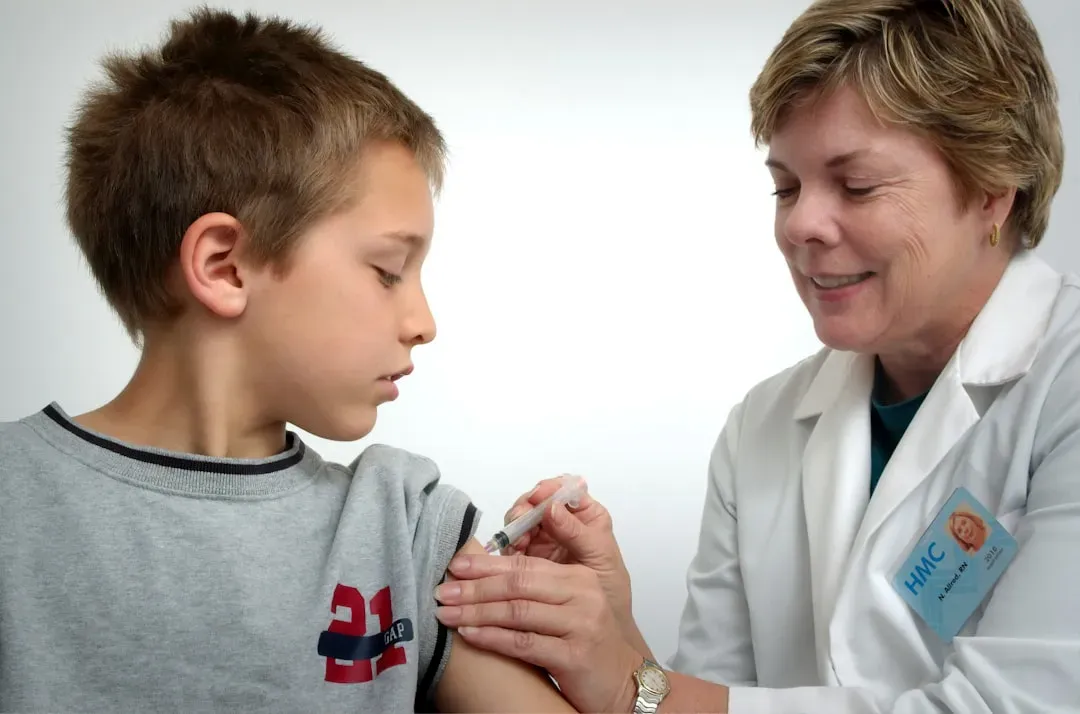
6. Cholesterol and Lipid Screening (Image Credits: Unsplash)
Cholesterol checks for kids can catch parents off guard, since it sounds like something reserved for middle age. Guidance is fairly specific here: between ages 9 and 11, children should receive a lipid screening if they have risk factors for heart disease or a family history of high cholesterol. Some sources describe it more broadly as a one-time check in that window regardless of risk factors.
Cholesterol testing generally happens between age 9 and 11, sooner and more frequently for children at special risk for high cholesterol. A single blood test at this age can flag inherited lipid disorders that, left unaddressed, quietly raise cardiovascular risk decades before symptoms would ever appear.
7. Scoliosis Screening
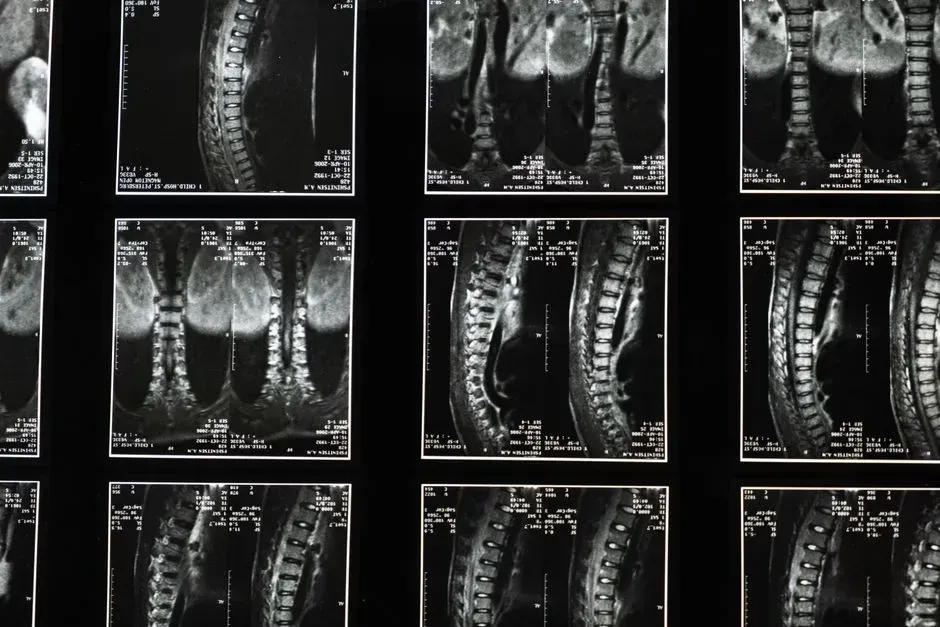
7. Scoliosis Screening (Image Credits: Pexels)
Spinal curves tend to develop gradually, which is exactly why they’re easy to miss without a hands-on check. Major groups such as the Scoliosis Research Society recommend that girls have scoliosis screening around ages 10 and 12, and boys around 12 or 13, when growth accelerates. Pediatricians typically use a simple physical test rather than imaging as the first step.
The classic method is straightforward and low-tech. The forward bend test, also known as the Adams forward bend test, has a child stand with feet together and bend forward while the doctor looks for trunk rotation, rib prominence, or unevenness in the back. Some kids need closer monitoring earlier, particularly those with a strong family history of scoliosis, visible posture changes, or early signs like uneven hips or a higher shoulder blade on one side.
8. Dental Checkups
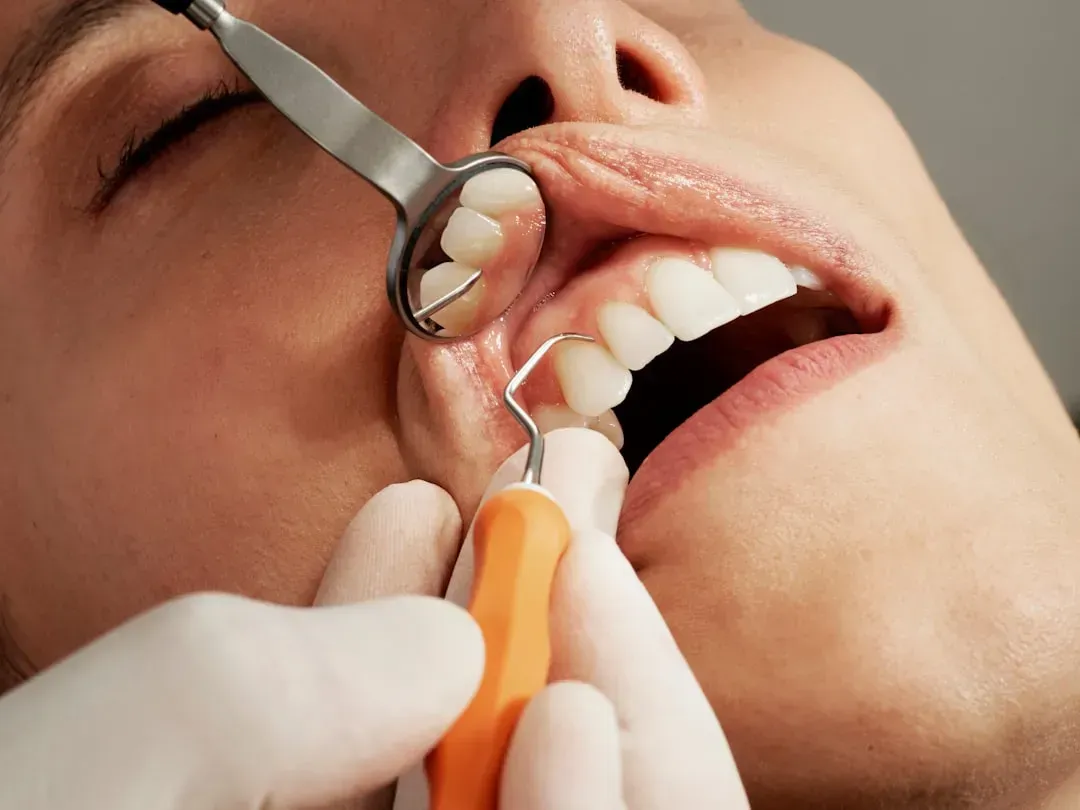
8. Dental Checkups (Image Credits: Unsplash)
Pediatricians and dentists split responsibilities here, but the pediatric office still plays a role in reminding families not to let dental care slide. Dental checkups are generally recommended once a year, though many dental practices push for a twice-yearly cadence for cleanings. Some guidance suggests visiting the dentist every six months for a teeth cleaning and every year for X-rays.
Cavities and misaligned teeth aren’t just cosmetic concerns for kids over six. Dental health problems such as cavities and misaligned, crooked, or missing teeth can make it difficult to talk, sleep, and smile. A pediatrician who asks about a child’s last dental visit is often the nudge a busy family needs to actually book one.
9. Mental Health and Anxiety Screening

9. Mental Health and Anxiety Screening (Image Credits: Pexels)
This is one of the more recent additions to routine pediatric care, and it reflects a real shift in how doctors think about childhood wellbeing. Due to an uptick in anxiety in children in the United States, the recommendation is for children to be screened for anxiety beginning at age 8. Screening typically happens through a short conversation or questionnaire built into the regular visit.
By the preteen years, this expands further. Between ages 11 and 12, children begin annual behavioral and mental health screenings, where the pediatrician asks questions to assess mood, anxiety, attention, and overall emotional wellbeing. It’s a quiet but significant change from how pediatric visits used to focus almost entirely on the physical.
10. Vaccine and Immunization Review
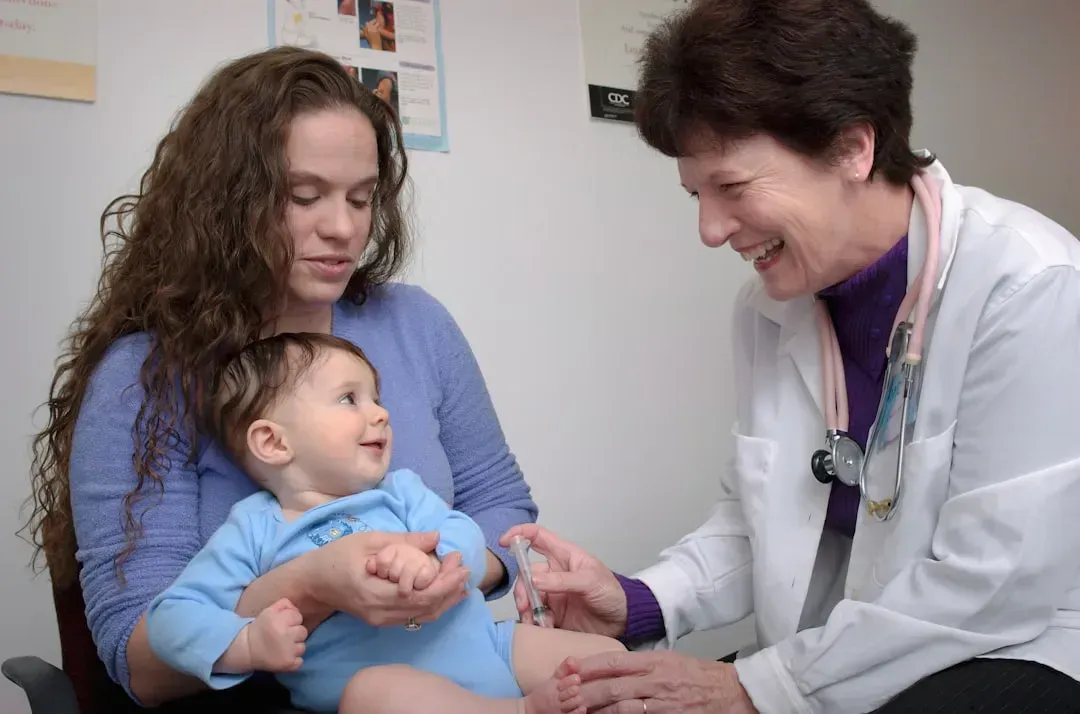
10. Vaccine and Immunization Review (Image Credits: Unsplash)
Even kids who are otherwise done with the bulk of early childhood vaccines have more scheduled ahead, and pediatricians use every visit to check the record. The AAP recommends children start the HPV vaccine series between ages 9 and 12, before they are ever exposed to HPV, since the vaccine protects against certain cancers later in life. This is often paired with other adolescent vaccines during the same visit window.
The broader immunization push through these years covers more than just HPV. The Bright Futures schedule extends well-child care through age 21, ensuring adolescents receive age-appropriate immunizations including Tdap, HPV, meningococcal and flu vaccines alongside vision and hearing screens and blood-pressure checks. Reviewing this record annually keeps families from losing track of what’s due and when.
11. Sports Physicals and Pre-Participation Exams
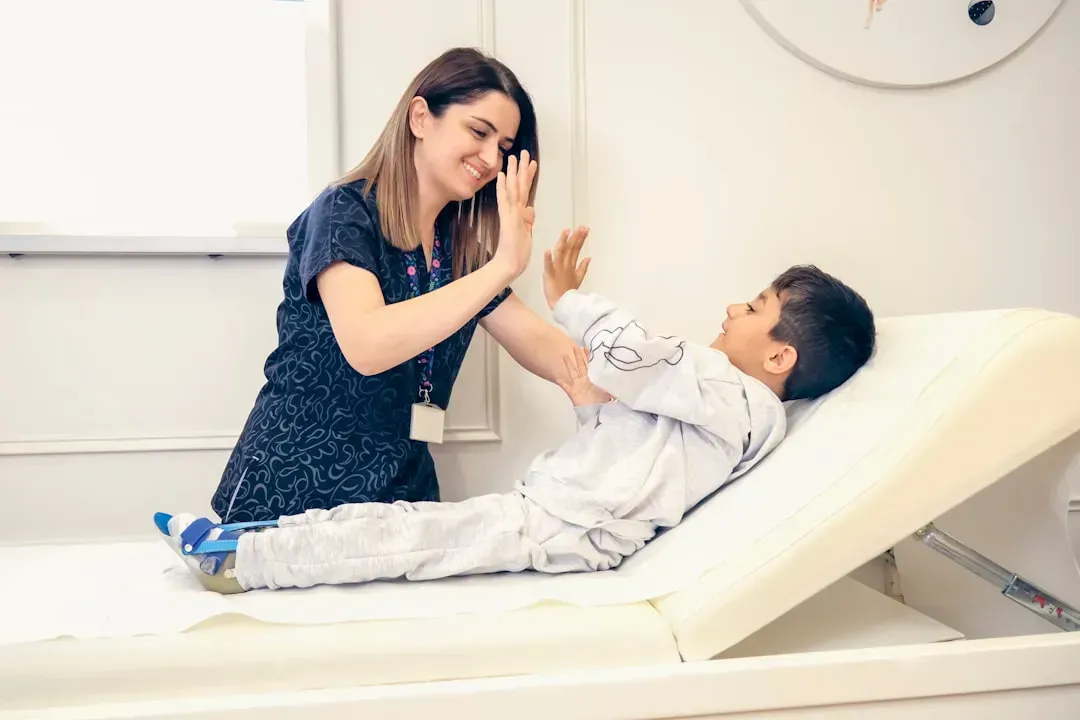
11. Sports Physicals and Pre-Participation Exams (Image Credits: Unsplash)
Any child signing up for an organized sport usually needs a physical first, and pediatricians treat these as more than a signature on a form. A physical exam is typically required to participate in organized sports or enroll in day care, preschool, or grade school, and a pediatrician’s office can assist with scheduling and completing health form requirements. These exams often surface issues a routine visit might not, since they focus specifically on physical readiness for exertion.
The purpose runs deeper than paperwork compliance. These physicals are designed to catch underlying conditions that could put a child at higher risk during physical activity compared to peers, from undiagnosed heart irregularities to joint issues that flare only under strain. For a lot of families, this becomes the one guaranteed extra checkup layered on top of the annual visit.
12. Sleep, Screen Time, and Lifestyle Check-In

12. Sleep, Screen Time, and Lifestyle Check-In (Image Credits: Pexels)
Not every important checkup involves a test or a needle. Pediatricians increasingly build in direct conversation about daily habits, and social history in this age group typically covers diet, physical activity, daily screen time, secondhand smoke exposure, hours of sleep per night, and dental care practices. These conversations often reveal patterns that a physical exam alone would completely miss.
Sleep guidance in particular has specific benchmarks doctors watch for. Children 6 to 12 years old should get nine to 12 hours of sleep, while teens need about 8 to 10 hours. A child who’s chronically short on sleep can show symptoms that mimic attention problems or mood issues, which is exactly why pediatricians ask about it directly rather than waiting for it to surface as something else.
Taken together, these twelve checkpoints explain why the yearly pediatric visit for a school-age child involves more than a quick listen to the heart and a height measurement. Each one targets something that tends to develop silently, whether that’s a slow spinal curve, rising blood pressure, or anxiety a child hasn’t put into words yet. None of them require a health scare to justify; they’re built into the routine precisely because healthy-looking kids are still kids who benefit from someone checking the details they can’t check themselves.