
Debt doesn’t always look like debt. Sometimes it looks like a nice apartment, a leased SUV, and a wardrobe that’s clearly keeping up with the season. The people who are quietly drowning in financial obligations often appear, from the outside, to be doing just fine. That gap between what people show and what they owe has widened noticeably over the past few years.
Total U.S. household debt climbed to a record $18.8 trillion in the fourth quarter of 2025, up by $4.6 trillion compared to the end of 2019. The average client seeking help from credit-counseling agencies across the country now makes about $70,000 a year, with unsecured debt levels approaching $35,000, roughly half their annual income. These aren’t people who look broke. In many cases, they look perfectly comfortable. Here are seven signs that someone may owe far more than their life appears to suggest.
1. They Always Have an Excuse to Skip Splitting Costs

1. They Always Have an Excuse to Skip Splitting Costs (Image Credits: Unsplash)
There's a particular kind of social maneuvering that tends to go unnoticed until it becomes a pattern. The person who always "forgot their wallet," who quickly volunteers to handle the tip instead of the main bill, or who consistently steers group dinners toward cheaper options while insisting it's a preference, not a constraint. These small behaviors can reflect a cash flow situation that doesn't match their apparent lifestyle.
Just under half of U.S. adults report some difficulty paying bills, with roughly one in three saying they paid a bill late in the last three months. Half of Americans are living paycheck to paycheck. When someone's income looks sufficient but social avoidance around money keeps appearing, it's often a quiet signal that the margin between income and obligations is much tighter than it seems.
2. They're Only Ever Making Minimum Credit Card Payments
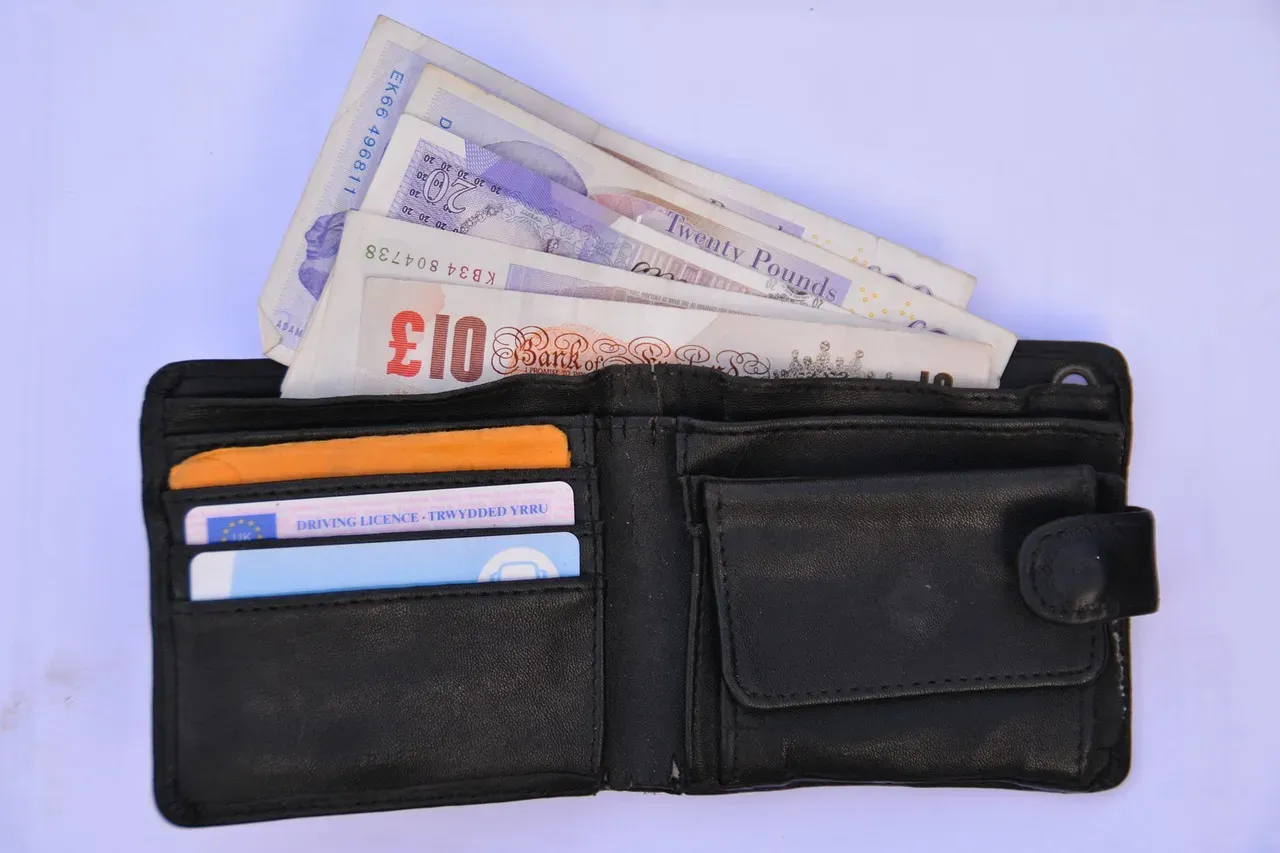
2. They're Only Ever Making Minimum Credit Card Payments (Image Credits: Pixabay)
A record-high one in ten Americans can only afford to make minimum payments on their credit card balances, according to recent data from the Philadelphia Federal Reserve. A January 2025 Wall Street Journal report highlighted a concerning trend: more consumers are making only the minimum monthly payments on their credit cards. The habit looks responsible on the surface because the account stays current and no late fees accumulate. The reality is far more corrosive.
High interest rates, often exceeding 20%, mean that most of each payment goes toward interest rather than reducing the principal balance, and a balance of $5,000 with an 18% interest rate could take over 20 years to pay off if only the minimum payment is made. This is how people end up carrying credit card debt for years while paying their bills on time every single month without missing a payment. The bills get paid. The debt quietly stays, or grows.
3. They Use Buy Now, Pay Later for Everyday Necessities

3. They Use Buy Now, Pay Later for Everyday Necessities (Image Credits: Unsplash)
Buy Now, Pay Later services started as a way to finance big-ticket discretionary items. That's not quite what they're being used for anymore. According to a 2026 survey by LendingTree, roughly one in four U.S. consumers now use Buy Now, Pay Later for groceries, nearly double the rate from just a year earlier. Financing a grocery run isn't a convenience choice. It's a cash flow signal.
A new report from LendingTree found that nearly half of BNPL users paid late on at least one loan in the past year, up from earlier figures, and more than half say they wouldn't be able to make ends meet without BNPL. BNPL often sits outside traditional balance sheet conversations and may not show up clearly on a credit report, meaning clients don't always think to mention it alongside credit cards or loans. It's debt that's almost invisible, which is exactly what makes it dangerous as a warning sign.
4. Their Lifestyle Has Never Visibly Scaled Down With Income Shifts

4. Their Lifestyle Has Never Visibly Scaled Down With Income Shifts (Image Credits: Unsplash)
When someone changes jobs, takes a pay cut, goes through a separation, or loses a significant income source, something usually gives. Vacations get scaled back. Subscriptions get cancelled. Dining out becomes less frequent. When none of that happens, it's worth wondering what exactly is bridging the gap. Consumers who made more than $70,000 or so have historically relied on debt for discretionary items like vacations, gadgets, and non-essentials, but today, thanks to rising debt-to-income levels, financial stress is weighing on higher-income families as well as lower-income groups.
Middle-income households saw sharp decreases in their ability to spend less than their income and pay all bills on time, and households with credit card debt struggled more frequently with day-to-day financial challenges. The lifestyle that stayed intact through a financial disruption is often the clearest external sign that the gap is being filled by borrowed money, not earned income.
5. They React Disproportionately to Small, Unexpected Costs

5. They React Disproportionately to Small, Unexpected Costs (Image Credits: Pexels)
A car needing new tires shouldn't create a crisis. Neither should a dental bill, an appliance repair, or a last-minute flight for a family emergency. When someone becomes visibly stressed or suddenly vague about finances in the face of a few hundred dollars, it often points to a savings buffer that's either minimal or nonexistent. Only about 45% of Americans are "very confident" they could handle a $1,000 emergency expense, like a car repair.
Among credit card debtors, more than two in five say their debt comes primarily from emergency or unexpected expenses, including medical bills, car repairs, and home repairs. When nearly every surprise expense becomes a new debt event, the picture that emerges isn't one of poor planning so much as a structural deficit between what someone earns and what they already owe. The lifestyle stays intact between crises. The crises themselves reveal everything.
6. They Talk About Debt in Future Tense Only

6. They Talk About Debt in Future Tense Only (Image Credits: Unsplash)
There's a particular kind of deflection that comes up in financial conversations: everything is "almost paid off," the situation will be "sorted out soon," or a raise or bonus is going to "fix everything." These phrases don't necessarily signal denial. Sometimes they signal a debt load so large that the only way to cope is to project resolution into a future that keeps getting pushed forward. Roughly three in five Americans with card debt have been in debt for at least a year, up from just over half in late 2024.
About one in five credit card debtors don't think they'll ever pay it off. Around 35% of Americans report feeling trapped in a cycle of debt, while only 20% feel like they're actually getting ahead with their money. When someone's financial narrative is entirely forward-looking with no concrete present-tense progress, and their lifestyle doesn't reflect any current sacrifice toward that goal, the gap is often larger than they let on.
7. Their Physical and Emotional Health Shows the Strain

7. Their Physical and Emotional Health Shows the Strain (Image Credits: Pexels)
Debt leaves marks that aren't always financial. Disrupted sleep, persistent low-level anxiety, irritability around money conversations, or a general inability to relax about the future can all reflect a hidden debt burden that's exerting real pressure behind the scenes. Nearly four in ten Americans say their debt is directly affecting their health, and research links debt to a 90% increase in psychiatric disorder risk and a 31% increase in high blood pressure.
One in three Americans says they've lost sleep in the past three months over their money worries. A University of Alabama at Birmingham study found that indebtedness was associated with a dramatically higher likelihood of being diagnosed with a psychiatric disorder. When someone projects an ordered, comfortable life but carries ongoing signs of chronic stress, the two things are sometimes related in ways that go far beyond what their bank statements ever show.
Quiet debt is, in many ways, a product of the gap between what we project and what we carry. The signals are rarely dramatic. They're small, behavioral, and easy to rationalize away, both by the people experiencing them and by everyone else around them. Recognizing these signs isn't about judgment. It's about understanding that financial strain rarely looks the way we expect it to.