
Some people announce their feelings with grand gestures and constant texts. Others show love in ways so subtle you might miss them entirely if you’re not paying attention. These quiet romantics tend to express affection through small, consistent actions rather than dramatic declarations, which can make their care easy to overlook.
Understanding these understated signals matters more than ever in a dating culture often obsessed with big, visible proof of love. Below are eight behavioral patterns that reveal deep affection, even when someone rarely says the words out loud.
1. They remember the tiny details you mentioned once
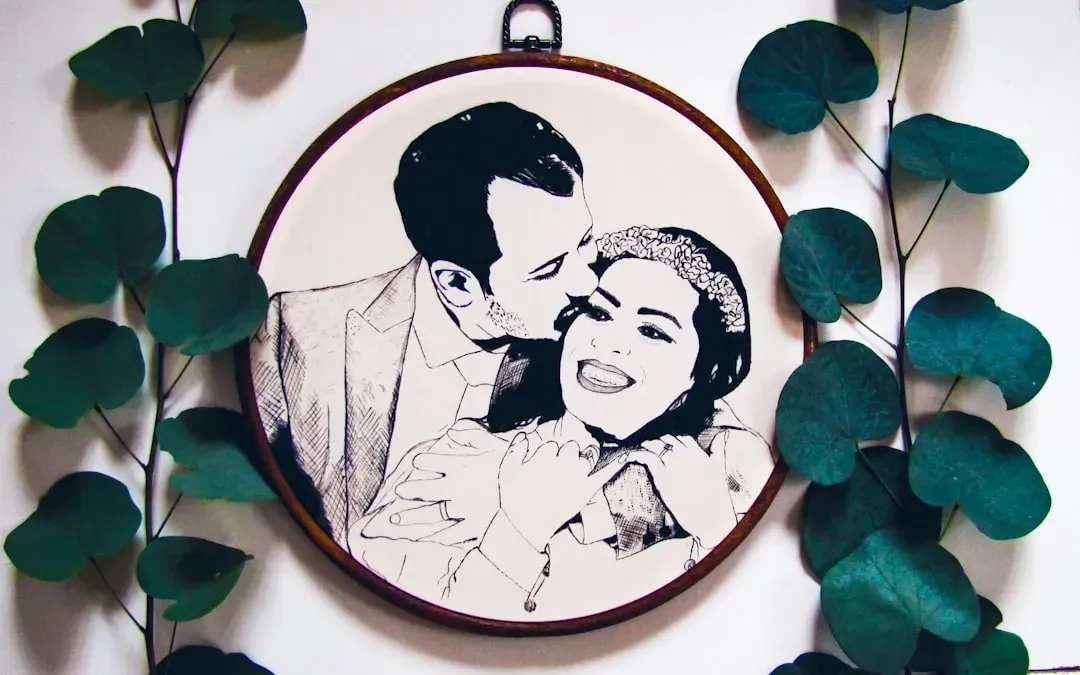
1. They remember the tiny details you mentioned once (Image Credits: Unsplash)
A quiet romantic tends to hold onto small facts you casually dropped weeks or months earlier, like your coffee order, a childhood memory, or an offhand comment about a stressful work deadline. This isn’t about having a great memory in general. It’s selective attention, and psychologists often link this kind of recall to genuine emotional investment rather than mere politeness.
When someone brings up something you barely remember saying, it usually means your words mattered enough to stick. This behavior reflects what relationship researchers call “responsiveness,” a concept tied to feeling understood and validated by a partner. People who practice this consistently are often building intimacy in ways that feel low-key but run deep.
2. They show up during inconvenient moments

2. They show up during inconvenient moments (Image Credits: Pexels)
Quiet romantics rarely make a show of their support, but they tend to appear exactly when it counts, like driving you to an appointment or staying up late to help you finish a project. These gestures often go unspoken because the person doing them doesn’t see it as a big deal, even though it clearly is. Reliability during inconvenient or unglamorous moments is frequently cited by relationship therapists as a stronger predictor of long-term care than romantic gestures during easy times.
This pattern also tends to show up in smaller, everyday ways, such as adjusting their schedule without complaint or quietly picking up slack when you’re overwhelmed. There’s no fanfare attached, which is often exactly the point. People who care deeply but express it quietly usually prioritize being useful over being noticed.
3. They ask follow-up questions instead of just listening

3. They ask follow-up questions instead of just listening (Image Credits: Pexels)
Anyone can nod along during a conversation, but quiet romantics tend to circle back with specific follow-up questions days or even weeks later. Asking “How did that conversation with your sister go?” long after you mentioned it signals that they were truly processing what you said, not just waiting for their turn to talk. This kind of sustained curiosity is consistently associated with emotional attunement in relationship psychology research.
This habit often distinguishes performative listening from real engagement. It shows they’re mentally filing away details about your life because they genuinely want to understand it better. Over time, these small check-ins tend to build a sense of being truly known, which many people describe as one of the most underrated forms of intimacy.
4. They get quietly protective without making it dramatic
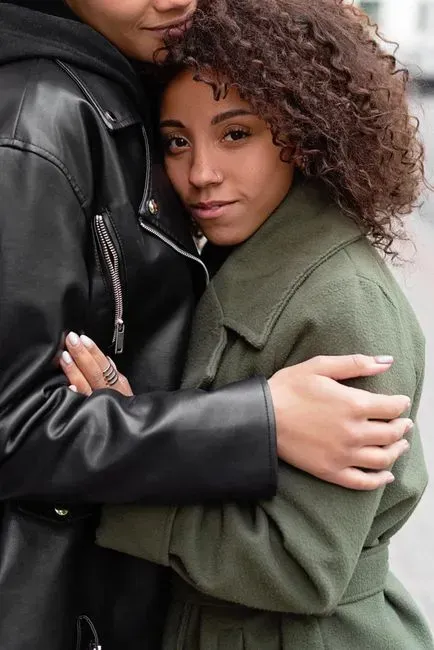
4. They get quietly protective without making it dramatic (Image Credits: Pexels)
Protectiveness in quiet romantics rarely looks like jealousy or possessiveness. Instead, it often shows up as subtle vigilance, like texting to check you got home safely or gently steering a conversation away from a topic that seems to upset you. This behavior tends to stem from attentiveness rather than control, which is an important distinction relationship counselors often emphasize.
These small protective gestures are usually understated by design. A person might quietly make sure you’re not walking alone at night or double check that you ate something during a hectic day, without ever mentioning it afterward. The lack of drama is often the clearest sign that the concern is genuine rather than performative.
5. They're consistent, even when no one's watching

5. They're consistent, even when no one's watching (Image Credits: Pexels)
Consistency is one of the most reliable, research-backed markers of authentic affection, and quiet romantics tend to demonstrate it in unglamorous, everyday ways. They show up on time, follow through on small promises, and maintain the same warmth in private that they show in public. This steadiness often contrasts with more performative displays of affection that can fade once the initial excitement wears off.
Because there’s no audience to impress, this consistency tends to feel more trustworthy over time. A quiet romantic doesn’t need public recognition to keep caring; they simply keep showing up. This pattern is frequently highlighted in attachment theory discussions as a key ingredient in secure, lasting relationships.
6. They remember your preferences without being told twice

6. They remember your preferences without being told twice (Image Credits: Pexels)
Quiet romantics often internalize your likes and dislikes almost automatically, ordering your favorite snack without asking or setting the thermostat the way you prefer before you even walk in. This kind of anticipatory care reflects sustained attention rather than a single act of thoughtfulness. It’s less about memory and more about the ongoing mental effort of keeping someone else’s comfort in mind.
These small adjustments tend to accumulate quietly, rarely announced or pointed out. A person doing this usually isn’t looking for credit; they’re simply operating with your needs already factored into their decisions. This subtle form of care often goes unnoticed precisely because it feels so seamless.
7. They defend you, even when you're not around

7. They defend you, even when you're not around (Image Credits: Pexels)
One of the clearest signs of quiet, deep affection is how someone speaks about you when you’re not there. Quiet romantics tend to correct misinformation, push back on unfair criticism, or simply speak warmly about you in your absence, often without ever mentioning it to you directly. This kind of loyalty is frequently described by relationship experts as more meaningful than public displays of affection because there’s no immediate reward for doing it.
This behavior often surfaces indirectly, through mutual friends or family members who mention it in passing. The person doing the defending usually isn’t seeking recognition for it. They’re simply protecting your reputation because your standing matters to them, whether or not you ever find out.
8. They express care through actions more than words

8. They express care through actions more than words (Image Credits: Pexels)
Quiet romantics often struggle with verbalizing emotions directly, but this doesn’t mean the feelings aren’t there. Instead, affection tends to surface through consistent behavior, like fixing something you mentioned was broken, learning a skill relevant to your interests, or quietly handling a task you dread. This pattern aligns with the “acts of service” love language framework, popularized by relationship counselor Gary Chapman, which identifies helpful actions as one of several primary ways people express and receive love.
This tendency can sometimes create a mismatch in relationships where one partner expects verbal affirmation and the other expresses care almost entirely through doing. Recognizing this difference often helps prevent misunderstandings, since a lack of words doesn’t necessarily indicate a lack of feeling. For many quiet romantics, actions have always spoken louder, and expecting otherwise can mean missing the affection that’s been there all along.
Recognizing these patterns can shift how affection is measured in a relationship, moving the focus away from grand gestures and toward consistency, attentiveness, and quiet reliability. For quiet romantics, love rarely needs an announcement. It simply needs to be noticed.