
The check arrives, the conversation is still buzzing, and suddenly two people who were laughing about something ridiculous thirty seconds ago are doing quiet math in their heads. It's a strange little pivot point in modern dating, this moment when chemistry meets a payment terminal. Whether the date has been fizzy or slow to build, the bill has a way of asking a question neither person planned to answer out loud.
Why the bill still feels loaded with meaning

Why the bill still feels loaded with meaning (Image Credits: Unsplash)
Money has never been neutral on a date, even when both people insist it doesn’t matter. A check is a small, practical object, but it tends to carry outsized symbolic weight about interest, generosity, and who’s supposed to make the first move. That tension does not disappear just because the date is going well; if anything, it can get more complicated once real chemistry is on the table.
Part of the discomfort comes from mixed signals in the culture itself. Older norms suggested one person, usually the man, should cover the bill as a gesture of interest, while newer norms lean toward shared costs as a mark of equality. Traditionally, it was the person who initiated the date to cover the bill as a gesture of courtesy and respect, a tradition that stemmed from gender norms where men were typically seen as providers. Neither script has fully won out, which is why the check can still feel like a small test.
What the latest data says about who actually pays
What the latest data says about who actually pays (Image Credits: Unsplash)
Recent survey data shows the country is genuinely split, not just anecdotally but numerically. Nearly three in four men expect to pay for everything when on a date early in a relationship, while more than half of women expect to split the bill, and about two-thirds of Americans in serious relationships say they try their best to divide costs evenly. That’s a real gap in expectations sitting right at the start of most relationships.
Other research backs up how close the split really is. When respondents were asked how the costs of dates were typically handled in their current or most recent relationships, the research shows that costs are split fairly evenly, with 48.8% saying they usually pay, and 47% saying their date was usually responsible. In other words, there isn’t one dominant norm right now. There are two competing ones, roughly tied.
Dating has gotten more expensive, and that changes the calculus
Dating has gotten more expensive, and that changes the calculus (Image Credits: Unsplash)
It’s worth naming the obvious pressure sitting underneath all of this: dates cost more than they used to. Americans’ spending on an average date has climbed toward nearly $200, up sharply from the year before, with some daters reporting a typical night out running $300 or more. That kind of price tag makes the “who pays” question feel less like etiquette trivia and more like an actual budgeting decision.
People are adjusting their behavior in response. Half of Americans say they have gone on fewer dates or chosen less expensive activities due to rising costs, and daters went out about 12 times in the past year, down from around 14 the year before. When a date is going well despite tighter budgets, splitting the bill can feel less like a lack of romance and more like basic financial common sense.
The generational divide on who should pay

The generational divide on who should pay (Image Credits: Pexels)
Age plays a bigger role in this debate than most people expect. In the initial stages of a relationship, 38% of those surveyed said costs should be split evenly, with this being particularly true among millennials and Gen Z, while overall 31% believe the partner making more money should pay for most things. Younger daters, in general, lean more egalitarian than their parents did.
Gen Z specifically seems to be rewriting the script in its own way. One survey found 43 percent of Gen Z and millennial respondents said higher earners should pay on dates more frequently, while 57 percent said people should alternate paying on dates. Alternating who covers the check, rather than splitting every single bill down the middle, has become its own quiet compromise for a lot of younger couples.
Men and women don't always agree on the reasoning

Men and women don't always agree on the reasoning (Image Credits: Pexels)
Even when men and women land on similar outcomes, their reasoning can diverge. Males, in particular, believe the partner who makes more should pay, with 39% agreeing with this belief compared to 25% of females. That gap suggests men are more likely to tie payment to income, while women are somewhat more likely to favor an even split regardless of who earns what.
There’s also a generational shift happening inside that gender gap. As one industry expert put it, when you look at younger generations, more women are reaching for the bill as societal norms around finances in relationships are changing, and roughly 80% of people now believe it’s more socially acceptable for women to earn more than their male partners. That shift matters for how a good date actually plays out at the table, because “who makes more” is no longer a default assumption.
Splitting the bill doesn't always kill the momentum
Splitting the bill doesn't always kill the momentum (Image Credits: Pexels)
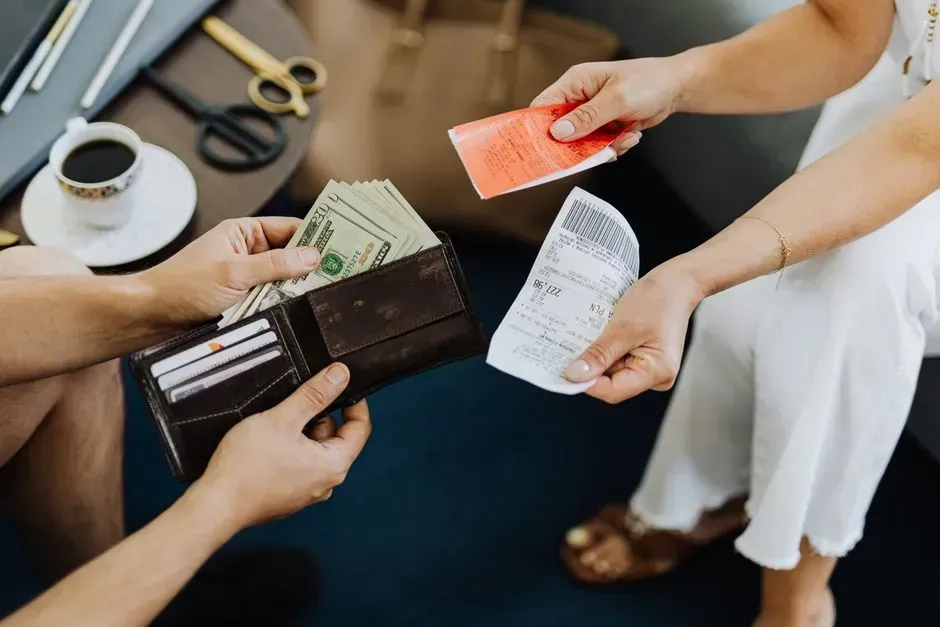
There’s a persistent worry that splitting the check signals a lack of interest, but the data doesn’t fully support that fear. Almost half of daters are happy to split the bill without treating it as a red flag. For a lot of people, a fair split is simply the fair split, not a coded message about how the date went.
Still, reactions aren’t identical across genders, and that’s worth knowing before you assume everyone feels the same way. Women are much less likely than men to want a second date if the bill was split, with just a third of women happy to meet up again versus 70% of men. That doesn’t mean splitting the bill ruins a good date, but it does suggest the topic carries more weight for some people than for others, even when nobody says so out loud.
When the date is clearly clicking, what actually changes

When the date is clearly clicking, what actually changes (Image Credits: Pexels)
A date that’s going well tends to lower everyone’s guard, which is exactly why the bill can suddenly feel more significant than it did five minutes earlier. When two people are laughing easily and the conversation hasn’t stalled once, reaching for a wallet becomes less about etiquette and more about instinct. Some people offer to cover the whole thing simply because the night felt worth celebrating, not because they’re trying to prove anything.
Others feel the opposite pull. A great date can make someone want to protect the sense of equal footing they’ve built over the last hour, so splitting the check feels like a way to keep that balance intact rather than tip it. Neither instinct is wrong. They’re just different ways of expressing the same thing, that the date mattered.
Reading the room instead of following a script

Reading the room instead of following a script (Image Credits: Pexels)
Most etiquette advice tries to hand people a fixed rule, but the more useful skill on a good date is simply paying attention. If your date reaches for the check with genuine ease, that’s usually a real signal, not a performance. If they hesitate or glance at you before grabbing it, that hesitation is information too.
Experts who study modern dating norms tend to agree that flexibility beats rigid rules. Ultimately, the decision should be based on mutual understanding and communication between both parties, taking into account individual preferences, financial situations, and the overall tone of the date. A date going well is precisely the moment when that kind of read becomes easiest, because the guesswork of a first meeting has already started to fade.
Practical ways to handle the check without breaking the mood
Practical ways to handle the check without breaking the mood (Image Credits: Pexels)
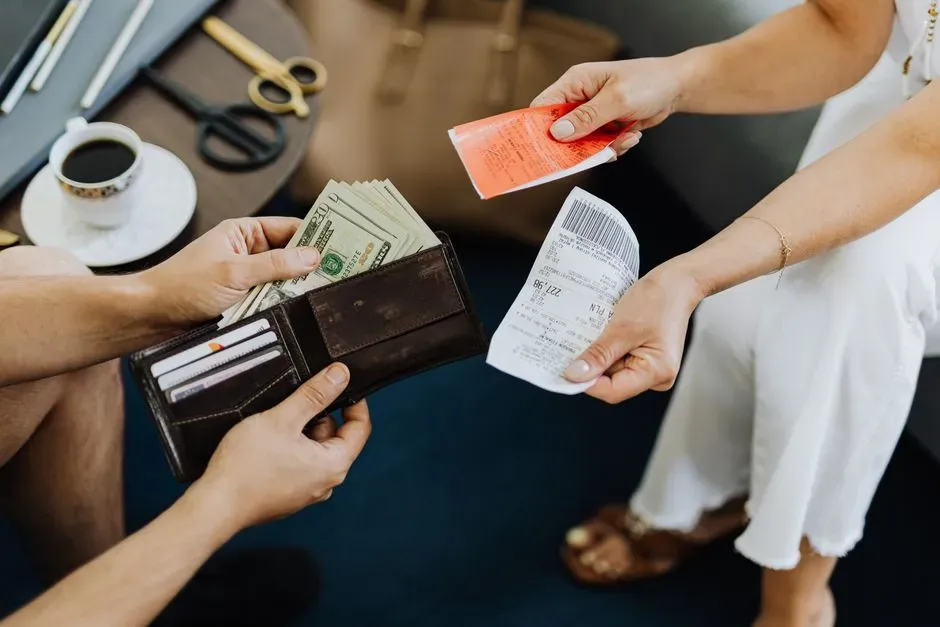
The simplest fix for most people is just saying something out loud before the check lands, rather than performing a silent standoff over the leather folder. A quick “let’s split this” or “I’ve got this one, you get the next” removes ambiguity and, frankly, keeps the good energy of the date intact. Awkward silence over a bill can undercut thirty minutes of great conversation faster than almost anything else.
Apps like Venmo and Splitwise have made even splits nearly frictionless, which has quietly changed the etiquette itself. Nobody has to do napkin math anymore, and that convenience has made splitting feel less transactional than it used to. For a date that’s going well, removing friction from the money moment usually means more time talking and less time doing mental arithmetic.
When picking up the whole tab sends its own message

When picking up the whole tab sends its own message (Image Credits: Pexels)
There are moments when covering the entire bill isn’t about tradition at all, it’s simply a gesture that matches how the night felt. Someone who suggested a slightly pricier restaurant, or who initiated the date in the first place, might feel it’s natural to cover it, win or lose on chemistry. That instinct still shows up often, even among people who otherwise believe in splitting evenly.
What’s changed is that this gesture no longer reads as an obligation tied to gender. There is a growing preference for shared responsibility, where both parties contribute to the cost of dates based on their respective financial means, with Gen Z embracing a more egalitarian approach compared to previous generations where it was often assumed men would foot the bill. Picking up the tab on a great date, in other words, has become a choice rather than a script, and that shift is arguably the most meaningful change in how modern dating actually works.
The bottom line on splitting when things are going well
The bottom line on splitting when things are going well (Image Credits: Unsplash)
There's no universal rule waiting to settle this, and the data makes that pretty clear. Roughly half of daters lean one way, the other half lean the opposite direction, and a good date doesn't automatically move someone from one camp to the other. What tends to matter more than the actual math is whether both people feel comfortable enough to say what they're thinking before the check even lands on the table.