
There’s a quiet difference between choosing a partner with clarity and simply arriving at one. Some people date casually for years before committing. Others skip that whole chapter entirely, moving from “met someone” to “this is my person” without much reflection in between. It happens more often than people realize, and the reasons are rarely simple.
Psychological motivations behind rushing into a romantic relationship can include fear of being alone, societal pressures, a lack of outcome independence, or a desire for immediate emotional validation. When those drivers are strong enough, the dating process, with all its uncertainty and awkwardness, can feel like an obstacle rather than something worth doing. So people skip it. Here are the signs that you might have done exactly that.
You Can't Really Describe What You Want in a Partner

You Can't Really Describe What You Want in a Partner (Image Credits: Pexels)
One of the clearest signs you bypassed real dating is an inability to articulate what you actually need from a relationship. People who've dated a range of people tend to build a clearer picture over time, learning through experience what works and what doesn't. Without that, your preferences stay vague and untested.
We tend to talk about qualities of the person we want, like someone educated or someone who wants to travel, but we don't really talk about what we want from a partner in terms of emotional dynamics, communication style, and daily compatibility. Knowing yourself well enough to answer those deeper questions usually takes time and a few trial runs. If you've never had those trial runs, you're likely navigating a serious relationship with a blindfold on.
You Moved in Together Before You'd Had a Single Serious Argument
You Moved in Together Before You'd Had a Single Serious Argument (Image Credits: Pexels)
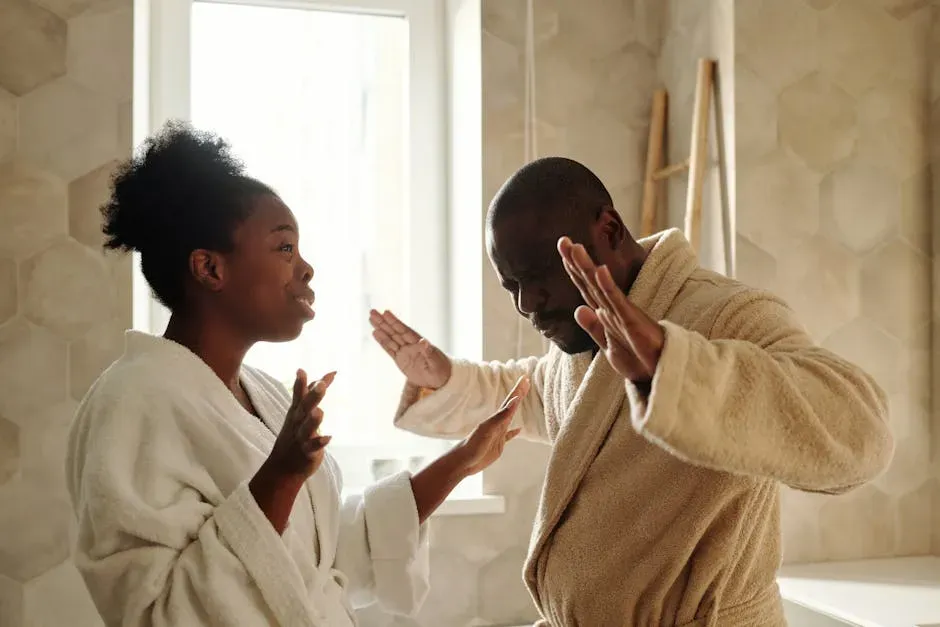
Cohabitation before conflict resolution experience is a quiet warning sign. Sharing a space tests a relationship in ways that dates and honeymoon phases simply don't. Rushing into love can lead to disjointedness in the natural progression of a relationship. As a result, you may miss out on opportunities to explore each other's needs and grow together, which can lead to major misunderstandings and unresolvable conflicts.
Skipping the "define the relationship" conversation can make the rest of the path foggy. If you moved in together or made major shared commitments before you'd properly navigated a disagreement, you essentially stress-tested a structure that was still being built. That fog tends to lift eventually, and not always gently.
The Relationship Happened to You Rather Than Being Chosen

The Relationship Happened to You Rather Than Being Chosen (Image Credits: Pexels)
Settling in a relationship is often based on a pattern where a person impulsively chooses someone for the wrong reasons, such as jumping into a relationship to prevent being alone. This can look, from the outside, like a normal relationship. The couple seems fine. They function. They're committed. The issue is that the commitment was born more from circumstance than from genuine, deliberate choice.
People in this situation often describe their relationship origin story with phrases like "it just made sense" or "we were both available." There's nothing wrong with organic beginnings, but if you never paused to ask yourself whether this was actually what you wanted, the relationship may have started as a default rather than a decision.
You've Never Sat With Being Single Long Enough to Know Yourself

You've Never Sat With Being Single Long Enough to Know Yourself (Image Credits: Pexels)
Just as individuals can remain unpartnered as a way of avoiding painful experiences, they can marry or partner for defensive reasons, such as avoiding aloneness or self-discovery. The ability to be genuinely comfortable alone, not just busy or distracted but actually at ease, is something that develops with practice. People who skip the dating phase often skip this entirely.
People are increasingly embracing self-love before getting into relationships, with creators and experts arguing that prioritizing self-love leads to more fulfilling relationships moving forward. If you've consistently moved from one committed relationship to the next without breathing room, it's worth asking whether you've ever had the chance to discover what you actually enjoy, need, or value outside of a partnership.
Stability Mattered More to You Than Compatibility
Stability Mattered More to You Than Compatibility (Image Credits: Pexels)
There's a particular form of settling that looks like sensible decision-making. You chose someone reliable. Someone kind. Someone who wanted what you thought you wanted. Some people choose a partner who reminds them of what was familiar in their upbringing, or discard relationships that invited them to grow and instead settle on a relationship that allows them to remain within their comfort zone.
Stability is genuinely important in a long-term relationship. But when it becomes the primary criterion, compatibility often gets quietly deprioritized. Compatibility is complex. It doesn't just refer to whether personality traits mesh well and values line up, but also whether two people share similar visions for the future. Even people who are well-matched in many ways will run into issues if they're headed in different directions. Skipping dating means you rarely get to properly test that alignment before it matters most.
You Experience Emotional Numbness in the Relationship

You Experience Emotional Numbness in the Relationship (Image Credits: Unsplash)
If a person feels emotionally numb or indifferent towards their partner or their relationship, this often stems from a lack of emotional connection, or they may be struggling with unresolved traumatic wounding. Emotional flatness in a relationship isn't always about falling out of love. Sometimes it points to the fact that the depth of connection was never really built in the first place.
When two people skip the gradual intimacy that comes from extended dating, they often settle into a functional routine without ever developing the kind of emotional fabric that makes long-term partnership feel meaningful. Unsatisfying relationships often involve emotional immaturity, where a partner's ability to be present is significantly reduced, leading to dodging serious issues, downplaying problems, or lacking emotional empathy. That combination, skipped foundation plus limited emotional depth, can quietly hollow out a relationship from the inside.
You've Quietly Wondered What You Missed
You've Quietly Wondered What You Missed (Image Credits: Pexels)
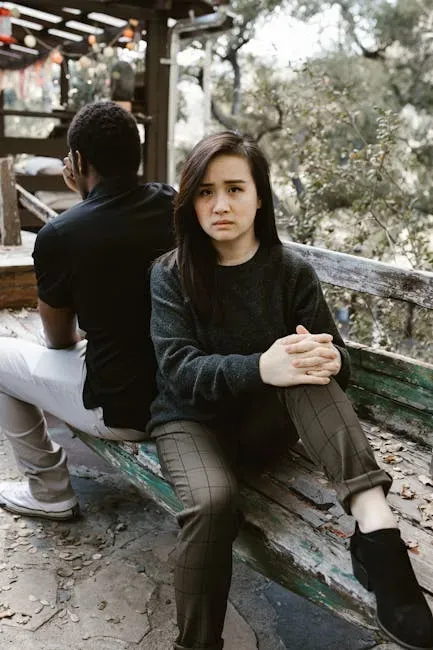
As the honeymoon phase starts to reduce in intensity, it is sometimes tempting to pause and think: "Is this it? Is this what I waited my whole life for?" That question isn't always a sign something is wrong. Sometimes it's simply the brain catching up to a decision the heart made in a hurry.
People who skipped the dating phase often experience a delayed curiosity about what they bypassed. This isn't necessarily about wanting a different partner. It's more about a growing awareness that there were experiences, and a version of yourself, that never quite got to exist. In a sea of seemingly endless options, it can be hard to assess whether the person you're with is right for you long-term. Often, people overlook issues and red flags when they're worried they might not find someone else.
Your Partner's Non-Negotiables Were Never Actually Discussed

Your Partner's Non-Negotiables Were Never Actually Discussed (Image Credits: Pexels)
A hallmark of rushing past the dating phase is that foundational conversations about values, life goals, finances, and family simply never happened in a structured way. The pivot from "potential" to "official" is often a conversation about definitions and expectations. Many people delay this because it feels awkward to formally "define the relationship," yet this is exactly the moment when mutual expectations need to be set.
Commitment is the one thing you should never rush in a relationship. When you move directly from early attraction to long-term commitment without the middle chapter, the conversations that should have happened organically over months of dating get crammed in later, often under pressure, often after shared leases and merged finances have made any disagreement feel much higher-stakes. That's a difficult position to negotiate from.
You Stay Partly Out of Fear Rather Than Out of Love

You Stay Partly Out of Fear Rather Than Out of Love (Image Credits: Pexels)
The fear of being alone is often a powerful motivator for remaining in relationships past their expiration date. This fear can lead a person to stay in unhealthy relationships. This fear is rarely something people consciously acknowledge. It tends to operate in the background, showing up as a reluctance to examine whether the relationship is actually working.
The greatest predictor of partner-seeking behavior is often fear of being alone. People who feel anxious at the thought of being single forever show high levels of partner-seeking behavior and satisfaction with relationships once they find them, even when those relationships have genuine problems. That anxious relief of not being alone can be mistaken for love for a surprisingly long time.
You Feel Like You're Playing a Role Rather Than Living Your Life

You Feel Like You're Playing a Role Rather Than Living Your Life (Image Credits: Unsplash)
There's a particular quality to relationships that moved too fast, too early. They can feel slightly performative, as though you're enacting the idea of a relationship rather than genuinely living inside one. In situations where settling has occurred, a person often feels trapped, empty, disillusioned, and unsatisfied in their lives.
Individuals can partner for defensive reasons, such as avoiding aloneness or self-discovery. Self-understanding can help a person recognize when partnering is a growing experience and when it is a way of avoiding knowing oneself. That distinction, growing versus avoiding, is ultimately what separates a relationship you chose from one you defaulted into. Recognizing the difference, even quietly and late, is the first step toward changing the dynamic or making genuine peace with where you are.