
There's a particular sound that anyone raised in the 1990s remembers: the crisp rustle of cash being counted out on a kitchen table, divided into labeled envelopes for rent, groceries, and gas money. It was a habit born out of necessity rather than trend, practiced by parents who didn't trust banks to keep them honest and who needed a physical system to stretch a paycheck. Decades later, that same low-tech method has quietly resurfaced, not among retirees nostalgic for simpler times, but among twenty-somethings scrolling TikTok at midnight.
What the envelope system actually looks like

What the envelope system actually looks like (Image Credits: Pixabay)
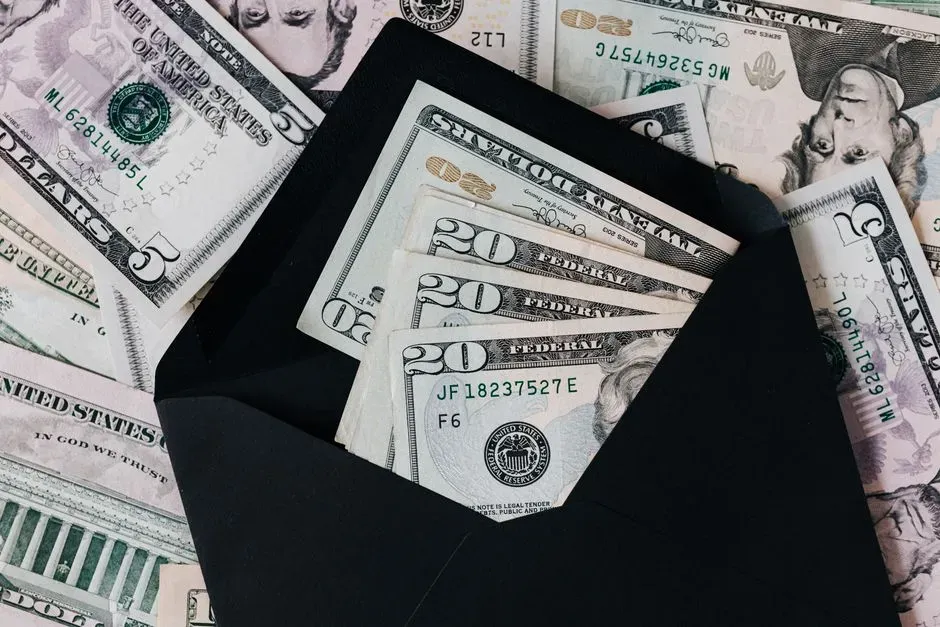
The mechanics haven't changed much since your grandmother's era. Envelope budgeting, also known as the "cash-stuffing method," might seem old-fashioned in today's digital world, but it's a helpful way to visually manage and keep track of your money, with each envelope representing a spending category like groceries or entertainment. You label an envelope, stuff it with a set amount of cash, and once it's empty, spending in that category stops for the month.
This method helps you avoid using credit cards or dipping into your checking account. It sounds almost too simple to work, yet that simplicity is exactly why it's been passed down through generations of budget-conscious households.
Why it never fully disappeared, even in the digital age
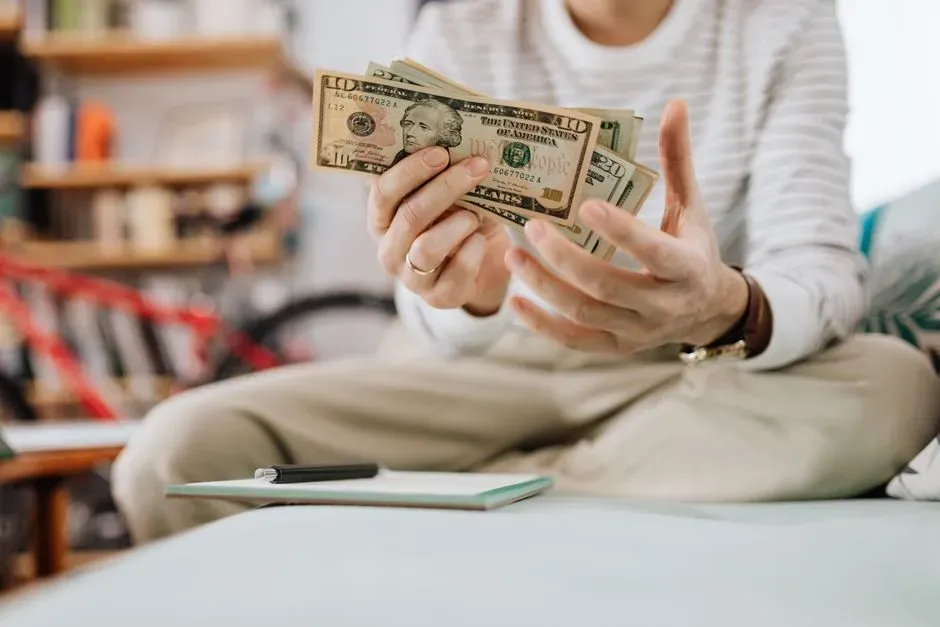
Why it never fully disappeared, even in the digital age (Image Credits: Pexels)
Cash stuffing didn't vanish when debit cards and mobile wallets took over. It was popularized by personal finance teachers in the 1990s, but the concept goes back generations, quietly practiced by families who never trusted swiping plastic as much as counting bills. What's changed is the audience and the platform carrying it forward.
Your grandmother probably did it with cash and paper envelopes, your parents might have done it with a spreadsheet and good intentions, and in 2024, millions of TikTok users rediscovered it under a trendier name: cash stuffing. The habit skipped a generation in popularity, then landed squarely on a younger one with a new label attached.
The numbers behind the 2026 revival
The numbers behind the 2026 revival (Image Credits: Unsplash)
This isn't a fringe curiosity anymore. Cash envelopes came back on TikTok with 3 billion combined hashtag views, a scale that's hard to dismiss as a passing fad. 53% of Americans set a budget for 2026, up from 46% the year before, largely because 76% identified cost of living as their biggest economic concern, and 54% are living paycheck to paycheck.
The financial pressure explains the timing well. When money feels tight and unpredictable, people gravitate toward systems that make spending visible rather than abstract, and few systems do that more bluntly than a stack of physical cash running low.
The psychology of pain that makes cash different

The psychology of pain that makes cash different (By ALYBA, <a href="https://commons.wikimedia.org/w/index.php?curid=63809444" target="_blank" rel="noopener">CC BY-SA 4.0</a>)
There's real behavioral science behind why handling paper money changes spending patterns. Researchers found that credit card buyers bid more than twice as much as cash buyers in identical auction settings, suggesting the psychological cost of spending a dollar on a credit card is only fifty cents. That gap isn't trivial; it's the entire reason cash-based systems tend to curb impulse spending more effectively than cards.
The more transparent the payment outflow, the greater the aversion to spending, leading to less transparent payment modes such as credit cards being more easily spent or treated like "monopoly money." Physically removing bills from an envelope forces a moment of hesitation that a tap or swipe simply doesn't provide.
How Gen Z rebranded a decades-old habit
How Gen Z rebranded a decades-old habit (Image Credits: Unsplash)
Younger savers didn't just adopt the envelope method; they gave it a cultural identity. The trend has split into three lanes: physical cash stuffing with aesthetic binders and color-coded dividers, digital envelope apps like Goodbudget, and hybrid setups where cash handles discretionary spending while apps manage fixed bills. What was once a purely practical exercise has become something closer to a lifestyle aesthetic, complete with decorative binders shared online.
Alongside it, a related practice called loud budgeting has taken hold. 42% of Gen Z respondents said they're comfortable declining social opportunities and admitting they can't afford to participate, a figure up from 38% in 2024. Talking openly about limited budgets, once considered awkward, has become almost a badge of financial maturity among younger adults.
Why digital envelopes are filling the gaps physical cash can't
Why digital envelopes are filling the gaps physical cash can't (Image Credits: Pexels)
Pure cash stuffing has an obvious weakness in 2026: much of daily life happens online. Physical cash has real limitations since it cannot handle online purchases, subscriptions, or shared expenses, while digital envelope apps provide the same psychological guardrails with full transaction coverage. Apps have essentially translated the tactile discipline of a paper envelope into a digital ledger that still enforces hard spending limits.
Digital envelope apps cost between $0 and $109/year and help users save an average of 20% more than those without a budgeting system. For people who still want the psychological boundary of an empty envelope but need to pay rent through a bank transfer, this hybrid approach has become the practical middle ground.
The economic backdrop driving the return to basics
The economic backdrop driving the return to basics (Image Credits: Unsplash)
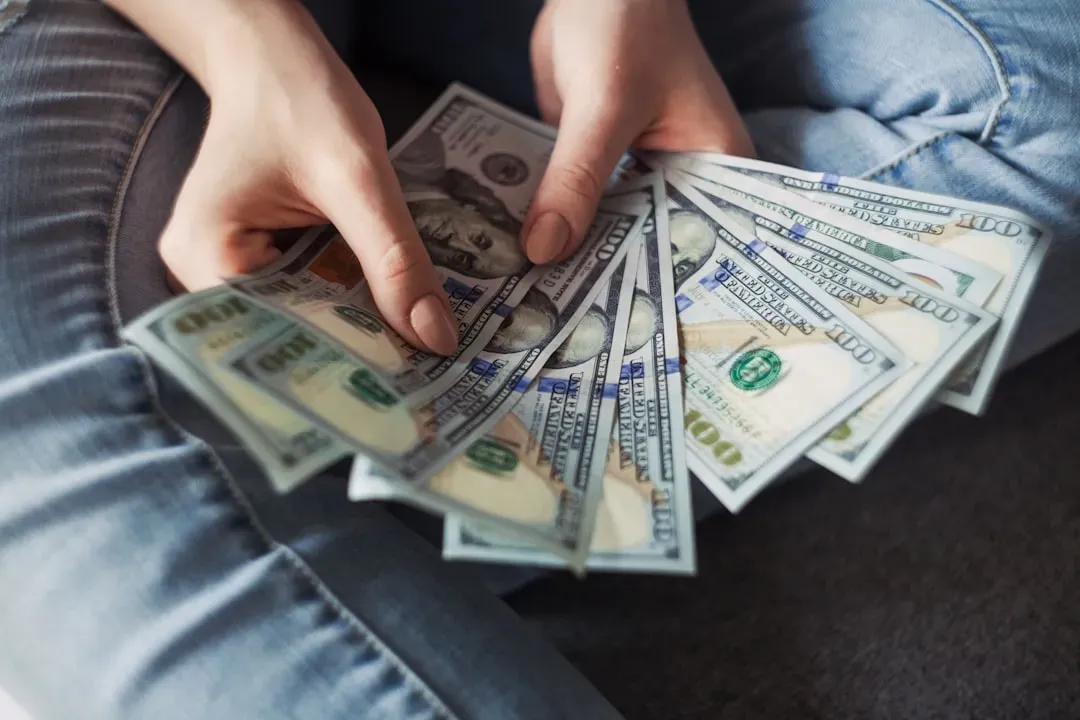
None of this is happening in a vacuum. The average personal savings rate has fallen dramatically over the past five decades, sitting at just 2.6% in 2026 compared to 12.2% in the 1970s, while 49% of Americans would struggle to cover a $400 emergency expense today. Those figures paint a picture of a population that has more tools than ever to manage money digitally, yet somehow feels less financially secure than previous generations did with far less technology.
The method is making a comeback in 2026 because so many people feel like they have no idea where their money goes, and a 2024 Federal Reserve report found that 37% of U.S. adults could not cover a $400 emergency with cash. A visible, tactile system offers something that a banking app notification rarely does: an immediate, undeniable sense of exactly how much is left.
Subscriptions and hidden spending fueling the shift
Subscriptions and hidden spending fueling the shift (Image Credits: Unsplash)
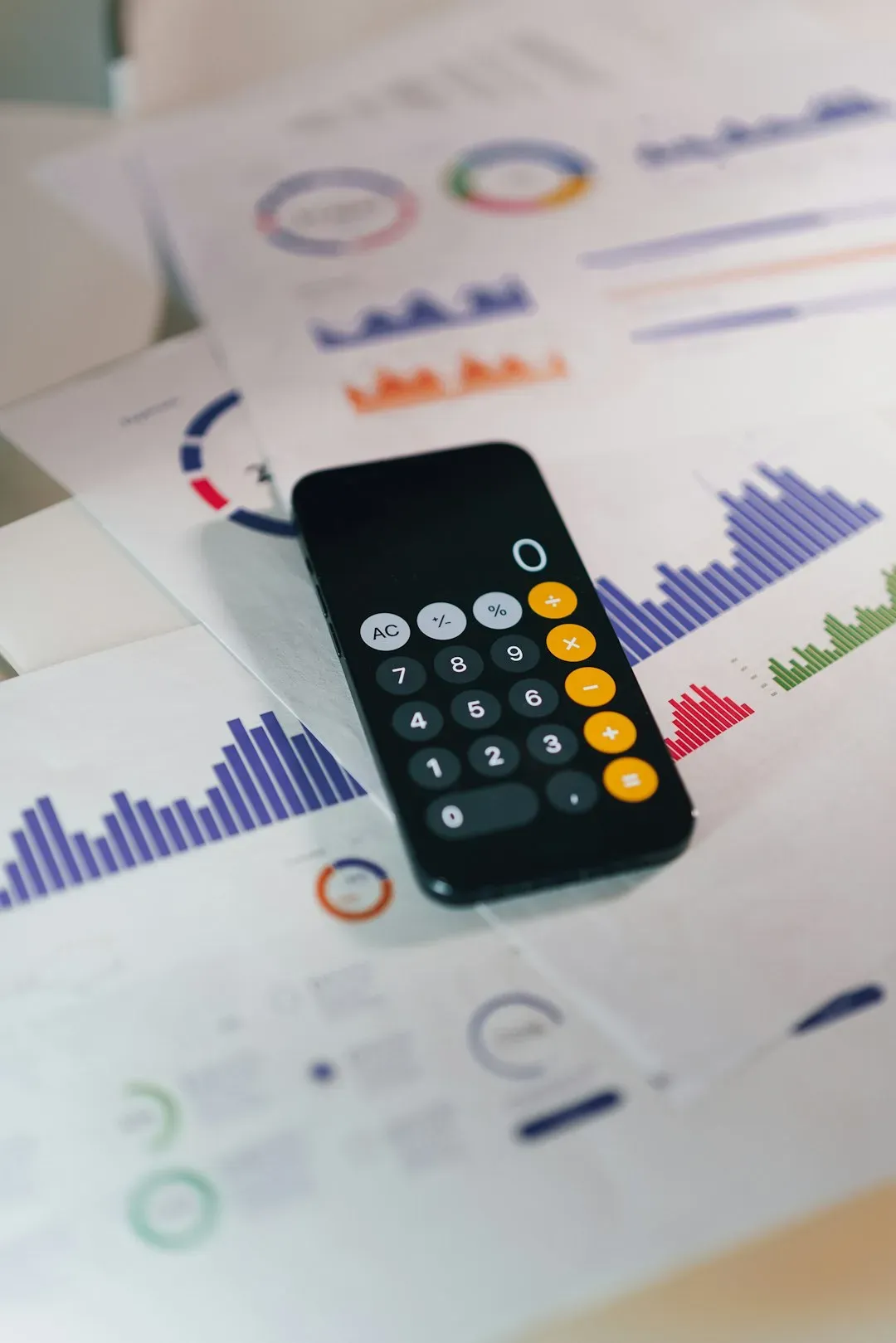
Part of what's pushing people back toward manual tracking is a growing awareness of how much invisible spending accumulates. The average person spends $219 per month on subscriptions but thinks they spend $86, and that 2.5x perception gap explains why subscription trackers and AI-powered categorization tools are the fastest-growing features in budgeting apps. Cash envelopes address this blind spot directly by forcing every dollar into a category before it's spent, rather than letting recurring charges quietly drain an account.
This gap between perceived and actual spending is arguably the strongest argument for the envelope method's revival. When money exists only as numbers on a screen, it becomes remarkably easy to lose track of where it's actually going, and remarkably hard to notice until the damage is already done.
Whether the habit actually delivers results
Whether the habit actually delivers results (Image Credits: Pexels)
The evidence for the method's effectiveness isn't just anecdotal. According to Debt.com's annual budgeting survey, more than 86% of people who budget say it has helped them either avoid debt or pay it off, and nearly 95% say budgeting is now more important than ever. Envelope-style systems in particular tend to succeed where looser budgeting apps fail, largely because they remove the option to overspend rather than simply flagging it after the fact.
In 2026, financial stress remains one of the leading causes of household tension, and a system that creates clarity can be more valuable than the specific numbers themselves. That clarity, more than any single savings statistic, appears to be what's drawing people back to a method their grandparents used out of necessity rather than choice.
The takeaway for anyone considering it
The takeaway for anyone considering it (Image Credits: Unsplash)
The envelope system isn't a magic fix, and nobody serious about personal finance claims it is. Envelope budgeting doesn't promise overnight wealth, but what it does offer is awareness, discipline and confidence, three traits that compound over time. It's a slow, unglamorous method dressed up in modern packaging, and that's precisely why it still works.
Whether someone chooses a stack of physical bills or a color-coded app, the underlying principle stays the same as it was decades ago: decide where the money goes before it disappears. In a year defined by tight budgets and quiet financial anxiety, that old habit turned out to be more relevant than anyone expected.