
Every year, a fresh batch of livability rankings tries to answer the same nagging question: where in America do people actually enjoy their lives the most? The lists rotate a bit depending on who's crunching the numbers, but a handful of cities keep showing up near the top, year after year, for reasons that go beyond weather or rent prices.
What's interesting is what happens once people actually move to these places. Residents in certain cities report a specific kind of anxiety, not about crime or cost, but about the possibility that leaving would mean downgrading their entire quality of life. Here are five places where that fear seems to be well founded.
Fremont, California: The Bay Area Suburb Where Happiness Tops the Charts

Fremont, California: The Bay Area Suburb Where Happiness Tops the Charts (Image Credits: Unsplash)
Fremont has claimed the top spot in WalletHub’s happiness rankings for three consecutive years, and the 2026 data explains why residents seem reluctant to picture life elsewhere. Ranked the No. 1 happiest U.S. city for the third year in a row, Fremont is clearly doing something right, with residents both emotionally and physically happier than people in any other city in America. The city also posts the nation’s highest life satisfaction rate and the lowest separation and divorce rate.
The financial picture reinforces the emotional one. Fremont households outearn their peers, with 70.7% of Fremont households earning over $100,000, the most studywide, paired with the lowest poverty rate of 4.7%. There’s a trade off worth mentioning, since 18.1% of households in Fremont end up spending 50% or more of their income on housing, but for many residents, the stability and health coverage seem to outweigh that cost.
Bismarck, North Dakota: A Prairie Capital With an Outsized Sense of Community
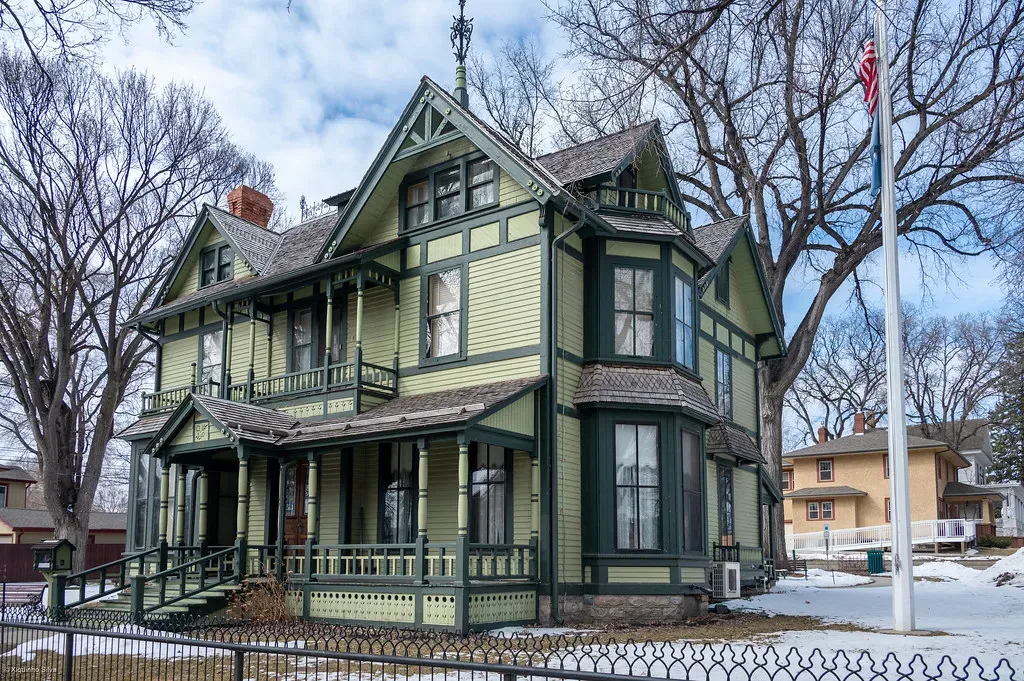
Bismarck, North Dakota: A Prairie Capital With an Outsized Sense of Community (xiquinhosilva, Flickr, <a href="https://creativecommons.org/licenses/by/2.0/" target="_blank" rel="noopener">CC BY 2.0</a>)
Bismarck’s climb into the top tier of happiness rankings surprised some observers, but the numbers back it up. The city ranks second largely because of its strong health outcomes and quality of life indicators, with residents reporting high levels of physical well being and benefiting from the largest average amount of daily leisure time among the cities studied. That extra free time appears to translate into a genuinely active social calendar.
Locals aren’t just sitting around with spare hours, either. Bismarck keeps residents happily busy with a packed calendar of art fairs, street parties, farmers markets, and festivals, which has created a vibrant and tight knit community and contributed to its No. 2 ranking in the 2026 happiness study. Add in recent economic growth that has attracted young professionals and entrepreneurs, along with an outdoor scene built around paved bike paths and mountain bike terrain near Harmon Lake, and it’s easy to see why people who land there tend to stay.
Arlington, Virginia: Where Long Life and High Earnings Meet
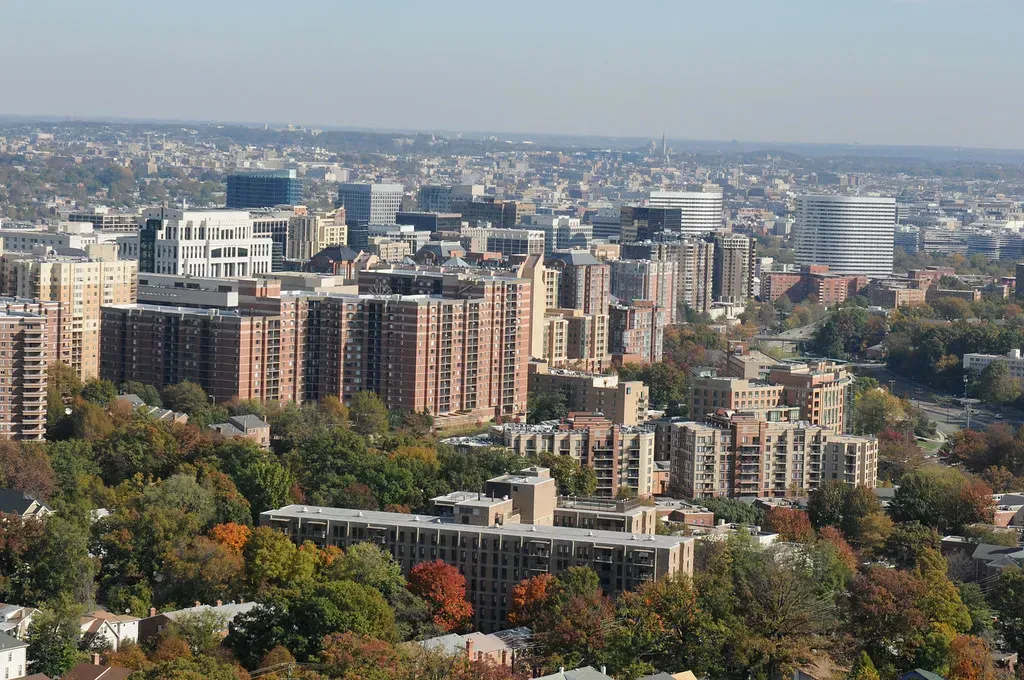
Arlington, Virginia: Where Long Life and High Earnings Meet (Arlington County, Flickr, <a href="https://creativecommons.org/licenses/by-sa/2.0/" target="_blank" rel="noopener">CC BY-SA 2.0</a>)
According to SmartAsset’s 2026 happiness study, Arlington sits at the very top of the list, and the underlying data reads like a checklist of everything people say they want from a place to live. Arlington ranks as the happiest city for 2026, placing among the top five cities for metrics including life expectancy of 83.9 years, households earning over $100,000 at 64.3%, and mentally healthy days at 84.9%. Those aren’t marginal numbers; they represent a meaningful gap over most other mid-sized American cities.
Physical health habits track just as well. The same study found adults getting exercise at 83.0% and access to activity spaces at a full 100.0%, suggesting infrastructure that actively supports an active lifestyle rather than just talking about it. For a city sitting just across the river from Washington, D.C., Arlington manages to combine urban convenience with the kind of suburban stability that keeps people from wandering.
Washington, D.C.: The Nation's Capital Reinvents Itself as America's Most Livable Metro

Washington, D.C.: The Nation's Capital Reinvents Itself as America's Most Livable Metro (Image Credits: Unsplash)
It’s a bit unexpected for a city known mostly for politics and traffic, but Washington, D.C. topped RentCafe’s 2026 livability rankings outright. A new national ranking from RentCafe.com points to a mix of large urban hubs and mid-sized markets led by Washington, D.C., which occupies the top position in 2026, ranking first overall in both quality of life and location and community. That’s a notable jump from where the city stood before.
The climb wasn’t accidental. Ranked No. 1 for quality of life, location and community, and overall livability, Washington D.C.’s focus on wellness and ongoing revitalization efforts helped it climb from seventh place last year to the top spot. What really sets it apart, though, is the social infrastructure: the capital leads the nation with a social association rate twice that of runner-up Huntington, WV, giving renters access to more than 2,000 professional membership associations to connect with peers. For newcomers who worry about building a network from scratch, that density of connection points is hard to replicate elsewhere.
Kansas City, Missouri: Affordable, Educated, and Increasingly Hard to Leave
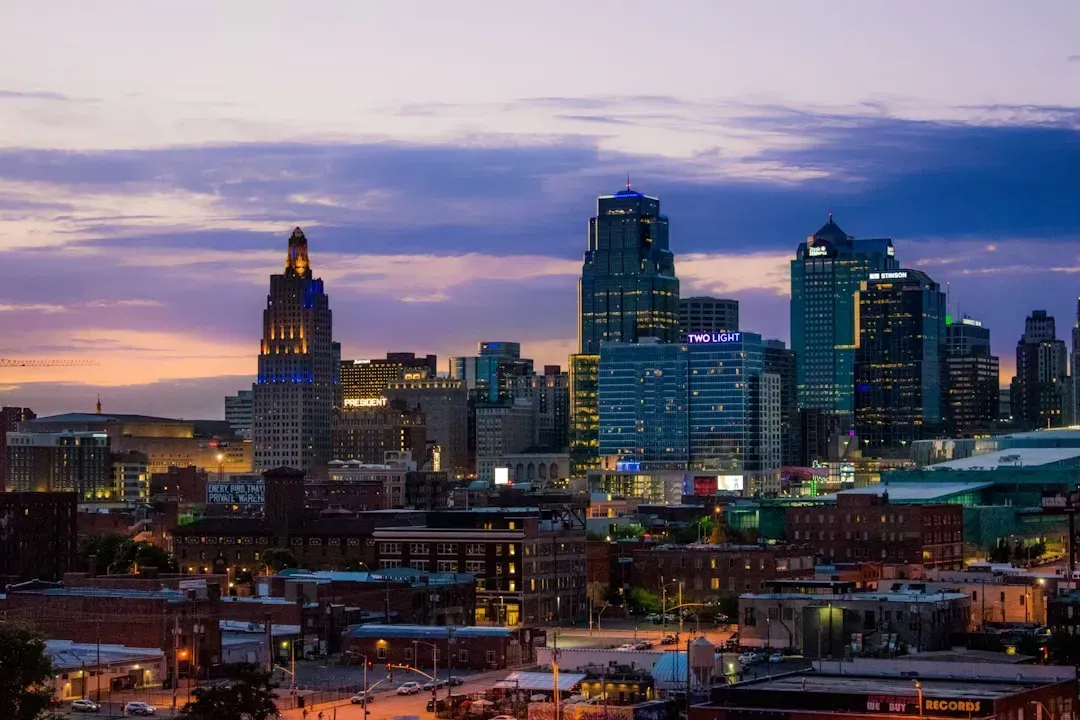
Kansas City, Missouri: Affordable, Educated, and Increasingly Hard to Leave (Image Credits: Unsplash)
Kansas City has quietly become one of the most consistently praised metros in the country, landing at third overall in RentCafe’s 2026 rankings. On the list of the most livable metro regions, Kansas City, MO comes in third, ranked fourth in socioeconomics and fifth in location and community due to a consistent rate of income growth and a cost of living that is 12% lower than the national average. That combination of growth and affordability is rare enough to explain much of the loyalty residents show toward the city.
Commute times and education levels add to the appeal. Only one in five residents have a lengthy commute, among the lowest rates in the study, and due to the more than 20 colleges, universities, and technical schools in the area, approximately 85% of KCMO citizens have advanced degrees. For a metro that doesn’t get nearly the national attention of the coasts, that’s a strikingly well-rounded résumé, and probably why people who settle there rarely talk about moving on.
The Common Thread Behind These Rankings
The Common Thread Behind These Rankings (Image Credits: Unsplash)
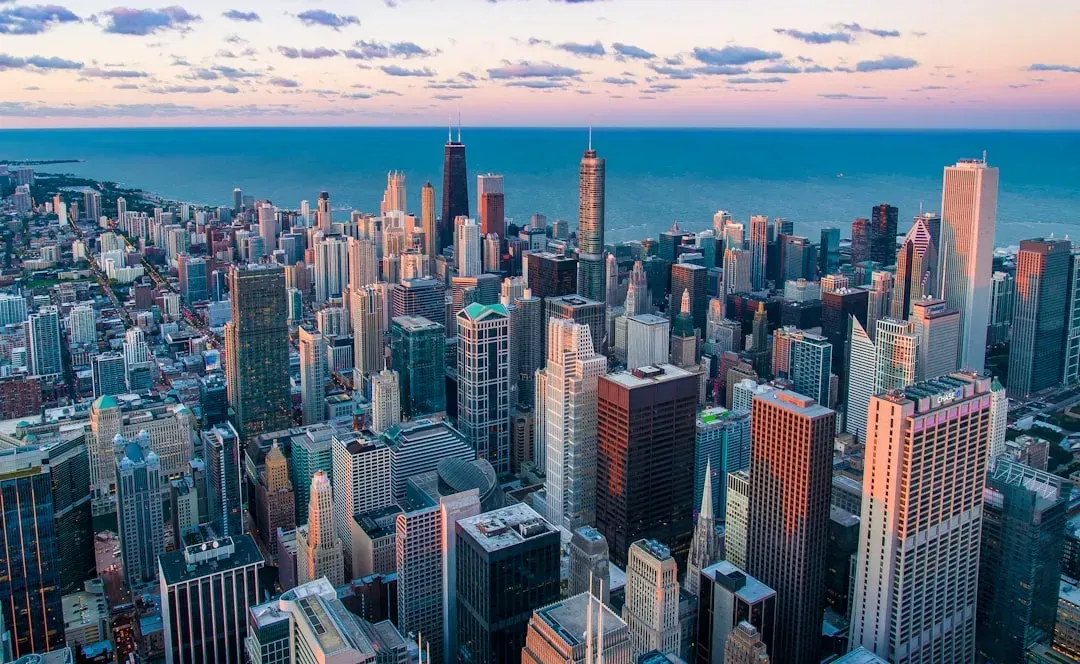
None of these five cities share an obvious profile. One is a Bay Area suburb, one is a state capital on the northern plains, one sits in the shadow of the U.S. Capitol, and two are Midwestern metros most coastal residents rarely think about. Yet each one keeps landing near the top of separate, independently conducted studies measuring different things: happiness, health, income, education, and social connection.
That consistency across multiple methodologies is probably the real story here. It suggests these rankings aren't just picking up a single lucky data point, but something more durable about how these places are actually built and run. Whether that holds steady through the next round of rankings remains to be seen, but for now, residents in these five cities have good reason to wonder if they've already found the best version of home.