
Walk down any grocery aisle and you’re surrounded by names that feel permanent, like they’ve always belonged to the product on the label. Most haven’t. Behind a surprising number of familiar foods sits a quiet history of rebranding, where a marketer, a board of growers, or a fish wholesaler decided that the old name was costing sales and simply swapped it out.
Some of these changes happened decades ago and stuck so well that few people remember the original term at all. Others are more recent, tangled up in FDA approvals, trademark filings, and shifting consumer tastes that are still playing out today. Here are six foods whose names were deliberately changed, and the stories behind why.
1. Kiwifruit (formerly Chinese gooseberry)
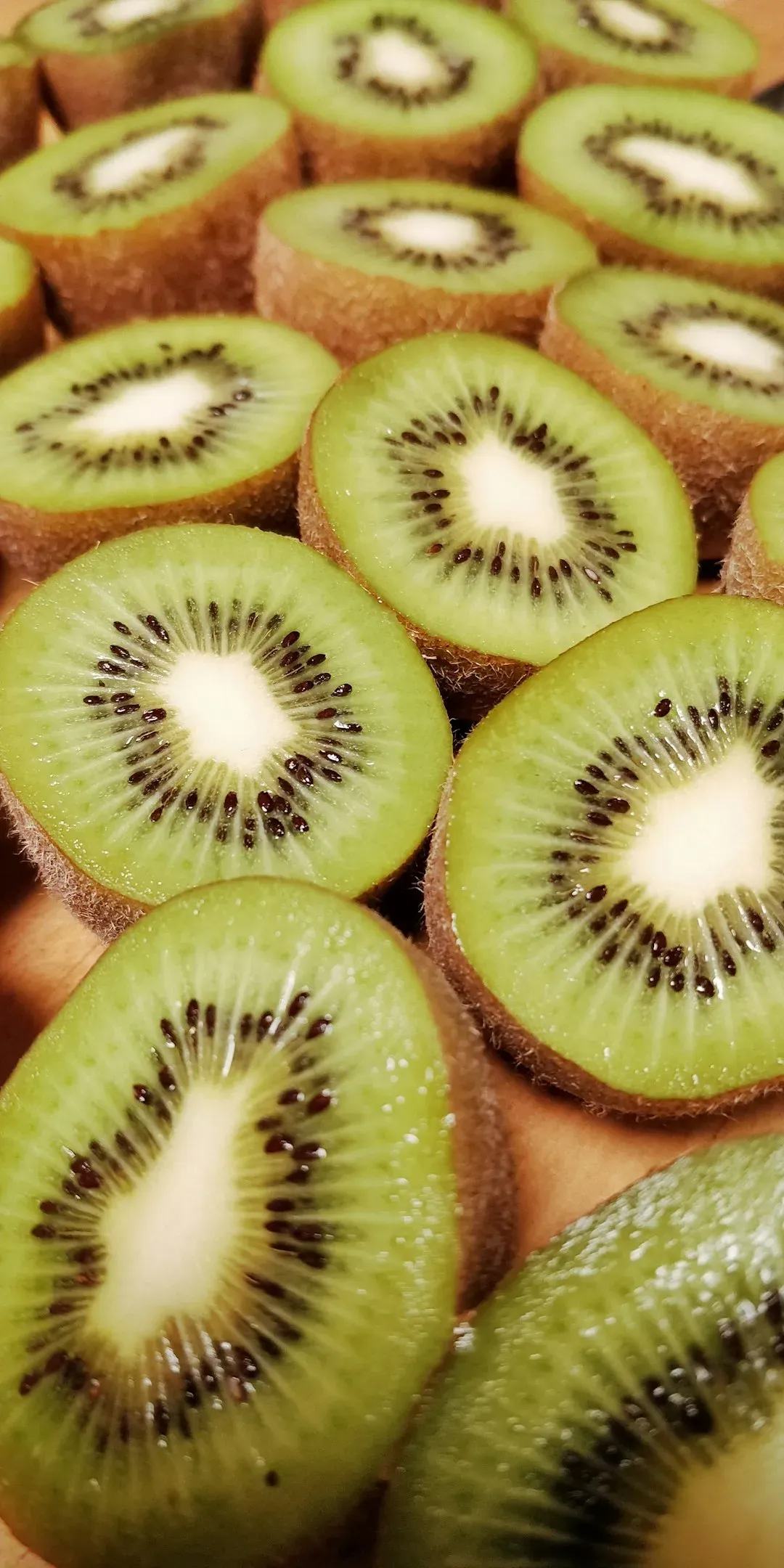
1. Kiwifruit (formerly Chinese gooseberry) (Image Credits: Unsplash)
Before it was kiwifruit, this fuzzy brown fruit was known in English simply as the Chinese gooseberry, a name that stuck because early growers thought its flavor resembled the tart little berry already familiar to shoppers. People thought the fruit had a gooseberry flavour and began to call it the Chinese gooseberry. That worked fine domestically, but once New Zealand exporters started shipping the fruit to American buyers in the 1950s, the name became a liability. This was the height of the Cold War and the term Chinese gooseberry was a marketing nightmare for Turners and Growers.
The company's first fix, calling it a "melonette," didn't work either. Their first idea, 'melonettes', was equally unpopular with US importers because melons and berries were subject to high import tariffs. The breakthrough came from an executive named Jack Turner. In June 1959, Jack Turner suggested the name kiwifruit during a Turners and Growers management meeting in Auckland. The new name didn't take over the industry overnight, though. Demand for the fruit started to take off, and by the 1970s, the name kiwifruit took root across the Chinese gooseberry trade, cementing its popular imagination as the quintessential New Zealand product.
2. Canola oil (formerly rapeseed oil)

2. Canola oil (formerly rapeseed oil) (Image Credits: Pexels)
Rapeseed oil has a long industrial history, valued mostly for lubricating machinery rather than for cooking. Rapeseed oil proved invaluable during World War II because no other oil adhered to metal surfaces under the extreme heat and steam conditions of marine engines as effectively. That changed once Canadian scientists began breeding varieties low in erucic acid and bitter-tasting glucosinolates, work that made the oil genuinely safe and pleasant for human consumption. Canola oil originated in Canada in the 1970s, developed through conventional plant breeding at the University of Manitoba.
Once the science was settled, the industry needed a name that didn't carry the baggage of "rape" or the association with an oil meant for engines. The name "canola" is an acronym for "CANadian Oil, Low Acid," trademarked in Canada in 1978. It was a young name for what quickly became a kitchen staple. Canola oil didn't exist until the late 1970s, and it didn't get its name until 1978. Nearly fifty years later, most shoppers have no idea the bottle in their pantry shares a plant lineage with an old shipbuilding lubricant.
3. Chilean sea bass (formerly Patagonian toothfish)
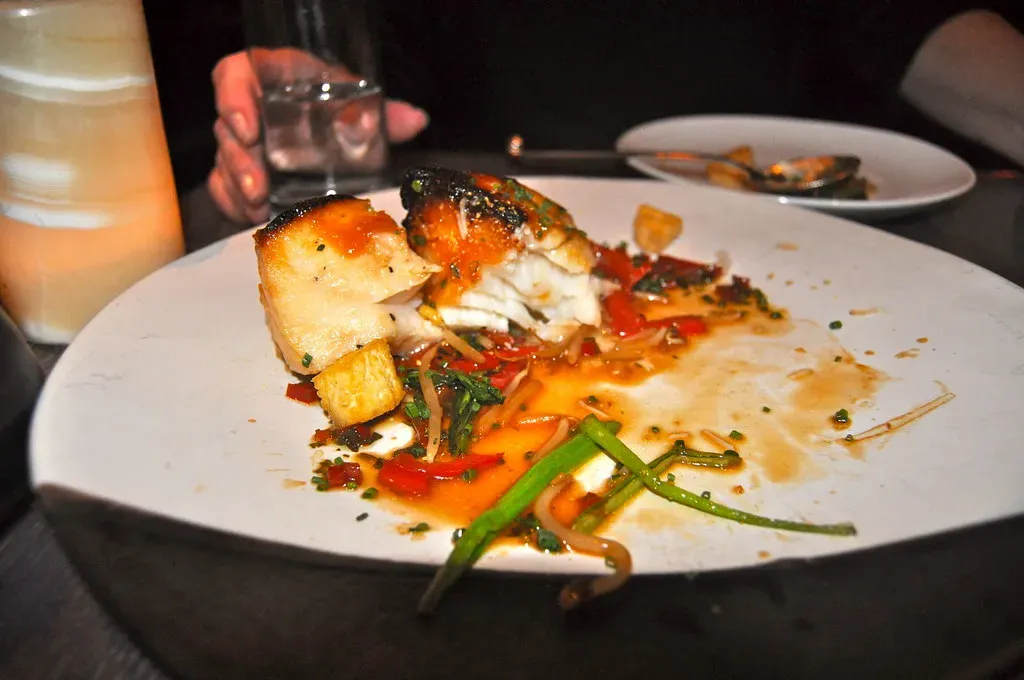
3. Chilean sea bass (formerly Patagonian toothfish) (Studio Sarah Lou, Flickr, <a href="https://creativecommons.org/licenses/by/2.0/" target="_blank" rel="noopener">CC BY 2.0</a>)
Few name changes in food history are as well documented, or as brazen, as this one. "Chilean sea bass" is a marketing name coined in 1977 by Lee Lantz, a fish wholesaler who wanted a more attractive name for selling the Patagonian toothfish to Americans. The irony is that the new name is inaccurate on more than one level. Moreover, the fish isn't even a type of bass; it's a cod.
Regulators eventually caught up with the marketing. In 1994, the U.S. Food and Drug Administration (FDA) accepted "Chilean sea bass" as an "alternative market name" for Patagonian toothfish. The rebrand worked almost too well, and the fish earned a nickname of its own in the trade. The toothfish was remarkably successful in the United States, Europe and Asia, and earned the nickname "white gold" within the market. That popularity came with a cost, since the species grows slowly and doesn't reproduce quickly. The slow reproductive rate and long lifespan of the Patagonian toothfish make it particularly vulnerable to overfishing.
4. Orange roughy (formerly slimehead)
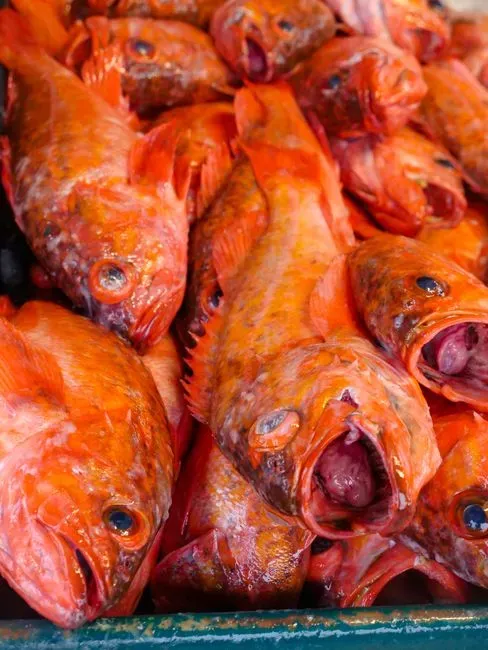
4. Orange roughy (formerly slimehead) (Image Credits: Pexels)
It's hard to imagine a name less appetizing than "slimehead," and fisheries marketers agreed. Anyone who has seen the fish whole on a fishmonger's shelf will recognise its heavy, cartilaginous head, which gave rise to its unappealing former name of 'slimehead'. The fix came through a government program rather than a lone entrepreneur. In the mid-1970s, a marketing programme through the US National Marine Fisheries service came up with the catchier 'orange roughy'. Even the new name is slightly misleading, since the fish isn't actually orange while alive. The fish has a bright, brick red color, fading to a yellowish-orange after death.
The rebrand triggered a genuine boom, and then a genuine crisis. By the late 1980s nearly 90,000 tonnes of the fish were being caught globally, with 54,000 tonnes coming from New Zealand alone in 1989. Scientists later discovered the species lives far longer, and reproduces far more slowly, than anyone initially assumed. The oldest found was estimated to be 149 years old. Catch limits had to be slashed as a result. By the mid-1990s the annual catch allowance had been reduced from a high of 65,000 to 25,000 tonnes.
5. Dried plums (formerly prunes)
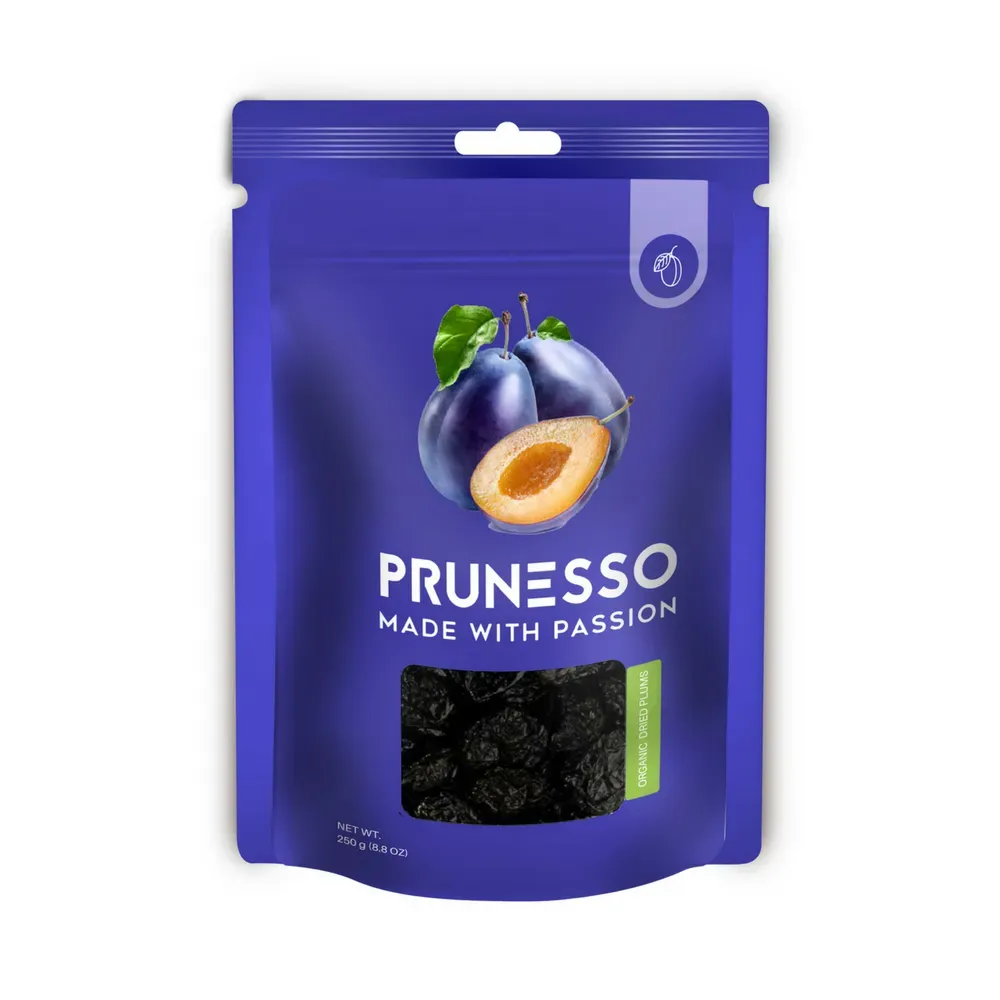
5. Dried plums (formerly prunes) (By Prunesso, <a href="https://commons.wikimedia.org/w/index.php?curid=71577331" target="_blank" rel="noopener">CC BY-SA 4.0</a>)
This is the rare food rename with a documented rise, a documented fall, and a documented reversal, all within the last few decades. Sales had been sliding for years before the industry decided the name itself was the problem. Since 1991, prunes had experienced steadily declining sales. Research showed the name "prune" impeded sales. The California Prune Board pursued a federal fix. The organization was known as the prune board until the summer of 2000, when the U.S. Food and Drug Administration granted it permission to use "dried plums" as an alternative name.
The new name didn't stick for good, though. Almost two decades later, the industry reversed course entirely. The California Dried Plum Board is once again embracing "prunes," 19 years after changing its name and the way the dried fruit was marketed. The return to the old name came alongside a shift in how the fruit is marketed, leaning into wellness trends rather than avoiding an unpopular word. Gut health has gained more interest and relevance, new research shows eating prunes may support bone health, and the foodie culture has brought new interest. As of 2026, "prune" is back on the label, proof that a name change isn't always permanent.
6. Mahi-mahi (formerly dolphinfish)
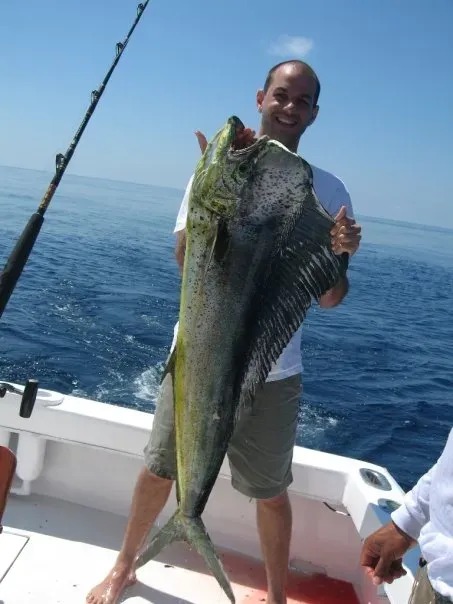
6. Mahi-mahi (formerly dolphinfish) (photograph, <a href="https://commons.wikimedia.org/w/index.php?curid=6370188" target="_blank" rel="noopener">CC BY-SA 3.0</a>)
Dolphinfish is a perfectly accurate name for the species Coryphaena hippurus, but it created an obvious problem at the seafood counter. Diners kept assuming they were being served an actual dolphin, the marine mammal, rather than a fast-growing ocean fish with no relation to it whatsoever. The industry solved this by adopting the Hawaiian name instead, a switch that also gave the fish a more exotic, appetizing ring on menus.
The Hawaiian term doubles as a small language lesson. Mahi-mahi (strong–strong in Hawaiian) instead of dolphinfish (which has no relation to a dolphin) reflects the fish's reputation as a hard fighter on the line, a trait anglers have long respected. The name change avoided the mammal confusion entirely and gave American diners a term they could say with confidence in a restaurant, even if most had no idea it was a rebrand at all rather than the fish's original name.
What ties these six stories together isn't just clever marketing. It's a reminder that the words on a food label are rarely neutral. A name can decide whether a fish gets served in restaurants at all, whether a fruit gets fed to children or avoided by them, and whether a cooking oil ends up in nearly every American pantry. Some of these renamings, like Chilean sea bass and canola oil, proved permanent and reshaped entire industries. Others, like dried plums, show that even a well-funded rebrand can quietly lose its grip once consumers decide the original name wasn't so bad after all.