
Most people think of pest control as a personal choice – a nuisance to deal with on your own schedule, or quietly ignore if the problem feels manageable. That assumption is wrong, and in many places across the United States, it can be a costly one. From cockroaches to termites, certain household pests trigger specific legal obligations that apply whether you’re a homeowner, landlord, or renter.
The implied warranty of habitability is the legal principle stating that landlords are required to provide tenants with a safe and livable home, taking all necessary steps to prevent pest infestations and address existing problems. That’s the legal backbone behind pest control law in most states. The seven pests below aren’t just unpleasant. They carry statutory weight.
Rats: A Legally Recognized Habitability Crisis
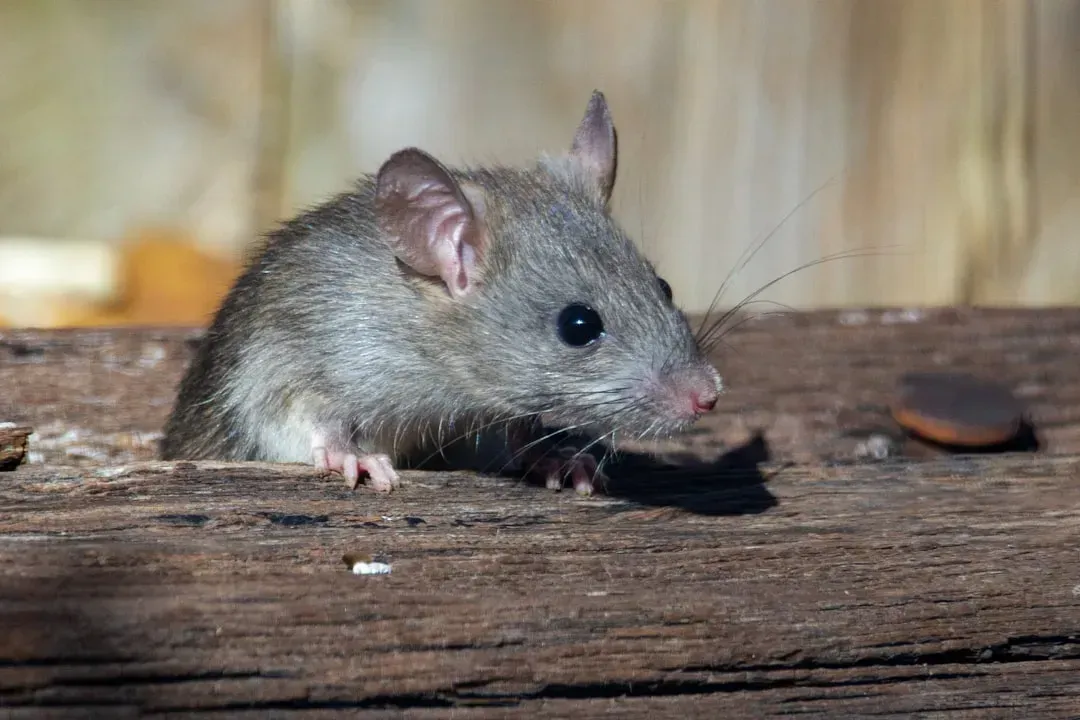
Rats: A Legally Recognized Habitability Crisis (Image Credits: Unsplash)
When rats invade your kitchen, cockroaches spread through cabinets, or termites and rodents enter through cracks and holes your landlord should’ve maintained, the property is considered legally uninhabitable. Rats, in particular, carry some of the most serious legal consequences of any pest. Their presence signals a structural failure in a home, not merely a hygiene inconvenience.
A rat infestation as a result of defects in the structure that make the premises not impervious to rodents is classified as an “imminently dangerous condition” under several state statutes, requiring landlords to repair or remedy the situation within a reasonable period based on the severity of the condition. In New York, landlords have just 21 days to deal with rodents once reported. That window is short for a reason.
Cockroaches: Class C Violations and Asthma Triggers
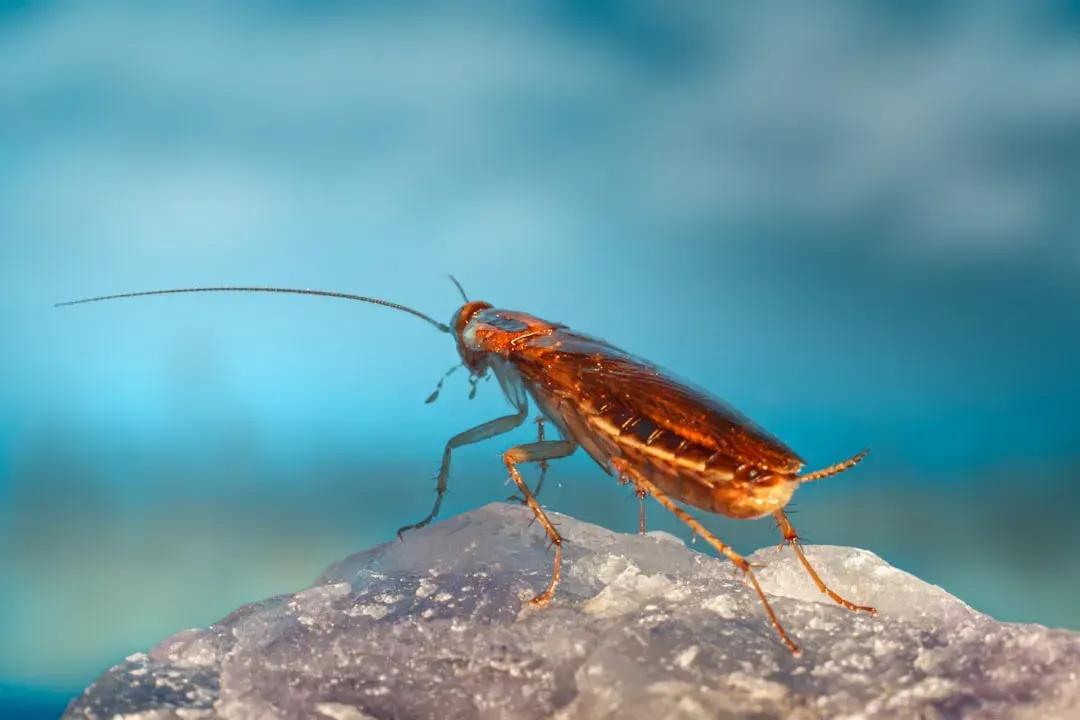
Cockroaches: Class C Violations and Asthma Triggers (Image Credits: Unsplash)
Roaches can cause many health issues for tenants, including asthma and other respiratory problems. As they crawl around, they transport bacteria, germs, and diseases from one surface to another. They have the potential to transmit salmonella, E. coli, and other harmful bacteria, leading to food poisoning, diarrhea, and other infections. This is why cockroaches are treated with particular legal urgency in many jurisdictions.
In New York City, cockroach infestations are considered a Class C – immediately hazardous – violation. Landlords must respond within 24 hours of a complaint. Living with pests like roaches is considered a health hazard, meaning roach issues must be dealt with immediately. If a tenant approaches you with evidence of roaches and you do not act within a reasonable amount of time, they could reasonably break their lease or withhold rent.
Bed Bugs: The Pest with the Most Dedicated Laws
Bed Bugs: The Pest with the Most Dedicated Laws (Image Credits: Unsplash)
No pest has generated more specific state legislation in recent years than the bed bug. At least 21 states, including Florida, New York, and Maine, have specific laws regarding bed bugs, which explicitly state that the landlord is responsible for exterminating bed bugs from the premises. That legal spread has grown steadily over the past decade as infestations become more common in urban areas.
Under California Civil Code § 1954.602, a landlord cannot show, rent, or lease a unit that they know has a current bed bug infestation. If bed bugs are found immediately after move-in, the law generally presumes the unit was already infested. A new law passed in Georgia in 2024 requires landlords to notify tenants of bed bug infestations within 24 hours of discovery, and tenants must likewise inform landlords. The reporting obligations now flow both ways.
Termites: Structural Damage That Carries Legal Liability
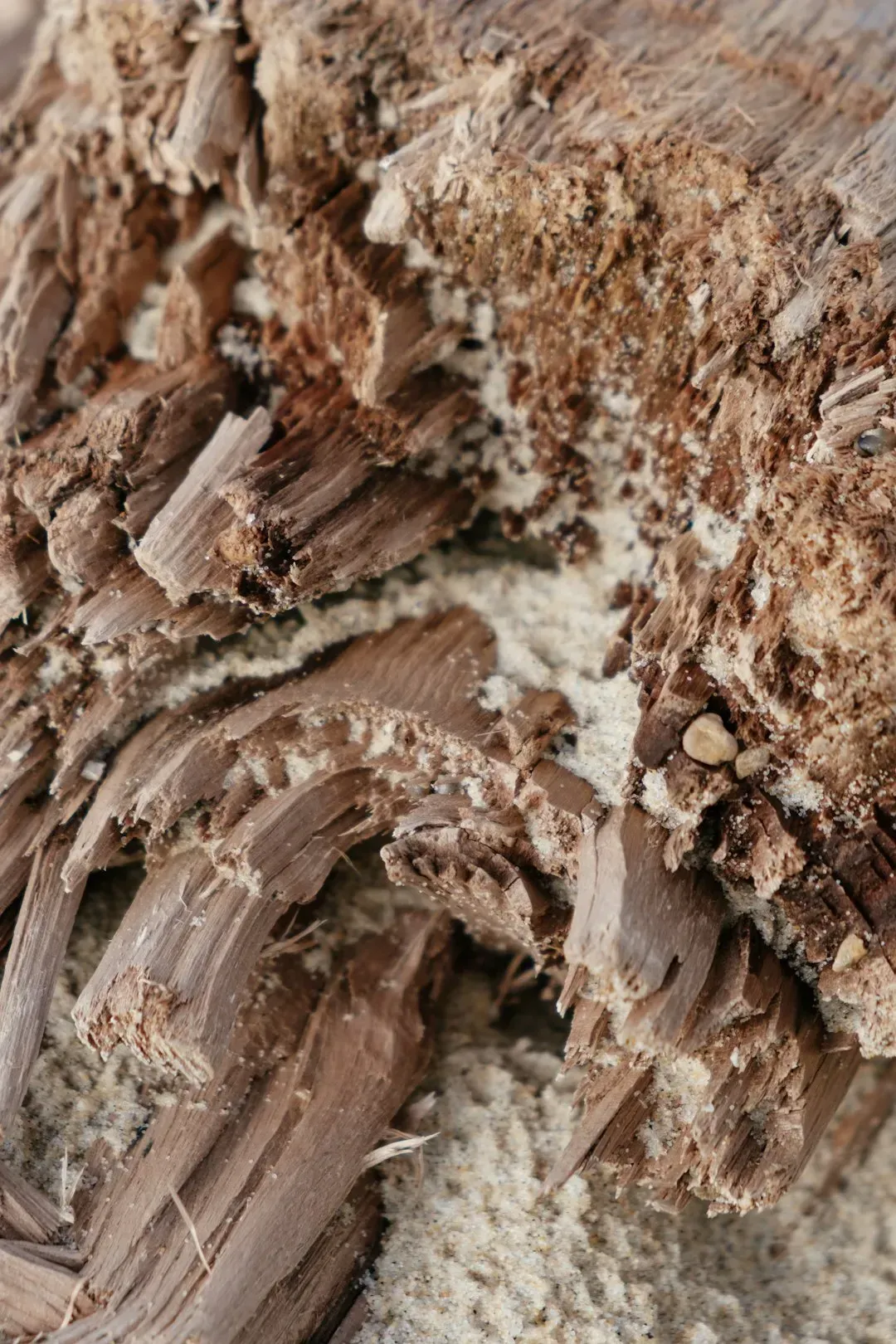
Termites: Structural Damage That Carries Legal Liability (Image Credits: Unsplash)
An infestation of bed bugs, cockroaches, or termites is not an issue to be ignored – legally, you are bound to address the issue properly. Termites are unique because the damage they cause is physical and often invisible until it’s serious. A building with active termite damage isn’t just uncomfortable to live in; it may be structurally compromised.
If termites have damaged the wood or rats are entering through unrepaired cracks in the foundation, external walls, or gaps around utility pipes prior to or at the start of a tenancy, the landlord must arrange treatment and pay for pest control. Termites can cause structural damage, and landlords have an obligation to keep a warranty of habitability. In California, even though the law doesn’t list termites by name, it’s still the landlord’s responsibility to address them due to issues of safety in the building.
Mice: The Cold-Weather Invaders You Can't Quietly Ignore
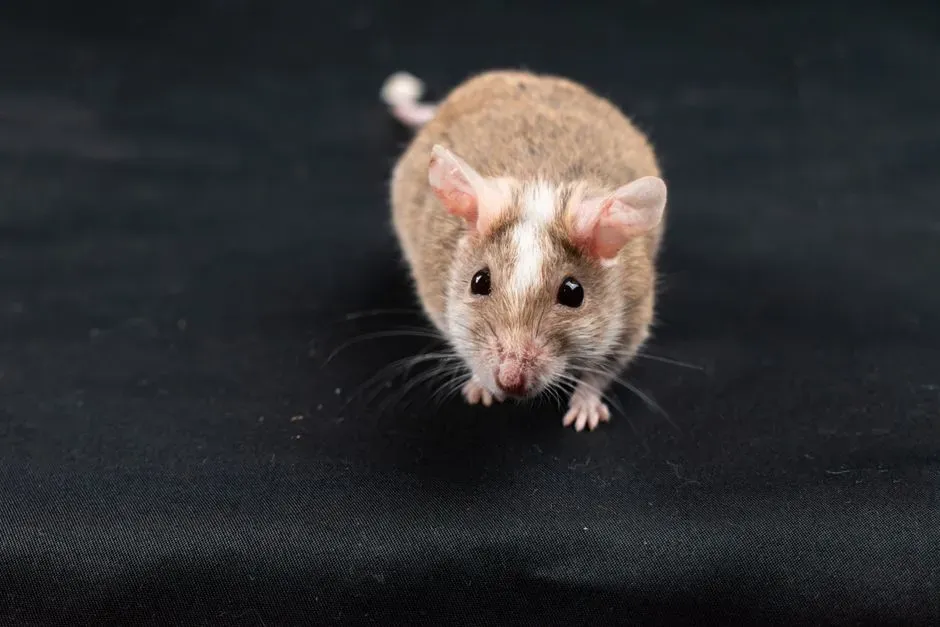
Mice: The Cold-Weather Invaders You Can't Quietly Ignore (Image Credits: Pexels)
Rodents like mice and rats often seek shelter indoors as temperatures drop in fall. This seasonal pattern means mice infestations tend to peak precisely when people are spending the most time indoors. Rats and mice can chew through wires or make holes in the wall, and these repairs are costly. The legal exposure grows alongside the physical damage.
Landlords are responsible for treating pests like mice, rats, and termites that may be present through no fault of the tenant. If rodents are entering through unrepaired cracks in the foundation or gaps around utility pipes, the landlord must arrange treatment. If rodents have made nests in walls or ceilings prior to occupancy, landlords must remove them and seal all known entry points. Ignoring a mouse problem in winter isn’t a passive choice – it’s an actionable legal failure.
Ants: Smaller Pest, Bigger Legal Gray Area
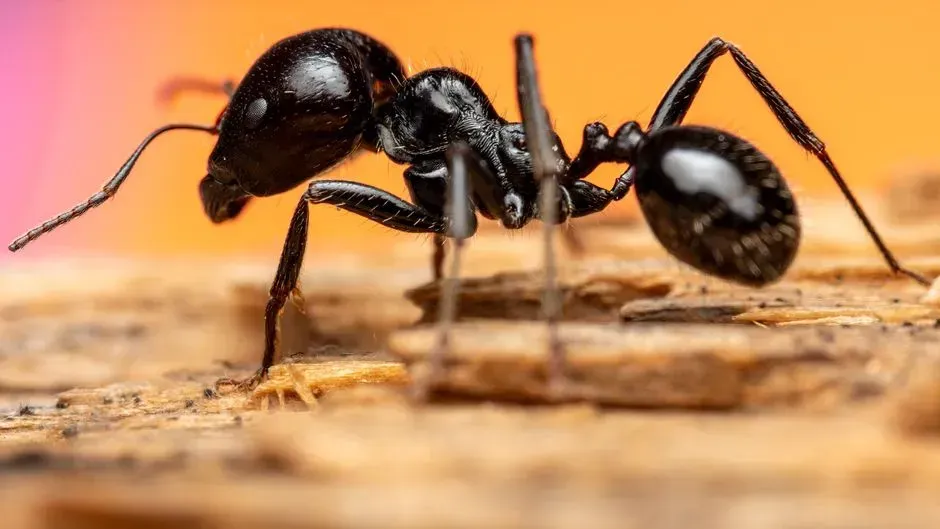
Ants: Smaller Pest, Bigger Legal Gray Area (Image Credits: Pexels)
Ants seem almost too ordinary to carry legal weight, yet they appear by name in several state landlord-tenant statutes. Florida’s list of explicit landlord responsibilities includes “the extermination of rats, mice, roaches, ants, wood-destroying organisms, and bed bugs.” That list is binding, not advisory. Ants make it onto that list precisely because certain species – particularly carpenter ants – can cause structural damage comparable to termites.
Still, ants occupy what many legal experts call a cleanliness-versus-habitability gray zone. Ants attracted to spilled food are classified as a “cleanliness” issue rather than a habitability issue, which means the tenant may bear the financial responsibility rather than the landlord. The distinction matters. Documenting how and where the ants are entering the home – through cracks in walls versus through open food containers – can determine who legally holds the bill.
Fleas: When a Pet Complicates the Legal Picture
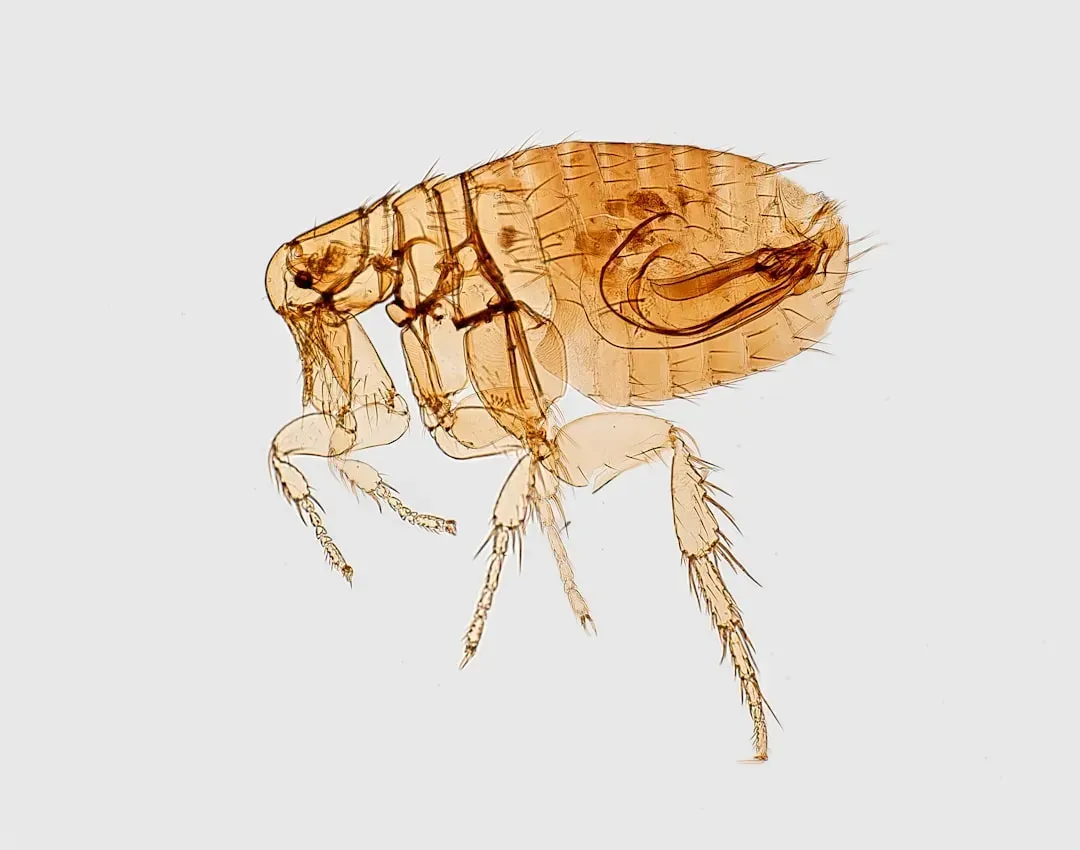
Fleas: When a Pet Complicates the Legal Picture (Image Credits: Unsplash)
Fleas are the one pest on this list where the tenant most often bears responsibility – but that doesn’t mean they can simply be ignored. A flea infestation may be caused by a tenant’s pet. If the landlord has reasonable proof that a tenant has caused an infestation, pest control legally becomes the tenant’s responsibility. The law doesn’t care whether the pest is cute or fuzzy; it cares about causation.
Moisture from leaks that haven’t been reported or inadequate cleaning can lure critters, and a flea infestation could be caused by a tenant’s pet. Responsibility for pests can only be passed to the tenant if the landlord can prove the tenant’s actions caused the infestation. This usually requires photographic documentation of the responsible behaviors – such as failure to maintain cleanliness, improper food storage, or delays in reporting necessary repairs. Even when fleas trace back to a tenant’s animal, the law expects documentation and prompt resolution, not passive avoidance.
What Happens When You Do Nothing
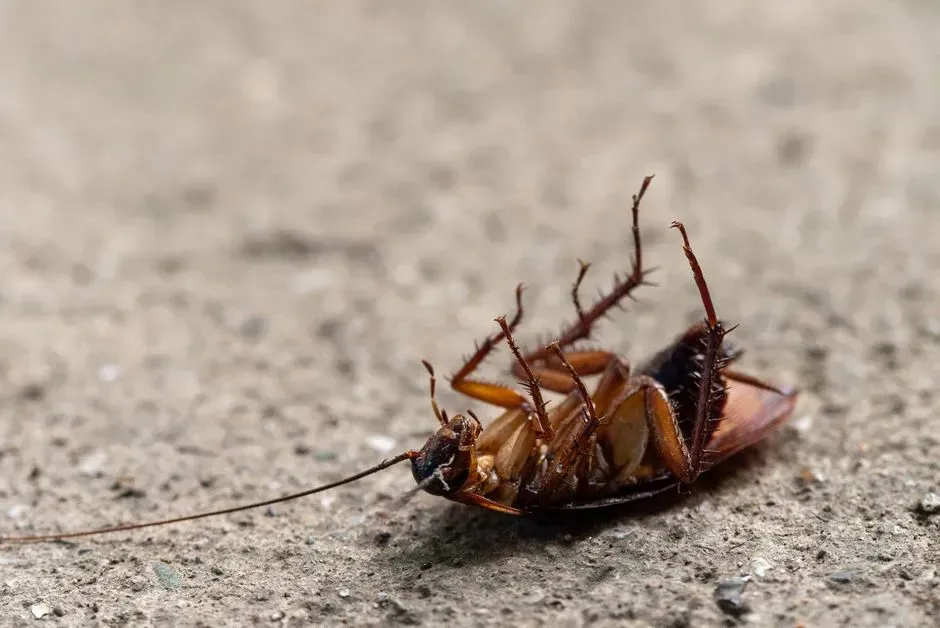
What Happens When You Do Nothing (Image Credits: Pexels)
Failure to address infestations can lead to rent withholding, lease termination, or legal claims. These aren’t theoretical outcomes. In 2024, a Chicago tenant successfully withheld rent after proving her landlord ignored a severe cockroach infestation for months, violating the city’s Residential Landlord and Tenant Ordinance. Cases like this set precedents that make inaction harder and harder to defend in court.
Failing to follow pest-related regulations can have serious consequences for both individuals and businesses. Using a banned product or ignoring required standards could result in penalties from your state’s pesticide regulatory agency. Fines can reach up to $50,000. Most landlord insurance policies do not cover a pest infestation or the damage caused by it, meaning the landlord is solely responsible for any expenses associated with getting rid of the pests, such as exterminator fees, repair costs for damaged property, and even the tenant’s moving costs if they decide to move out. The financial math of ignoring pests tends to be far worse than the cost of addressing them promptly.