
There's a strange kind of window shopping that happens with real estate in certain zip codes. People scroll listings they'll never buy, just to see what a certain kind of life costs. Some of these places aren't secret at all, they show up in headlines every year, yet the actual numbers still manage to surprise. What follows is a tour through nine communities that keep landing on "most desirable" lists, and a look at why getting in the door has become nearly impossible for anyone without serious money behind them.
Nantucket, Massachusetts
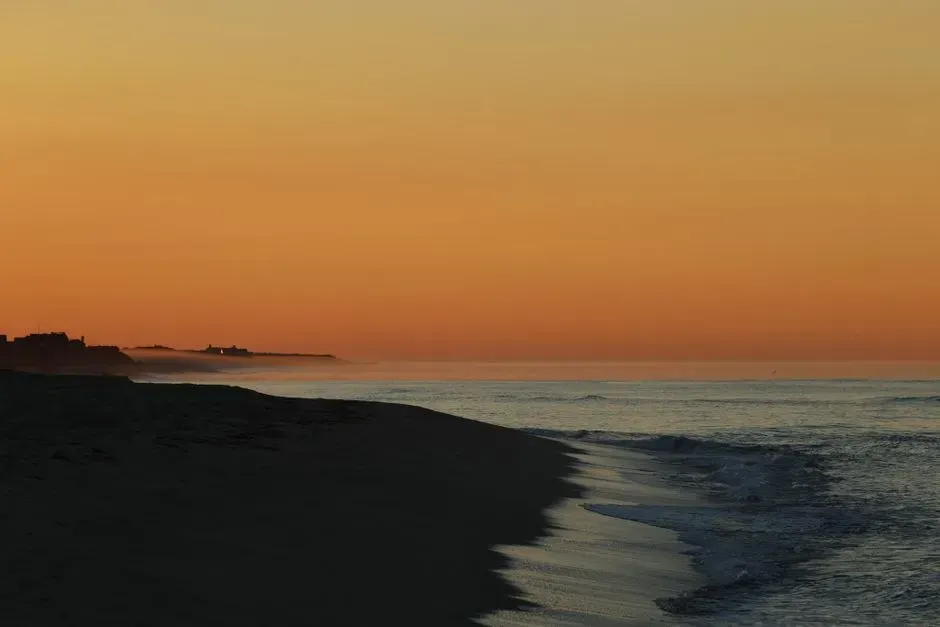
Nantucket, Massachusetts (Image Credits: Pexels)
Nantucket has become something of a shorthand for New England exclusivity, and the numbers back that reputation up. Nantucket, Massachusetts is among the most expensive U.S. towns, with a median home value of $1,387,000. That figure actually edges out San Jose, California, which is typically considered the nation’s priciest metro area.
Part of what makes the island so unaffordable for full-time residents is how little of it is actually occupied year round. Roughly 68% of homes in Nantucket are seasonally occupied, according to Nantucket Current. That scarcity, combined with the island’s historic charm and beach access, keeps pushing prices further out of reach for anyone earning a typical local wage.
Vineyard Haven, Martha's Vineyard
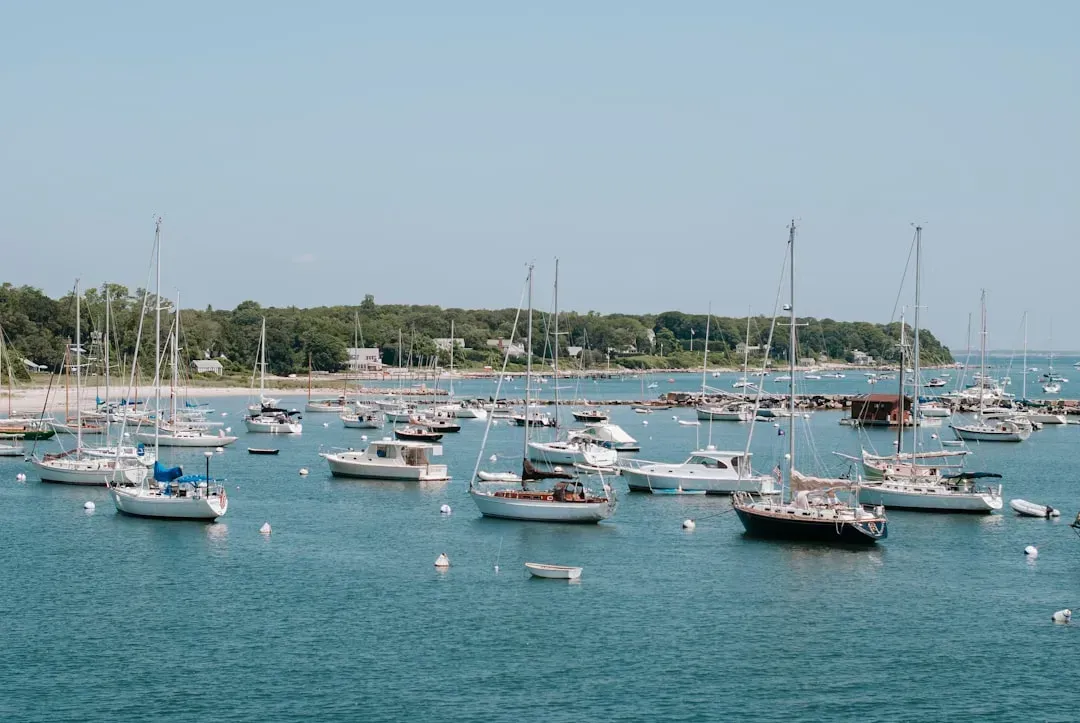
Vineyard Haven, Martha's Vineyard (Image Credits: Unsplash)
Just off the coast, Martha’s Vineyard tells a similar story. Vineyard Haven has a median home value of $1,104,100, which rivals prices in San Francisco. The island has long attracted seasonal residents drawn to its quieter, more understated version of coastal wealth.
The population swings dramatically depending on the time of year, which says a lot about who can actually afford to stay. The year-round population of 23,000 swells to as many as 200,000 during the summer months, according to its Chamber of Commerce. For year-round residents, that means competing against a summer economy built around vacation homes rather than everyday housing needs.
Jackson, Wyoming
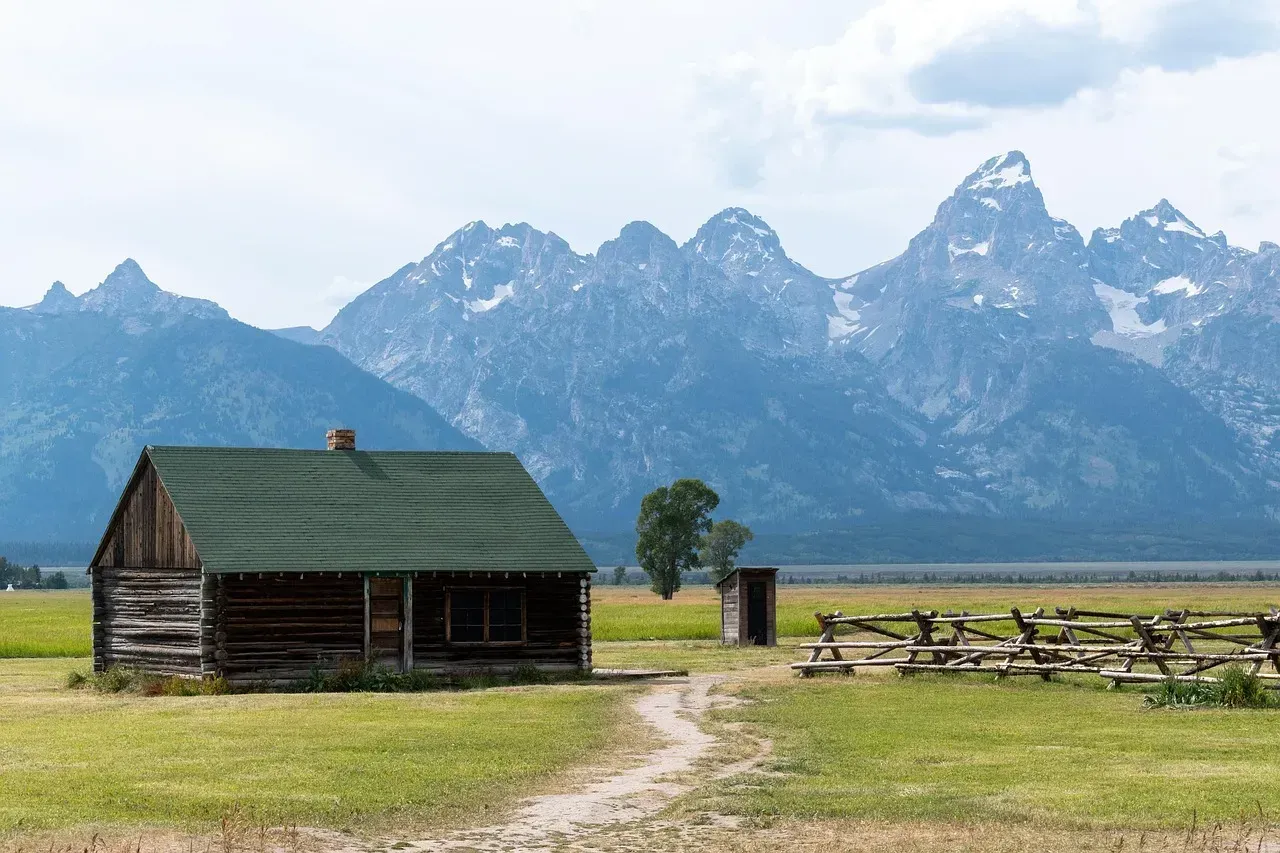
Jackson, Wyoming (Image Credits: Pixabay)
Jackson occupies a unique spot on this list because its appeal isn’t just about wealth, it’s about the mountains, the wildlife, and a tax structure that happens to favor high earners. Jackson, Wyoming has a median home value of $954,600, which is higher than the median in Los Angeles. That’s a striking comparison for a town most people would picture as a small resort community rather than a stand in for one of the country’s biggest cities.
What keeps prices climbing isn’t just demand, it’s a hard ceiling on supply. Jackson attracts ultra-wealthy residents seeking scenic beauty, outdoor adventure and tax advantages, since Wyoming has no state income tax, and with most of the surrounding land federally protected, the limited supply of available property has sent home values soaring. There’s simply nowhere left to build, so existing homes carry a premium that keeps rising.
Aspen, Colorado
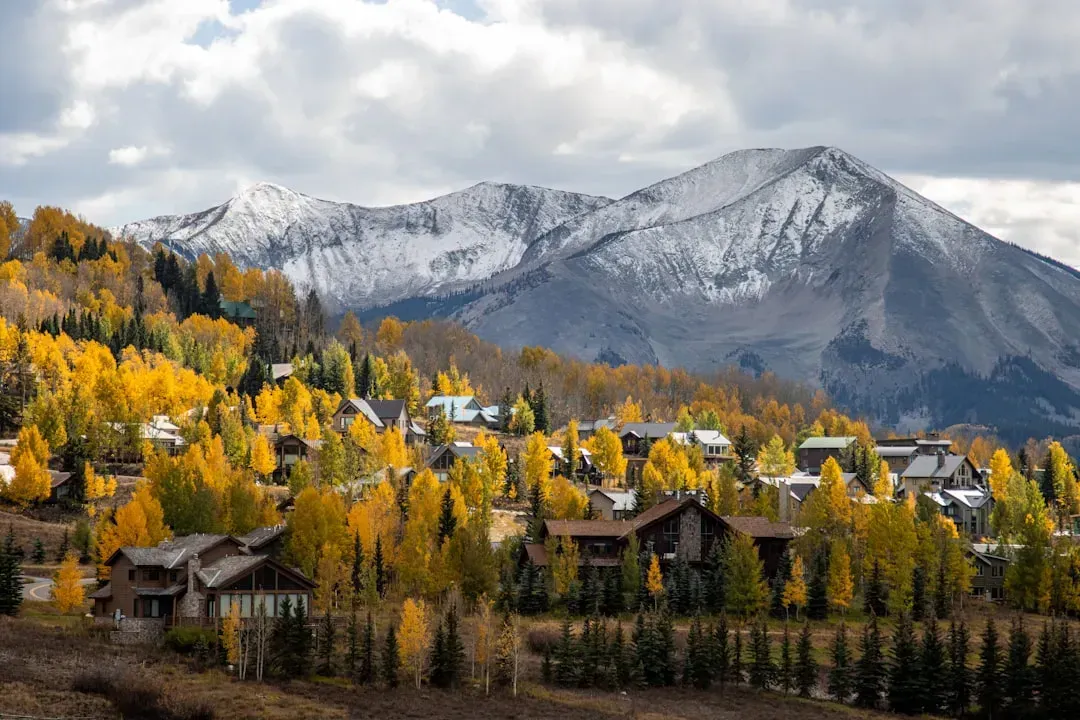
Aspen, Colorado (Image Credits: Unsplash)
Aspen isn’t just expensive, it operates in a different tier of the housing market entirely. The average sales price of a single-family home in Aspen in 2025 was $17.3 million, while the median home price was $13.2 million. Those are not typos. This is a market where the middle of the pack looks like a lottery jackpot anywhere else in the country.
The scarcity here is deliberate and structural, not just a byproduct of popularity. Build costs run $2,000 to $4,000 per square foot before soft costs, the city limits demolition allotments to as few as six per year under current policy, and Pitkin County adopted an updated land use code ordinance effective January 2026. Add in geography that leaves little room to expand, and it’s easy to see why prices keep climbing even when broader housing markets cool off.
Atherton, California
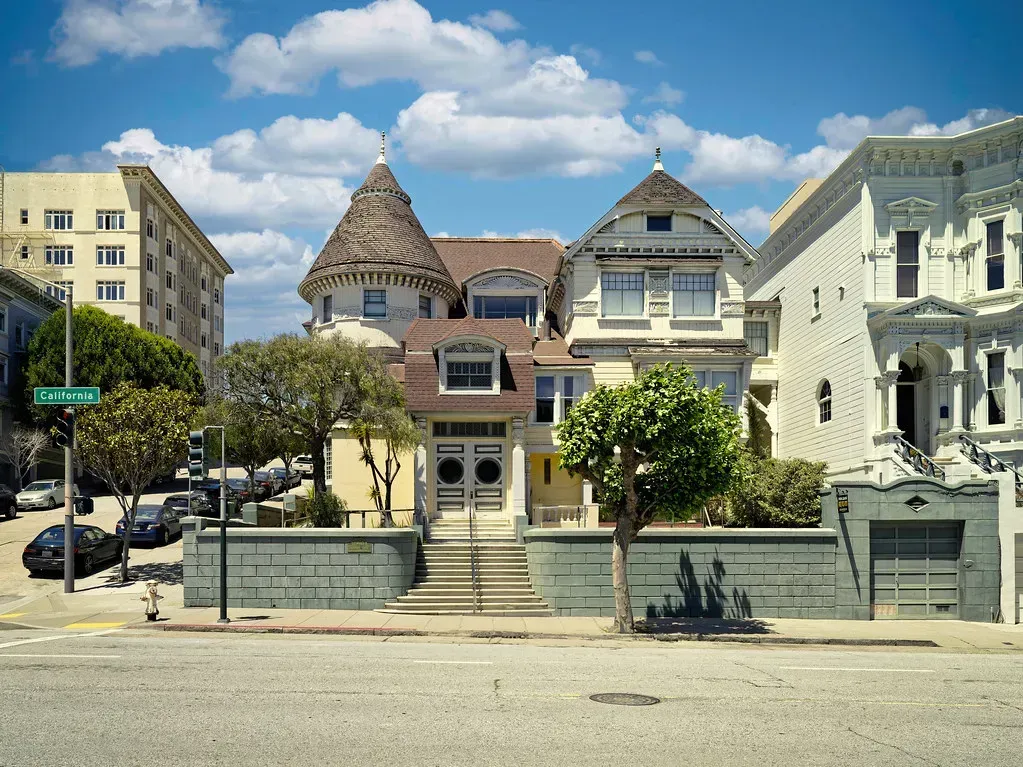
Atherton, California (dalecruse, Flickr, <a href="https://creativecommons.org/licenses/by/2.0/" target="_blank" rel="noopener">CC BY 2.0</a>)
Tucked between Palo Alto and Menlo Park, Atherton has spent years as the undisputed champion of expensive American zip codes. After eight straight years reigning as the country’s most-expensive zip code, Atherton’s 94027 finally slipped to second place, with a median sales price of $8.3 million, a 5% jump from 2024. Even losing the top spot barely dented its reputation as Silicon Valley’s most exclusive address.
The town’s zoning rules do a lot of the heavy lifting when it comes to keeping prices sky high. Atherton’s zoning laws generally require one single-family home per one-acre lot, meaning every home sits on a large parcel of land, a rarity in space-constrained Silicon Valley. That kind of low density is a lifestyle choice for the town, and it comes with a price tag that reflects just how rare that combination of space and location really is.
Fisher Island, Florida
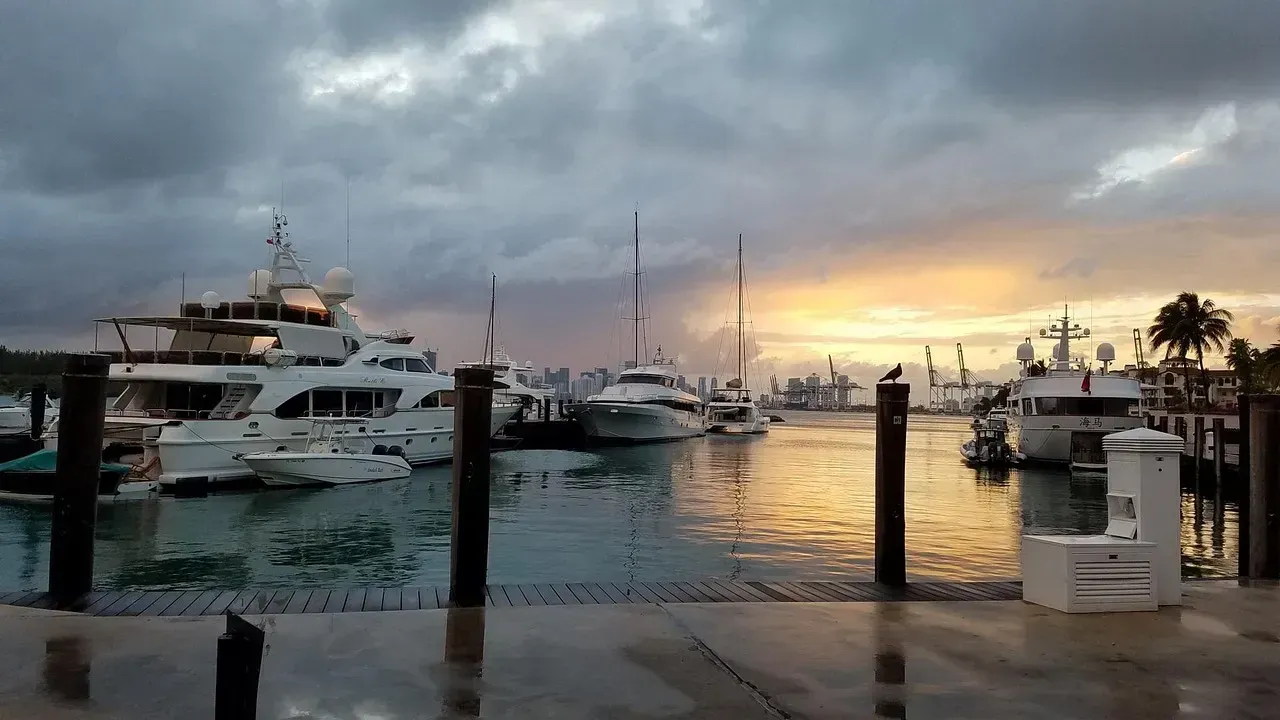
Fisher Island, Florida (Image Credits: Pixabay)
Reachable only by ferry, helicopter, or boat, Fisher Island has quietly overtaken Atherton as the most expensive zip code in the country. Fisher Island, Florida took the top spot on a 2025 list of the priciest zip codes in the U.S., with a median home sale price of $9.5 million. That’s a jump of roughly two thirds in a single year, according to the same report.
Its small size is exactly what makes it so hard to break into. Fisher Island is a micro-market, with roughly 600 housing units and typically 10 to 20 annual sales, and in a small dataset like this, a handful of ultra-luxury transactions can easily distort the median. With so few units changing hands each year, waiting lists and word of mouth often matter more than any public listing.
Coral Gables' Gables Estates, Florida
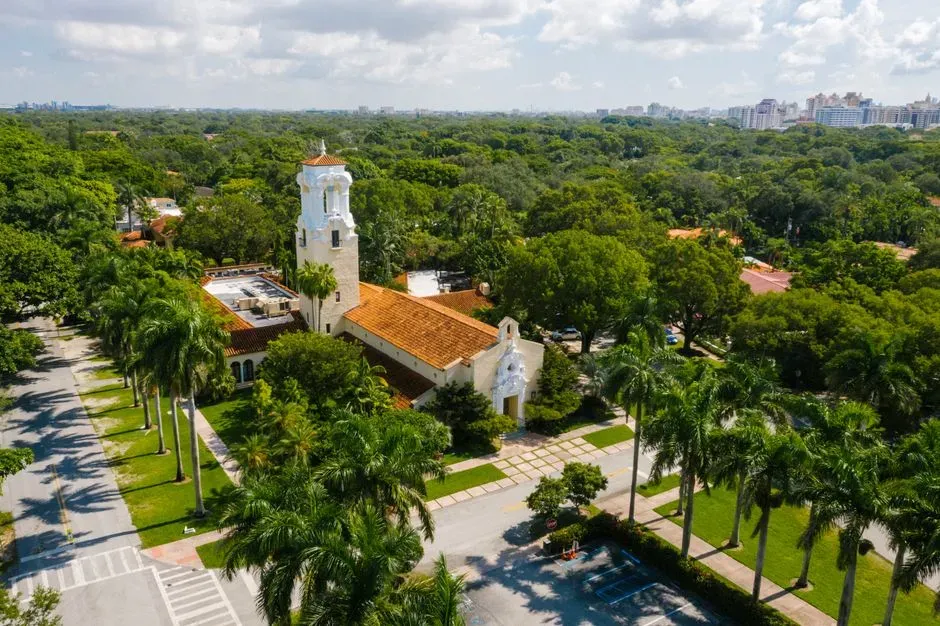
Coral Gables' Gables Estates, Florida (Image Credits: Pexels)
Florida’s luxury boom has reshaped the national rankings, and few pockets illustrate that better than the private waterfront enclave of Gables Estates. Gables Estates in Coral Gables, Florida, a gated waterfront community with roughly 160 to 180 homes, tops the list at a $21.2 million typical home value, nearly double Beverly Hills Gateway’s current $12 million. For a neighborhood with fewer than two hundred houses, that kind of valuation puts it in a category almost by itself.
The broader shift toward Florida has been dramatic and fairly sudden. Seven of the top 10 most expensive American neighborhoods are now in Florida, California holds three, and New York has none. Waterfront access, no state income tax, and a steady influx of wealth from other states have combined to push South Florida’s most guarded communities into a league that used to belong almost exclusively to coastal California and Manhattan.
Hudson Yards, Manhattan
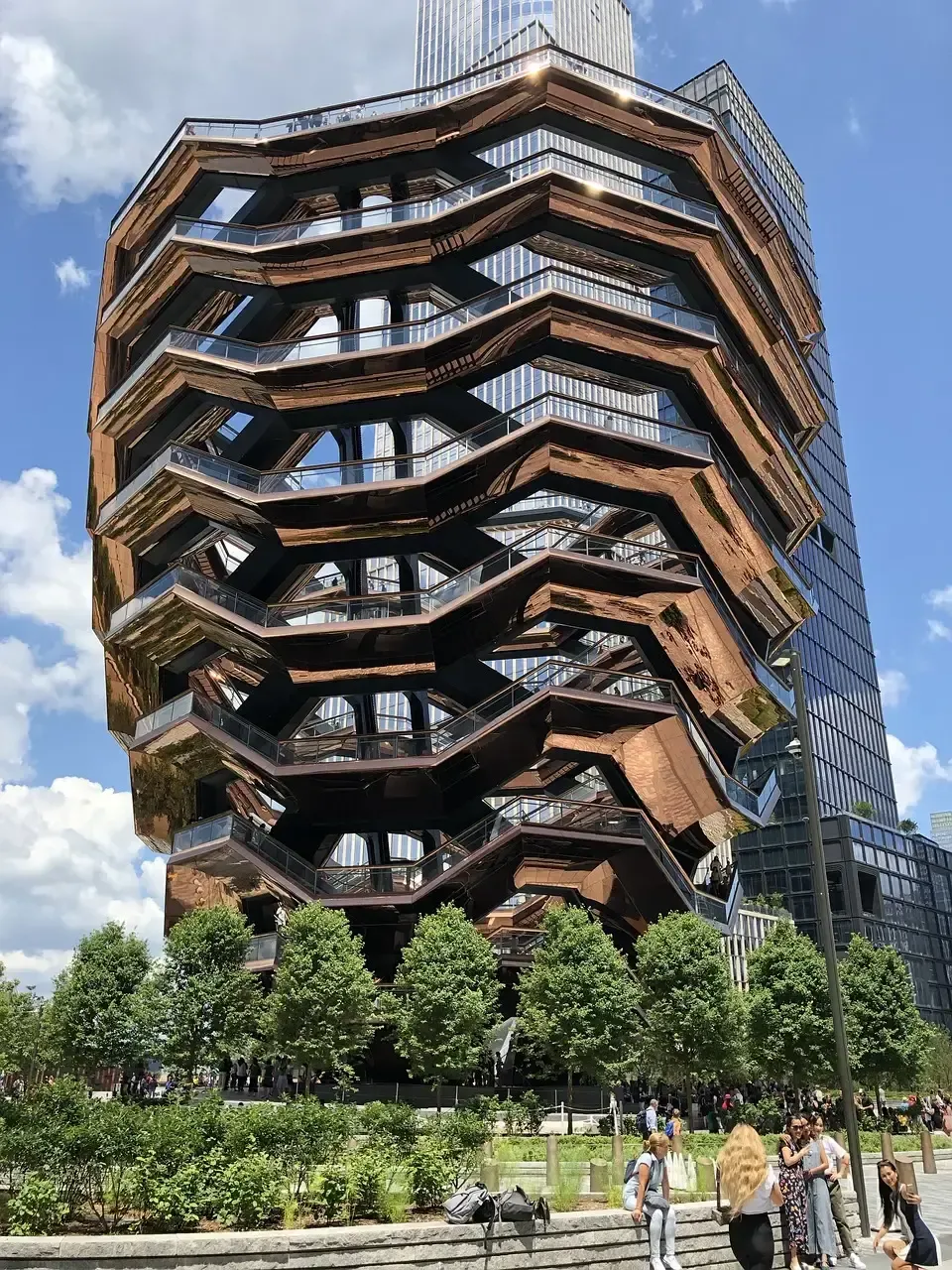
Hudson Yards, Manhattan (Image Credits: Pixabay)
New York’s luxury market still commands attention, and Hudson Yards remains its crown jewel. With a median sale price of $5.58 million, Hudson Yards remained the number one priciest NYC neighborhood for the seventh consecutive year, though the median sale price dropped 22% year over year in one of the sharpest declines among the fifty priciest neighborhoods. Even with that pullback, it still sits well above nearly every other neighborhood in the city.
What’s notable is how thin the market actually is at that price point. Sales in Hudson Yards increased 83% year over year, although that translated to a limited 20 additional sales, with all of these sales taking place at 35 Hudson Yards and 15 Hudson Yards. Two buildings essentially define the entire neighborhood’s luxury identity, which tells you how narrow the path to ownership really is.
Central Park South, Manhattan
Central Park South, Manhattan (Image Credits: Pixabay)
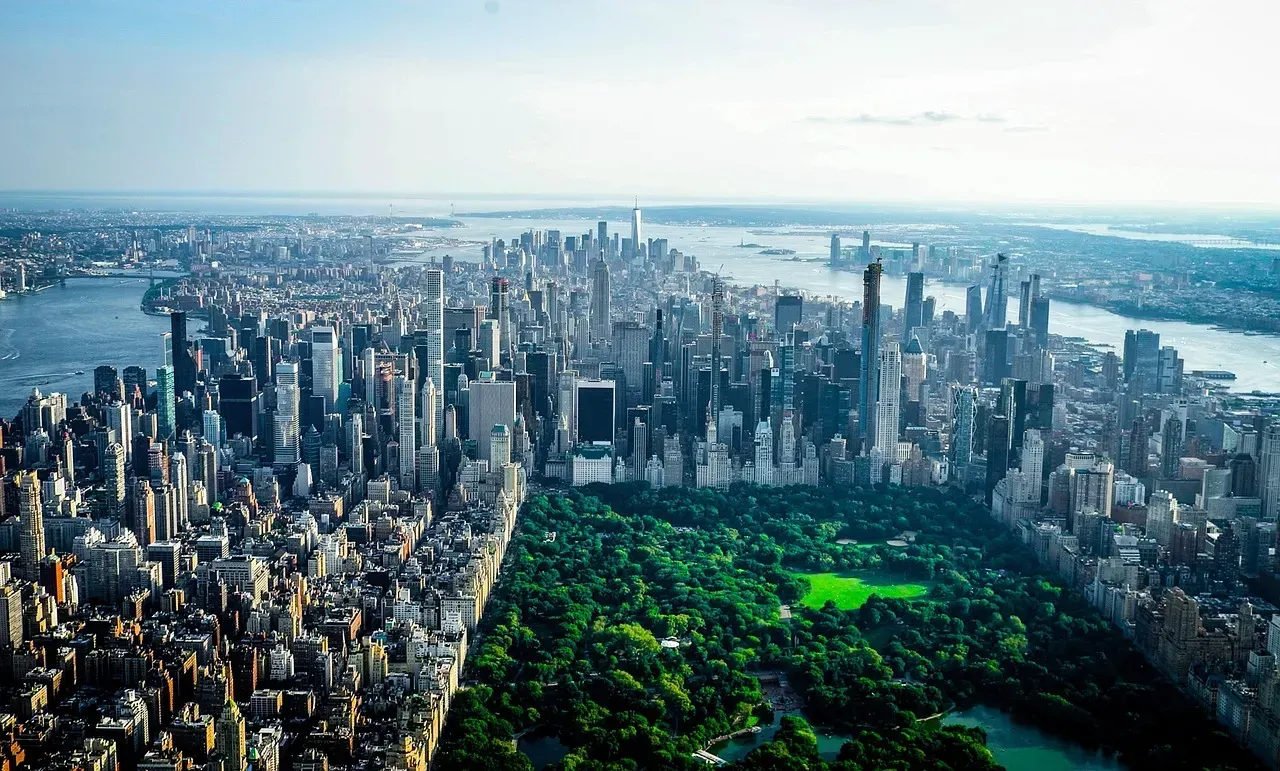
If Hudson Yards represents modern luxury, Central Park South represents old money reinvented in glass towers. Central Park South, home to many Billionaires’ Row skyscrapers, took the crown as the neighborhood with the highest median sale price in 2025, at $7.5 million, though it logged just three deals. Three transactions defining an entire year’s market data says everything about how rarefied this address has become.
What makes the neighborhood so hard to access isn’t just price, it’s the near total lack of turnover. Hudson Yards ranked second, with a median sale of just under $5 million across 77 deals. Even the more “active” luxury pocket of Manhattan is still dealing in dozens of sales a year, not hundreds, which keeps the whole segment feeling more like an invitation only club than an open market.
The Common Thread Behind These Price Tags
The Common Thread Behind These Price Tags (Image Credits: Unsplash)
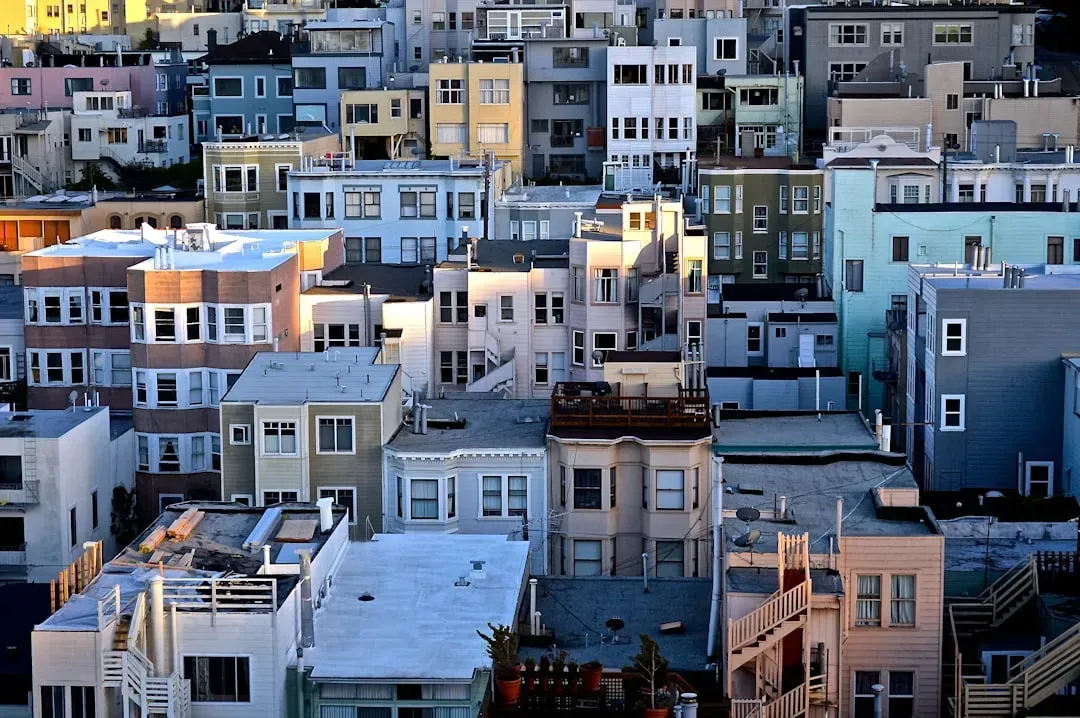
Looking at these nine places side by side, a pattern emerges pretty quickly. Nearly all of them share some mix of severe land scarcity, restrictive zoning, geographic limits, or legal structures that cap how much new housing can ever be built. Whether it’s an island, a mountain valley boxed in by federal land, or a town that mandates one acre lots, the story is rarely just about wealthy buyers bidding prices up. It’s about supply that simply cannot grow to meet demand.
That combination is unlikely to change anytime soon. As remote work continues to loosen where high earners choose to live, and as coastal inventory remains structurally tight, these nine communities are likely to stay exactly what they’ve always been: places plenty of people would love to call home, and places fewer and fewer can actually afford to.