
There's a particular kind of joy in wandering into a market you know nothing about and being hit by the smell of ripe peaches, cured ham, and fresh bread all at once. Europe has no shortage of grocery stores dressed up for tourists, but a handful of its markets are genuinely architectural marvels, places where the building itself competes with the produce for your attention. Some are centuries old, built from iron and glass during the industrial age, while others are recent reinventions of historic sites that somehow feel timeless anyway.
This list looks at nine markets across the continent that combine visual drama with real culinary substance, ranked from the most striking down. Beauty is subjective, of course, so think of this less as a definitive scorecard and more as a starting point for your own market crawl.
1. La Boqueria, Barcelona, Spain
1. La Boqueria, Barcelona, Spain (Image Credits: Pixabay)
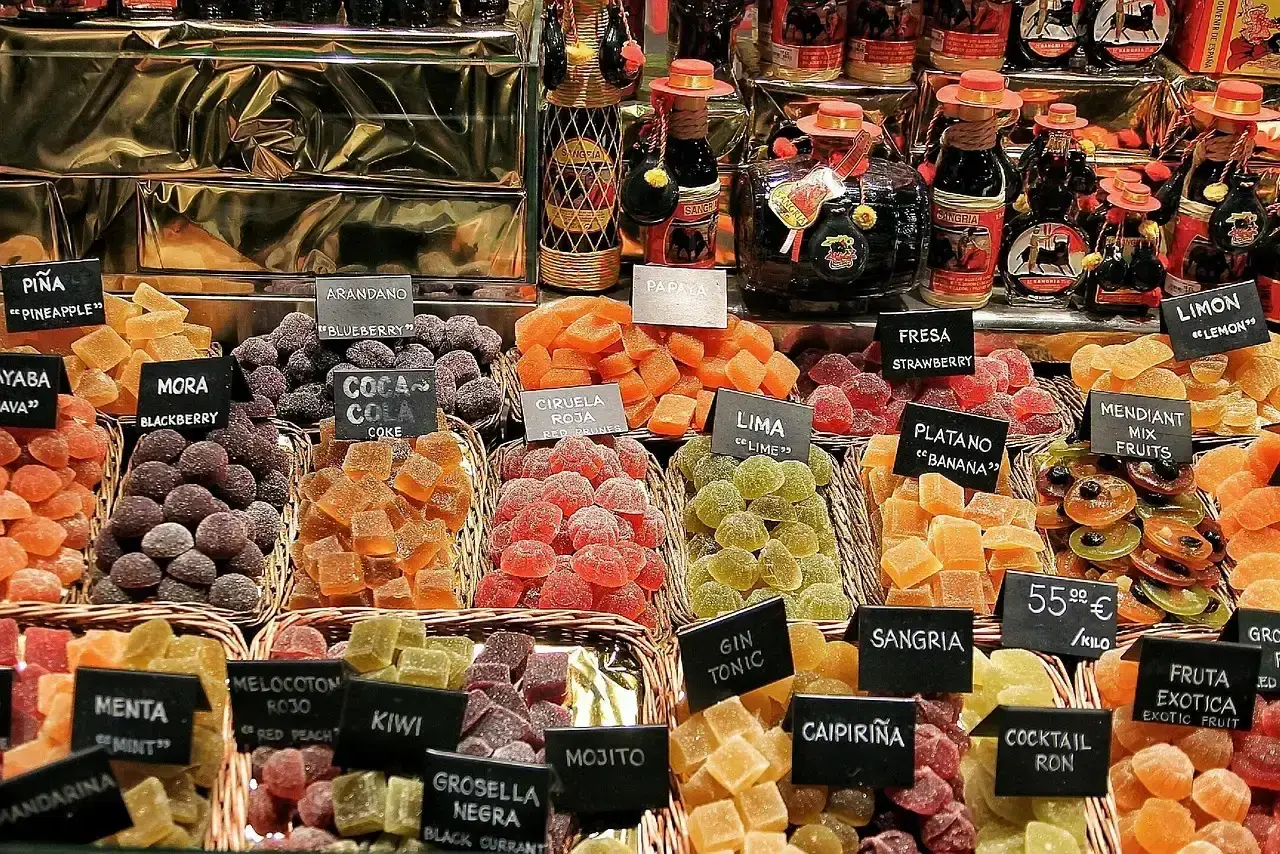
Sitting just off Barcelona’s Rambla, La Boqueria is arguably the most photographed food market in Europe, and for good reason. The first mention of the Boqueria market in Barcelona dates from 1217, when tables were installed near the old city gate to sell meat. The current iron and glass structure came later, and it was eventually covered and made into an indoor market in 1914.
What makes it beautiful isn’t just the stained glass entrance sign, though that helps. It’s the sheer density of color inside, stacked citrus fruits, jamón hanging from hooks, jars of candied everything, all under a soaring metal roof. Sant Josep Market, better known as La Boqueria, is in the heart of La Rambla Avenue, and it is Barcelona’s most famous and picturesque market.
2. Great Market Hall, Budapest, Hungary
2. Great Market Hall, Budapest, Hungary (Image Credits: Pexels)
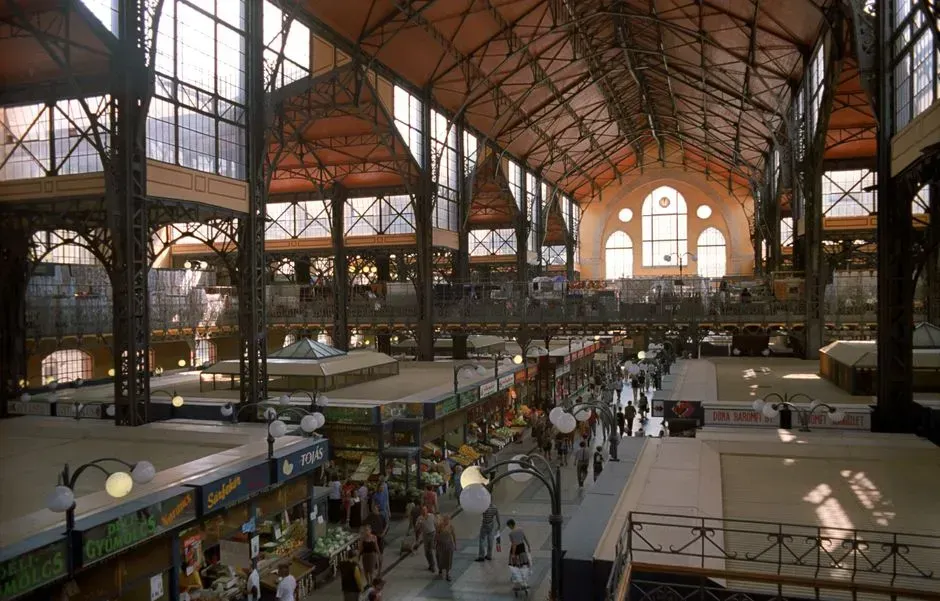
Budapest’s Great Market Hall is the kind of building you’d expect to house a train station or a cathedral, not a place to buy paprika. It was built at the end of the 19th century and officially opened in 1897 by the Emperor Franz Joseph I. Designed by renowned architect Samu Pecz, the market was intended to provide a central location for local farmers and vendors to sell their goods.
The roof is the real showstopper here. The market’s charming architecture is a mix of Neo Gothic and Neo Renaissance styles, with the interior marked by steel beams and columns, and the roof is adorned with colorful Zsolnay ceramic tiles, a hallmark of Hungarian architecture. Downstairs you’ll find paprika strings and pickled vegetables in every jar imaginable, while the upper gallery leans into handicrafts and quick bites like lángos.
3. Markthal, Rotterdam, Netherlands
3. Markthal, Rotterdam, Netherlands (Image Credits: Unsplash)
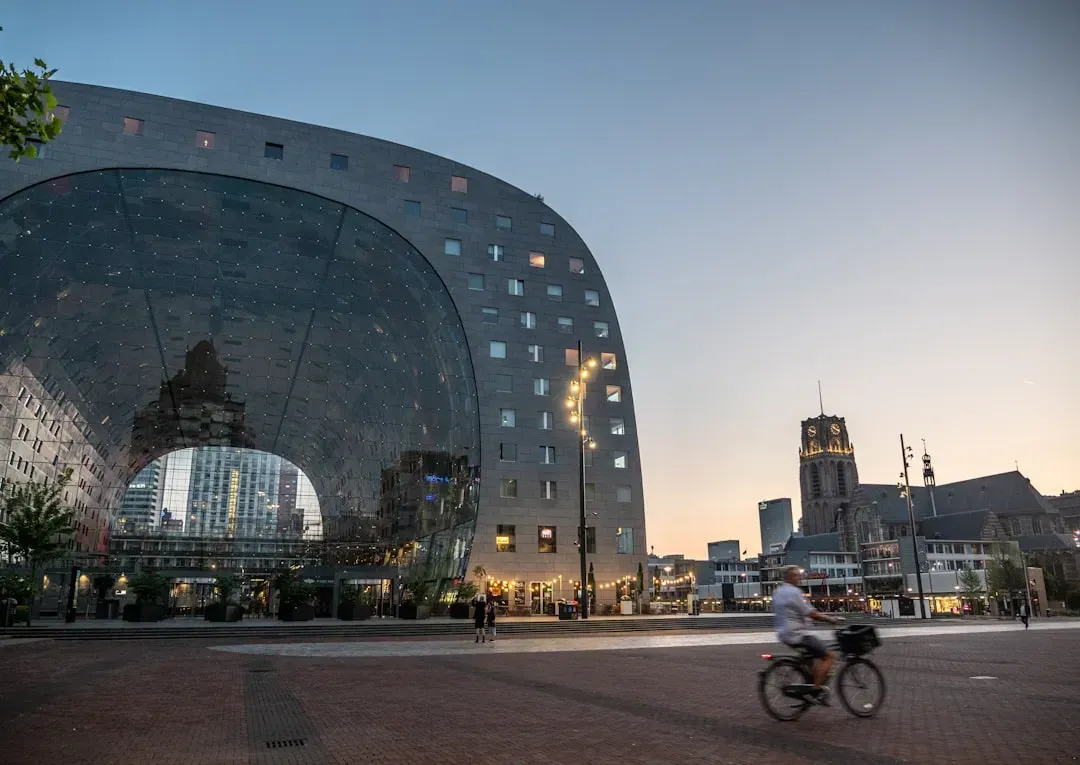
Rotterdam’s Markthal looks less like a market and more like something out of a science fiction film, a giant horseshoe of apartments wrapped around a covered public square. This Rotterdam icon was officially opened on October 1, 2014, with Queen Máxima performing the festive ceremony, and the building, designed by Dutch architectural firm MVRDV, is a horseshoe shaped structure covered with a massive glass facade. It was the first fully covered market hall of its kind in the Netherlands.
The interior is dominated by an enormous ceiling mural stretching the length of the hall. The inside of the Markthal has an area of more than 12,000 square meters and is decorated with a huge mural that spans the entire ceiling, called the Horn of Plenty, containing bright, colourful images of fruits and vegetables. Stand in the middle and look up, it’s genuinely disorienting in the best way.
4. Borough Market, London, England
4. Borough Market, London, England (Image Credits: Unsplash)
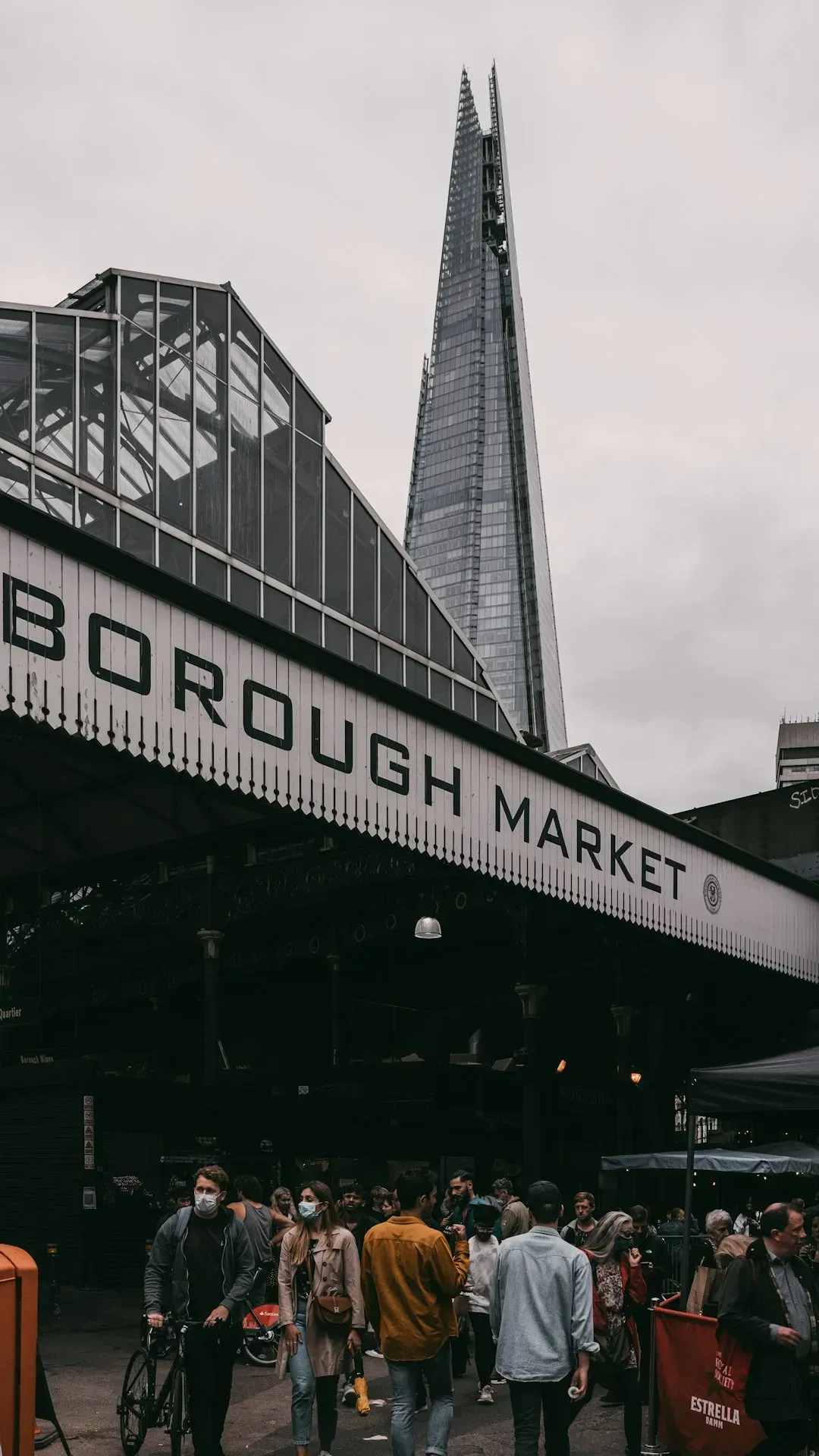
Borough Market sits tucked under railway arches near London Bridge, and its layered history is part of the draw. Traders have gathered near this spot for centuries, with some historical accounts tracing informal trading activity back over a thousand years, long before the current Victorian ironwork was ever built. The present structure, with its wrought iron canopies and glass roof panels, dates largely from the mid nineteenth century expansion of the site.
Today it’s less about grand architecture and more about atmosphere, tight alleys packed with cheese counters, bakeries, and stalls selling everything from Scotch eggs to fresh oysters. Trains rumble overhead on the viaduct, adding a rough, industrial soundtrack to the shopping. It’s a market that feels lived in rather than staged, which is its own kind of beauty.
5. Rialto Market, Venice, Italy
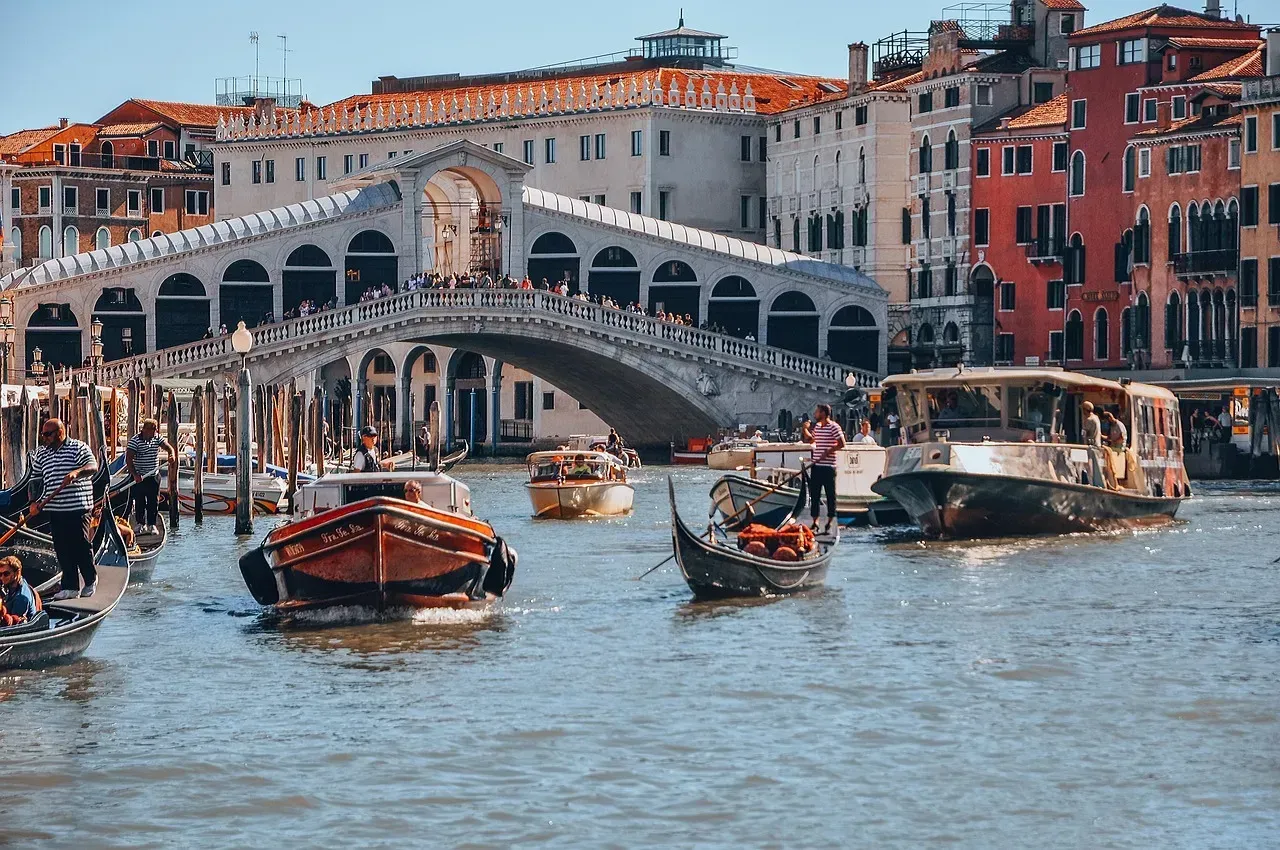
5. Rialto Market, Venice, Italy (Image Credits: Pixabay)
The Rialto Market has occupied its spot near the Rialto Bridge for centuries, functioning as one of Venice’s oldest trading points along the Grand Canal. The fish section, known as the Pescheria, sits under a Gothic style loggia that opens directly onto the water, giving shoppers a view that most cities would charge admission for. Boats still deliver produce and seafood right to the market’s edge each morning.
There’s nothing polished or curated about Rialto, and that’s the point. Vendors shout prices, crates of artichokes and sea bass sit stacked on ice, and the whole scene plays out against centuries old stone buildings. It’s a working market first, a tourist attraction second, which keeps its charm honest.
6. Mercato Centrale, Florence, Italy
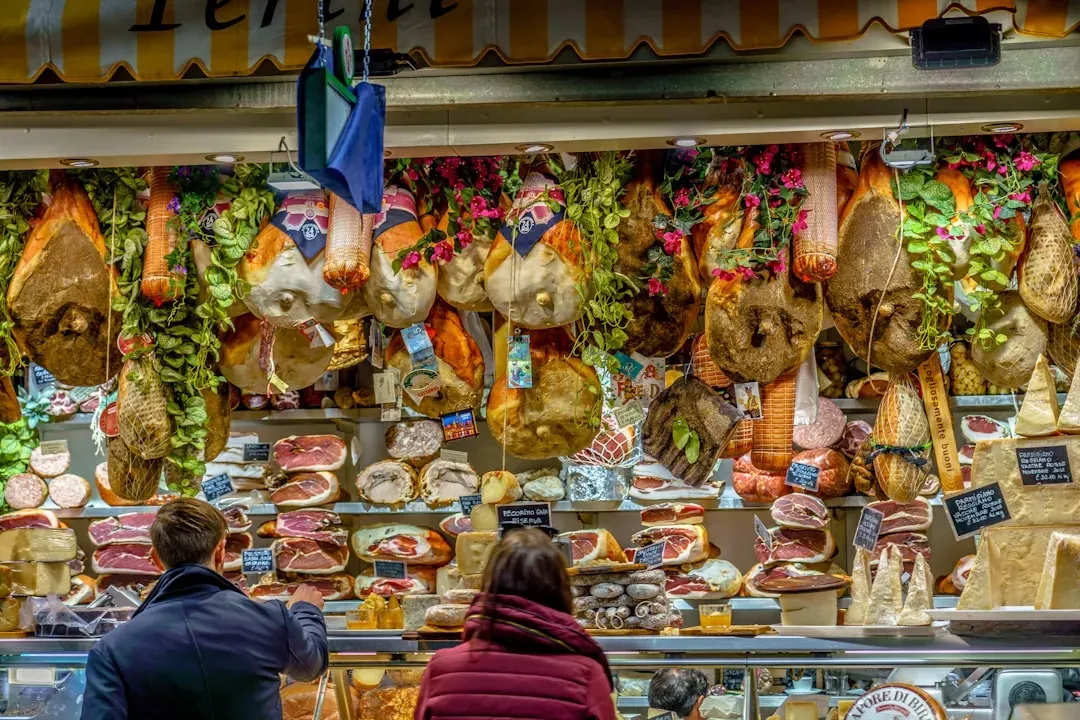
6. Mercato Centrale, Florence, Italy (Image Credits: Unsplash)
Florence’s Mercato Centrale occupies a nineteenth century iron and glass hall in the San Lorenzo district, not far from the Medici Chapels. The building’s cast iron framework gives it an airy, light filled feel that’s fairly unusual among Italy’s older markets, most of which lean darker and more enclosed. The ground floor still functions as a traditional produce and butcher market, much as it has for generations.
Upstairs, the space was converted into a modern food hall with vendors selling everything from fresh pasta to gelato and Tuscan wine. The contrast between the historic iron shell and the contemporary food court inside is part of what makes a visit worthwhile. It’s one of the clearer examples in Europe of an old structure finding a genuinely new life.
7. Naschmarkt, Vienna, Austria
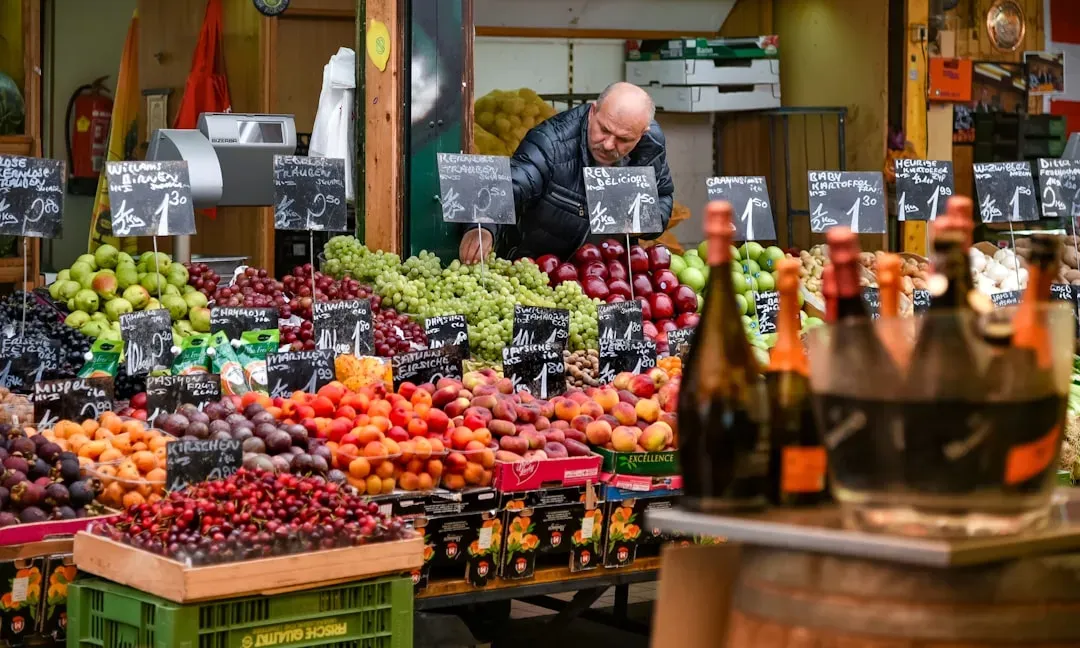
7. Naschmarkt, Vienna, Austria (Image Credits: Unsplash)
The Naschmarkt has been Vienna’s central food market since the late 18th century, with the current location dating to 1916, when the Wien river was channeled underground and the market relocated to the riverbed. The name comes from an old word for snacking, and that spirit still defines the place. More than 130 stalls and restaurants stretch over half a kilometer between Karlsplatz and Kettenbrückengasse.
What sets Naschmarkt apart visually is less a single grand building and more the long, colorful sprawl of striped awnings, spice pyramids, and outdoor seating that runs almost endlessly. Saturday adds the city’s biggest flea market, taking over the western section. It’s chaotic in the most enjoyable sense, a place where Viennese tradition and Middle Eastern and Asian food stalls sit side by side.
8. Time Out Market, Lisbon, Portugal
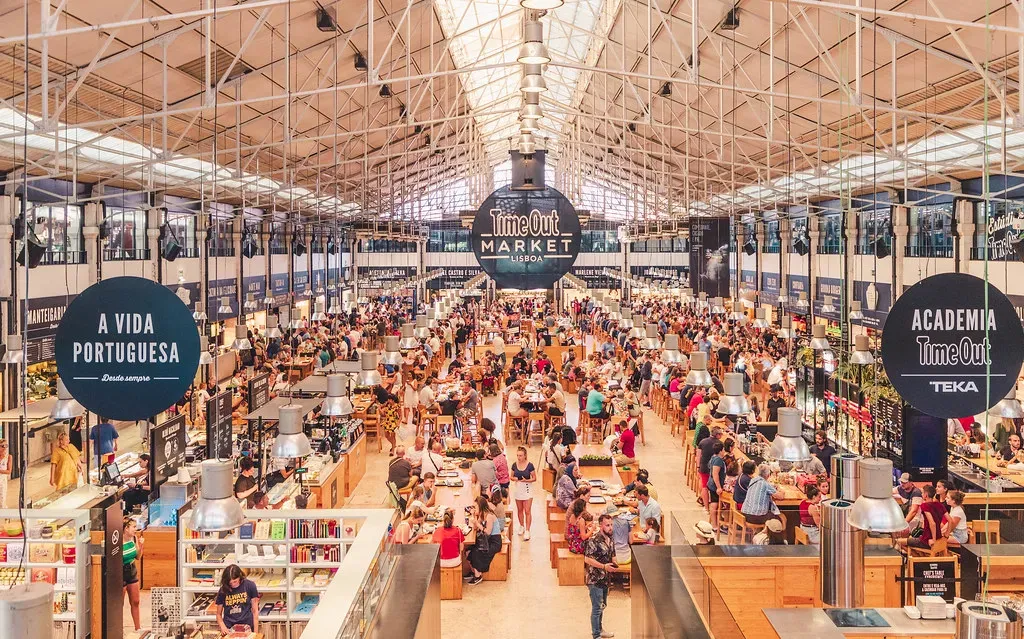
8. Time Out Market, Lisbon, Portugal (jisoosong, Flickr, <a href="https://creativecommons.org/licenses/by/2.0/" target="_blank" rel="noopener">CC BY 2.0</a>)
Lisbon’s Time Out Market lives inside the old Mercado da Ribeira building, a domed iron structure from the late nineteenth century overlooking the Tagus River. When Time Out took over part of the space in 2014, it kept the original market’s produce stalls running alongside a new curated food hall featuring dishes from some of the city’s respected chefs and restaurants. The pairing of old ironwork architecture with a modern culinary concept gives it a distinct character among Europe’s markets.
The domed ceiling and long communal tables create a sense of scale that few food halls manage, especially once the evening crowd fills in. It’s louder and more social than most markets on this list, closer to a festival than a grocery run. For visitors short on time in Lisbon, it remains one of the easiest ways to sample a wide range of Portuguese cooking in one sitting.
9. Mercado de San Miguel, Madrid, Spain
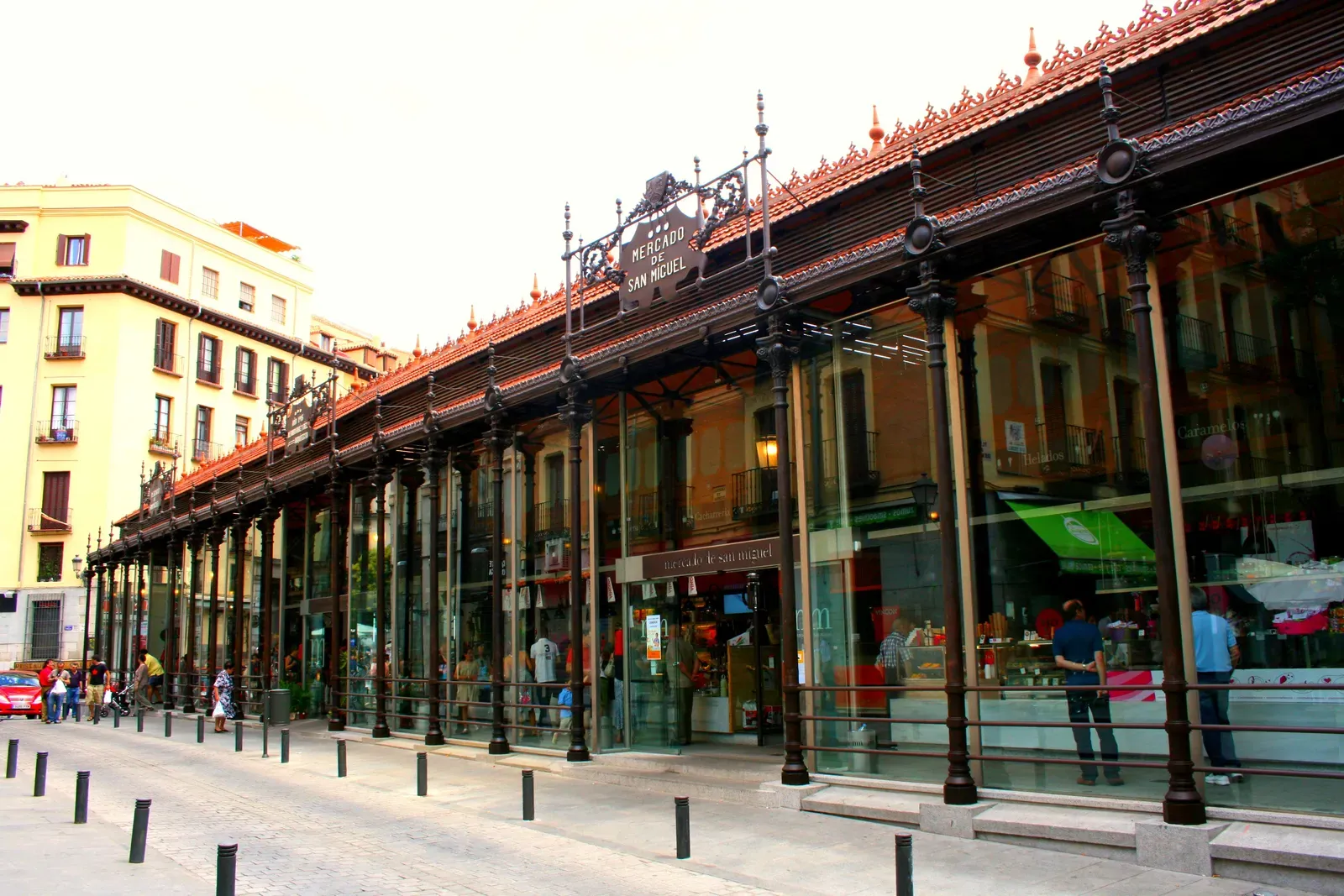
9. Mercado de San Miguel, Madrid, Spain (Flickr, <a href="https://commons.wikimedia.org/w/index.php?curid=7334415" target="_blank" rel="noopener">CC BY 2.0</a>)
Just steps from Madrid’s Plaza Mayor, Mercado de San Miguel occupies a cast iron and glass pavilion built in the early twentieth century, one of the last surviving structures of its kind in the city. The see through walls give it an almost greenhouse quality, letting natural light spill over the tapas counters and wine bars inside. It was renovated in the late 2000s and reopened as a gourmet focused market rather than a traditional grocery stop.
Inside, the stalls lean heavily toward small plates, jamón ibérico, olives, oysters, and glasses of vermouth meant to be eaten standing up. It’s compact compared to some of the sprawling halls elsewhere on this list, but the density of good food packed into a small, light filled space makes it feel special. Locals sometimes grumble about the prices, though the setting explains a fair amount of that premium.
Ranking beauty is always going to be a little subjective, and honestly, any of these nine could trade places depending on the light that day or how hungry you happen to be. What ties them together isn’t just architecture but the sense that food markets, at their best, function as a kind of civic theater, places where a city shows off its history, its produce, and its people all at once. If you only have time for one on a European trip, pick whichever sits closest to where you’re staying and let the rest wait for next time.