
Most parents have, at some point, developed an unspoken set of evening ground rules. No loud games. No sugar. Definitely no new episodes of an exciting cartoon. These informal rules tend to emerge not from parenting books but from repeated, painfully familiar experience: the nights when something disrupted the routine and everyone paid for it the next morning.
There’s a quiet but growing body of research backing up what many households have already figured out on their own. The hours between dinner and lights-out may be the most behaviorally and biologically sensitive stretch of a child’s day. What happens during that window matters more than many parents initially realize.
What the "After-6PM Rule" Actually Means
What the "After-6PM Rule" Actually Means (Image Credits: Pexels)
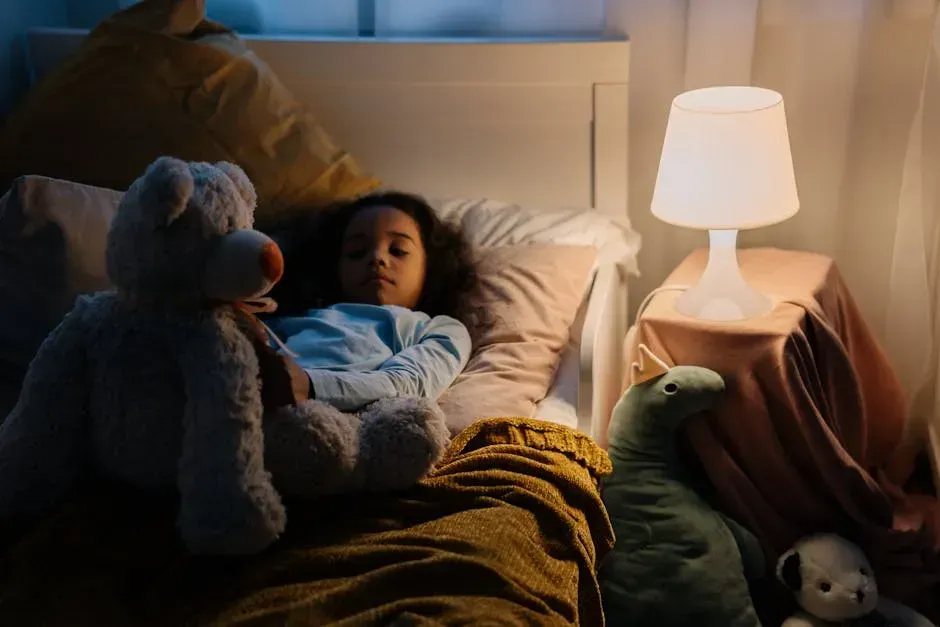
Sleep is a critical component of early childhood health, yet many preschool-aged children fail to obtain sufficient overnight sleep, and screen use is among the key contributing factors. The informal “After-6PM Rule” is a pattern many parents adopt organically: certain foods, activities, and stimuli simply get cut off after early evening. It’s less a rigid doctrine and more a recognition that children’s bodies and brains respond differently once the sun starts to go down.
Many children do not get as much sleep as public health guidelines recommend, with data from several epidemiological studies reporting that roughly half do not meet the recommended sleep duration for their age. Parents who observe this gap often trace it back to what happened in the evening hours, which is precisely why the post-6PM window has become a focal point for so many families.
The Science of Consistent Bedtimes

The Science of Consistent Bedtimes (Image Credits: Unsplash)
A consistent bedtime may be more influential than sleep quality or duration overall, with research from Penn State showing that children who followed a consistent bedtime routine and fell asleep at the same time each night displayed better control of their emotions and behavior when under stress or working with others. This finding shifts the focus from how long children sleep to how predictably they do it.
Sleep can affect a child’s attitude and behavior, as many parents can attest, and children who followed a consistent bedtime routine and fell asleep at the same time each night displayed better control of their emotions and behavior. Children whose bedtimes and sleep times were unpredictable showed more impulsivity and less control. That connection between clock and character is a compelling reason for parents to guard the evening hours carefully.
Screens Before Bed: Timing Is Everything

Screens Before Bed: Timing Is Everything (Image Credits: Pexels)
Most research has focused on total screen time rather than the timing of screen exposure, which may be especially important for evening arousal, displacement of bedtime routines, and circadian regulation. One study specifically examined whether the delay between evening TV use and bedtime was associated with sleep duration in preschoolers. The results pointed clearly toward timing as a key variable, not just quantity.
Children who were observed to use screens during the pre-bedtime period had later sleep timing and less consolidated sleep compared to children who were not, with results consistent with the hypothesis that spending time using screens in the evening results in less time for nighttime sleep. Limiting or eliminating screen time one hour before bedtime and maintaining recommended sleep hygiene routines are considered imperative for all children.
Blue Light, Melatonin, and the Body Clock
Blue Light, Melatonin, and the Body Clock (Image Credits: Unsplash)
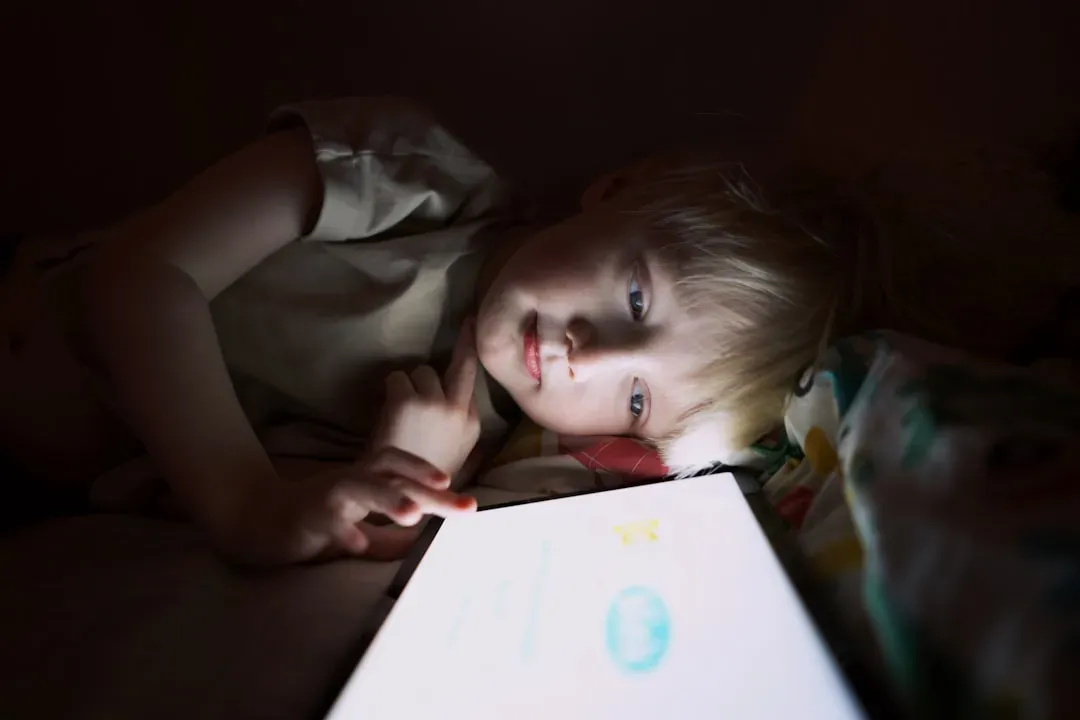
Evidence exists on the disruption of the circadian rhythm by light emitted by screens. This isn’t just an abstract concern. Light emitted by screens has a substantial impact on sleep patterns, as the circadian system responds to cues such as light, eating, and activity, known as zeitgebers. Light exposure before bedtime can offset circadian timing and decrease melatonin.
Observational studies from around the world have shown that screen use by children is associated with later bedtimes and less time spent asleep. While these studies cannot prove a cause-and-effect relationship, numerous studies in adults have demonstrated that light exposure in the evening and use of blue light-emitting devices before bed affect sleep. Children, research suggests, may be even more sensitive to these effects than adults are.
Roughhousing, Excitement, and the Cortisol Problem

Roughhousing, Excitement, and the Cortisol Problem (Image Credits: Pexels)
When children pass the optimal window for rest, the brain’s HPA axis activates, flooding the body with cortisol and delaying the onset of melatonin, the hormone that helps the body prepare for sleep. These hormonal changes are part of the body’s natural stress response, the same system that helps children cope with excitement, anxiety, or overstimulation. This explains why a child who seemed tired at dinner can suddenly be bouncing off the walls at 8PM.
In children, cortisol levels that remain elevated into the evening can interfere with the brain’s ability to wind down. When cortisol levels are high, whether due to stress, overstimulation, illness, or irregular routines, several sleep disruptions can occur, including difficulty falling asleep as the hormone increases alertness and arousal, making children feel wired at bedtime even if they’re tired. Energetic games, intense play, and high-stimulus activities after 6PM can feed directly into this cycle.
Sugar and Snacks: What Children Eat After Dinner

Sugar and Snacks: What Children Eat After Dinner (20120106-OC-AMW-0104, <a href="https://commons.wikimedia.org/w/index.php?curid=33905841" target="_blank" rel="noopener">CC BY 2.0</a>)
Consuming sugary foods close to bedtime may contribute to hyperactivity or increased energy levels, making it difficult for children to wind down and prepare for sleep. Behavioral changes associated with sugar intake can prolong the time it takes for children to settle into a relaxed state conducive to sleep. It’s a pattern most parents have witnessed firsthand, even if they hadn’t connected it directly to blood sugar mechanics.
Sugar leads to a rapid rise in blood sugar levels, followed by a crash. This rollercoaster effect can make it harder for kids to calm down for bedtime and stay asleep through the night. Melatonin is the hormone responsible for helping a child feel sleepy, and sugar disrupts its production by causing insulin spikes, keeping kids more alert than they should be at bedtime. Added sugar is best avoided right before bed, with experts suggesting sweetened foods be served no less than two hours before bedtime.
Bedtime Routines and Emotional Regulation

Bedtime Routines and Emotional Regulation (Image Credits: Pexels)
Sleep hygiene recommendations, which include maintaining consistent sleep and wake schedules, carrying out a consistent bedtime routine of calming activities, reducing physiological arousal, and maintaining a positive and sleep-conducive environment, have been linked with child sleep outcomes. The word “calming” here is key. What parents choose to avoid after 6PM is just as important as what they choose to include.
Evidence shows that children with more regular routines are better able to self-regulate and manage their behavior, and children with higher levels of routine may be better able to control the impulse to stay up past prescribed bedtimes. Additionally, children with regular routines may experience a greater sense of control and predictability in their lives. That sense of predictability, small as it may seem, appears to pay off in real and measurable ways come morning.
The Bedtime Snack Question

The Bedtime Snack Question (Image Credits: Pexels)
What a child eats before lights out can sometimes affect how well they sleep. The National Sleep Foundation says school-age kids need between nine and eleven hours of quality sleep each night, preschoolers should log ten to thirteen hours, and toddlers thrive best when they get between eleven and fourteen hours. Getting there requires, among other things, smart choices in the evening kitchen.
Experts suggest offering a snack high in protein or fiber before bed, as foods that are primarily simple carbs and sugar will make blood sugar rise and then fall quickly, leaving a child hungry again within an hour or two. Children with high soft drink, snack, and fast food intake have increased odds of inadequate sleep and frequent night waking. The composition of an evening snack, not just its timing, makes a genuine difference.
When Parental Calm Becomes Part of the Routine

When Parental Calm Becomes Part of the Routine (Image Credits: Pexels)
Children often mirror parental stress, and quiet, unrushed family time in the evening can lower everyone’s cortisol, not just the child’s. This is one of the more underappreciated aspects of the After-6PM approach. The goal isn’t only to manage what the child does; it’s about the entire household lowering its temperature before sleep.
Daily routines in general lead to predictable and less stressful environments for young children and are related to parenting competence, improved daytime behaviors, and lower maternal mental distress. When the evening becomes a shared wind-down, rather than a chaotic sprint to bedtime, families often find the transition to sleep smoother on both sides of the nursery door. The After-6PM Rule, at its core, is less about restriction and more about recognizing what growing bodies genuinely need once the day starts winding toward night.