
For years, bedtime in our house felt like a nightly negotiation that nobody actually won. There were extra glasses of water, sudden emergencies about missing stuffed animals, and at least one kid who insisted the hallway light had to be "exactly this much" open. It took a lot of trial and error, a fair amount of reading about children's sleep science, and honestly some stubbornness to land on a routine that actually works, and I want to walk through exactly what changed.
Why Our Old Bedtime Was Falling Apart
Why Our Old Bedtime Was Falling Apart (Image Credits: Pexels)
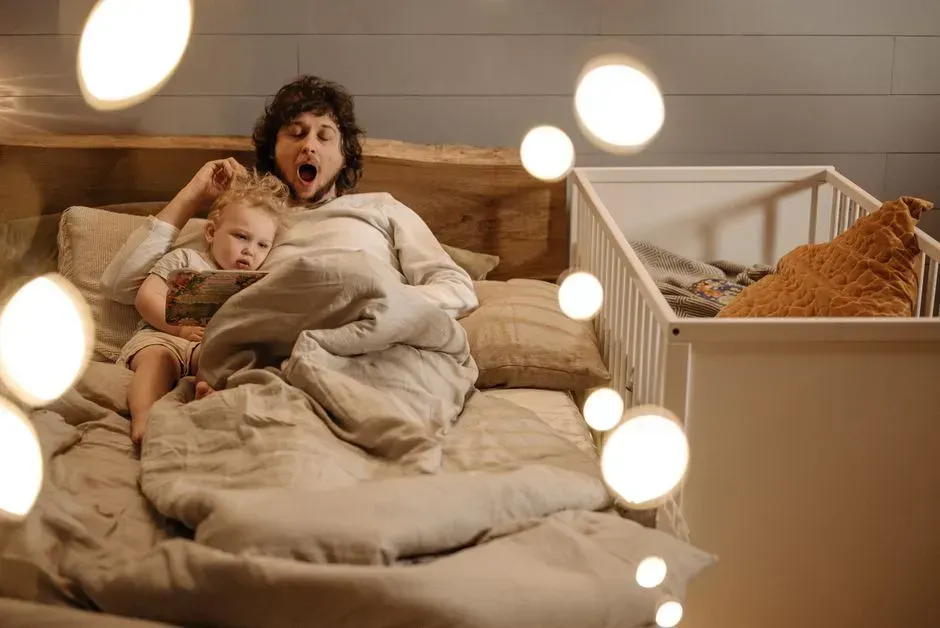
Before we fixed anything, bedtime was inconsistent by default. Some nights we started at seven, other nights closer to eight thirty, depending on how the day had gone, and the kids picked up on that unpredictability fast. Looking back, it makes sense that things were rocky, since recent studies found that over one third of US children, aged four months to seventeen years, have reported sleeping less than the recommended amount for their age groups.
My two kids, ages five and eight at the time, fell right into that pattern. There was no clear signal that the day was ending, so their brains just kept running at full speed until exhaustion finally won. Once I understood how common this problem actually is, it felt less like a personal failure and more like a fixable system issue.
Setting a Fixed Wind Down Time, No Exceptions
Setting a Fixed Wind Down Time, No Exceptions (Image Credits: Pexels)
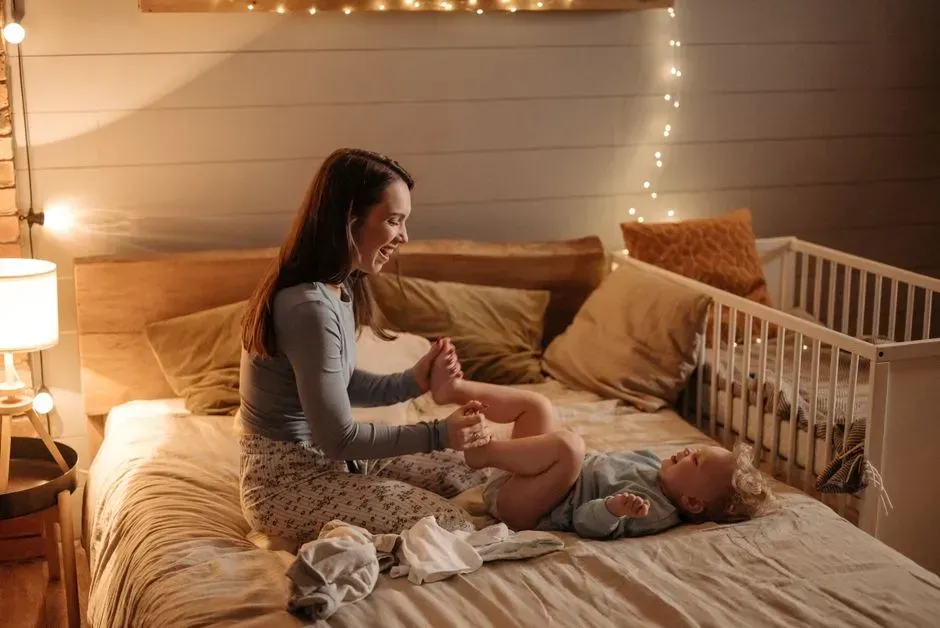
The first real change was picking an actual start time for the bedtime process and sticking to it, even on nights when I really did not feel like it. For school age kids specifically, sleep guidance points to roughly nine to twelve hours a night depending on age, and working backward from a required wake up time made the math simple. Toddlers should get 11 to 14 total hours, preschool-aged children 10 to 13 total hours, and elementary school-aged children 9 to 12 total hours of sleep each day.
Once I knew the target number, setting a firm start time for the wind down became less arbitrary and more like following a plan. We picked seven fifteen as our starting point and treated it the way we would treat a dinner reservation. That single decision removed most of the daily debate about whether “it’s not even bedtime yet,” because the schedule was fixed rather than negotiable.
Cutting Off Screens a Full Hour Before Lights Out
Cutting Off Screens a Full Hour Before Lights Out (Image Credits: Pexels)
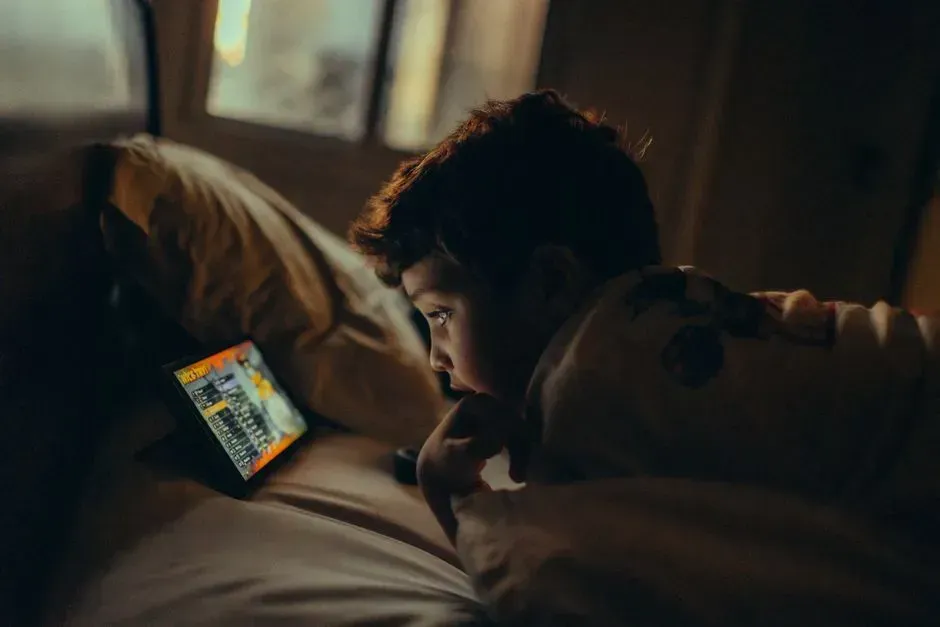
This was the hardest rule to enforce at first, mostly because I was the one who kept caving. Tablets came off an hour before the wind down began, no shows, no games, nothing with a glowing screen. The reasoning held up once I looked into it more closely, since a recent study found that in children from five to ten years old, for every extra hour they used an electronic device, sleep was decreased by 11 minutes, and those children were significantly more likely to have worse sleep quality.
Eleven minutes per hour sounds small until you stack it across a school week. My older one used to sneak in an episode of something right before bed, and once that stopped, the difference in how quickly he actually fell asleep was noticeable within about a week. It was not instant, but it was consistent, and consistent turned out to matter more than dramatic.
A Warm Bath as the Official Signal

A Warm Bath as the Official Signal (Image Credits: Pexels)
We made bath time the clear marker that the day was ending, not just a hygiene task squeezed in whenever. It happens at the same point every single night, right after the screens go off, so the kids know exactly where they are in the sequence without me announcing it. There is something almost mechanical about how well this works once it becomes routine rather than a suggestion.
My younger daughter especially responds to the warm water as a physical cue to slow down. She used to bounce off the walls right up until the moment I tucked her in, but the bath seems to act like a reset button on her energy level. It is a small thing, but it does the heavy lifting of transitioning from daytime mode into nighttime mode.
Dimming the Lights Earlier Than Feels Necessary
Dimming the Lights Earlier Than Feels Necessary (Image Credits: Unsplash)
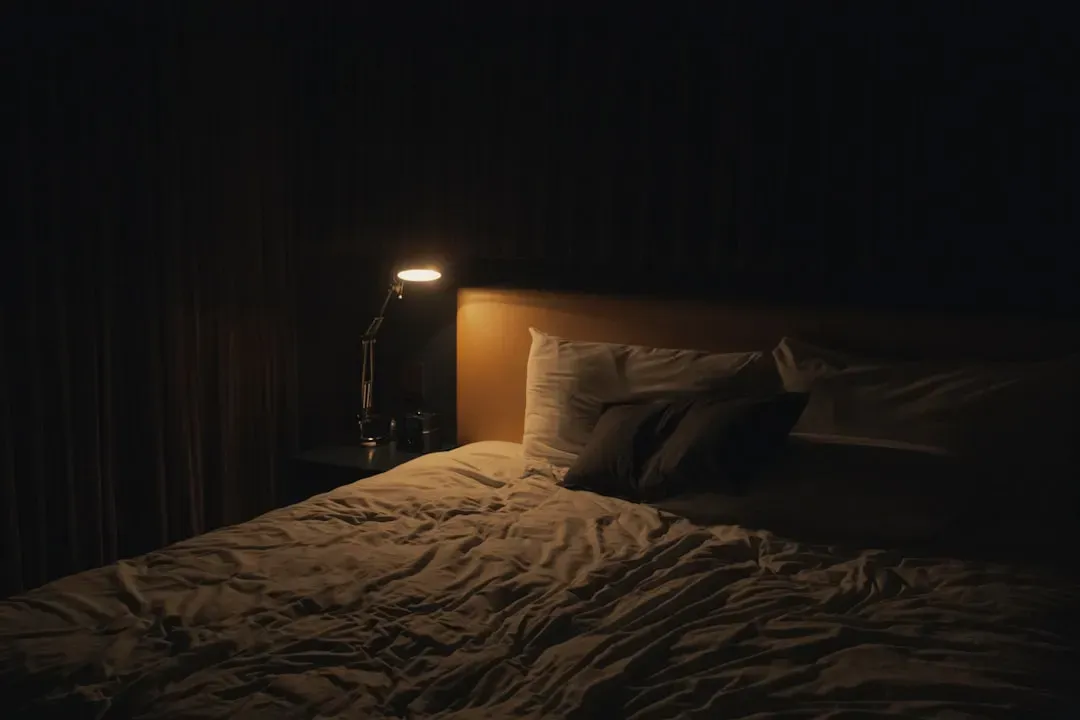
Overhead lights go off well before actual bedtime in our house now, replaced with a single lamp in the hallway. Parents seem to land on very different setups here, and that variety showed up clearly in one national survey where 61% of parents reported that their child uses a night light at bedtime, 14% leave the door cracked, and 25% sleep in the dark. We landed somewhere in the middle, using a very dim amber light rather than a fully bright one.
Sound turned out to matter just as much as light. We tried a few different approaches before settling on ours, since some parents have successfully implemented noise into their child’s bedtime routine, including 33% of parents reporting the use of white noise, 15% using soft music, 13% watching a video or TV show, meanwhile 39% reporting keeping the room quiet. A basic white noise machine in each room ended up being the one purchase I would recommend to any parent stuck in the same spot we were.
Pajamas and Teeth, Same Order, Every Night
Pajamas and Teeth, Same Order, Every Night (Image Credits: Pexels)
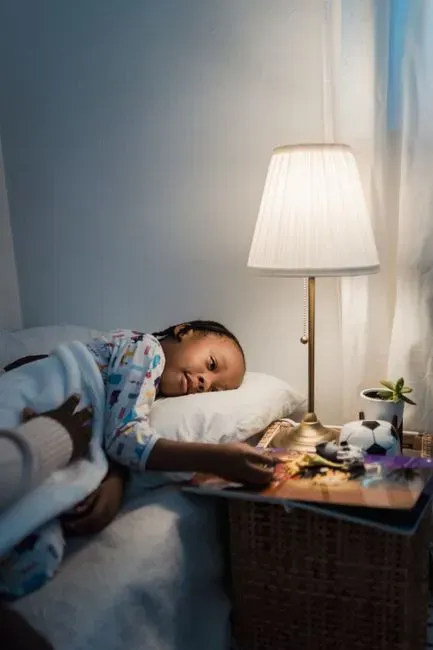
This section of the routine sounds almost too boring to matter, but the order itself does something useful. Pajamas go on first, then teeth get brushed, then it is straight to the bedroom, with zero detours in between. The predictability removes decision points where a kid might stall, argue, or suddenly remember an urgent Lego project.
What surprised me is how much faster this part became once we stopped changing the order around. Kids notice sequence more than adults tend to give them credit for, and once the sequence became automatic, the whole stretch from bath to bed shrank by what felt like fifteen minutes most nights. That is not a small win when you are the one running on fumes by eight o’clock.
Reading Together, Every Single Night Without Fail
Reading Together, Every Single Night Without Fail (somegeekintn, Flickr, <a href="https://creativecommons.org/licenses/by/2.0/" target="_blank" rel="noopener">CC BY 2.0</a>)
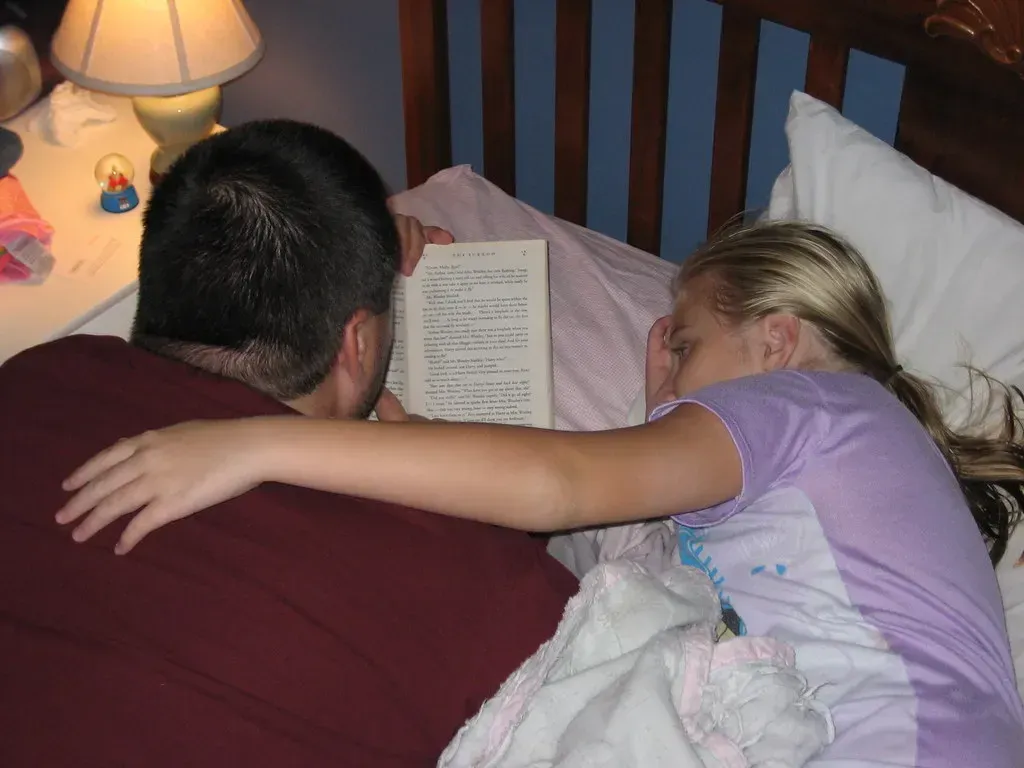
Books are the one part of the routine that never gets skipped, not for travel, not for sick days, not for anything short of a genuine emergency. We read two short picture books with my younger one and a chapter from something longer with my older son. This is not just a nice bonding ritual either, since research has connected the practice to real developmental gains beyond sleep itself.
Institution of a language-based bedtime routine, such as parent-child book sharing or storytelling, at an early age is associated with better language ability, cognitive-academic skills, and subsequent academic achievement. Knowing that made it easier to protect this part of the night even on days when I was tempted to shorten everything else. It has become the piece of the routine both kids would probably fight hardest to keep if I tried to cut it.
A Few Quiet Minutes to Talk Before Lights Out
A Few Quiet Minutes to Talk Before Lights Out (Image Credits: Pexels)
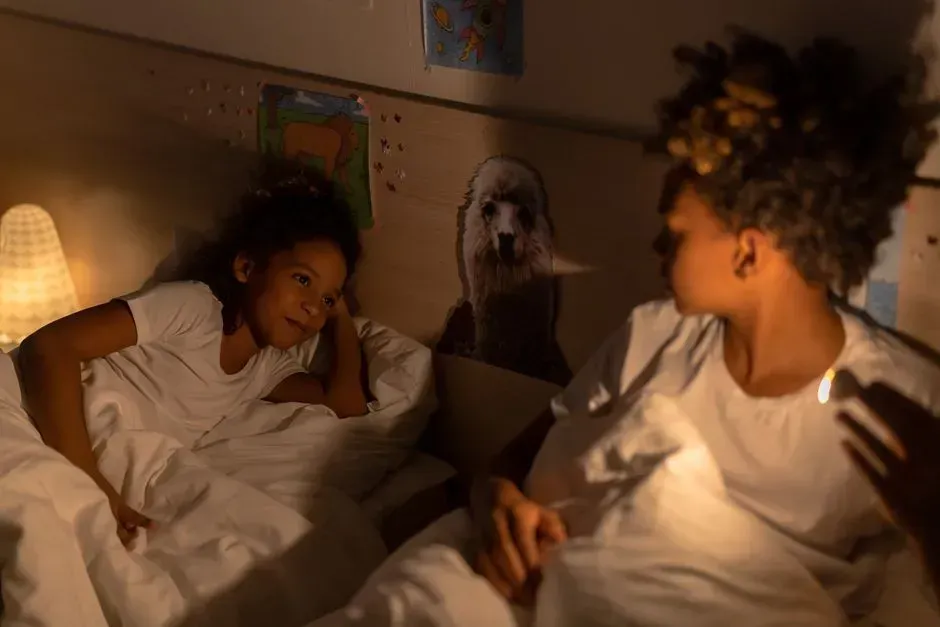
After the books close, we spend two or three minutes just talking in the dark before I leave the room. Sometimes it is about something from their day, sometimes it is nothing at all, just quiet company. This window matters because bedtime tends to be one of the only stretches where a parent is fully present without distractions.
A bedtime routine can provide multiple benefits to child and family functioning at a time of day that many parents are present with their children. I noticed this firsthand once we started protecting these few minutes intentionally rather than rushing out of the room. It became the part of the day where my kids were most likely to bring up something that was actually bothering them.
Keeping the Same Routine on Weekends Too
Keeping the Same Routine on Weekends Too (Image Credits: Pexels)
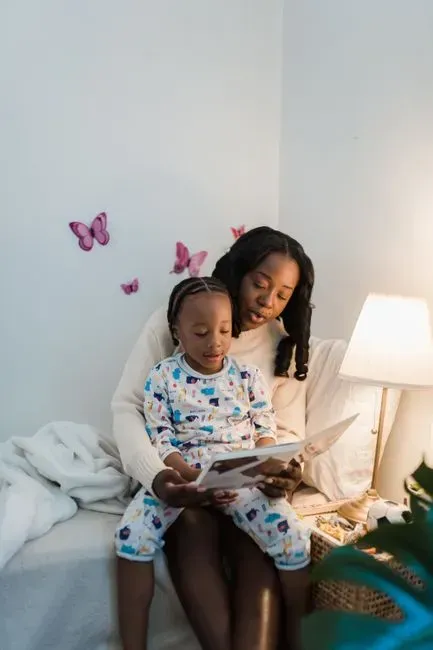
This was the rule I resisted longest, because weekends used to feel like the one break from structure everyone deserved. It turns out that break was undoing most of the progress we made during the week. Sleep researchers have been consistent on this point for a while now, and general pediatric guidance backs it up directly, since it might be tempting to think that children can get by with less sleep than they need or cope well with a few skipped hours, but all children thrive on a regular bedtime routine.
So Saturday and Sunday nights now look almost identical to weeknights, just with slightly later start times to match a later dinner. The kids adjusted to this faster than I expected, honestly faster than I did. Within about a month, neither of them fought the Sunday to Monday transition the way they used to, because there was no jarring shift back into structure to begin with.
What Actually Changed After a Few Weeks
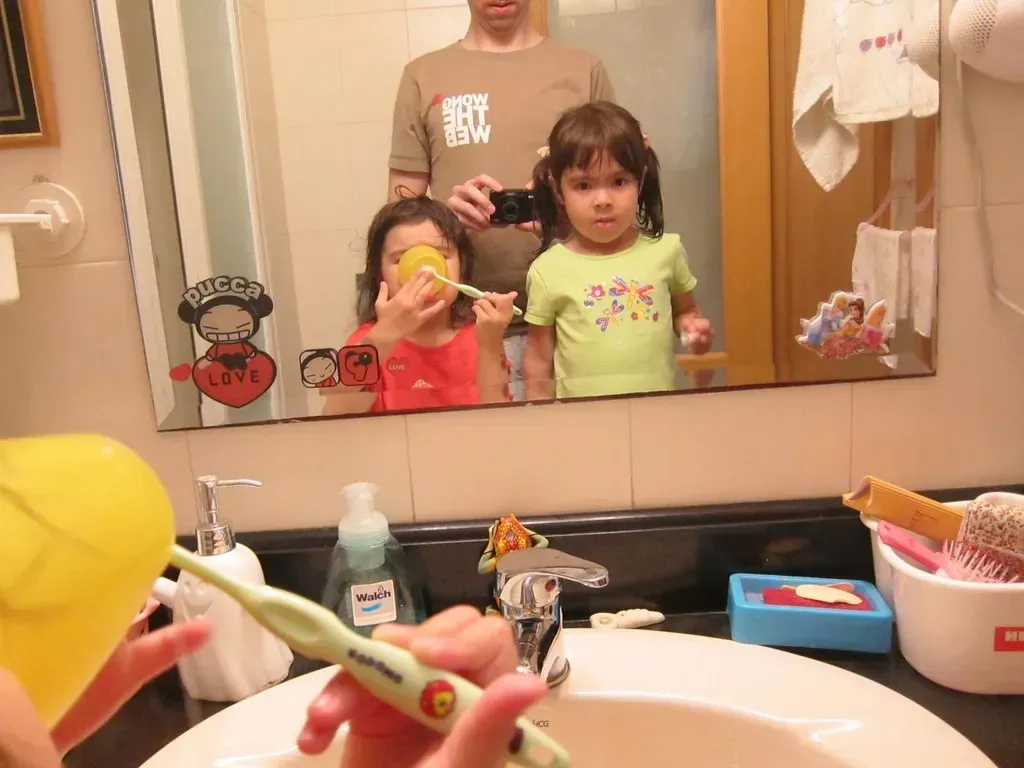
What Actually Changed After a Few Weeks (Micah Sittig, Flickr, <a href="https://creativecommons.org/licenses/by/2.0/" target="_blank" rel="noopener">CC BY 2.0</a>)
The improvement was not overnight, but by the third week the difference was hard to ignore. Both kids started falling asleep faster, waking up less during the night, and generally seemed less cranky in the mornings, which lines up with what the broader research on this topic has found. Research shows that children who follow bedtime routines are more likely to go to sleep earlier, take less time falling asleep, sleep longer, and wake up less during the night.
One study that stuck with me looked at thousands of families across multiple countries and found something close to what we experienced firsthand. Children with a bedtime routine every night slept for an average of more than an hour longer per night than children who never had a bedtime routine. An extra hour of sleep does not sound dramatic on paper, but living through the difference it makes in a household’s mood is a completely different thing.
None of this required expensive gadgets or a rigid parenting philosophy, just a sequence that stayed the same night after night. The routine is not glamorous, and some nights it still takes longer than I would like, but it works far better than anything we tried before we had one. If there is a takeaway worth passing along, it is that kids do not need a perfect bedtime, they just need a predictable one.