
There's a certain kind of silence that falls over a group of thirty-somethings when someone mentions a plastic egg with a screen, or the smell of a freshly opened pack of trading cards. It's not nostalgia exactly. It's more like a shared password, proof that you were there for a decade that somehow managed to be both low-tech and utterly obsessive about its gadgets and crazes. Millennials didn't just live through the '90s, they absorbed it, and pieces of it never really left.
Tamagotchi and the birth of digital guilt
![Tamagotchi and the birth of digital guilt (By Tomasz Sienicki [user: tsca, mail: tomasz.sienicki at gmail.com], <a href="https://commons.wikimedia.org/w/index.php?curid=2169298" target="_blank" rel="noopener">CC BY-SA 3.0</a>)](https://nvmwebsites-budwg5g9avh3epea.z03.azurefd.net/onpoint/6ac582b0f6cf79d15951baaed613a5c6.webp)
Tamagotchi and the birth of digital guilt (By Tomasz Sienicki [user: tsca, mail: tomasz.sienicki at gmail.com], <a href="https://commons.wikimedia.org/w/index.php?curid=2169298" target="_blank" rel="noopener">CC BY-SA 3.0</a>)
Long before anyone worried about screen time, kids were losing sleep over a keychain-sized creature that needed feeding every few hours. The Tamagotchi was released in Japan on November 23, 1996 by Bandai, before eventually being released in North America on May 28, 1997. The demand was so intense that in the U.S., Tamagotchi was an instant hit, and on the first day of sales, San Francisco’s F.A.O. Schwartz sold its entire stock of 3,000 by 3:00 p.m., with New York’s flagship selling 10,000 units by noon the next day.
What made it stick in memory wasn’t the toy itself so much as the low-grade panic it produced. Owners used three buttons to feed, discipline, play with, give medicine to, and clean up after their digital pet, which would make its demands known at all hours through bloops and bleeps. Neglect one during class and you’d come back to a dead pixelated pet and a strange sense of failure that felt oddly real for a nine year old. The brand never really disappeared either, with a Tamagotchi Paradise version released worldwide in July 2025, letting players care for their pet at four different levels, from cellular to cosmic.
Beanie Babies turned every kid into an amateur investor

Beanie Babies turned every kid into an amateur investor (Image Credits: By Tombus20032000, <a href="https://commons.wikimedia.org/w/index.php?curid=143424391" target="_blank" rel="noopener">CC BY-SA 4.0</a>)
For a few years, stuffed animals stopped being toys and started being treated like stock certificates. The Beanie Baby craze began around 1995 when Ty Inc. released a limited-edition line, creating a sense of rarity and exclusivity. Parents and kids alike genuinely believed these bean-filled plush animals would fund college educations, and for a while the market seemed to agree.
At its height, people would flip Beanies for as much as ten times their price on eBay, and Beanies made up roughly ten percent of eBay’s total sales.
Then reality caught up with the hype. Everything changed in 1999, when Ty abruptly announced it would stop producing Beanie Babies, sparking a frenzied last-ditch buying spree, though the expected post-retirement value spike never materialized. Most collections ended up in closets rather than college funds, but the memory of hunting for the right bear at Hallmark stayed intact. It’s the kind of thing millennials bring up half-jokingly at family gatherings, usually right before someone admits they still have a box of them in their parents’ attic.
Furby and the toy that felt a little too alive
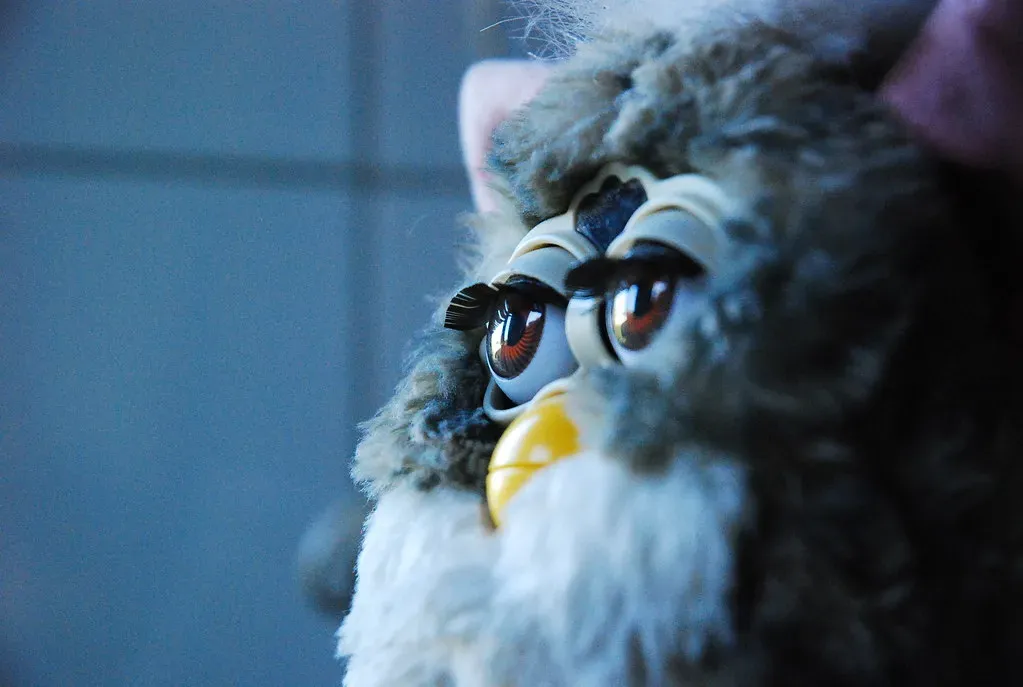
Furby and the toy that felt a little too alive (danbri, Flickr, <a href="https://creativecommons.org/licenses/by/2.0/" target="_blank" rel="noopener">CC BY 2.0</a>)
Nothing said late ’90s quite like a fuzzy owl-shaped robot that spoke gibberish and slowly learned English. Furby was originally released in October 1998 and went through a period of being a must-have toy following its holiday season launch, with more than 40 million units sold during the three years of its original production. The scramble to actually find one that Christmas became its own tradition, with parents trading favors and standing in long lines just for a shot at buying one.
In January 1999, the National Security Agency even banned Furbies from its headquarters, worried the toys might record and repeat classified information.
That last detail still gets repeated at parties because it sounds too strange to be true, yet it captures how genuinely unsettling the toy felt at the time. Furby wasn’t just a gadget, it was designed to feel like a small creature with moods and needs, which is exactly why kids became weirdly attached to something made of plastic and a single motor. The brand has resurfaced periodically since, but nothing quite matches the specific anxiety of trying to get one before Christmas Eve in 1998.
Pokémon cards and the great playground economy
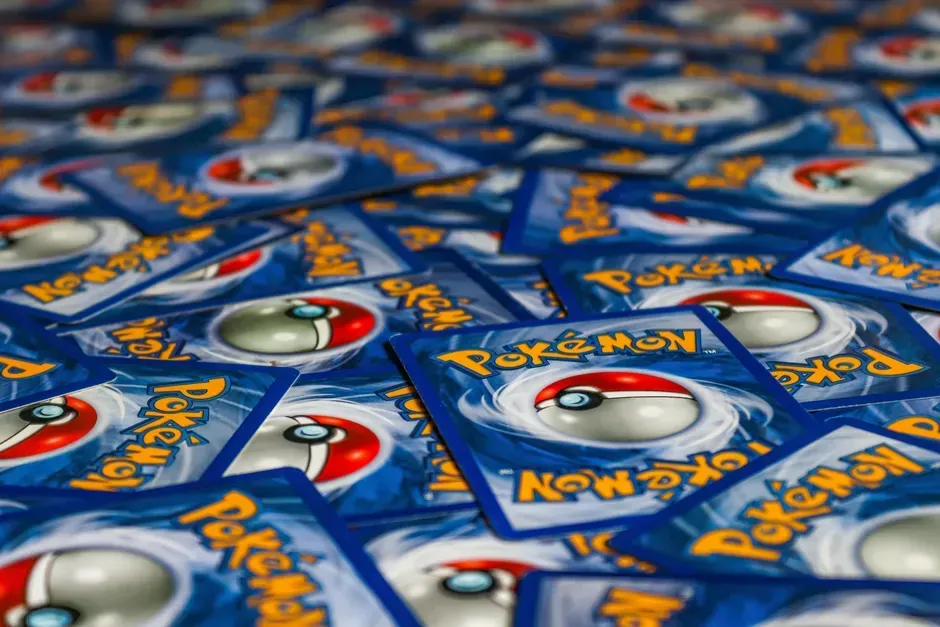
Pokémon cards and the great playground economy (Image Credits: Pexels)
Before Pokémon cards were investment pieces sold at auction, they were currency on the elementary school blacktop. Pokemon cards first launched in the US in late 1998, when Wizards of the Coast began rolling out an English-language demo product to teach people how the game worked. The full Base Set followed in the United States on January 9, 1999, and quickly became one of the most traded objects in American childhood.
Trading wasn’t casual, it had rules, hierarchies, and the occasional playground dispute over whether a holographic Charizard was worth an entire binder of commons. Collectors still care about early print differences today, particularly the shadowless versus shadowed cards, since shadowless cards are harder to find and generally more desirable. Decades later, some of those same cards millennials once flipped for lunch money now sell for genuinely serious money, which makes the whole thing feel both ridiculous and a little bit vindicating.
Slap bracelets, scrunchies, and the accessories teachers hated
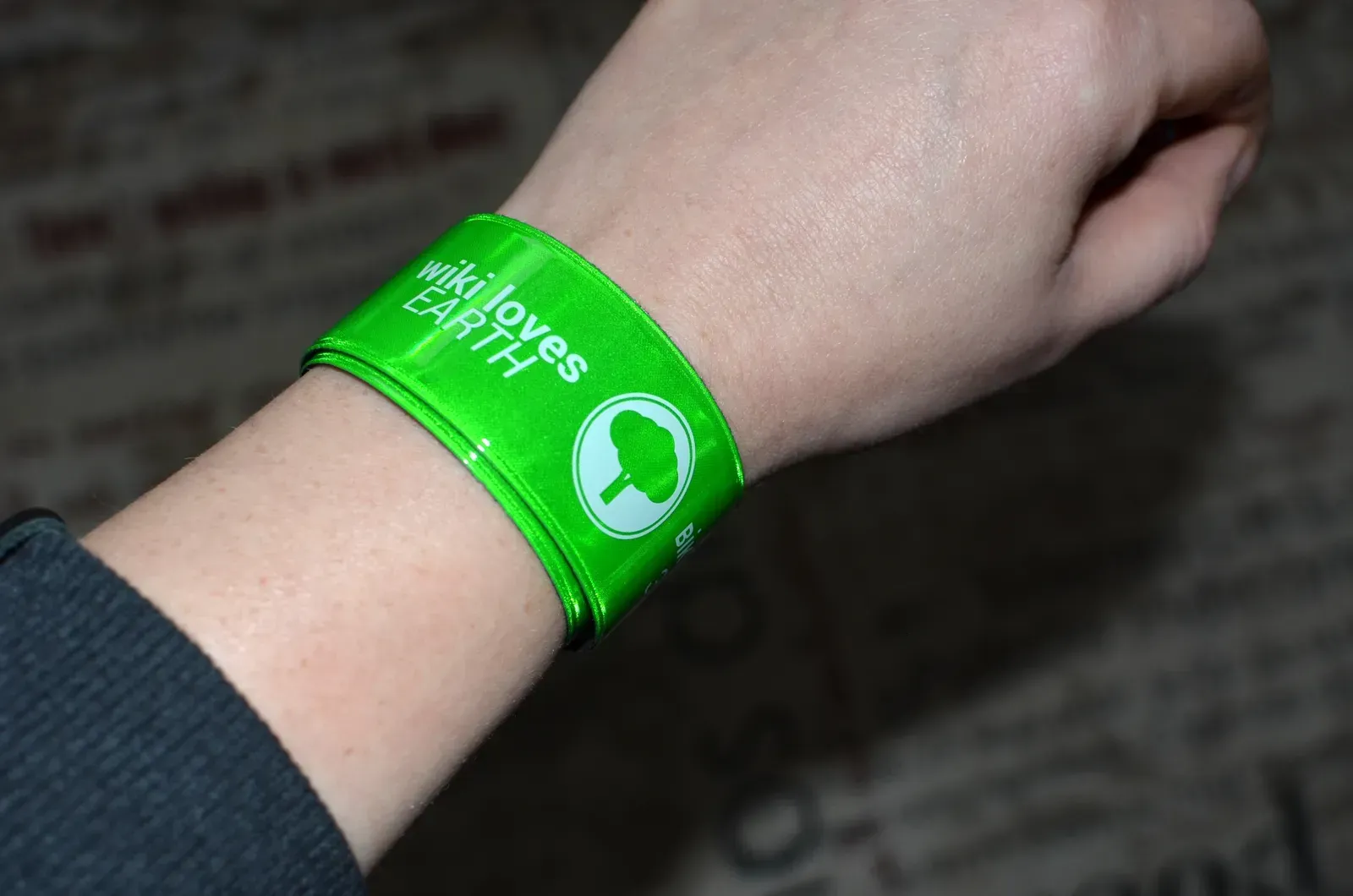
Slap bracelets, scrunchies, and the accessories teachers hated (By Anntinomy, <a href="https://commons.wikimedia.org/w/index.php?curid=75159604" target="_blank" rel="noopener">CC0</a>)
Fashion in the ’90s wasn’t subtle, and nowhere was that more obvious than in the accessories kids fought to bring to school. Slap bracelets, those metal strips wrapped in fabric that snapped around a wrist with a satisfying thwack, were banned in more classrooms than almost any other item of the decade, largely over safety concerns about the exposed metal edges. Scrunchies weren’t far behind, piled high on wrists and ponytails in colors that had no business existing in nature.
Neither item required batteries or instructions, which in hindsight feels almost quaint compared to everything else on this list. They were cheap, they were everywhere, and they disappeared from mainstream fashion almost as fast as they arrived, only to quietly resurface in recent years as genuine nostalgia buys rather than ironic ones.
Saturday mornings and the TGIF lineup
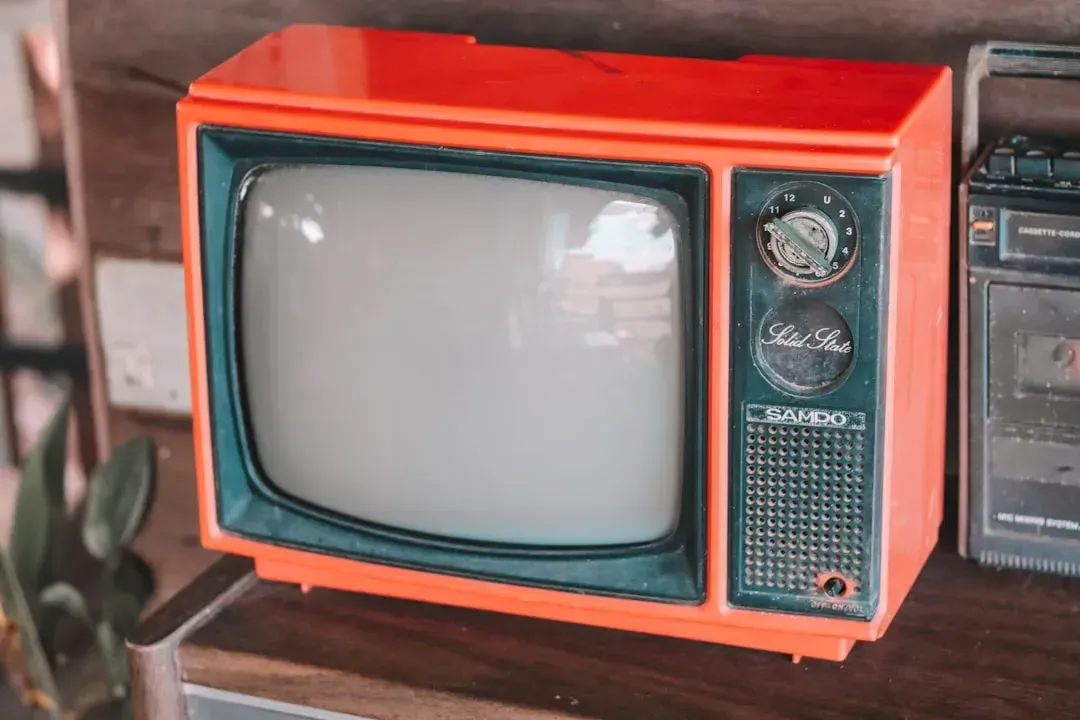
Saturday mornings and the TGIF lineup (Image Credits: Unsplash)
Streaming didn’t exist, so television scheduled itself around childhood in a way that feels almost unimaginable now. Saturday morning cartoon blocks were an event, complete with cereal, pajamas, and a strict refusal to move from the couch until the lineup ended. ABC’s TGIF block did the same thing for Friday nights, stacking family sitcoms back to back in a way that turned an entire evening into a ritual.
There was no rewinding, no on-demand option if you missed an episode, and no algorithm deciding what came next. Missing an episode meant genuinely missing it, sometimes for months, which somehow made the shows themselves feel more valuable. Millennials talk about this less as nostalgia for the shows and more as nostalgia for the structure, the specific comfort of knowing exactly what was airing at exactly what time.
Dial-up internet and the sound that meant something was starting

Dial-up internet and the sound that meant something was starting (Image Credits: Pixabay)
The screech and static of a modem connecting is one of those sounds that instantly transports an entire generation back to a specific chair in front of a specific desktop computer. The crackle of a dial-up modem became one of the digital sounds people specifically tried to preserve, alongside the metallic clack of a floppy disk sliding into a Macintosh drive. Getting online meant waiting, sometimes several minutes, and hoping nobody in the house needed to make a phone call at the same time.
AOL chat rooms and instant messenger away messages became their own art form, carefully worded and occasionally dramatic in ways that only a thirteen year old could manage. The internet felt slower but somehow more intentional, since every session had a real cost attached to it in the form of a tied-up phone line. That specific mix of anticipation and mild household conflict is something younger generations simply never had to experience.
Blockbuster nights and the ritual of picking a movie
Blockbuster nights and the ritual of picking a movie (Image Credits: Unsplash)
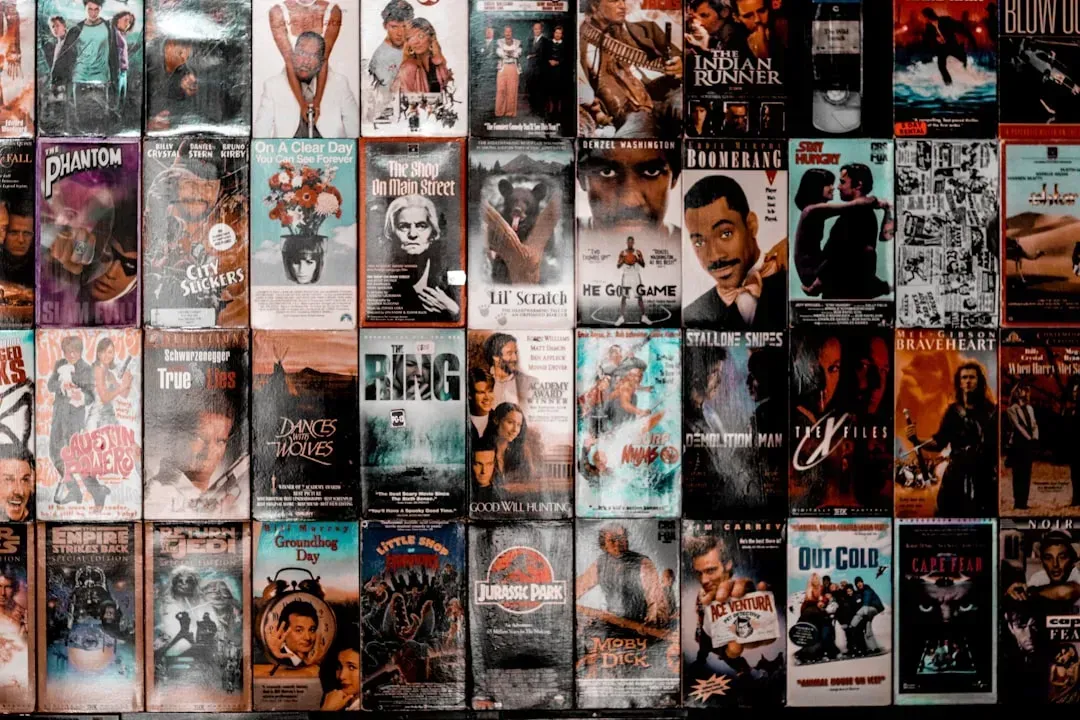
Choosing what to watch used to be a physical activity, one that involved walking up and down aisles of VHS tapes and later DVDs, reading the backs of boxes, and occasionally settling for a second choice because the good one was already rented out. Blockbuster Video wasn’t just a store, it was a Friday night destination, often paired with a stop for pizza or snacks on the way home. The late fees were an entire subculture of dread on their own, with plenty of families quietly avoiding the counter clerk they knew was tracking a forgotten return.
That entire ritual vanished almost overnight once streaming took over, which is part of why millennials talk about it with such specific fondness. It wasn’t really about the movies, it was about the process, the browsing, the negotiating with siblings over what to rent. Losing that kind of shared decision-making is a small thing in the scope of technological change, but it’s exactly the sort of small thing that sticks in memory longer than expected.
Trapper Keepers and the obsession with school supplies
Trapper Keepers and the obsession with school supplies (Image Credits: Pexels)
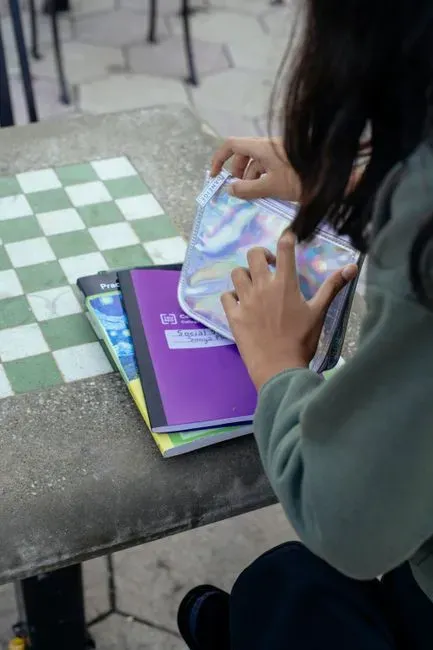
Back to school shopping in the ’90s had a specific kind of intensity, and Trapper Keepers were at the center of it. These oversized binders with a signature snap closure came in an endless rotation of designs, and choosing the right one felt like a genuine social decision rather than a practical one. Gel pens, in metallic and neon shades that barely showed up on white paper, were treated with similar seriousness, often traded and compared like tiny status symbols.
Lisa Frank folders and notebooks, covered in impossibly colorful animals, rounded out the aesthetic that defined an entire era of school supplies. None of it was subtle, and that was exactly the point. Millennials bring these up not because the items were particularly useful, but because picking them out each August felt like one of the few moments a kid actually got a say in something.
Boy bands, pop crushes, and bedroom wall posters
Boy bands, pop crushes, and bedroom wall posters (Image Credits: Pexels)
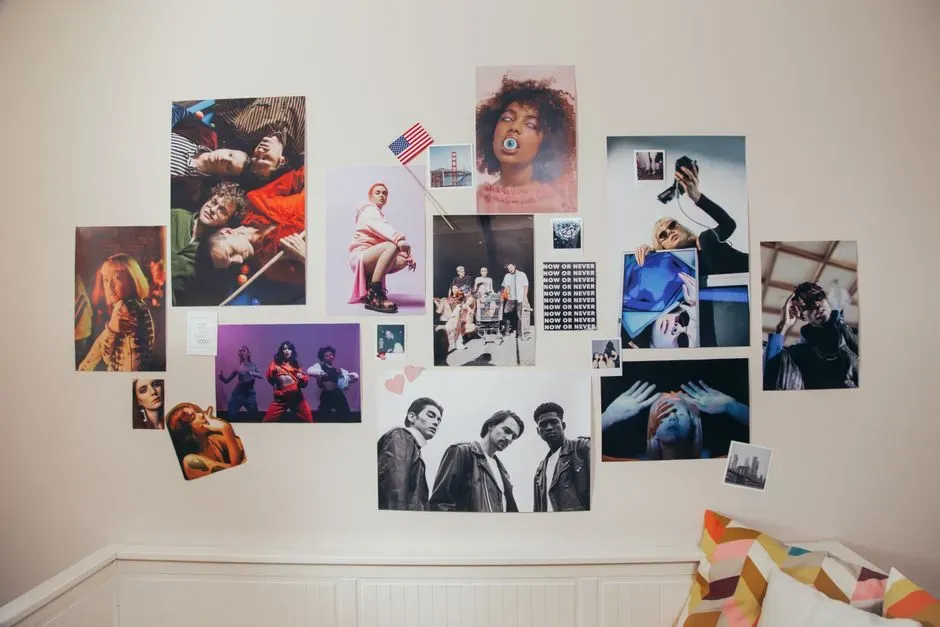
Music fandom in the ’90s was a physical, visible thing, plastered across bedroom walls in the form of posters torn from magazines like Tiger Beat and BOP. Boy bands dominated that landscape, and having a favorite member wasn’t a casual preference, it was closer to an identity. CD singles, cassette mixtapes, and countdown shows on the radio all fed into a fandom culture that required patience most kids today would find baffling.
There was no streaming a favorite song on demand, so recording it off the radio onto a blank cassette, timing it just right to avoid the DJ talking over the intro, was its own small skill. That effort is probably why the music from that decade still gets such a strong reaction now. It wasn’t just background noise, it was something millennials worked for, in a small but memorable way.
Final thoughts
Final thoughts (Image Credits: Pexels)
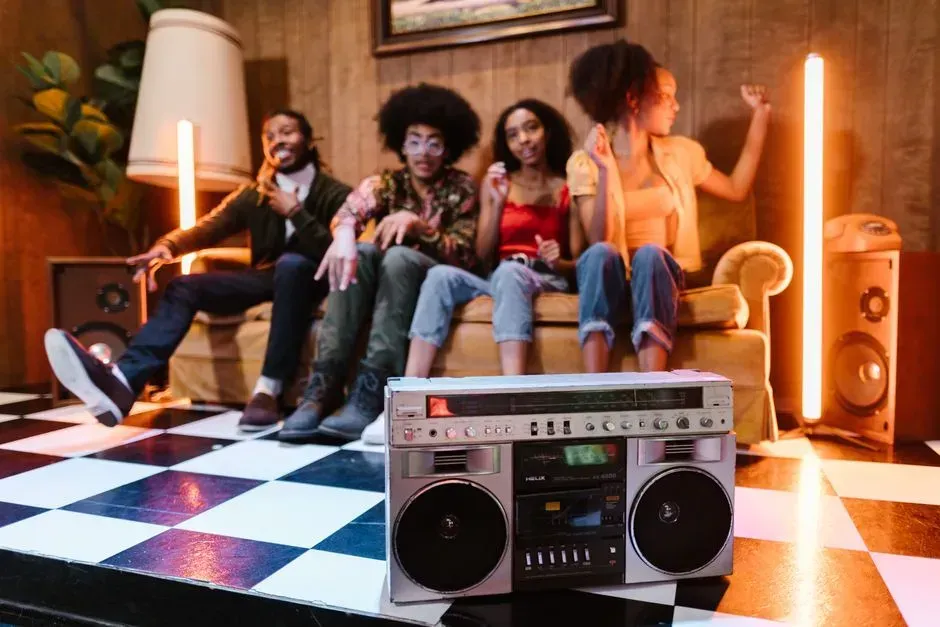
None of these trends were particularly sophisticated, and most of them lasted only a few years before fading into the next fad. What ties them together isn’t the toys or the shows themselves, but the specific texture of a childhood that hovered right at the edge of the digital age without fully belonging to it. Millennials talk about the ’90s not because it was a simpler time exactly, but because it was the last stretch of childhood that felt tangible in a way later decades wouldn’t quite replicate.