
There’s a common assumption that close families are simply lucky – that warmth between generations is either there or it isn’t. The research tells a different story. What actually distinguishes tightly bonded families from more distant ones tends to come down to small, repeatable behaviors: the habits people return to day after day without much fanfare.
These aren’t grand gestures. They’re the conversations held over dinner, the rituals nobody would bother explaining to an outsider, the quiet check-ins that happen almost on autopilot. What makes them powerful is their consistency, and the fact that they’ve been practiced across generations until they feel less like habits and more like identity.
Shared Meals as a Daily Anchor

Shared Meals as a Daily Anchor (Image Credits: Unsplash)
Twenty years of research has shown that family dinners are good for the body, the brain, and the mental health of kids and their parents. That's a striking finding, and it holds up across income levels, family structures, and cultures. The meal itself matters less than the gathering around it.
More frequent family dinners are linked to fewer emotional and behavioral problems, greater emotional well-being, more trusting and helpful behaviors toward others, and higher life satisfaction. Research also found that roughly four in five teenagers say family dinner is the time of day they're most likely to talk to their parents – which often surprises adults who assume teens prefer distance.
Keeping Family Stories Alive
Keeping Family Stories Alive (Image Credits: Pexels)
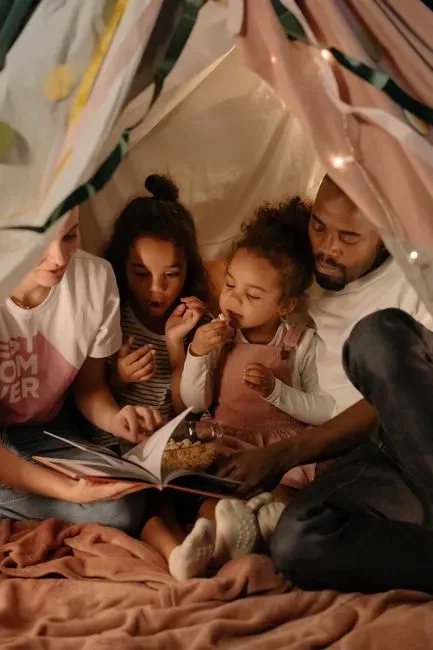
Telling and retelling family stories – through photo albums, oral histories at reunions, or bedtime tales about "when I was young" – gives younger generations a framework to understand their family's history and identity. Studies from Emory University's Family Narratives Lab showed that children and adolescents who know more about their family's stories tend to have higher self-esteem, better coping skills, and a stronger sense of control over their lives.
By learning where they come from – the hardships their elders overcame, the funny anecdotes of relatives, the values that guided their family – young people gain a clearer sense of self. They recognize that they are chapters in an ongoing narrative. Families with strong intergenerational bonds tend to make this storytelling a regular practice, not just a holiday activity.
Intentional Family Rituals, Not Just Routines
Intentional Family Rituals, Not Just Routines (Image Credits: Pexels)
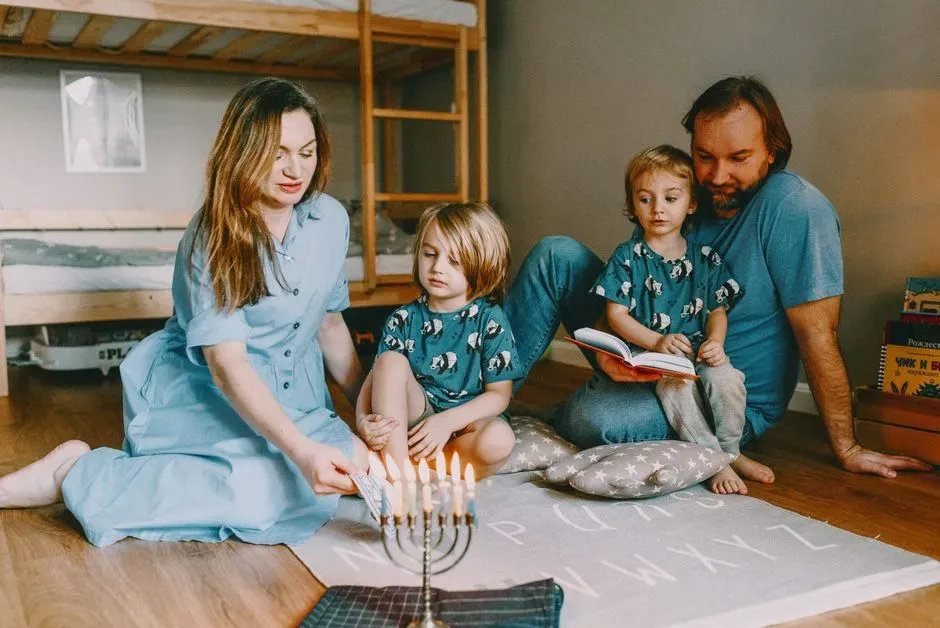
There's an important distinction between a family routine and a family ritual. Routines convey "this is what needs to be done," while rituals convey "this is who we are" as a group and provide continuity in meaning across generations. That difference in meaning is what makes rituals particularly sticky and emotionally significant.
Studies found that family traditions and rituals are associated with marital satisfaction, adolescents' sense of personal identity, children's health, academic achievement, and stronger family relationships. Family rituals also trigger the release of oxytocin, associated with trust, bonding, and emotional closeness – meaning that when a family engages in rituals together, it strengthens emotional connections, making everyone feel more loved and secure.
Active Listening as a Daily Practice

Active Listening as a Daily Practice (Image Credits: Pexels)
Active listening is a powerful tool that can transform family dynamics by creating an atmosphere of understanding, respect, and connection. In families that maintain strong bonds across decades, listening isn't treated as a passive default. It's something members actively practice – with eye contact, follow-up questions, and genuine attention.
The more heard and supported children feel when communicating with their family, the more likely they are to be open and share when it really matters most. Taking the time to learn and practice active listening is one meaningful step toward cultivating a healthy and supportive relationship. The habit applies equally well between adult siblings, grandparents, and grown children – not just in parenting contexts.
Expressing Gratitude Toward Each Other

Expressing Gratitude Toward Each Other (Image Credits: Pexels)
Research has shown that gratitude plays a significant role in building and strengthening social bonds between individuals. Families that make a habit of expressing appreciation – not just during holidays, but in ordinary moments – tend to sustain warmth more reliably over time. It doesn't require a ceremony; a brief, sincere acknowledgment is often enough.
Daily gratitude practices increased prosocial behaviors, with participants more likely to offer emotional support or help with personal challenges. Studies also show that expressing gratitude can inspire generosity, build trust, and encourage helpful behavior in others, even in third-party witnesses. When gratitude becomes a household norm, it creates a quietly contagious dynamic.
Protecting Unscheduled Time Together
Protecting Unscheduled Time Together (Image Credits: Pexels)
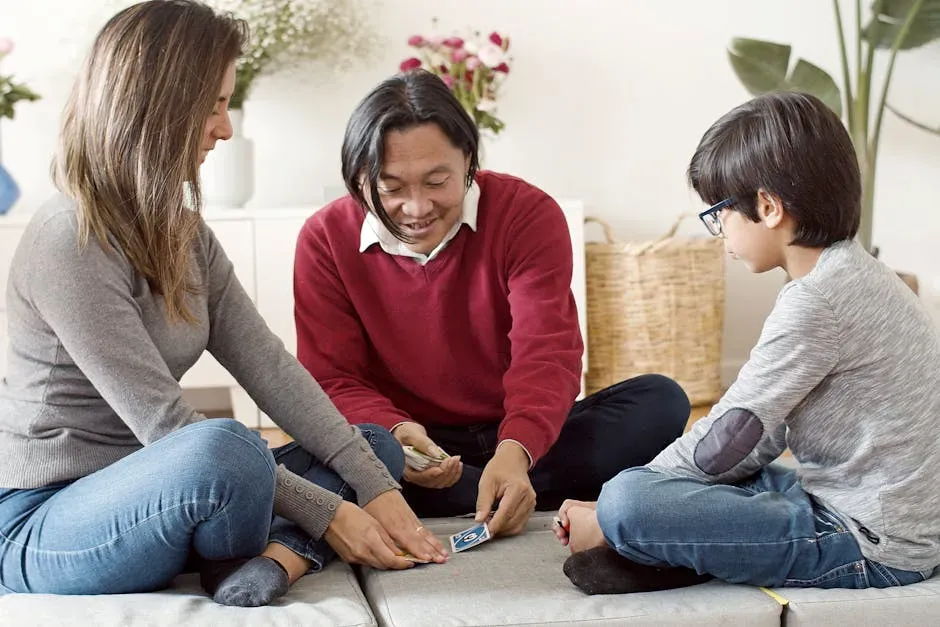
Life gets busy, and real challenges – like conflicting schedules, sibling rivalries, or the constant pull of technology – can make it tough to stay connected. One of the biggest hurdles is finding time for everyone to be together when schedules don't align. Families with durable bonds tend to be deliberate about guarding against this.
It's important to cut back on outside commitments – you don't have to be involved in everything, and neither do your kids. Deliberately choosing just a few extracurricular activities and prioritizing time at home as a family is a pattern consistently observed in households that report feeling genuinely close. Saying no to certain outside demands is, quietly, a way of saying yes to each other.
Regular Check-Ins Across Generations
Regular Check-Ins Across Generations (Image Credits: Unsplash)
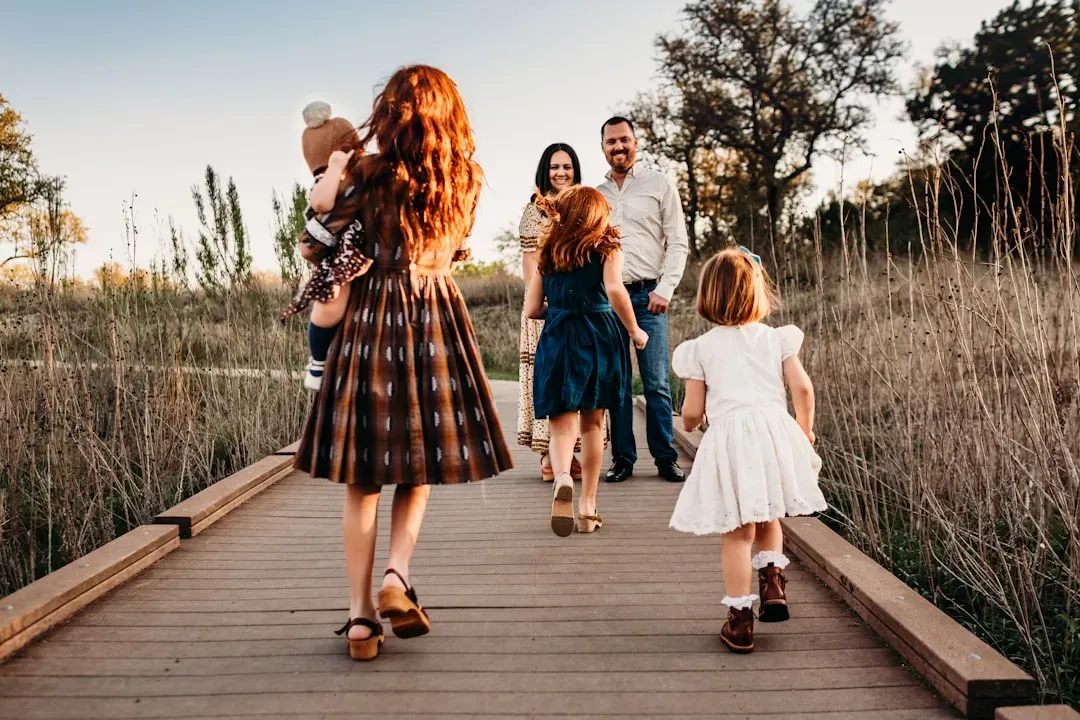
Research identifies four core dimensions of family cohesion: emotional bonding, adaptability, communication, and support. Families that score well across all four tend to have structured, recurring touchpoints – a weekly call with a grandparent, a Sunday afternoon tradition, or even a group message thread that gets used for more than logistics.
By carving out time for intentional family bonding, families set the stage for lifelong connections that help everyone feel valued, understood, and loved. Beyond identity, these traditions strengthen the emotional bonds among family members, and setting aside dedicated time for a recurring family activity signals that these relationships are a priority.
Managing Digital Distractions Consciously
Managing Digital Distractions Consciously (Image Credits: Unsplash)
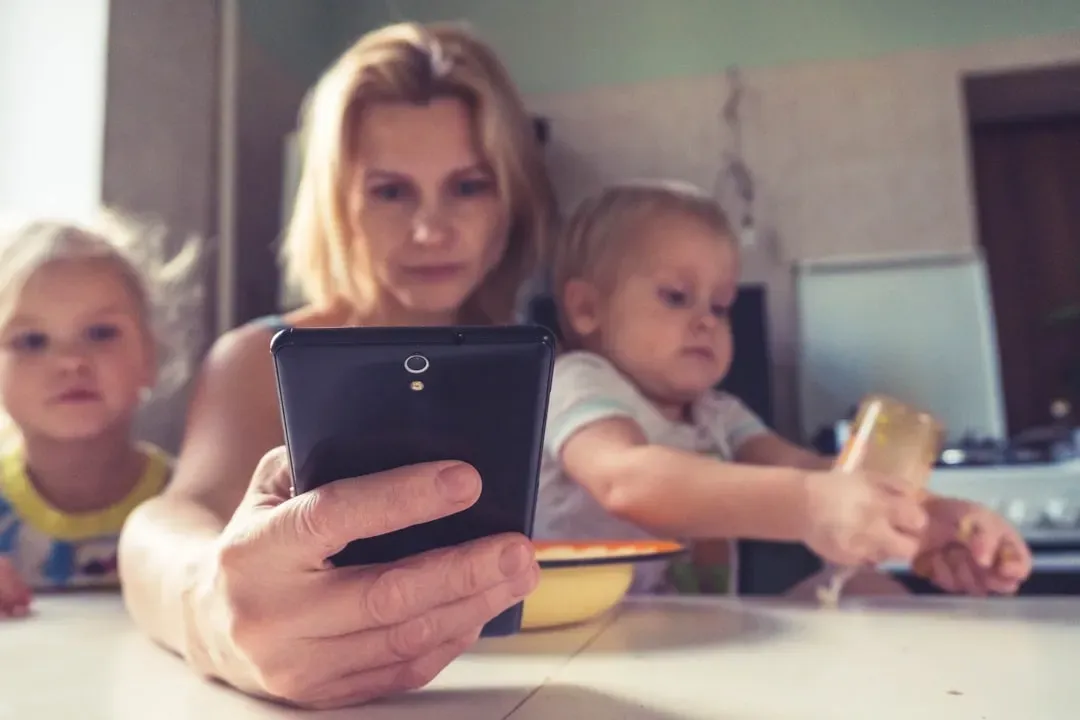
Research findings show a strong link between high digital use and shorter, less meaningful in-person conversations, frequent device interruptions, and lower emotional involvement during family time. Generations with strong family bonds don't necessarily avoid technology. They tend to manage it more consciously, particularly during shared time.
Gadget usage alone may not be a decisive factor in shaping perceptions of family bond importance. Instead, research highlights the need for a more nuanced exploration of how quality of interactions and family engagement interact with technology use. The families who navigate this best are usually those who've established clear norms around devices – not rigid rules, but shared understandings about when presence matters most.
Cooperative Participation in Shared Tasks
Cooperative Participation in Shared Tasks (Image Credits: Unsplash)
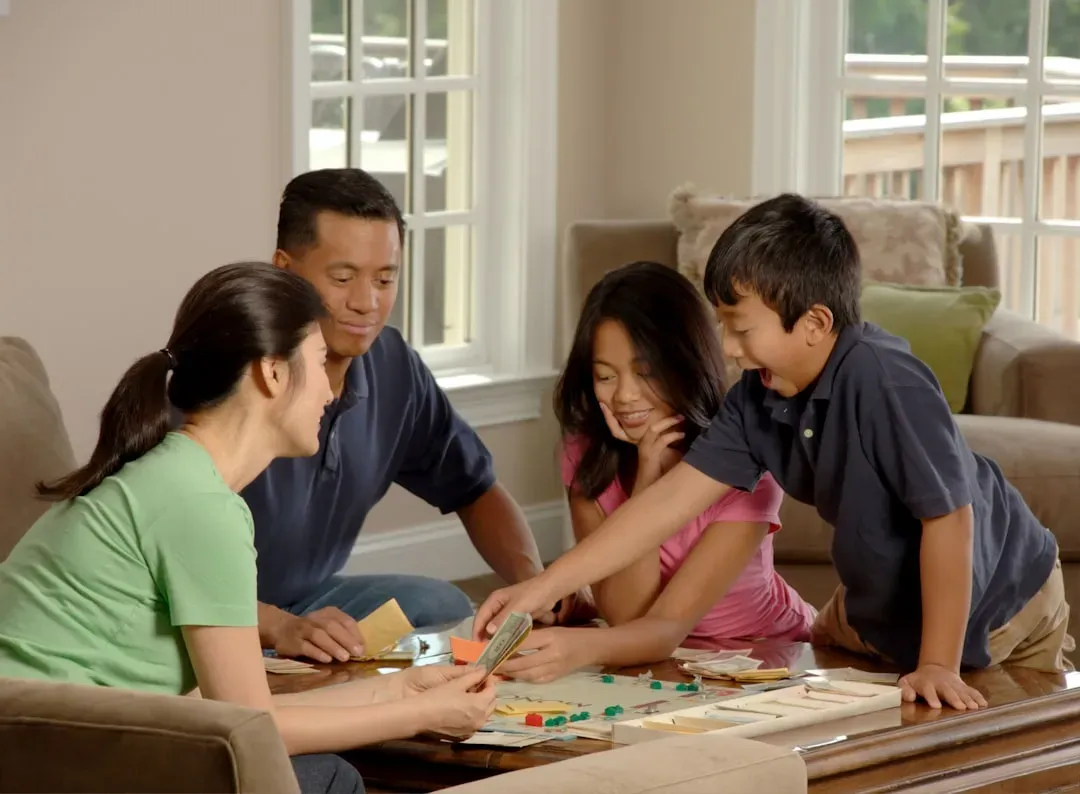
Part of the reason rituals strengthen families is that they often require communication, teamwork, and a sense of commitment. Preparing a weekly family dinner, for example, might involve everyone – one person sets the table, another cooks, children help with washing vegetables. This cooperation toward a shared pleasant experience strengthens family unity.
Several studies reveal that both routines and rituals serve as a strong foundation underlying healthy coping mechanisms for stressful situations, anxiety, and normative transitions across the family life cycle. They moderate children's behavioral problems, enhance cooperation, and promote the development of social and cognitive competences in children. The simple act of doing something together, regularly, builds a kind of quiet trust that accumulates over years.
Celebrating Ordinary Moments, Not Just Milestones
Celebrating Ordinary Moments, Not Just Milestones (Image Credits: Unsplash)
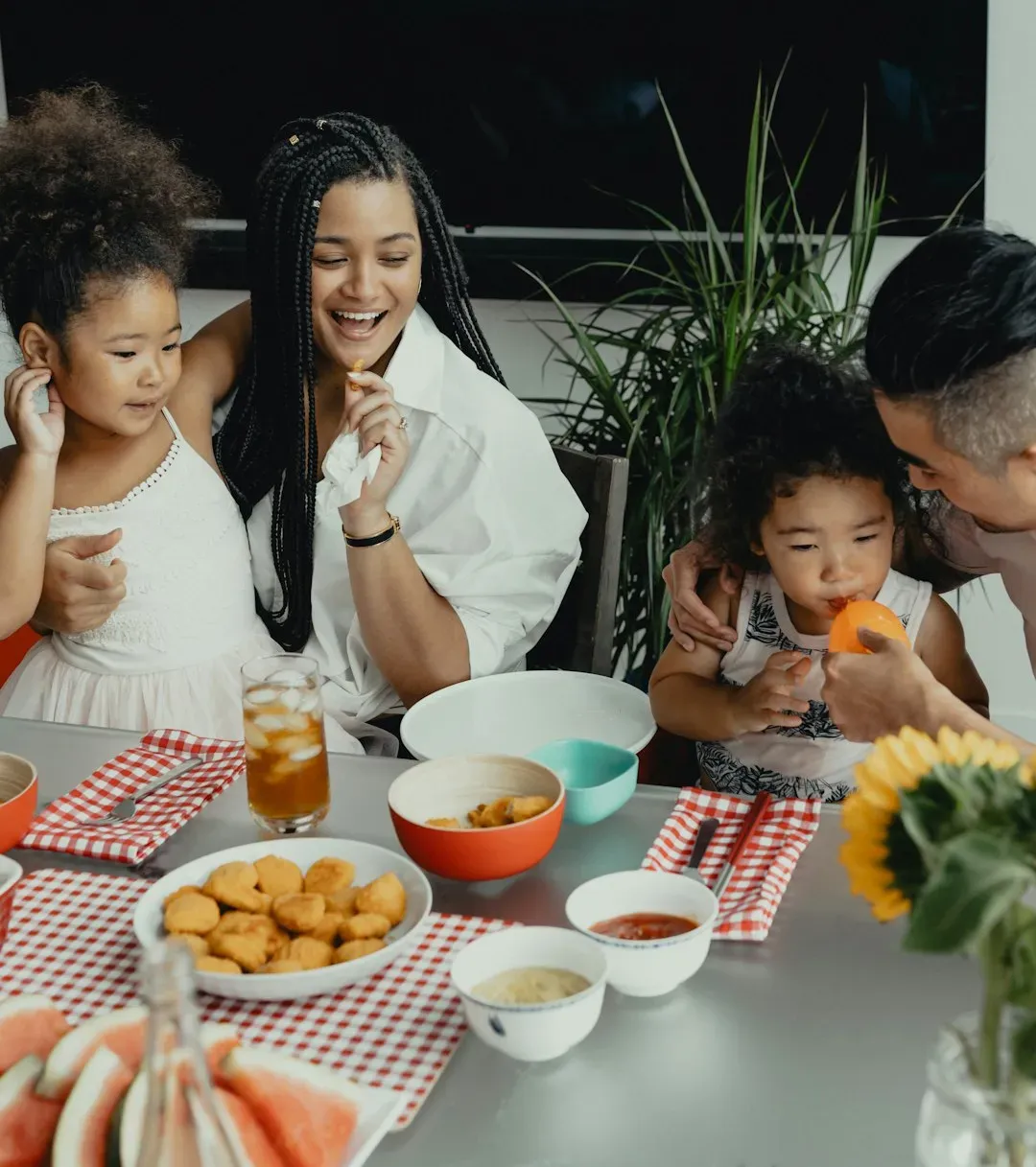
Traditions, big or small, create predictability and comfort for any generation and positively impact well-being and emotional health. What's often overlooked is that the most resonant family memories aren't always the expensive vacations or the formal celebrations. They tend to be the recurring small things – a specific breakfast on Saturday mornings, the way a certain relative always tells the same story, the private humor that only makes sense to insiders.
Research has shown that engaging in regular rituals can help reduce stress and anxiety levels. When families set aside time to connect and bond, it creates a sense of predictability and stability in their lives – a powerful antidote to the uncertainties of the world. The accumulation of these ordinary shared moments is, in the end, what generations point back to when they describe feeling close to their families. Not the big events, but the quiet ones that kept showing up.