
Most people don't wake up one day and decide to stay in a relationship that isn't working. It happens slowly, through small compromises and quiet postponements, until years have passed without anyone quite noticing the toll. The costs rarely show up as one dramatic event. They accumulate in places most of us aren't watching closely: our health, our finances, our friendships, even the way we see ourselves.
This isn't about pointing fingers at anyone who has stayed too long in something that wasn't right. It's about understanding, with some clarity, what actually happens to a person during those extra months or years, and why the decision to leave often gets harder the longer it's delayed.
The Physical Toll That Builds Quietly

The Physical Toll That Builds Quietly (Image Credits: Unsplash)
Long before anyone labels a relationship “bad,” the body often starts registering the strain. A long-term study of 373 married couples conducted by the universities of Nevada and Michigan found that constant strife over core issues like children, money, in-laws and leisure activities negatively activates the release of stress hormones, which can lead to inflammation, changes in appetite regulation, and a compromised immune system. None of that requires yelling matches or dramatic fights. Quiet, ongoing tension does the job just as effectively.
Researchers in England have found that people in unhappy marriages are at higher risk for depression, high blood pressure and heart disease, and don’t heal as well after an injury or illness. A separate study cited by Time found that being in a negative relationship puts people at a higher risk of developing heart problems, including a fatal heart attack, compared to those in healthier relationships. Another study referenced in the same piece found that women with high levels of conflict in their relationships tend to have similarly high blood sugar levels, high blood pressure and high rates of obesity.
Mental Health Erosion Over Time
Mental Health Erosion Over Time (Image Credits: Unsplash)
The psychological wear tends to be more obvious to the person living it, even if they don’t always name it correctly. The longer someone spends in a loveless relationship, the more their self-esteem depreciates, and their overall mental health takes a beating as time goes on. It rarely feels like a crisis at first. It feels more like exhaustion, a kind of low-grade fog that becomes the new normal.
What’s striking is that avoiding conflict doesn’t necessarily protect anyone from this. Therapists have found that couples who are conflict-avoidant are just as likely as fighting couples to face relationship difficulties, if not more so. That matters because plenty of people assume that as long as they’re not arguing, things must be fine. Silence can carry its own kind of damage, just one that’s harder to point to.
The Effect on Self-Esteem and Identity
The Effect on Self-Esteem and Identity (Image Credits: Unsplash)
Staying too long in a mismatched relationship has a way of shrinking a person’s sense of self. People who feel stuck in a bad relationship and are too insecure to leave often end up depressed, anxious, and angry about their situation, with self-esteem eroding along the way. Over years, this can reshape how someone talks about themselves, what they believe they’re capable of, and what they think they deserve.
Part of what makes this so hard to catch is that it happens gradually rather than all at once. A person doesn’t lose their confidence overnight. It gets chipped away in small increments, through unmet needs and unspoken resentments, until the version of themselves from a few years earlier feels almost unrecognizable.
Children Absorb More Than We Think
Children Absorb More Than We Think (Image Credits: Pexels)
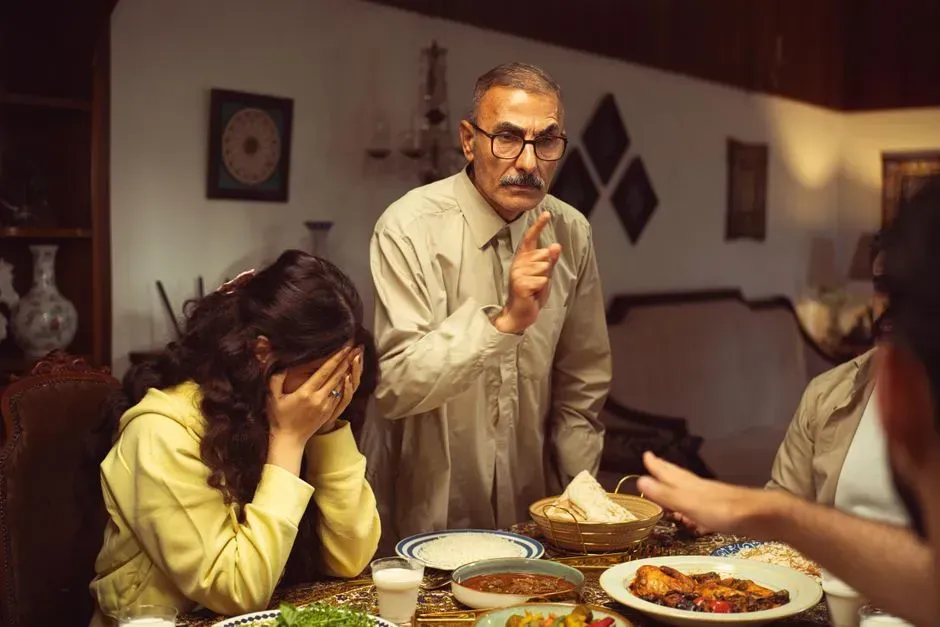
Many people stay in a difficult relationship specifically because of their kids, believing that an intact household is automatically the safer choice. The research complicates that assumption. A large-scale study in China found that children and adolescents whose parents stayed in an unhappy relationship without divorcing had higher odds of depressive and anxiety symptoms, self-injury, and suicide risk compared to peers in other family situations, including those with divorced parents.
The mechanism behind this isn’t mysterious. Family systems research suggests that negative feelings from the marital relationship can “spill over” into the parent-child relationship, increasing the risk of mental health problems in children. And the longer that atmosphere persists, the more that spillover tends to compound, since the family climate is usually oppressive and conflictual in these situations, with the harm of the spillover effect growing the longer a child is immersed in it. Kids don’t need a formal explanation to sense that something is off. They pick it up in tone, in silence, in the way two adults move around each other.
Why People Stay Longer Than They Should

Why People Stay Longer Than They Should (Image Credits: Unsplash)
Understanding the cost of staying too long means also understanding why people do it. Fear tends to sit at the center of it. One of the most common reasons people stay in bad relationships is the fear of loneliness, since the idea of starting over after investing years into a partnership can feel overwhelming.
There’s also the matter of dependency that builds quietly over time. After years or decades together, one partner may become too dependent on the other, making the thought of separating feel daunting. None of these reasons are irrational exactly. They’re human. Still, staying in an unhappy relationship out of fear of being alone can rob a person of the chance to find a connection that actually fulfills them.
The Toll on Friendships and Social Circles

The Toll on Friendships and Social Circles (Image Credits: By Tumisu, <a href="https://commons.wikimedia.org/w/index.php?curid=44385832" target="_blank" rel="noopener">CC0</a>)
A struggling relationship rarely stays contained to just two people. It tends to reshape a person’s social world, sometimes without them realizing it’s happening. Energy that once went toward friendships gets redirected into managing tension at home, keeping the peace, or simply recovering from the emotional labor of another difficult conversation.
Over months and years, this can lead to a kind of quiet isolation. Friends stop being invited over because things feel too complicated to explain. Social plans get cancelled more often. By the time someone finally steps back from the relationship, they sometimes discover they’ve also drifted from a support network they’ll need more than ever during the transition.
Financial Consequences of Delayed Decisions

Financial Consequences of Delayed Decisions (Image Credits: Pexels)
Money rarely gets discussed alongside emotional wellbeing, but the two are closely linked in a struggling relationship. Financial entanglement, shared debts, joint property, and blended budgets all become harder to untangle the longer a relationship continues past its natural endpoint. What might have been a straightforward separation of finances in year two can turn into a genuinely complicated process by year twelve.
There’s also an opportunity cost that’s easy to overlook. Time spent staying in a relationship that isn’t working is time not spent building financial stability that reflects one person’s actual goals and priorities, rather than a compromise built around conflict avoidance. That’s not a reason to rush a decision, but it is a factor worth naming honestly.
Lost Time and Personal Opportunity Cost
Lost Time and Personal Opportunity Cost (Image Credits: Pexels)
Time is the one resource nobody gets back, and staying in the wrong relationship has a way of quietly consuming it. Years that could have gone toward a career shift, a move, a different kind of daily life, or simply personal growth instead get spent managing a partnership that isn’t heading anywhere good. That’s not dramatic. It’s just arithmetic, applied to a life.
This cost is hard to measure precisely because it’s mostly invisible while it’s happening. Nobody sends a notification saying “this is the year you should have left.” It only becomes visible in hindsight, when someone finally does move on and realizes how much clearer things feel once the fog lifts.
How Chronic Stress Rewires the Body

How Chronic Stress Rewires the Body (Image Credits: Unsplash)
The physical mechanics behind all of this trace back to how the body handles prolonged stress. Chronic stress, unlike the short-lived kind, can lead to dysregulation and immune suppression, whereas brief elevations from acute stress can actually enhance immune function. A relationship that stays tense for years essentially keeps the body’s stress response switched on far longer than it was designed to run.
That sustained activation has downstream effects beyond just feeling worn out. While cortisol release is adaptive during acute stress, prolonged exposure to elevated cortisol levels can result in adverse effects across metabolic and immune systems. It’s a reminder that the emotional weight of a struggling relationship isn’t purely psychological. It shows up in blood tests, sleep quality, and recovery times, even when nobody’s talking about the relationship itself.
Recognizing When It's Time to Reassess

Recognizing When It's Time to Reassess (Image Credits: Pexels)
Not every rough patch means a relationship is over. In many partnerships, relationship quality does tend to improve for couples who stay together through a challenging period, though that usually takes real effort on both sides. The distinction that matters is between a temporary hardship both people are actively working through and a pattern that’s simply become the permanent weather of the relationship.
Still, staying together isn’t the right option for everyone, since lasting unhappiness in a relationship can affect emotional and physical health, along with overall quality of life. The clearest signal tends to be direction rather than difficulty. A relationship with real problems that’s still moving toward something better looks very different from one that’s simply stalled, with both people quietly waiting for the other to make the first move.