
Generational friction isn’t new. Every older generation has found ways to quietly bewilder the one coming up behind it, and every younger generation has found its own set of grievances in return. Discussions about generations tend to focus on differences rather than similarities, and conflict tends to get more attention than consensus. That pattern holds today, but something feels sharper about the boomer-millennial-Gen Z dynamic than previous iterations of the same old story.
Millennials are often depicted by their elders as lazy, entitled, and disrespectful, while Baby Boomers come under fire from younger critics as greedy, complacent, and taking advantage of economic and political resources at the expense of other generations. Underneath the memes and the culture war noise, there are real, specific behaviors driving the divide. Here are ten of the most commonly cited ones.
1. Calling Without Warning

1. Calling Without Warning (Image Credits: Pexels)
Many Gen Zers feel entirely uncomfortable talking on the phone, influenced by social anxiety or the convenience of texting, and for baby boomers it’s often their primary form of communication. Calling over the phone, rather than sending a text, is one of the things boomers do that makes Gen Z uncomfortable instantly. The intention is warmth. The reception is closer to panic.
Messaging gives younger people time to think, choose words, and respond when ready. Phone calls, on the other hand, demand instant emotional energy. Boomers associate calls with warmth. Millennials associate them with anxiety. A recent Uswitch survey found that roughly a quarter of young adults aged 18 to 34 never answer phone calls, with about seven in ten in that age group favoring text messages over voice calls.
2. Offering Unsolicited Advice
2. Offering Unsolicited Advice (Image Credits: Pexels)
Many younger generations struggle with older generations’ tendency to give unsolicited advice, especially in situations where they’re only looking for emotional support or affection. There’s a specific frustration here that goes beyond mere annoyance. Younger people aren’t asking to be fixed; they’re asking to be heard.
Psychology calls this “solution bias”: the instinct to fix rather than to empathize. Millennials and Gen Z, raised on therapy culture and emotional literacy, often just want to be heard. So when they vent about a bad boss and a boomer says, “Well, just work harder and prove them wrong,” it feels dismissive. Younger generations are more interested in protecting their mental health and acknowledging their emotions than simply “solving” their problems, which leads to conversations where they feel invalidated and dismissed.
3. Glorifying Overwork

3. Glorifying Overwork (Image Credits: Unsplash)
Psychologists call it the “effort heuristic”: the belief that the more effort something requires, the more valuable it must be. It’s why boomers often take pride in “earning” everything, while younger generations value efficiency and mental balance. The sixty-hour work week was once a badge of honor. For many millennials and Gen Zers, it reads more like a cautionary tale.
Millennials aren’t lazy; they just see self-worth differently. They’ve watched people burn out, divorce, or fall ill from overwork and decided peace of mind was the better prize. Research shows that roughly 57% of workers expect better work-life balance, with millennials feeling strongest about this priority. When a boomer frames a sixty-hour week as a life lesson rather than a warning, the message lands very differently than intended.
4. Dismissing the Struggles of Younger Generations

4. Dismissing the Struggles of Younger Generations (Image Credits: Pexels)
While boomers genuinely did face their own set of challenges, constantly using their past struggles to dismiss or minimize what younger generations are dealing with today creates real resentment. This shows up constantly in conversations about housing, debt, and job markets. The numbers back the frustration up.
As the boomer generation lives longer, defers retirement, and retains powerful economic and political roles, millennials fear that boomers are refusing to pass the baton, blocking their shot at power and wealth accumulation. These concerns are probably exacerbated by economic setbacks that have saddled millennials with vast debts and rising expenses, hindering their ability to establish themselves and live as prosperously as previous generations at the same age. Telling someone drowning in student debt that you paid for college by working summers is rarely the comfort it’s meant to be.
5. Resisting Technology and Complaining About It Simultaneously

5. Resisting Technology and Complaining About It Simultaneously (Image Credits: Pexels)
While struggling with technology is completely normal, it’s the attitude that often comes with it that rubs younger generations the wrong way. It’s less about not knowing how to use a smartphone and more about treating that unfamiliarity as a kind of virtue. There’s a difference between needing help and insisting the tool itself is the problem.
The boomer who refuses to learn FaceTime misses seeing their grandchildren grow up in real time. The one who dismisses social media as superficial doesn’t see the photos, updates, and moments their loved ones are sharing with their wider circle. Technology anxiety is understandable, but letting that anxiety prevent learning creates real costs in relationships. Gen Zers have noted specific Baby Boomer behaviors that bug them at work, such as asking technology questions that could have been answered by first using a quick online search.
6. Showing Up Unannounced
6. Showing Up Unannounced (Image Credits: Pexels)
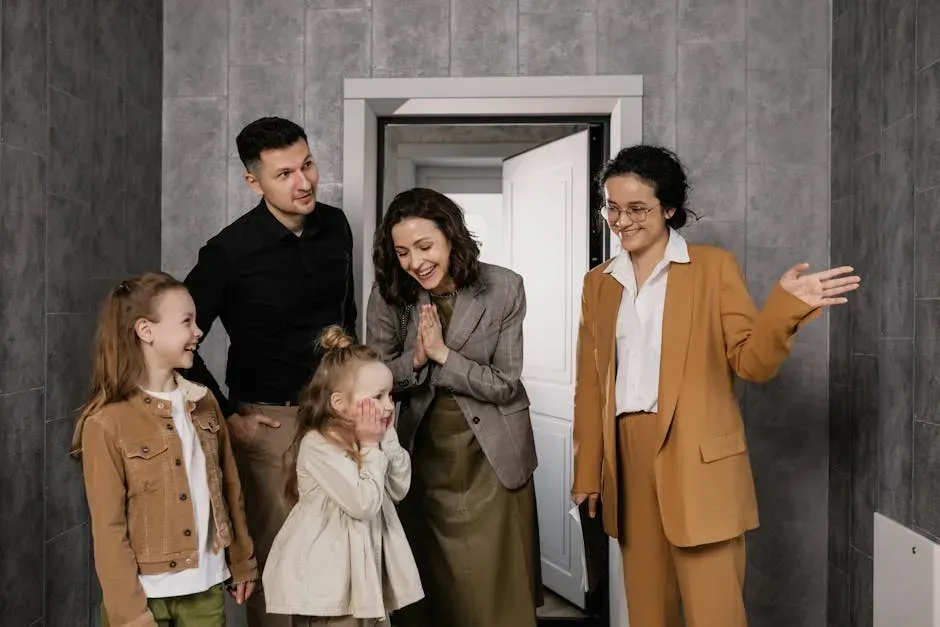
While baby boomers and other older generations may consider “dropping by” or stopping over unannounced to be respectful, especially because they appreciate face-to-face conversations and interactions, it’s largely one of the things that younger generations believe is rude. The logic behind the drop-in is social and affectionate. The effect, though, often feels like a boundary violation.
Younger generations have built their lives around schedules, planned downtime, and intentional social commitments. An unannounced visit collapses all of that without warning. Many of the things baby boomers think are respectful but drive younger people insane are simply differences in values. Each generation grew up in a very different time, with different priorities, parenting styles, and societal expectations. What may seem like an obvious display of mutual respect to one generation is an annoyance to the other.
7. Using Nostalgia as a Cudgel

7. Using Nostalgia as a Cudgel (Image Credits: Pexels)
Boomers love reminiscing about simpler times, with lower house prices, kids playing outside, and music that “actually meant something.” But psychology calls this rosy retrospection: the tendency to remember the past as better than it was. To younger people drowning in debt, climate anxiety, and job insecurity, that nostalgia can feel tone-deaf.
What boomers often miss is that “the good old days” weren’t equally good for everyone. Life was simpler, yes, but also less inclusive, less connected, and less flexible. Nostalgia for a past that wasn’t equally kind to everyone in the room has a way of shutting down conversation rather than deepening it. It signals a selective memory more than a shared history.
8. Lecturing and "Eldersplaining"

8. Lecturing and "Eldersplaining" (Image Credits: Pexels)
Research backs this up: studies found that young adults evaluate patronizing speakers far more negatively than non-patronizing ones, meaning condescending corrections and lectures breed resentment fast. This pattern has its own informal name now. Eldersplaining, the act of explaining something to a younger person with the implicit assumption that age alone grants superior understanding, has become a recognizable social phenomenon.
Many boomers genuinely believe they’re being helpful by sharing their wisdom and experience. But when that wisdom comes wrapped in condescension, assuming younger people lack basic knowledge or life skills, it feels dismissive rather than supportive. The line between sharing experience and eldersplaining is thinner than most people realize. Intent, in this case, doesn’t fully excuse impact.
9. Pressuring Younger People About Life Milestones

9. Pressuring Younger People About Life Milestones (Image Credits: Unsplash)
A “good life” is no longer defined by marriage, a white collar job, and a white picket fence with two kids and a dog. Many younger people just want to be happy and find something that fulfills them and gives them a sense of purpose. As long as someone is being a decent human, it’s not anyone else’s place to judge them or define their worth. If a person is happy and fulfilled being single and childless, let them be happy.
The pressure to marry, have children, or own a home by a certain age doesn’t just feel intrusive. It lands against an economic backdrop where those milestones are genuinely harder to reach. Younger generations are not “living in their parents’ basement” because they are lazy. They do so because they are staying in school longer, coping with rising student debt, marrying later, and facing a tougher housing market than prior generations at the same age. Pointing toward a checklist someone can’t afford is rarely the encouragement it’s meant to be.
10. Dominating Conversations Without Listening

10. Dominating Conversations Without Listening (Image Credits: Unsplash)
Some boomers launch into extended stories from their past, offer unsolicited advice, or dominate conversations with their opinions without pausing to invite others in. The intention often comes from a good place, wanting to share wisdom or entertain, but the impact creates one-sided exchanges that feel exhausting rather than connecting. Real conversation requires reciprocity.
When someone shares something about their life and you immediately pivot to a longer story about yourself, you’ve signaled that your experiences matter more than theirs. When you offer solutions before fully understanding the problem, you’ve communicated that you’d rather talk than truly listen. These patterns accumulate over time, training people that conversations with you won’t leave them feeling heard or valued. The boomers who maintain strong cross-generational relationships tend to ask more questions than they answer.
None of these habits exist in a vacuum, and most of them come from a place of genuine care rather than deliberate dismissal. These behaviors aren’t character flaws: they’re artifacts of different worlds colliding. Boomers aren’t performing at younger people; they’re being themselves in ways that once meant good citizenship. The real issue isn’t malice. It’s the gap between what a behavior signals to the person doing it and what it communicates to the person receiving it. That gap, once understood, is actually bridgeable.