
Retirement planning has a way of making people feel prepared right up until reality arrives. You’ve crunched the numbers on Social Security, mapped out your 401(k) withdrawals, and maybe even built a modest nest egg. What too many people underestimate, though, is how profoundly where you retire shapes how long your money lasts.
The retirement crisis is real. Over half of Americans believe it’s not realistic for the average person to expect to retire comfortably, which means choosing the right location to retire is more important than ever. Some cities look beautiful on a brochure but quietly hollow out savings through taxes, housing costs, and healthcare expenses that retirees simply didn’t see coming. These are seven of those places.
1. New York City, New York: A Budget's Worst Enemy

1. New York City, New York: A Budget's Worst Enemy (Image Credits: Unsplash)
According to Zillow, the average home in Boston costs $760,717 as of January 2026, easily $200,000 over the national average, while the average rent for a one-bedroom apartment in Boston is $3,429.71, nearly double the national average. New York City tells a similar story, and often a worse one. Retirees may get access to world-class entertainment in New York City, but it comes at a cost, as it is one of the most expensive cities in the country for both renters and homeowners, where even small apartments can take a massive chunk of a fixed income.
The top income tax rate in New York is among the highest in the nation, and New York also has some of the highest sales and property tax rates in the country, though rates vary depending on where you live within the state. The state ranks last on the Tax Foundation's 2026 Competitiveness Index. New York's state income tax ranges from 4% to 10.9%, depending on income, and even middle-income retirees may face a significant tax burden when factoring in local income taxes such as New York City's additional 3.08%, high property values, and sales tax that can climb up to 8.75% with local add-ons.
2. San Francisco, California: When the Dream City Becomes a Financial Trap

2. San Francisco, California: When the Dream City Becomes a Financial Trap (Image Credits: Unsplash)
It is nearly impossible for retirees to successfully live in San Francisco, as housing costs are among the highest in the nation, and other expenses, such as gas, are also exorbitantly high. For anyone buying a home there in retirement, the math gets stark quickly. At the 2025 to 2026 rate of about 1.18%, a $1,500,000 San Francisco home would owe roughly $17,740 per year in property tax, before any supplemental assessment.
Pensions, 401(k) distributions, and IRA withdrawals are fully taxed at California's regular progressive rates, which go up to 13.3%. Property taxes under Prop 13 are favorable for long-term homeowners who bought decades ago, but new retirees buying a home today face market-value assessment, and sales taxes are high. Many retirees with significant investment income find states like Nevada, Arizona, or Florida more favorable. For someone moving to San Francisco fresh in retirement, the combination of reassessed property values and steep income taxes on retirement withdrawals creates a drain that compounds every single year.
3. Honolulu, Hawaii: Paradise with a Price Tag Most Retirees Can't Afford

3. Honolulu, Hawaii: Paradise with a Price Tag Most Retirees Can't Afford (Image Credits: Unsplash)
While the tropical island life is tempting, Honolulu's cost of living is sky-high, with housing, utilities, and imported goods all adding significantly to monthly expenses. The numbers behind the fantasy are sobering. Hawaii is considered to be the worst state to retire in, with the annual spending for comfortable retirement in Hawaii being the highest of all 50 states at over $117,000 per year. While the weather might be beautiful and the thought of an island retirement sounds ideal to many people, Hawaii is one of the most expensive states to both live and retire in.
The idea of retiring to Hawaii is enviable, but the higher costs will put real pressure on a modest budget. Nearly everything from groceries to building materials has to be shipped in, which pushes prices well above mainland levels. Limited land also pushes prices higher, and even smaller condos carry extremely high housing costs. For retirees living on a fixed income, those shipping-inflated grocery bills and astronomical housing costs leave very little room for anything else.
4. Boston, Massachusetts: Healthcare Costs That Keep Rising

4. Boston, Massachusetts: Healthcare Costs That Keep Rising (Image Credits: Unsplash)
According to Zillow, the average home in Boston costs $760,717 as of January 2026, easily $200,000 over the national average, while the average rent for a one-bedroom apartment is $3,429.71, nearly double the national average. In total, Numbeo places the annual income required to live comfortably in Boston at over $6,600 per month, or almost $80,000 per year.
The BLS reports that the average Boston resident spent $13,515 on food alone in both 2023 and 2024, while the nation's average annual food expenditure in 2024 was over $3,000 lower. According to the Massachusetts Health Policy Commission, state healthcare costs have risen by 5.2% per year since 2019, which isn't helped by the fact that the state's health insurance premiums are ranked the second highest in the country. Healthcare is exactly what retirees spend more on over time, making a city where those costs are already elevated and still climbing a particularly dangerous choice for long-term financial health.
5. Miami, Florida: The Sun Tax Nobody Warned You About
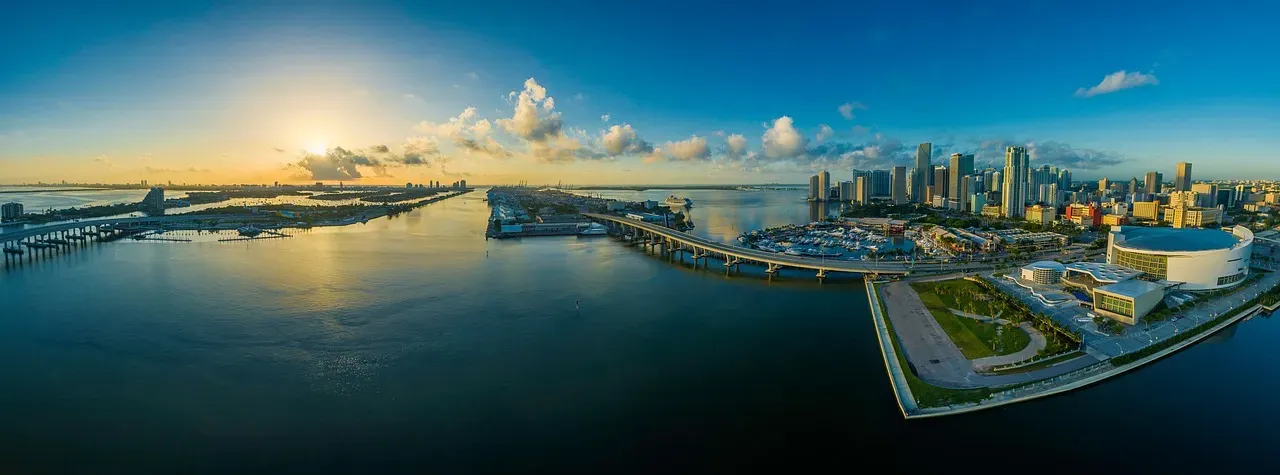
5. Miami, Florida: The Sun Tax Nobody Warned You About (Image Credits: Pixabay)
Once popular with retirees for its abundance of activities, turquoise waters, and white sand beaches, Miami has become too pricey for seniors to afford. According to the U.S. Bureau of Labor Statistics, prices rose an additional 2.2% in the past year, and home prices have also increased since 2024, bringing the median home value to $589,241, as reported by Zillow. To live in Miami, a single person would need to make $5,233 per month, and the overall cost of living is 16.9% higher than the national average.
Miami is very appealing to retirees, but the increasing housing costs and vulnerability to hurricanes can add significant financial risk. That hurricane exposure is a factor many newcomers overlook entirely. Home insurance rates in South Florida have surged dramatically in recent years as insurers have pulled back from the market, and some retirees have found their annual premiums doubling or tripling with little warning. The sunny lifestyle has a steep monthly invoice attached.
6. Los Angeles, California: High Costs, No Exit
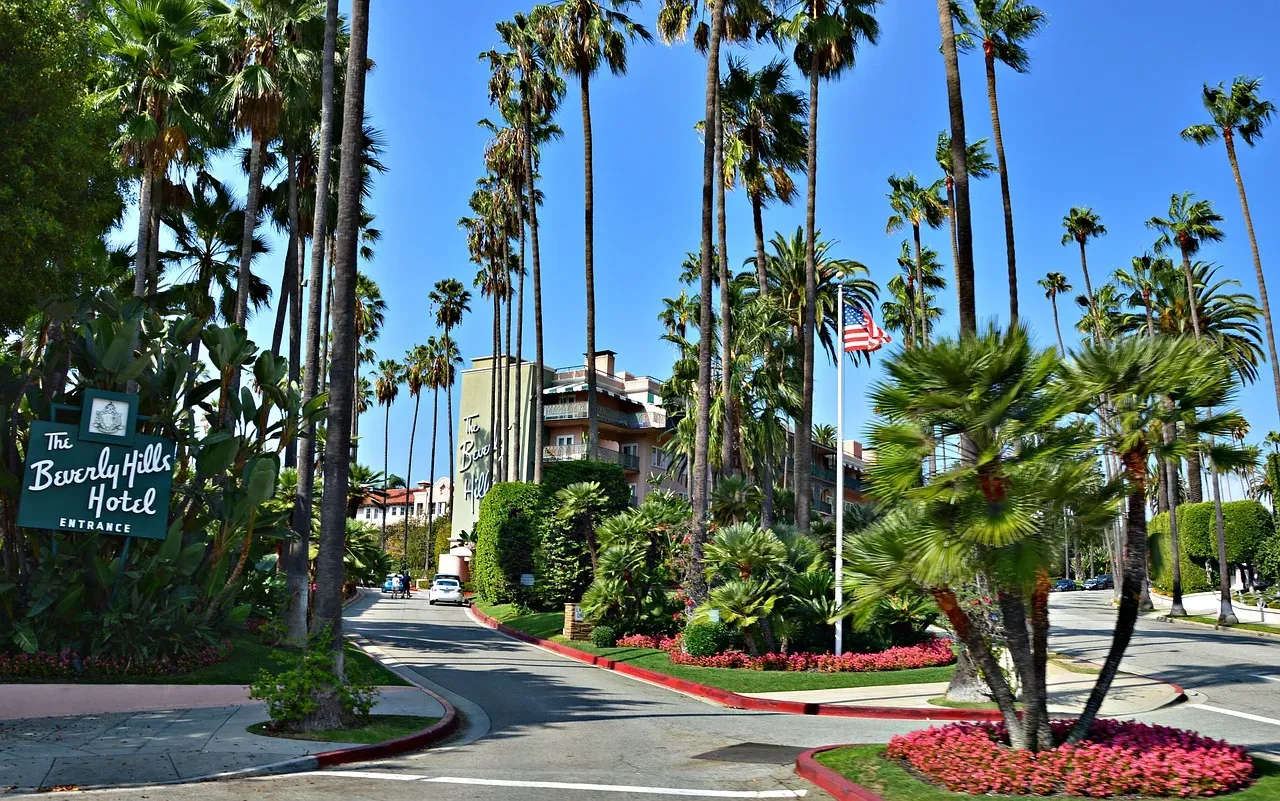
6. Los Angeles, California: High Costs, No Exit (Image Credits: Pixabay)
Los Angeles has rising crime rates and a very high cost of living, which makes it a tough place for retirees to comfortably manage expenses. The city's sprawl adds another layer of financial strain that's easy to miss in the planning stage. Los Angeles isn't walkable, and retirees often need or want a car there, which means gas, insurance, parking, and maintenance add up quickly.
Pensions, 401(k) distributions, and IRA withdrawals are fully taxed at California's regular progressive rates up to 13.3%, and property taxes under Prop 13 are favorable for long-term homeowners who bought decades ago, but new retirees buying a home today face market-value assessment. Sales taxes are also high. The addition of California's high housing costs, property taxes, and sales taxes, which start at 7.25% at the state base and reach up to 10.75% in some cities, compounds the total cost of living in California's major cities. For a retiree arriving from another state, every one of those costs arrives at once.
7. San Diego, California: Beautiful, Beloved, and Brutally Expensive

7. San Diego, California: Beautiful, Beloved, and Brutally Expensive (Image Credits: Unsplash)
San Diego's living costs have increased by roughly a fifth since 2019, and estimates indicate that the 2025 cost of living is over $104,000, significantly exceeding the annual income for many retirees. Housing prices have seen only modest declines, and that decrease still leaves the median home value at over $1,000,000. For a retiree hoping to downsize, a million-dollar entry price leaves almost no comfortable financial buffer.
San Diego is great for beach lovers, but the hidden gem of a city is expensive regardless of where you live within it. The beach lifestyle comes at a cost, as coastal neighborhoods and even inland suburbs have elevated home prices and rents, and the cost doesn't subside in cooler months either. If you'll be relying primarily on Social Security benefits, choosing the right location is key. Some U.S. cities offer affordable housing and senior-friendly amenities, making them ideal for retirees with limited funds, while others can drain your budget quickly due to high expenses. San Diego, as much as it's loved, consistently lands in the latter category.
The Bigger Picture: Location Is a Financial Decision, Not Just a Lifestyle One

The Bigger Picture: Location Is a Financial Decision, Not Just a Lifestyle One (Image Credits: Pexels)
It's important to choose wisely when picking where to retire, as many retirees are on a fixed income. The best cities for retired people are those that minimize taxes and expenses, as well as provide good opportunities for retirees to continue paid work for extra income, if they choose to do so. That framing matters. A city's cost structure isn't just a lifestyle preference; it's a direct variable in how many years your savings will last.
From a financial planning perspective, longevity risk, which is the risk of outliving one's assets, is a genuine challenge. Retirement may last two or even three decades, and portfolios focused primarily on capital preservation often lack the growth potential necessary to support long-term withdrawals. When returns are insufficient, retirees are forced to draw more heavily from principal, accelerating portfolio depletion. Choosing a city that works against you from day one only accelerates that timeline in the wrong direction. The cities on this list aren't inherently bad places to live. They're just places where the math rarely works in a retiree's favor.