
Most people know the obvious signs of a bad relationship. Yelling, cheating, physical harm. Those are the ones we’ve been conditioned to recognize and walk away from. What’s harder to see, according to therapists who work with couples, is how sarcastic digs, eye rolls, interrupting, or belittling can be just as corrosive, even when no one is raising their voice. The subtler patterns are the ones that tend to linger, quietly doing damage long before anyone names them.
Compared to the more dramatic relationship failures, it’s the smaller behaviors that slip under the radar and get dismissed as annoying yet harmless quirks. The real danger is that resentment builds slowly and steadily, until the foundation of the relationship has quietly shifted. What follows are eight habits that relationship therapists consistently flag as not worth tolerating, and the research that backs them up.
1. Contempt: The Single Strongest Predictor of Relationship Failure

1. Contempt: The Single Strongest Predictor of Relationship Failure (Image Credits: Pexels)
Contempt is considered the worst of the destructive communication patterns in relationships. It is the number one predictor of divorce. When couples communicate through contempt, they treat each other with disrespect, mock using sarcasm, ridicule, call each other names, and use body language like eye-rolling or scoffing. The target of contempt is made to feel despised and worthless.
The presence of contempt during a fifteen-minute conflict conversation predicted divorce with over 90 percent accuracy over a six-year period. It was the single strongest predictor, more powerful than criticism, defensiveness, or stonewalling alone. Research by psychologists John and Julie Gottman also found that contempt in relationships weakens the immune system. That’s not just a metaphor. Contempt reaches into the body.
2. Chronic Criticism That Attacks Character, Not Behavior

2. Chronic Criticism That Attacks Character, Not Behavior (Image Credits: Unsplash)
Criticizing your partner is fundamentally different from voicing a complaint. A complaint addresses a specific issue, while criticism is an ad hominem attack. It is an attack on your partner at the core of their character, effectively dismantling their whole being. When criticism becomes pervasive, it paves the way for far deadlier patterns to follow. It makes the target feel assaulted, rejected, and hurt, often setting off an escalating cycle that eventually leads to contempt.
Criticism rears its head when one partner attacks the character of the other rather than addressing a specific behavior. It often begins with phrases like “You always” or “You never,” placing blame and fostering a sense of defensiveness. Regular criticism and disrespect can lower self-esteem, impacting overall life satisfaction in measurable ways. The damage compounds quietly, over months and years, until the criticized partner no longer feels safe being themselves.
3. Stonewalling: Emotional Shutdown as a Habit

3. Stonewalling: Emotional Shutdown as a Habit (Image Credits: Pexels)
Stonewalling is usually a response to contempt. It occurs when the listener withdraws from the interaction, shuts down, and simply stops responding to their partner. Rather than confronting issues together, someone who stonewalls tunes out, turns away, acts busy, or engages in obsessive or distracting behaviors. Stonewalling feels like emotional abandonment to the partner on the receiving end. They’re trying to reach out, connect, or resolve something, and the other person has simply checked out.
It takes time for accumulated negativity to make stonewalling feel like the only way out, but once it becomes a habit, it’s difficult to stop. It is rooted in feeling physiologically flooded, reaching a state where rational discussion is no longer possible. When stonewalling stops being an occasional stress response and becomes someone’s default during conflict, therapists treat it as a serious warning sign that the relationship has entered a dangerous cycle.
4. Gaslighting: Undermining Someone's Reality

4. Gaslighting: Undermining Someone's Reality (Image Credits: Pexels)
Gaslighting is when someone causes another person to question their own sanity, experiences, and reality. Therapists describe it as one of the most common forms of emotional manipulation and a toxic behavior that should not be tolerated. Someone who gaslights may deny that specific events, arguments, or agreements ever happened, leaving their partner questioning their own memory and mental well-being.
Unlike physical abuse, gaslighting doesn’t leave visible marks. Instead, it quietly chips away at confidence, leaving a person anxious, doubtful, and unsure of their own reality. Sometimes it’s subtle, hidden behind jokes or apparent “concern” that outsiders wouldn’t notice. If someone experiences this kind of manipulation over an extended period, they may start to believe the behavior is normal. What once felt wrong begins to feel familiar, making it hard to see how much harm has actually been done.
5. Defensiveness: Refusing to Take Any Responsibility

5. Defensiveness: Refusing to Take Any Responsibility (Image Credits: Pexels)
Defensiveness is a natural response to criticism. When it becomes a habitual pattern, though, it stifles communication entirely. It involves making excuses, playing the victim, or counter-attacking in response to perceived attacks. This pattern prevents constructive dialogue and blocks the resolution of conflicts. In practice, defensiveness takes the form of claiming oneself blameless and a victim of the other person’s attack, and it often involves deflecting blame back onto that partner.
Research shows that these destructive patterns tend to appear in a predictable cascade. Criticism opens the door. When criticism becomes habitual, contempt follows. Contempt invites defensiveness. When defensiveness fails to resolve anything, stonewalling takes over. The relationship enters a loop where each partner’s worst response triggers the other’s worst response, and the space for repair keeps shrinking. Defensiveness sits right in the middle of that loop, actively preventing any exit from it.
6. Isolation and Controlling Behavior

6. Isolation and Controlling Behavior (Image Credits: Pexels)
An abuser often attempts to isolate their partner from support systems, including family, friends, and work colleagues. They might become overly possessive, dictating who their partner can see, where they can go, or what they can do. This isolation creates an environment of dependence and makes it harder for the person to seek help or leave. Psychological abuse of this kind is characterized by ongoing patterns of controlling or coercive behaviors, including threats, isolation, and monitoring.
Controlling partners often monitor whereabouts constantly and insist on immediate responses to calls or texts. Some will show up at a partner’s workplace just to check they actually went. Digital surveillance, including demanding passwords or regularly checking emails and call logs, is also a recognized form of this behavior. Research suggests the aim of this kind of behavior is to control through diminishing a person’s sense of self-worth and creating dependence, fear, and mental anguish.
7. Persistent Belittling and Public Humiliation

7. Persistent Belittling and Public Humiliation (Image Credits: Pexels)
Emotional abuse includes attempts to control, frighten, or isolate someone through words, actions, and consistent behaviors. Abusers often undermine self-esteem through tactics like name-calling, public embarrassment, belittling accomplishments, and dismissiveness. This includes frequent insults, belittling comments, and put-downs disguised as jokes. When a partner uses humor at someone’s expense in a way that leaves them feeling hurt, it is a red flag. This pattern causes partners to constantly second-guess themselves and feel chronically insecure.
Over time, these behaviors erode the victim’s sense of self-worth, creating feelings of confusion, insecurity, and dependency. Emotional abuse often occurs in a cycle, with periods of kindness or affection that make it harder for the victim to recognize the ongoing harm. It can happen in any relationship and often leaves lasting psychological scars. Common effects include heightened anxiety, depression, low self-esteem, and emotional exhaustion. Prolonged exposure can lead to feelings of worthlessness, social withdrawal, and persistent self-doubt.
8. Refusing to Apologize or Accept Accountability
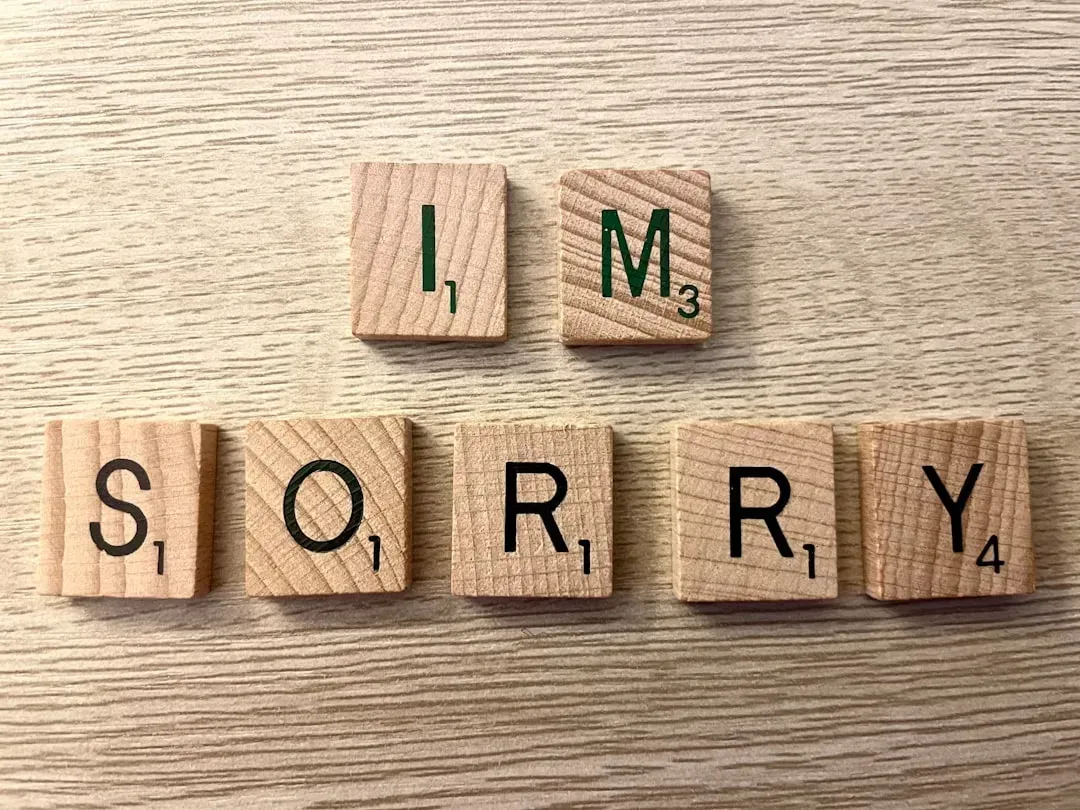
8. Refusing to Apologize or Accept Accountability (Image Credits: Unsplash)
Not being willing to apologize is a serious issue in any relationship. People will naturally have misunderstandings, but the real problem emerges when there is a consistent unwillingness to apologize at all. Part of being in a relationship is apologizing when you’ve done something wrong. It means acknowledging the pain you’ve caused your partner, taking responsibility for your actions, and making reparations.
A pattern of defensiveness can involve an attempt to reverse blame whenever conflict arises. When excuses replace accountability and the other person is consistently made responsible for what goes wrong, communication breaks down entirely. The focus shifts away from understanding and toward each person defending their position. Poor communication during disputes leads to harmful emotional patterns, including feelings of hopelessness and emotional numbness. By contrast, conflict resolution marked by kindness, respect, and real communication can build resilience and promote psychological stability. The difference between those two outcomes often comes down to whether both people are willing to be accountable.