
There's a particular kind of relief that comes from opening a cupboard on a busy weeknight and finding exactly what you need already there. No last-minute grocery run, no scrambling through the fridge for something that might have gone bad. For a lot of home cooks, that relief has a very specific shape: a red-labeled can sitting quietly on the shelf, waiting to become dinner.
That can holds canned tomatoes, and once you start paying attention to how often it shows up in fast, satisfying meals, it's hard to unsee. This isn't a trendy ingredient or a seasonal find. It's something that's been quietly doing the heavy lifting in kitchens for well over a century, and in 2026 it still earns its spot in the pantry more than almost anything else.
Why one can changes everything
Why one can changes everything (Image Credits: Unsplash)
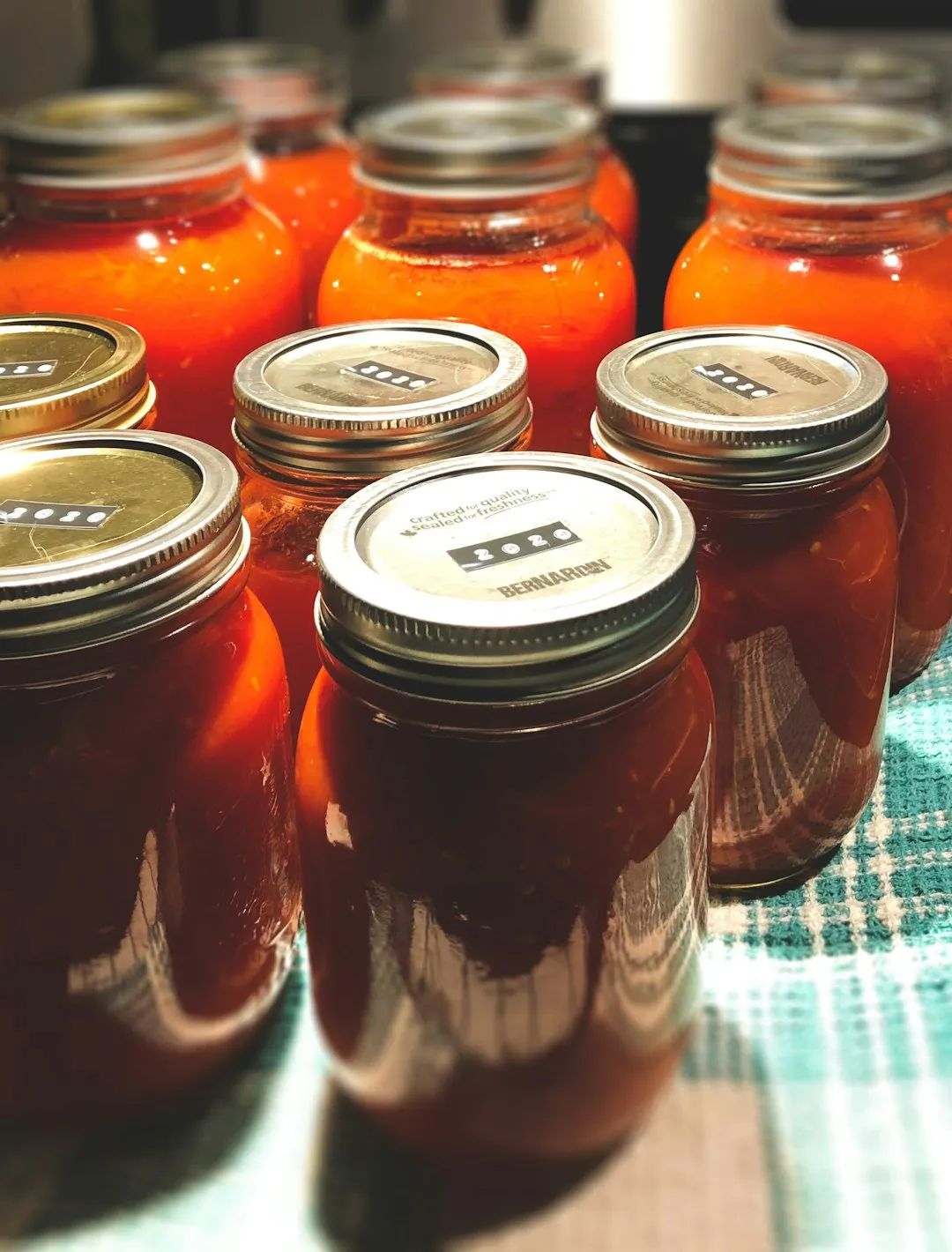
A single can of tomatoes can become pasta sauce, chili, soup, shakshuka, or a braising liquid for chicken thighs, all without a trip to the store. That flexibility is rare in a pantry item. Most staples do one job well; canned tomatoes do a dozen jobs adequately and several jobs brilliantly.
Part of the appeal is that tomatoes arrive already cooked down and broken apart, which means the hardest part of building a sauce is already finished before you even open the lid. Canned tomatoes are a convenient and versatile pantry staple, derived from ripe tomatoes cooked and sealed in cans for long-term preservation, and they're widely used across Italian, Mexican, and American cooking. That head start is exactly what a tired cook on a Tuesday night needs.
The science behind the flavor
The science behind the flavor (benketaro, Flickr, <a href="https://creativecommons.org/licenses/by/2.0/" target="_blank" rel="noopener">CC BY 2.0</a>)
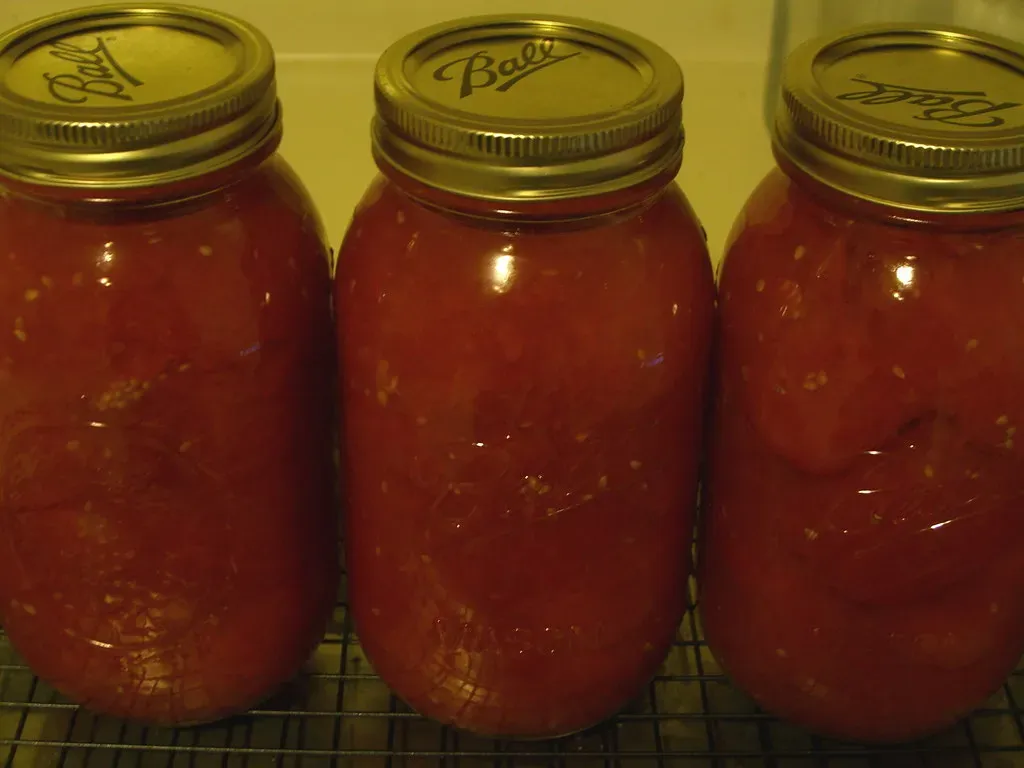
Canned tomatoes taste more intense than a lot of people expect, and there's a real reason for that beyond just the salt. The canning process involves heat, and heat changes how the tomato's natural compounds behave, concentrating flavor rather than diluting it.
Lycopene, the compound responsible for a tomato's red color, becomes more bioavailable in processed tomato products than in raw tomatoes because processing rearranges its molecular structure in a way that increases biological activity. Researchers have estimated lycopene's bioavailability at around twenty-three percent when mixed with olive oil, compared with roughly five percent when consumed as plain tomato juice. That's part of why a splash of olive oil in a tomato sauce isn't just about richness. It's doing real nutritional work too.
A nutritional profile worth noting
A nutritional profile worth noting (canning tomatoes, <a href="https://commons.wikimedia.org/w/index.php?curid=103533735" target="_blank" rel="noopener">CC BY 2.0</a>)
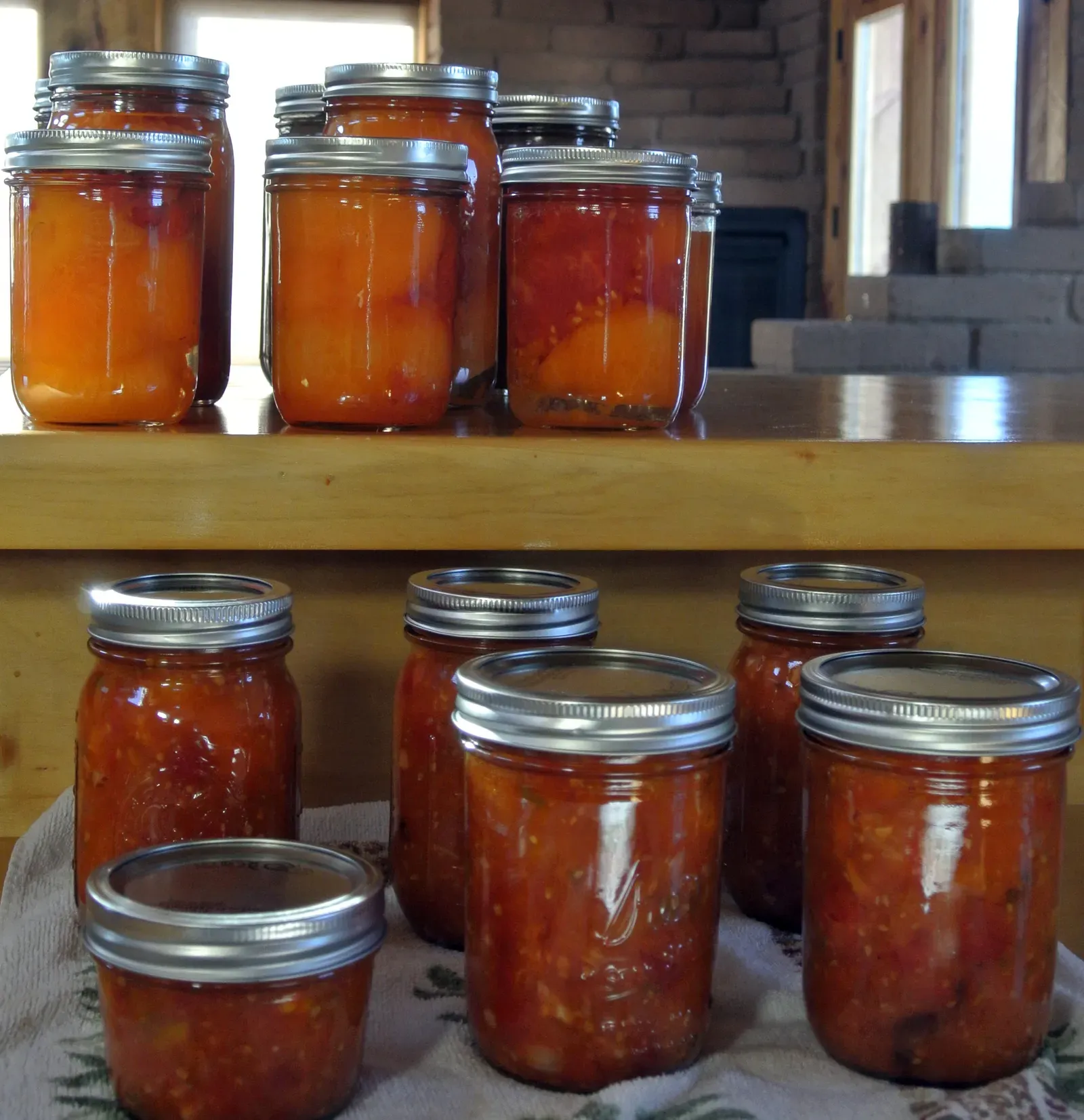
Canned tomatoes don't get much credit as a health food, but the numbers hold up better than most people assume. A typical one-cup serving is low in calories, running somewhere around forty to fifty calories, and provides roughly three grams of fiber. That's a fair amount of nutrition for something that costs so little and lasts so long.
They're also an excellent source of vitamin C, potassium, and dietary fiber, and they contain lycopene at higher levels once the tomatoes have been cooked, which is particularly beneficial for heart health. The one caveat worth knowing is sodium. Sodium content can range from around fifteen milligrams in no-salt-added versions to over two hundred milligrams in regular cans, so reading the label matters if you're watching your intake.
Speed is the whole point
Speed is the whole point (Image Credits: Pexels)
Quick cooking isn't just about shaving minutes off a recipe. It's about reducing decisions, and canned tomatoes remove several decisions at once. You don't need to peel anything, seed anything, or wait for something to soften before you can start building flavor.
Dump a can into a hot pan with garlic and you've got the base of a sauce in under two minutes. Add it to a pot with beans and spices and you're most of the way to chili before you've even finished chopping an onion. For anyone cooking after a long day, that kind of shortcut isn't a luxury. It's what makes cooking at home feel possible at all.
A staple that crosses borders
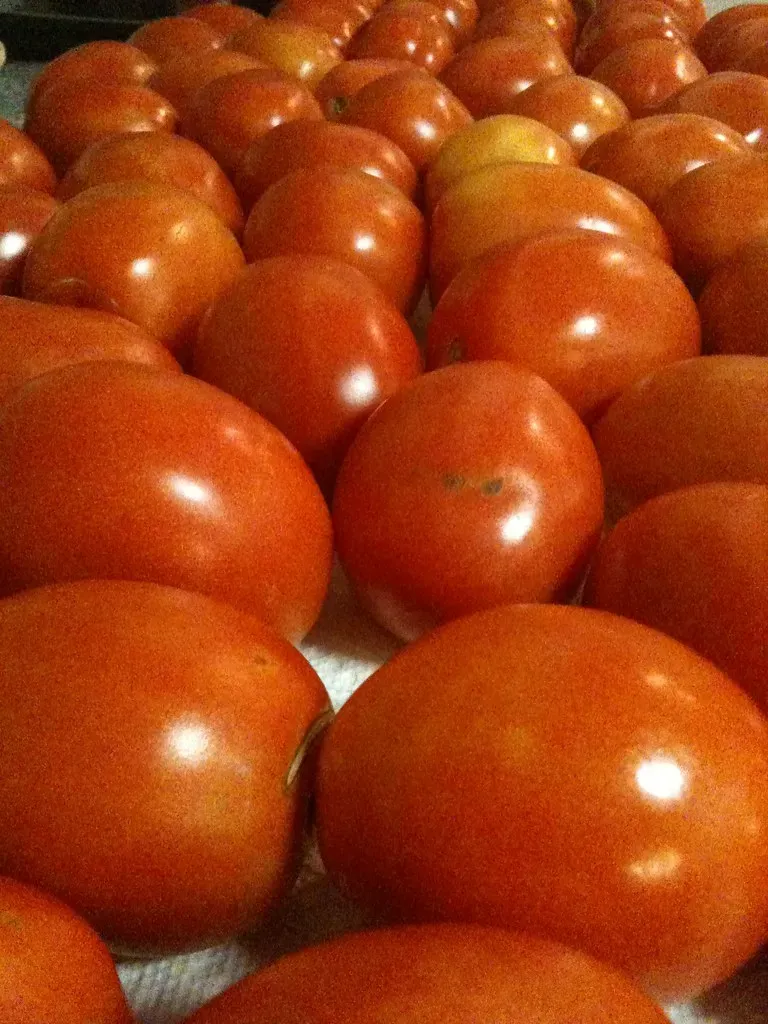
A staple that crosses borders (miamism, Flickr, <a href="https://creativecommons.org/licenses/by/2.0/" target="_blank" rel="noopener">CC BY 2.0</a>)
Few ingredients show up in as many unrelated cuisines as canned tomatoes do. Italian sugo, Mexican salsa roja, Indian curries, North African shakshuka, and American chili all lean on the same base ingredient, just seasoned in wildly different directions.
Originating as a method of preserving seasonal tomatoes, canned tomatoes are now used across Italian, Mexican, and American dishes alike, among many others. That kind of global reach isn't an accident. It reflects how genuinely adaptable the ingredient is, taking on whatever spice profile or cooking style is put in front of it without ever feeling out of place.
Whole, crushed, diced, or fire-roasted
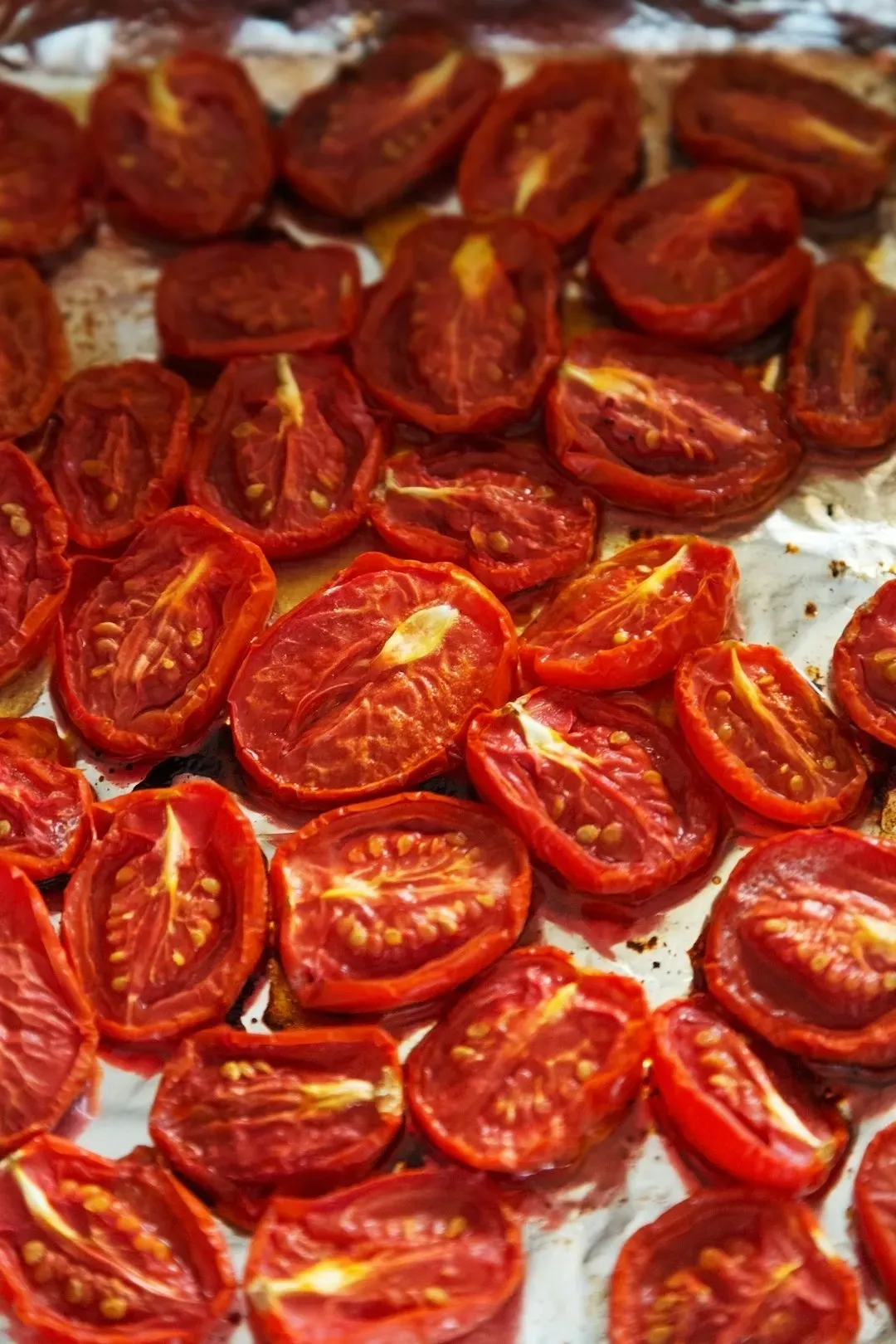
Whole, crushed, diced, or fire-roasted (Image Credits: Unsplash)
Not all cans are interchangeable, even if they all say "tomatoes" on the label. Whole peeled tomatoes give you the most control, since you can crush them by hand for a chunkier sauce or blend them smooth. Crushed tomatoes are already partway to sauce, which is convenient when speed matters more than texture.
Diced tomatoes hold their shape better through longer cooking, which makes them useful in stews and chilis where you want visible pieces. Fire-roasted or seasoned varieties add depth of flavor but may include extra ingredients like onions, garlic, or citric acid, so it's worth checking the label if you're trying to control exactly what goes into a dish.
Storage smarts that actually matter
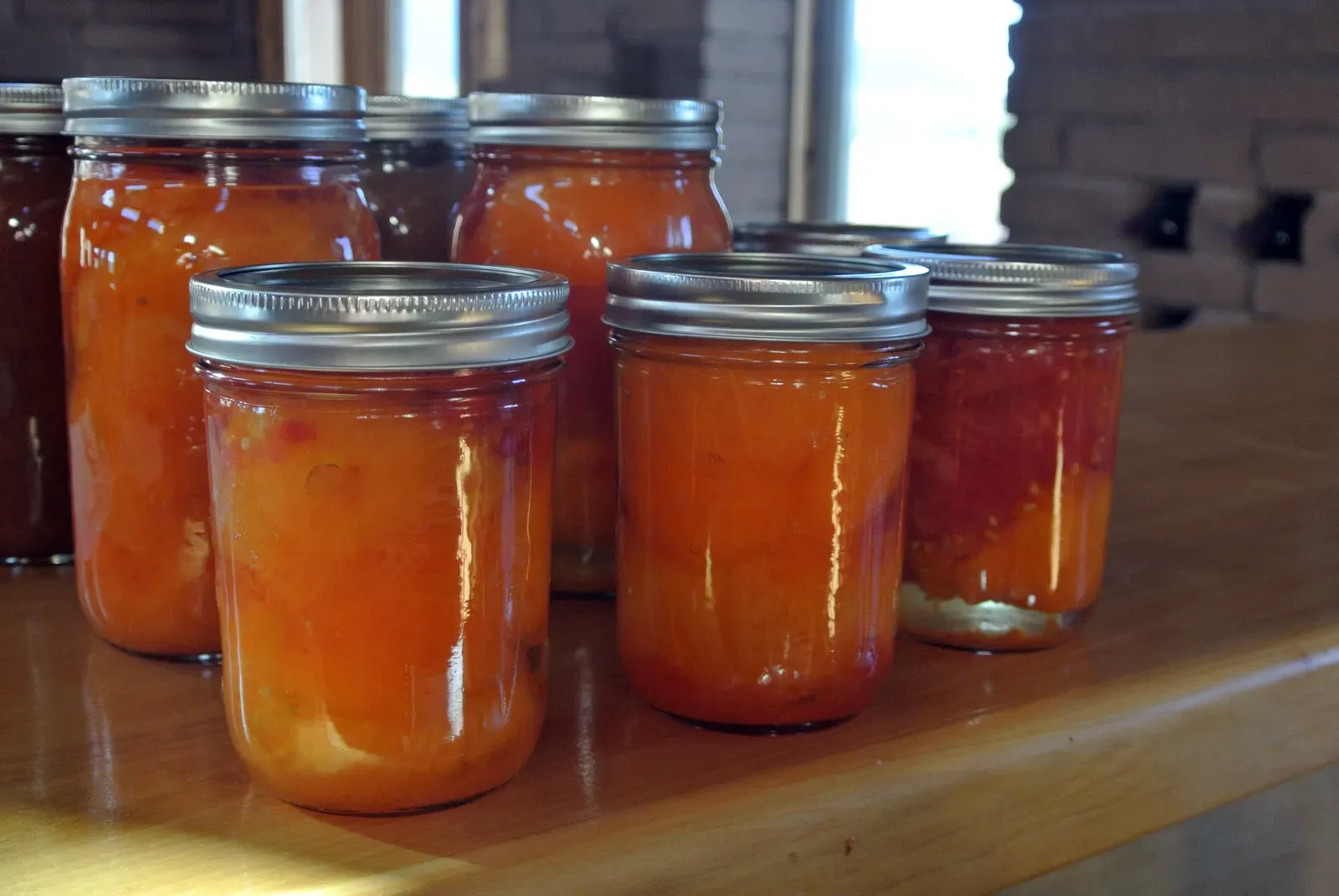
Storage smarts that actually matter (canning tomatoes, <a href="https://commons.wikimedia.org/w/index.php?curid=103533730" target="_blank" rel="noopener">CC BY 2.0</a>)
One of the quiet advantages of canned tomatoes is how forgiving they are to keep around. Unopened cans stored in a cool, dry place typically have a shelf life of twelve to eighteen months, which means a stocked shelf can genuinely outlast a busy season of unpredictable schedules.
Once a can is opened, though, the clock moves faster. Leftover contents should be transferred to a glass or plastic container, refrigerated, and used within five to seven days. Any bulging lids, leaking seals, or foul odors are signs of spoilage and should be discarded immediately rather than risked.
The budget logic behind the can
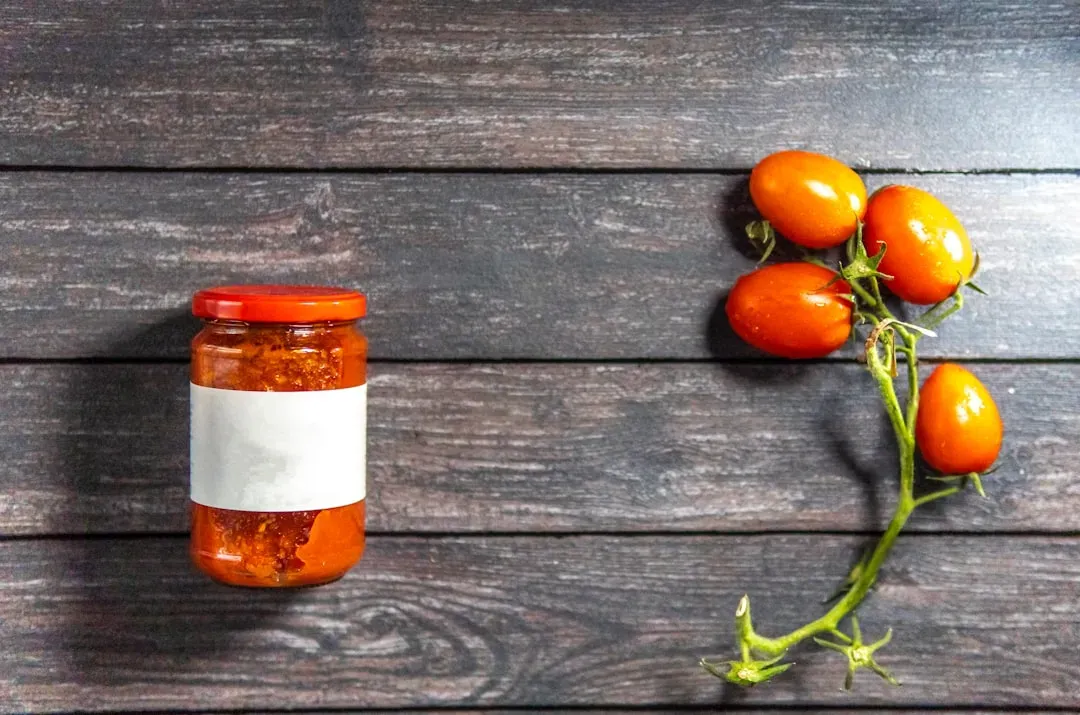
The budget logic behind the can (Image Credits: Unsplash)
Cost matters more in 2026 than it did a few years ago, with grocery prices still uneven across categories. Canned tomatoes remain one of the more stable, affordable staples on the shelf, largely because they're produced and packed at a massive scale during harvest season and don't require refrigeration to stay usable.
Interest in understanding canned tomato nutrition has grown over the past year, driven partly by rising food costs and a renewed focus on cooking at home, as people look for ingredients that stretch a grocery budget without sacrificing nutrition. A single can, priced modestly, can anchor a meal that feeds a family, which is difficult to say about most fresh produce with the same shelf stability.
What to actually make with it
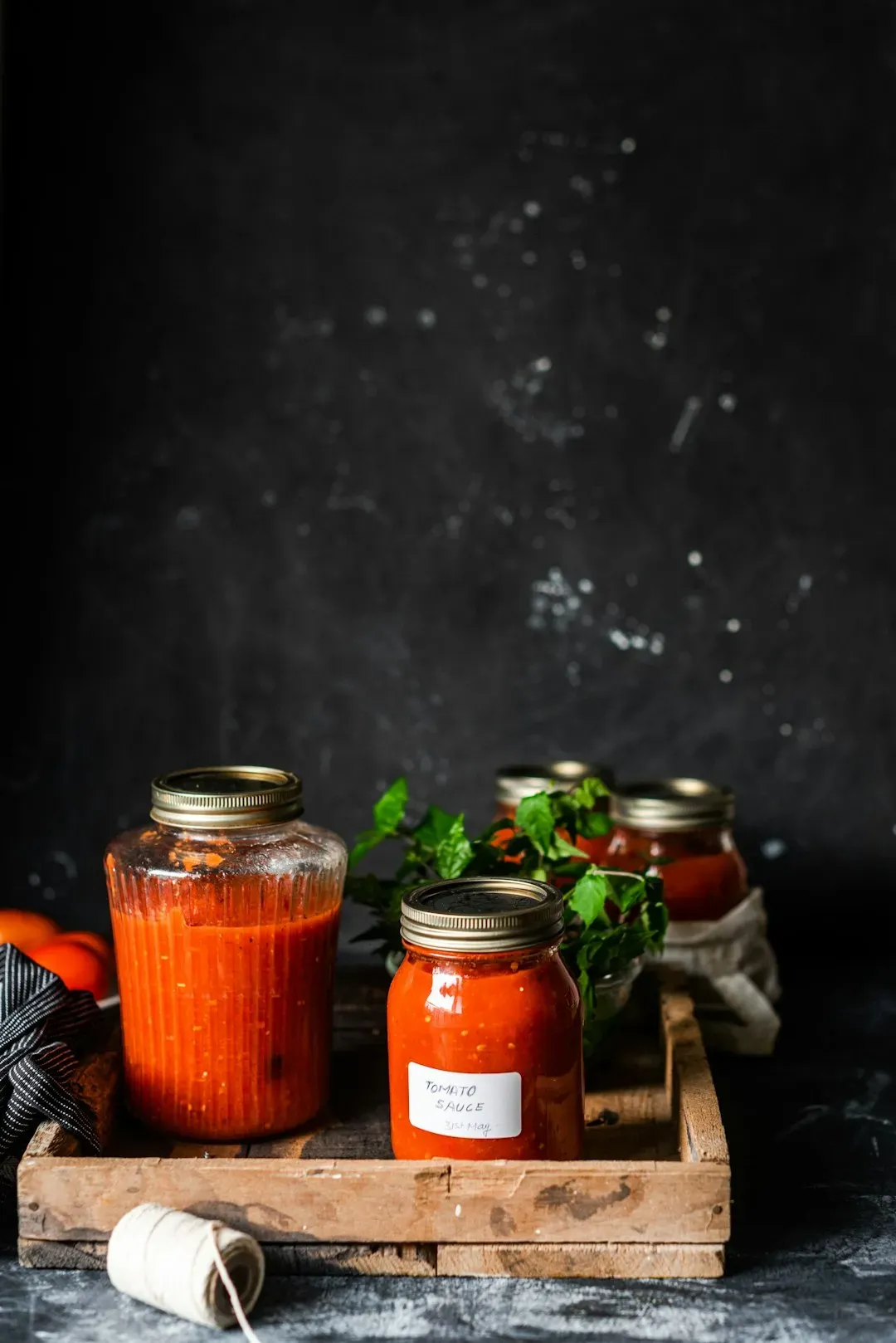
What to actually make with it (Image Credits: Unsplash)
The simplest use is still one of the best: garlic, olive oil, and a can of crushed tomatoes simmered for fifteen minutes makes a sauce that beats most jarred versions. From there, the possibilities branch out quickly depending on what else is in the fridge.
A can stirred into rice with cumin and chili powder becomes a base for a quick Mexican-style rice bowl. Simmered with lentils and curry spices, it turns into a fast dal. Poured over chicken thighs with olives and herbs, it becomes a braise that needs almost no attention while it cooks. The ingredient does the work; the cook just decides which direction to take it.
Scale, sustainability, and where it comes from
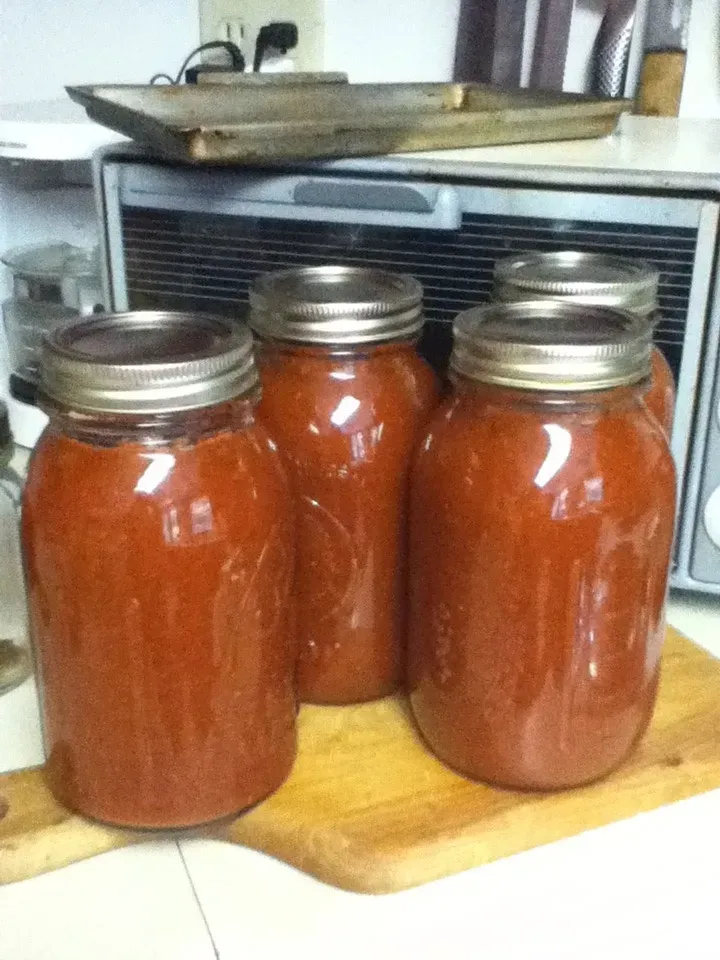
Scale, sustainability, and where it comes from (By Selinarif, <a href="https://commons.wikimedia.org/w/index.php?curid=24450736" target="_blank" rel="noopener">CC BY-SA 3.0</a>)
Tomatoes are grown and processed on an enormous global scale, which is part of why the canned version stays so consistently available and affordable. Global tomato production reaches roughly one hundred eighty-six million tons annually, a scale that supports the canning industry's ability to keep prices low even when other grocery categories fluctuate.
Although tomatoes are commonly eaten fresh, more than eighty percent of global consumption actually comes from processed products like canned, crushed, and paste forms. That statistic says something about how central processed tomatoes already are to how people eat worldwide, even if the fresh version gets more attention at the farmers market.
Final thoughts
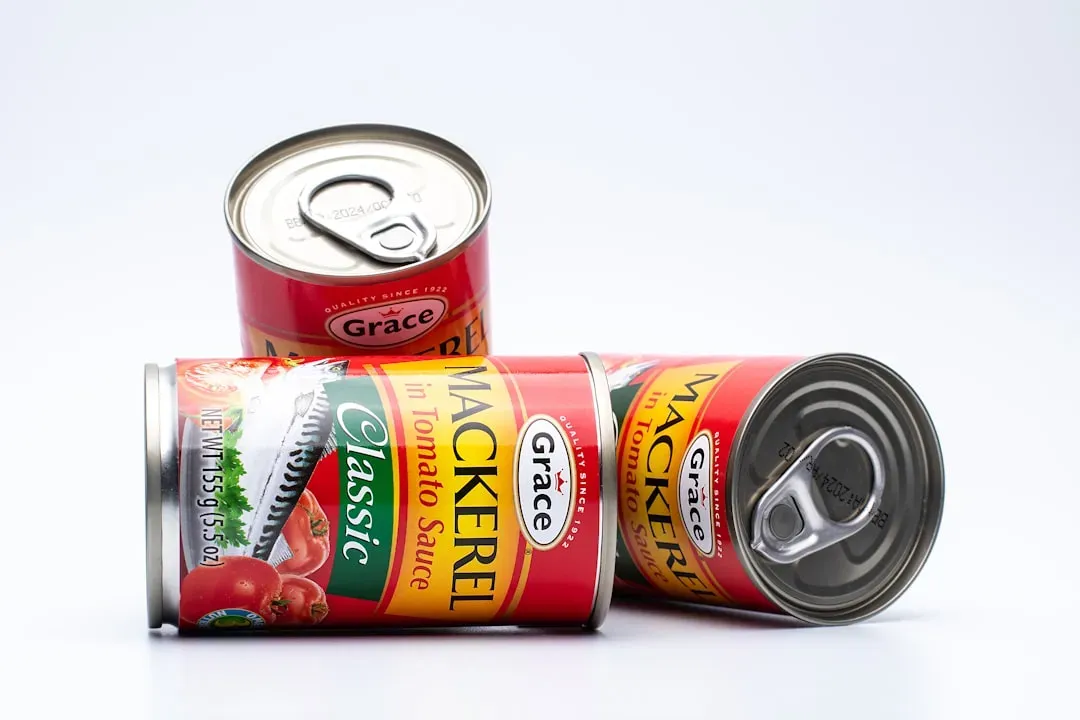
Final thoughts (Image Credits: Unsplash)
Not every pantry staple deserves the hype it gets, but canned tomatoes have earned theirs the slow way, through decades of quietly holding together weeknight dinners across dozens of cuisines. It's not flashy. It doesn't need to be seasoned with a story or dressed up for social media to prove its worth.
What it offers instead is reliability: a consistent base, a long shelf life, and a flavor that only improves with heat. For anyone trying to cook well without spending hours doing it, that combination is hard to beat, and it's likely to stay that way for a long time yet.