
Most parents today are working harder at parenting than any previous generation. They research sleep schedules, optimize nutrition, schedule enrichment activities, monitor grades, and intervene at the earliest sign of struggle. It comes from a genuine place. The problem is that the research quietly tells a different story.
Doing more is not always doing better. In fact, a growing body of developmental psychology suggests that many of the habits modern parents treat as responsible caregiving are quietly undermining the very outcomes they’re trying to protect. Here are the eight things parents are overdoing – and three where most of us are not showing up enough.
1. Intervening When Children Are Already On Task

1. Intervening When Children Are Already On Task (Image Credits: Unsplash)
Research led by Stanford education professor Jelena Obradović found that too much parental direction can be counterproductive. When parents more often stepped in to provide instructions, corrections, or suggestions – even when children were appropriately on task – those children displayed more difficulty regulating their behavior and emotions at other times. The key word there is "already." The child isn't struggling. The parent steps in anyway.
These children also performed worse on tasks that measured delayed gratification and other executive functions, including impulse control and the ability to shift between competing demands on their attention. That's a significant developmental cost for what feels like helpful engagement in the moment.
2. Protecting Children from Every Form of Failure

2. Protecting Children from Every Form of Failure (Image Credits: Unsplash)
Having someone do everything for a child deprives them of precious opportunities to build self-esteem. Having someone ensure they don't make mistakes – and who steps in to make it all better when they do – renders children powerless rather than making them feel effective. This is one of the clearest and most consistent findings in developmental research, yet it remains one of the hardest things for parents to act on.
Children who are allowed to experience small failures early on develop something precious: resilience. Teaching children that mistakes are a natural part of life, and encouraging them to try new things even if they might fail, is precisely what builds that resilience. Shielding a child from every setback doesn't protect them – it leaves them unprepared.
3. Scheduling Every Hour of the Day
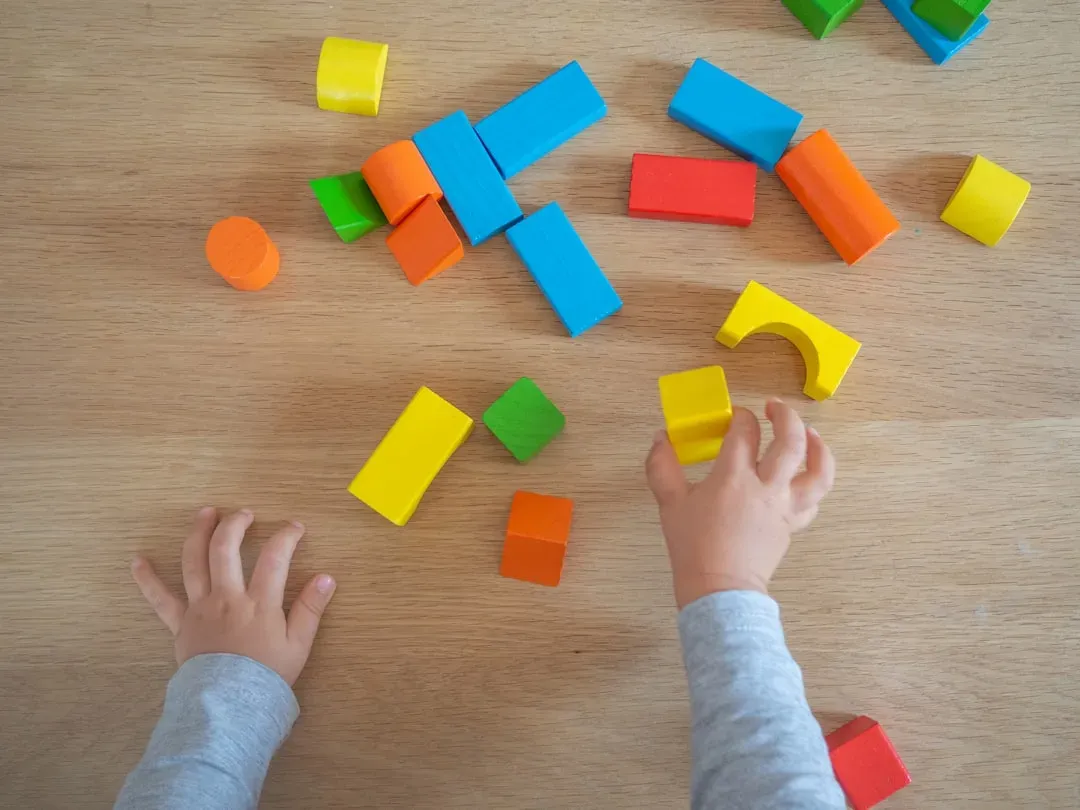
3. Scheduling Every Hour of the Day (Image Credits: Unsplash)
Children are often involved in structured sports, classes, and activities that leave little free time for open-ended play. Parents schedule this out of love and genuine ambition for their children, but the science makes a strong case for pulling back. Research suggests that children should experience twice as much unstructured time as structured play experiences.
Unstructured play refers to activities that children initiate themselves, without strict rules or adult direction. Historically, this type of play has been a central part of childhood development because it allows children to experiment, negotiate, imagine, and regulate their emotions in real time. Over-scheduling crowds this out entirely, and the gap in development is real.
4. Hovering During Social Conflicts with Peers

4. Hovering During Social Conflicts with Peers (Image Credits: Pexels)
Helicopter parenting is associated with social withdrawal in children, meaning an unwillingness to participate in social environments. When parents rush in to mediate every disagreement between children, kids never learn to navigate the friction that is central to human relationships. Research suggests that children raised by intrusive helicopter parents may display higher levels of hostility or aggression toward peers. This behavior is often understood as a response to extreme parental control and a lack of personal agency, with children acting out to reclaim control over their own lives.
When children build something, invent a story, or negotiate the rules of a game with peers, they are learning how to manage frustration, solve problems, and understand other people's perspectives. In other words, free play builds emotional skills. Most of that learning happens precisely when no adult is directing the outcome.
5. Pressuring Academic Achievement Too Early
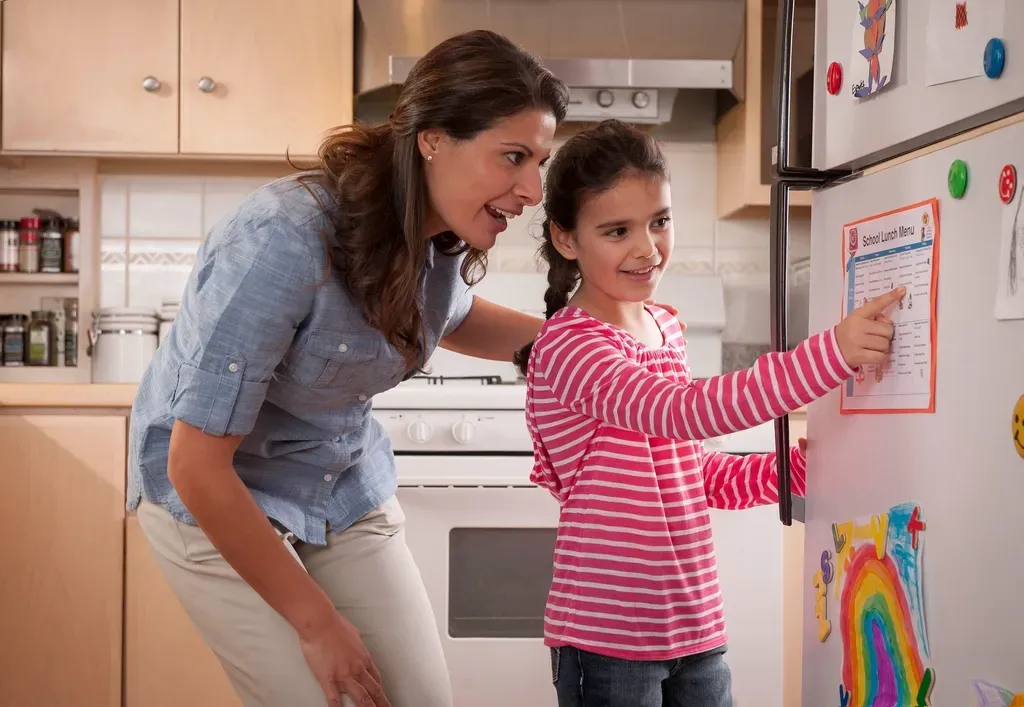
5. Pressuring Academic Achievement Too Early (Image Credits: Rawpixel)
Children and teenagers are struggling with mental health challenges like never before, and one factor that often contributes is excessive pressure from well-intentioned but misguided parents. Pushing too hard can have serious negative consequences. The pressure often starts surprisingly young, well before children have the emotional or cognitive tools to process it.
Research conducted with adolescents found that psychological control – which shares overlapping characteristics with helicopter parenting – showed detrimental impacts on adolescents' self-esteem and depressive symptoms. Treating a child's academic performance as a primary measure of success sends a message about their worth that is difficult to undo.
6. Making Decisions That Children Could Make Themselves

6. Making Decisions That Children Could Make Themselves (Image Credits: Stocksnap)
Helicopter parents can negatively affect their children's autonomy, sense of competence, and decision-making processes. Similar studies indicate that helicopter parenting can lead to a lack of autonomy and a decreased sense of competence. This isn't a small or short-term problem. Research on emerging adults shows that helicopter parenting is associated with poorer decision-making skills, increased anxiety, and difficulty coping with uncertainty.
Pushing a child to make decisions when they have no confidence or experience can frustrate and overwhelm them. A gradual decision-making process that matches their age and developmental stage prepares them to make autonomous decisions with confidence. The goal is a progression, not a flip of a switch at age eighteen.
7. Monitoring and Managing Their Emotional States

7. Monitoring and Managing Their Emotional States (Image Credits: Pixabay)
Psychological research suggests that helicopter parenting can impact an individual's sense of self, particularly in areas like self-esteem, autonomy, and self-efficacy, as well as psychological distress. Part of that impact comes from never letting a child sit with discomfort long enough to regulate it themselves. Overprotective parenting can reinforce anxiety in children and has a major role in the development, maintenance, and exacerbation of that anxiety, linked to a higher occurrence of anxiety and depression in adult life.
Research shows that children interpret excessive involvement as a lack of trust in their competence. When a parent rushes to soothe every frustration or resolve every worry before a child has a chance to feel it, the child absorbs an implicit message: you can't handle this on your own. Over time, that message sticks.
8. Doing Age-Appropriate Tasks for Them

8. Doing Age-Appropriate Tasks for Them (Image Credits: Unsplash)
Instead of delegating age-appropriate responsibilities to a child, a parent who "over-parents" may take on all the chores, complete unfinished school projects, and hand-deliver forgotten homework – waiting on their child hand and foot in an effort to keep them comfortable and carefree. It feels like love. Developmentally, it functions more like a slow removal of scaffolding the child was already starting to use.
Giving children age-appropriate chores not only fosters a sense of responsibility, but also builds self-confidence. By introducing small, manageable tasks early on, parents help their child understand that they are a valuable part of the family team. Yet surveys show that among parents of children aged five to eight, worry about the child's safety, habit, and a belief that things won't get done the parent's preferred way remain the most common reasons parents hold back.
1. Allowing Real, Unstructured Free Time

1. Allowing Real, Unstructured Free Time (Image Credits: Unsplash)
Data from thousands of interviews about childhood suggests that a lack of opportunities for unstructured, imaginative play can keep children from growing into happy, well-adjusted adults. Free play is critical for becoming socially adept, coping with stress, and building cognitive skills such as problem solving. Yet despite wide awareness of this, a review of 35 studies published between 2020 and 2025 identified a clear and consistent decline in unstructured free play in children's daily lives.
Researchers have found unstructured play to be helpful even in small doses. In studies of kindergartners and elementary school students, recess has been shown to improve children's ability to pay attention and assimilate new knowledge and skills. Boredom isn't a parenting failure. It's a vehicle for children to create their own happiness, enhance inventiveness, and develop self-reliance.
2. Letting Natural Consequences Play Out

2. Letting Natural Consequences Play Out (Image Credits: Pexels)
Parental involvement is instrumental in nurturing a child's independence, but instead of being "fixers," parents can transition to a supportive role by allowing children to make choices, take calculated risks, and face natural consequences. This approach helps children learn from their mistakes and builds resilience. The instinct to prevent consequences is understandable, but consequences are where real learning tends to happen.
Encouraging problem-solving is a great way to promote independence and build resilience. If a problem arises, letting a child solve it before jumping in is key. Asking guiding questions like "What do you think you could do?" encourages children to think for themselves. The sense of achievement a child feels when they solve the problem themselves is significant. That feeling of earned competence is something no parent can hand over – it has to be built from the inside.
3. Gradually Releasing Responsibility Over Time

3. Gradually Releasing Responsibility Over Time (Image Credits: Unsplash)
Gaining independence is a key aspect of child development and an essential parental responsibility. Becoming independent is a gradual process of allowing children increasing amounts of freedom, with parents there to teach skills, explain key information, and help the child understand consequences of their choices. Most parents agree with this in theory. Most parents endorse the idea that children benefit from free time without parent supervision and say they allow their child to do things themselves – but parents' description of what their child actually does independently suggests a sizable gap between parent attitudes and actions.
As parents, we tend to fall to one extreme or the other: giving too much freedom too soon, or restricting a child's growth for too long. Letting the reins out gradually gives children the independence they need while allowing parents to teach skills and assess the child's readiness. Independence doesn't arrive on a child's eighteenth birthday like a magical gift. It's built slowly, freedom by freedom, starting much earlier than most of us realize.
The honest truth is that the most effective parenting often looks like less, not more. Stepping back at the right moment, resisting the urge to fix, and trusting a child to figure things out are harder disciplines than any enrichment schedule. They require parents to tolerate discomfort on their child's behalf. That, it turns out, is where the real work is.