
Most marriages don’t unravel in a single dramatic moment. They erode quietly, through repeated small omissions: a skipped check-in, a deflected conversation, a year of Thursday nights side by side but mentally miles apart. What sustains a marriage, researchers now largely agree, is the daily architecture of how two people choose to treat each other.
The science here is richer than many people realize. Decades of relationship research, including long-running observational studies and clinical trials, have identified specific behaviors that move the needle on marital satisfaction. Not all habits are equal, though. Some help a little; some are genuinely transformative. What follows is a ranking, running from the least to the most effective, based on what the evidence actually shows.
Sending Affectionate Messages Throughout the Day

Sending Affectionate Messages Throughout the Day (Image Credits: Pexels)
Most of us text our partners at least a couple of times a day, but making time for purely loving, affectionate messages – rather than purely logistical ones – can genuinely enhance a relationship. Studies show it makes a measurable difference. It's low effort and easy to overlook, which is precisely why it sits toward the bottom of this list rather than the top.
The habit has real value, but its impact tends to be modest when it exists in isolation. A warm text doesn't substitute for presence or honest conversation. Think of it as a signal rather than a strategy – a small but real investment in keeping warmth alive on an ordinary Tuesday.
Sharing Meals Together Regularly

Sharing Meals Together Regularly (Image Credits: Pexels)
Couples in happy marriages make an effort to spend time together, and sharing a meal is one reliable way to do that – whether they cook together, go out, or simply order takeout. The habit creates a reliable rhythm of togetherness that, over years, becomes part of a relationship's texture.
Research involving 227 couples across a wide age range found that happier couples shared more joint health behaviors than unhappier ones – and sharing meals was one of the behaviors tracked. The meal itself isn't magic, obviously. What matters is the predictable, low-pressure time it creates for connection.
Practicing Physical Affection Beyond Intimacy

Practicing Physical Affection Beyond Intimacy (Image Credits: Unsplash)
In the hustle of daily life, couples can forget to physically connect in small ways – not just through sex, but through handholding, long hugs, and daily kisses. Data show that people in physically affectionate relationships are happier and more satisfied. These gestures are easy to let slip, especially after years of routine settle in.
Expressions of gratitude also lead to more spontaneous affection between partners, such as hand-holding and kissing, according to research by Sara Algoe and her team at the University of North Carolina at Chapel Hill. Physical warmth and emotional warmth, it turns out, tend to feed each other in a fairly direct loop. Letting one slide usually means losing some of the other.
Going on Regular Date Nights

Going on Regular Date Nights (Image Credits: Unsplash)
Only about half of couples go on frequent date nights, despite the clear benefits for those who do. Most couples experience a decline in relationship quality after a few years, partly because they become habituated to one another and begin taking each other for granted. Date nights, when done thoughtfully, push back against that drift.
Research suggests that couples who engage in novel activities – from hiking to dancing to card games – enjoy higher levels of relationship quality. Date nights are most effective when couples use them to try something exciting or unusual rather than defaulting to the same comfortable routine every week. The novelty appears to matter just as much as the time itself.
Expressing Gratitude Consistently

Expressing Gratitude Consistently (Image Credits: Unsplash)
Feeling and expressing gratitude with a spouse is linked to greater relationship satisfaction and happiness, and research indicates that gratitude and positive romantic relationships have reciprocal associations – positive behavior by one partner leads to gratitude, and that gratitude in turn motivates more positive behavior. It's one of the more quietly powerful cycles in a marriage.
If one partner has an ungrateful disposition, it acts as a weak link that is enough to disturb relationship satisfaction for both partners. Research shows that dispositional gratitude positively predicts marital satisfaction over time. Gratitude isn't just a nicety. It functions as a kind of relational glue, and its absence tends to leave couples more vulnerable to resentment.
Building Shared Rituals and Meaning
Building Shared Rituals and Meaning (Image Credits: Pexels)
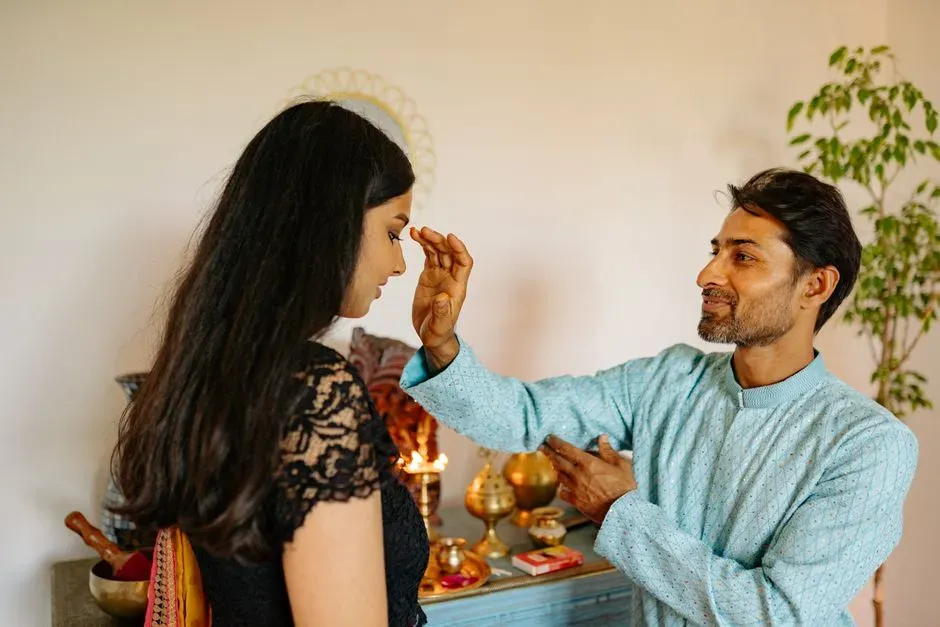
Shared meaning in a marriage involves creating a sense of purpose and connection through shared goals, values, and traditions – essentially building a life together that feels meaningful to both partners. Rituals of connection are regular activities that foster intimacy. These rituals can be as simple as Sunday morning coffee or as structured as an annual tradition, as long as both partners invest in them.
A genuine goodbye kiss, a few minutes of conversation before sleep, or simply asking about each other's plans creates predictable moments of connection. These rituals reduce stress and signal to a partner that they're a priority, even during busy seasons of life. The cumulative weight of these small, repeated acts is harder to quantify but shows up clearly in long-term satisfaction research.
Maintaining Deep Friendship and Genuine Curiosity About Each Other

Maintaining Deep Friendship and Genuine Curiosity About Each Other (Image Credits: Pexels)
According to psychologist John Gottman of the famed "Love Lab," lasting love is fed by little, everyday moments of connection. The quality of love in a relationship is determined in the daily grind, not in extraordinary moments. What Gottman calls "love maps" – a genuine, ongoing knowledge of a partner's inner world – is one of the habits his research consistently identifies as foundational.
Gottman Method interventions are designed to help couples improve relationships by enhancing their base friendship, their ability to manage conflict better, and creating a shared vision of the world, with the end goal of preventing relapse into poor relationship habits. This approach is based on empirical data from more than three decades of research involving over 3,000 couples. Friendship, in short, isn't just a pleasant feature of a good marriage. It's a structural element.
Handling Conflict Without Contempt

Handling Conflict Without Contempt (Image Credits: Pexels)
In seven long-term studies, Gottman's team found they could predict which couples would divorce with roughly ninety percent accuracy, using methods to measure empathy, emotion, and connection during conflict. The issue isn't whether couples fight. It's whether they fight with contempt – which research treats as one of the most reliable predictors of relationship failure.
Couples who used one of what Gottman calls the "Four Horsemen" – criticism, contempt, defensiveness, and stonewalling – typically divorced in an average of about five and a half years after marriage, while those who were merely emotionally disconnected during conflict lasted longer but still ended in divorce on average around sixteen years in. Learning to disagree without attacking your partner's character isn't just good manners. It's one of the clearest separators between marriages that survive and those that don't.
Communicating Openly and Constructively

Communicating Openly and Constructively (Image Credits: Pexels)
Insufficient knowledge of marital communication skills leads to destructive interactions and poor marital adjustments, especially during stressful situations. This isn't a minor issue. Communication quality is one of the most consistent predictors of marital stability that relationship science has identified across cultures and demographics.
Research on Gottman-based communication interventions found that structured programs could improve couples' constructive communication significantly – roughly forty-five percent for husbands and forty percent for wives – while substantially reducing demand-withdrawal and mutual avoidance patterns. Techniques like avoiding hard conversational starts, expressing opinions without judgment or blame, and using "I" statements consistently make a measurable difference in how conflicts resolve. Communication isn't just the most important habit. It's the one that amplifies the effectiveness of everything else on this list.
Sustaining High Commitment and a Long-Term Mindset
Sustaining High Commitment and a Long-Term Mindset (Image Credits: Unsplash)
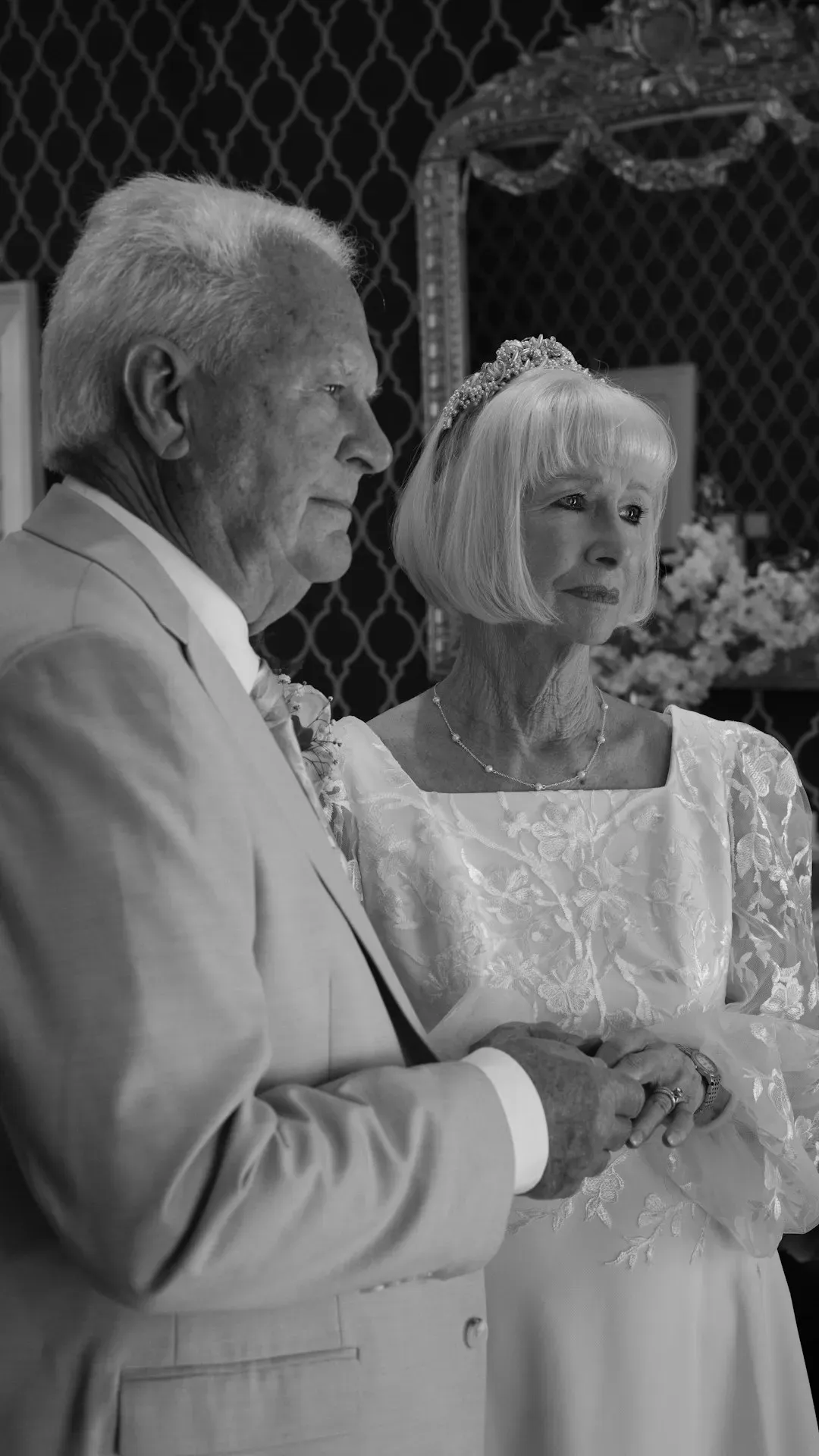
Research identifies high commitment as one of the key protective factors for lasting marriages – with highly committed couples being dramatically more likely to report that divorce is not at all likely. Commitment, in the research literature, isn't simply a feeling. It's a behavioral orientation: choosing to invest in the relationship even during periods when it doesn't feel easy or rewarding.
A 2025 University of Chicago study found that married people consistently report substantially higher levels of happiness, and such findings have been consistent for decades – with married women tending to report being happier, while married men are significantly happier than their non-married counterparts. Commitment creates the conditions under which all other habits become sustainable. Without it, even the best communication skills or gratitude practices tend to fade when life gets genuinely hard. It's the frame that holds everything else together.