
Real estate investing has never really been a single national story. It’s always been a collection of local ones, each with its own supply pressures, migration trends, and cost realities. What’s changed heading into 2026 is how sharply those local stories are diverging. The U.S. housing market is experiencing what analysts are calling a “reversion to the mean,” where formerly sizzling metros have gone cold while previously overlooked cities are pulling ahead.
J.P. Morgan Global Research sees U.S. house prices stalling at roughly zero percent in 2026, with modest demand improvements likely offsetting any gains from increased supply. That flat national headline, though, conceals real pain in specific markets. According to Realtor.com forecasts, nearly a quarter of the top 100 housing markets are expected to see actual price declines in 2026. Below are nine markets where seasoned investors are thinking twice before writing that check.
Cape Coral, Florida: The Sharpest Drop in the Sun Belt
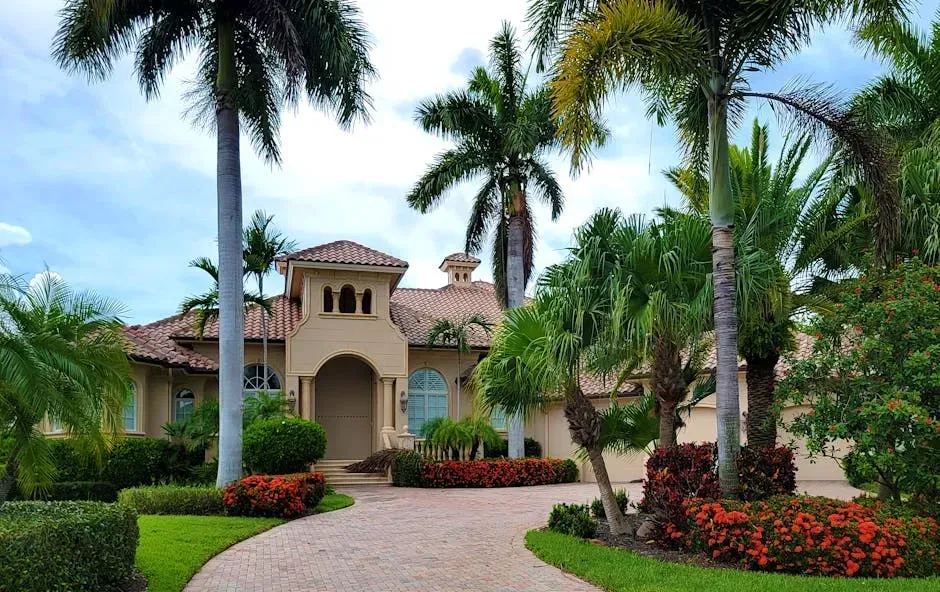
Cape Coral, Florida: The Sharpest Drop in the Sun Belt (Image Credits: Pexels)
Cape Coral, Florida, stands out with a projected double-digit price growth plunge according to Realtor.com’s forecast. Analytics firm Cotality already highlighted Cape Coral as having the largest annual home price decline in Florida and the second-largest nationwide, with prices dropping around seven percent year over year. This isn’t a sudden shock. It’s the tail end of a longer unraveling.
Florida faces a unique triple squeeze: insurance premiums running nearly twice the national average, post-Surfside condo reserve mandates triggering steep special assessments, and domestic in-migration that has collapsed dramatically from its 2022 peak. Elevated home prices, coupled with rising insurance premiums and other carrying costs, are weighing down buyer demand across the region, and Cape Coral is feeling it more acutely than most.
North Port, Florida: Pandemic Gains Giving Way

North Port, Florida: Pandemic Gains Giving Way (Image Credits: City of North Port, Florida website modified to have a transparent background, <a href="https://commons.wikimedia.org/w/index.php?curid=69178834" target="_blank" rel="noopener">Public domain</a>)
North Port, Florida, another market flagged by analytics firm Cotality for cooling, is anticipated to see the nation’s second-biggest decrease in price growth. Florida appears to be ground zero for this market correction. North Port was a darling of the pandemic era, drawing remote workers with its relative affordability compared to coastal Florida metros. That demographic tailwind has since reversed course.
Net domestic inflows into Florida fell from well over three hundred thousand in 2022 to barely over twenty thousand in 2025, a collapse of roughly ninety-three percent, driven primarily by affordability and insurance costs. When the migration wave recedes, markets that built their growth story on newcomers tend to feel the correction most directly.
Austin, Texas: Overbuilt and Overpriced

Austin, Texas: Overbuilt and Overpriced (Image Credits: Unsplash)
Austin simply overbuilt. New construction flooded the market during the remote-work migration wave, and supply has been running ahead of demand ever since. On top of that, the surge in homeowner insurance costs in Texas has pushed the true monthly cost of owning a home in Austin even higher in neighborhoods where the list price has dropped.
Austin-area median prices during the first quarter of 2026 dipped to around $415,000, roughly three and a half percent less than the first quarter of 2025. Combined with a meaningful increase in active listings, sellers are adjusting to a more deliberate pace of demand. Redfin’s 2026 housing market predictions specifically name Austin as one of the markets most likely to cool further this year, pointing to insurance costs, natural disaster risk, and the reversal of pandemic-era remote work patterns.
Tampa, Florida: Insurance Crisis Eating Into Returns
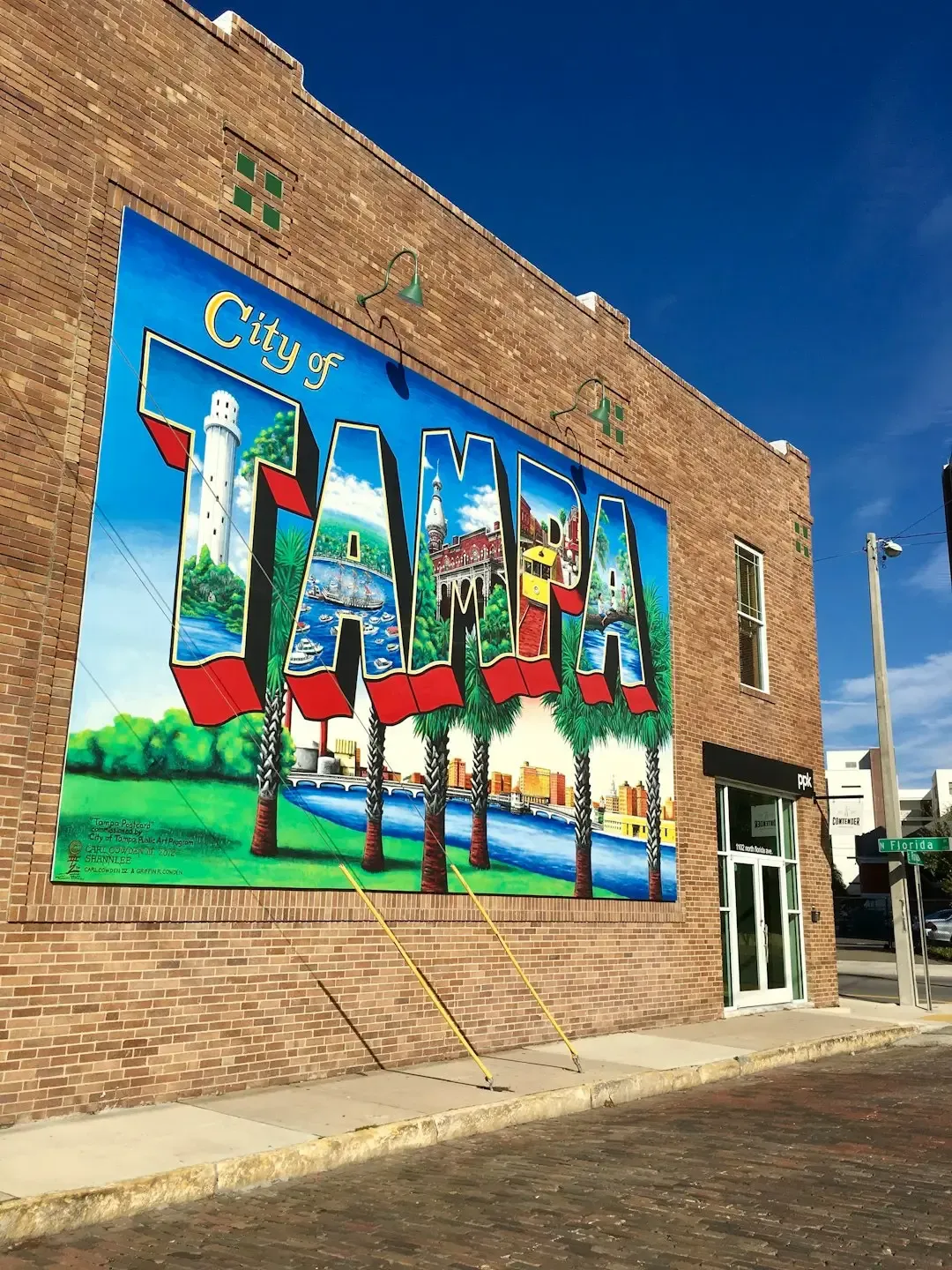
Tampa, Florida: Insurance Crisis Eating Into Returns (Image Credits: Unsplash)
Tampa’s Case-Shiller index posted thirteen consecutive months of annual declines through late 2025, the steepest of any city in the twenty-metro composite tracked by the index. For investors with rental portfolios in the area, the numbers are getting harder to make work. As Florida’s insurance market absorbs repeated hurricane and severe storm losses, Tampa Bay’s coastal exposure is translating directly into higher landlord policy pricing, with hurricane frequency keeping storm losses elevated and pushing reinsurance costs higher.
Tampa vacancy rates hit nearly nine percent, the highest among major Florida metros. Orlando rents fell over four percent year over year while Tampa rents remained essentially flat. Higher borrowing costs have cooled demand and removed the frenzy from the market, while builders in the Tampa suburbs have been aggressive, with a surplus of new construction inventory coming online in areas like Riverview and Land O’ Lakes.
Stockton, California: Central Valley Under Pressure

Stockton, California: Central Valley Under Pressure (Image Credits: Pexels)
Stockton, in California’s Central Valley, is projected to see a decline of over four percent in 2026, making it the largest decrease in California and among the most significant nationally. Other major California cities like Sacramento and San Francisco are also expected to see their appreciation rates slow meaningfully. Stockton entered the pandemic era from a position of relative affordability, but that advantage has eroded as prices surged and job growth lagged behind coastal metros.
In Western metros broadly, stretched affordability is a key driver of the correction. High prices and the persistent drag of elevated mortgage rates are eating into buyer demand, leading to price softening across much of the region. Stockton doesn’t have the tech-sector backstop or institutional employer base that could absorb a prolonged slowdown.
Denver, Colorado: Multifamily Glut Weighing on Medians

Denver, Colorado: Multifamily Glut Weighing on Medians (Image Credits: Pexels)
Denver’s growth rate is expected to decrease meaningfully next year. A real estate analyst attributes this partly to an increase in multifamily housing within the metro area, since these properties typically carry lower price points, which can pull down the median home price even if overall values remain relatively stable.
For many lower-income households in Denver, renting is currently more affordable than buying, which reduces demand for entry-level homes and contributes to declining median prices. Shifting migration patterns, with people moving from Denver’s urban core to surrounding counties for more space and newer homes, also play a role, redistributing demand and cooling prices in the city center.
Dallas, Texas: A Market Losing Its Edge

Dallas, Texas: A Market Losing Its Edge (Image Credits: Unsplash)
Austin, Texas, and Tampa, Florida, tied for the steepest drops at over six percent each in 2025, with Dallas not far behind at four percent. Dallas tracked as one of the weaker performers among major metros heading into 2026, as the pandemic-era migration boom cooled and supply caught up with demand. Dallas experienced monthly price declines with the metro dropping nearly one percent month over month in late 2025, alongside other large Sun Belt metros in negative territory.
House prices are falling the most along the West Coast and Sun Belt, where there remains a glut of new homes following the pandemic-era construction boom. Dallas built aggressively during those years, and the inventory overhang is still working its way through the system. For rental investors specifically, stalling rent growth and climbing vacancies dealt a double blow to rental investors in 2025, though their purchase activity proved resilient despite the headwinds.
Raleigh, North Carolina: The Hype Outran the Fundamentals

Raleigh, North Carolina: The Hype Outran the Fundamentals (Image Credits: Unsplash)
Forecasters are also seeing projections for softening prices in Raleigh, North Carolina, alongside other previously red-hot Sun Belt markets. Raleigh spent several years as one of the most-cited migration destinations in the country, drawing tech workers and young professionals priced out of higher-cost cities. That story remains partially intact, but valuations ran ahead of what local wages can comfortably support.
One of the defining features of the current housing market is regional divergence. National statistics often hide the fact that some markets are cooling while others remain highly competitive, and certain Sun Belt markets that experienced aggressive building during the pandemic may face oversupply pressures. Raleigh fits that description closely. The city still has long-term appeal, but in the near term, investors who bought near the peak are sitting on thinner margins than they anticipated.
Miami, Florida: Condo Market in Outright Distress
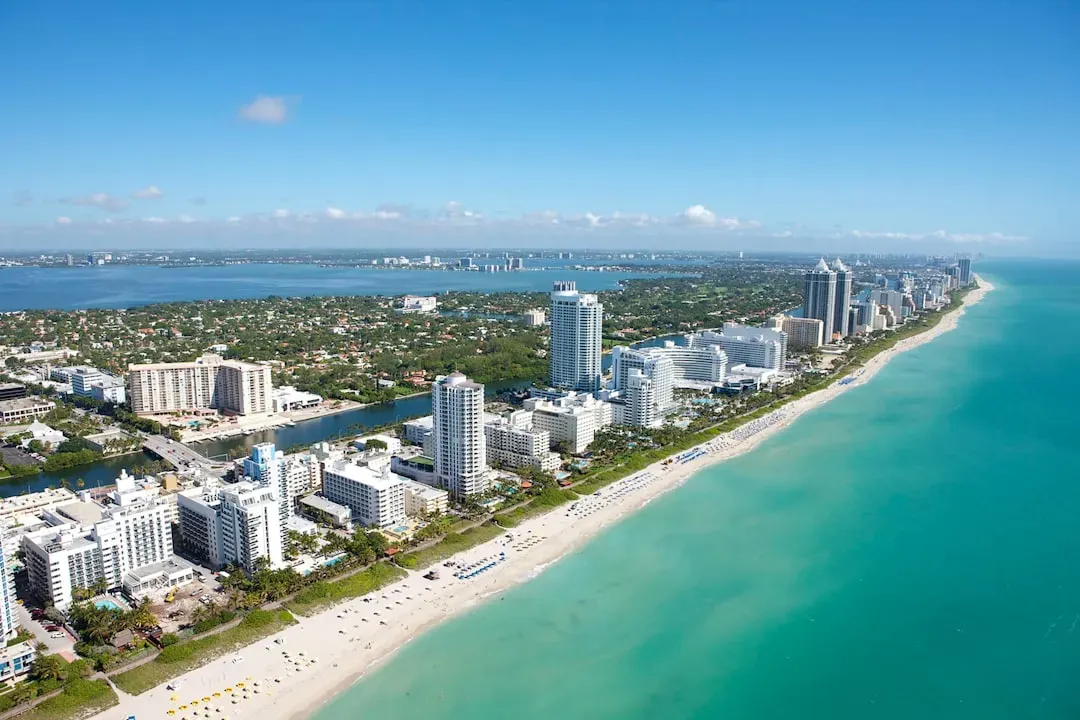
Miami, Florida: Condo Market in Outright Distress (Image Credits: Unsplash)
Florida’s condo market statewide is sitting at over thirteen months of supply, with prices down over six percent year over year, and nearly all major condo markets across the state declining. Miami sits at the epicenter. Second-home mortgage originations in Miami fell by nearly a third year over year in 2024, the steepest decline of any major metro. That’s a telling signal about investor appetite.
New safety legislation passed after the Surfside tragedy mandated more funding for building maintenance and inspections, leading to significant increases in HOA special assessment fees that have made condo ownership substantially more expensive. Across the active listing pool in Florida, roughly a third of properties carry price reductions, and in Southwest Florida metros that figure exceeds forty percent. Miami’s luxury single-family segment remains a separate story, but for the investor who bought a condo as a short-term rental or an income play, the math has shifted considerably.