
There’s something quietly fascinating about looking back at the ’90s through the lens of what we now know. It was a decade of cargo shorts, dial-up internet, and a parenting culture that ran almost entirely on instinct and inherited habit. Gen X parents, then raising their kids somewhere between grunge albums and the first family desktop computers, were doing what generations before them had always done: winging it with confidence.
The distance of three decades makes certain things obvious that weren’t obvious at all back then. Some of the practices listed here weren’t just cultural quirks. Some carried real risks we simply hadn’t identified yet. Others look less dangerous and more just deeply, wonderfully cringe. Either way, it’s worth taking a clear-eyed look.
Smoking in the Car With Kids in the Back Seat

Smoking in the Car With Kids in the Back Seat (Image Credits: Pixabay)
If you grew up in the ’80s or ’90s, you probably remember sitting in the backseat while a parent puffed away, windows barely cracked. Smoking was everywhere: restaurants, airplanes, even pediatric waiting rooms not long before that. Nobody thought much about it. It was simply what adults did, and children were just along for the ride.
The science that eventually emerged made the habit impossible to defend. Secondhand smoke in cars can be especially harmful to children because cars are small, confined spaces where children are closer to the smoker and the smoke. While a child’s lungs are still developing, they can be easily damaged by exposure to the high level of secondhand smoke in a car. Even though many smokers chose to open a window or increase the ventilation, the child passenger was still not fully protected. The gases and particulates of tobacco smoke absorb into the upholstery and other surfaces inside a car, and they re-emit back into the air over time, exposing passengers to toxins long after anyone actually smoked in the car.
Letting Kids Roam the Neighborhood Unsupervised All Day

Letting Kids Roam the Neighborhood Unsupervised All Day (Image Credits: Pexels)
Kids in the ’90s roamed neighborhoods freely until streetlights flickered on, an unspoken signal to head home for dinner. Parents back then expected children to navigate social hierarchies and resolve conflicts without adult mediation. There were no texts, no check-ins, and no GPS. A vague “be home by dinner” was considered a perfectly solid plan.
Modern parenting philosophy, however, rarely permits children out of visual range, with structured playdates replacing spontaneous neighborhood adventures, largely due to safety concerns amplified through constant news cycles and neighborhood alert apps. The shift isn’t purely paranoia, either. Missing children began to appear on the side of milk containers and cable TV sensationalized such stories for ratings, inducing paranoia in parents who concluded threats were more significant than they were. Today the calculus looks different from nearly every angle.
Using Physical Punishment as the Default Discipline Tool
Using Physical Punishment as the Default Discipline Tool (Image Credits: Unsplash)
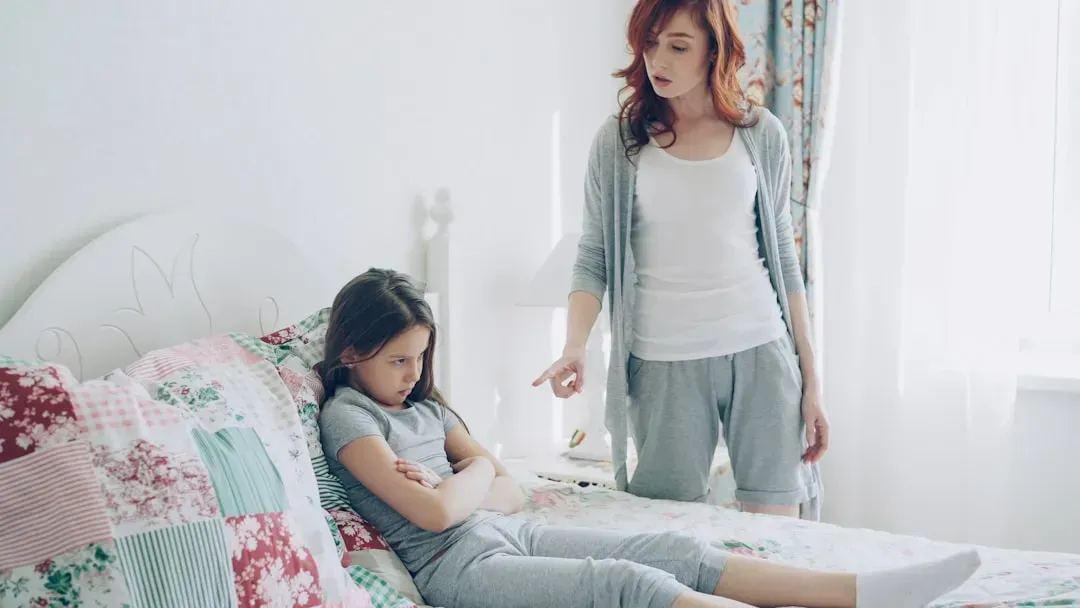
If you grew up hearing that a good spanking could “set you straight,” you’re not alone. In the ’90s, physical punishment was commonly recommended, even in popular parenting books. However, we now understand that hitting a child can lead to feelings of resentment, lower self-esteem, and even more aggression. It wasn’t cruelty that drove the approach; it was simply the inherited assumption that discipline meant compliance, fast.
Research has long underscored the negative effects of spanking on children’s social-emotional development, self-regulation, and cognitive development, but newer research shows that spanking alters children’s brain response in ways similar to severe maltreatment and increases perception of threats. Notably, a major study analyzing 195 papers published between 2002 and 2024 found no positive outcomes associated with corporal punishment, with findings suggesting that physical punishment is universally harmful to children and adolescents.
Putting Babies to Sleep on Their Stomachs

Putting Babies to Sleep on Their Stomachs (Image Credits: Pexels)
Until 1992, parents were told to put their babies to sleep on their stomachs. Doctors and other health experts advised it would help prevent choking. However, in 1992, after SIDS studies, the American Academy of Pediatrics discovered that infants should sleep on their backs or sides. By 1996, the current recommendation for babies to sleep on their backs was implemented. This is one of the starker examples of a practice that felt protective but carried real danger.
Studies suggest that back sleeping reduces the risk of SIDS by roughly half. In the ’90s, most parents didn’t think as much about sleep safety and babies slept in cribs full of soft blankets and stuffed animals. Bumper pads, thick comforters, and plush toys packed into the crib were considered cozy and normal. By today’s standards, pediatricians would call it an obstacle course of hazards.
Dismissing Children's Emotions With "Stop Crying"

Dismissing Children's Emotions With "Stop Crying" (Image Credits: Pexels)
In the ’90s, it wasn’t unusual for a child’s tears to be met with phrases like “stop crying” or “don’t be so sensitive.” The belief was that showing emotion was a sign of weakness. Toughening kids up was a widely accepted goal, and emotional stoicism was treated as a virtue parents were actively cultivating. Boys especially got this message delivered early and often.
Instead of considering the child’s emotional needs, discipline was all about compliance. Modern research tells us that when we take the time to explain rules and understand our children’s feelings, they learn to regulate their emotions and make better choices on their own. The approach to discipline has since evolved, with the modern trend leaning toward gentler parenting practices that encourage open communication and emotional intelligence. The ’90s version of “toughening up” turns out to have done something closer to the opposite.
Riding in Cars Without Proper Car Seat Safety
Riding in Cars Without Proper Car Seat Safety (Image Credits: Unsplash)
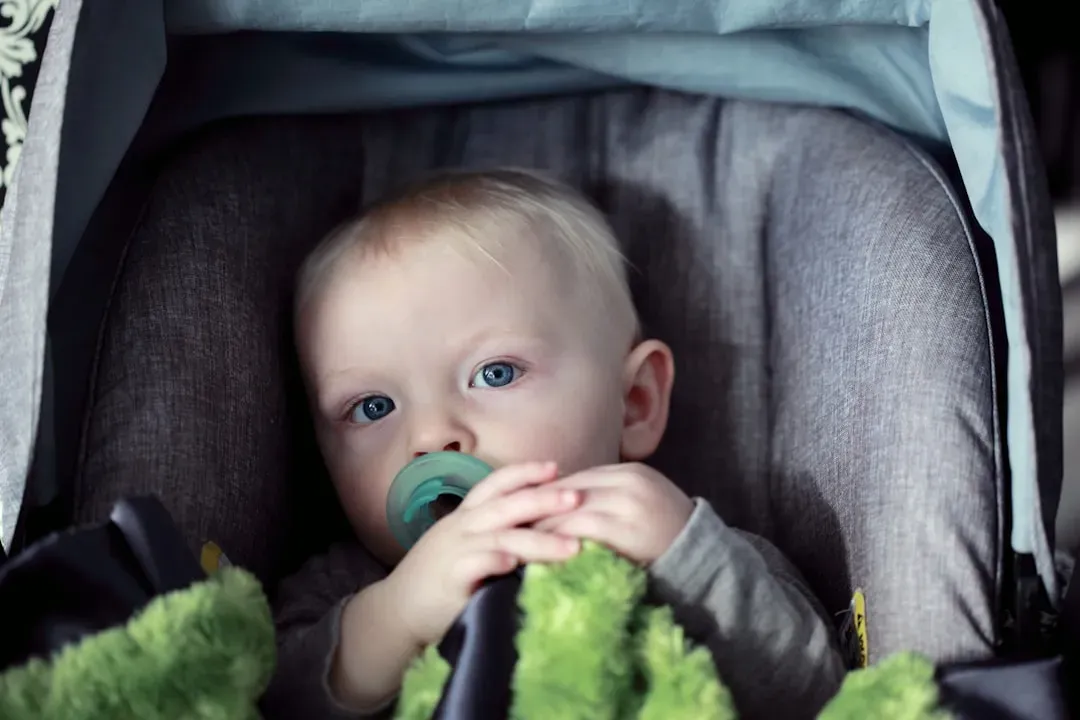
Car seat regulations have undergone intense changes in the past few decades. In 2011 the American Academy of Pediatrics and NHTSA updated their guidelines for children to rear face until at least age two. Before that, forward-facing seats were installed early and loosely, and for many ’90s families, younger kids simply buckled into a regular back seat with no booster at all. Lap belts for toddlers were considered perfectly reasonable.
With rudimentary safety gear that appears sadly lacking by modern standards, kids negotiated ’90s childhoods. At most, bicycles had basic helmets; trampolines had no safety nets; playgrounds had metal equipment fastened over packed soil. Substantial study today guides constantly changing safety criteria affecting everything from car seat technology to playground surface materials. The era’s relationship with physical risk was casual in a way that’s genuinely hard to revisit without wincing.
Using Outdated Slang Around Their Kids to Seem "Cool"
Using Outdated Slang Around Their Kids to Seem "Cool" (Image Credits: Pexels)
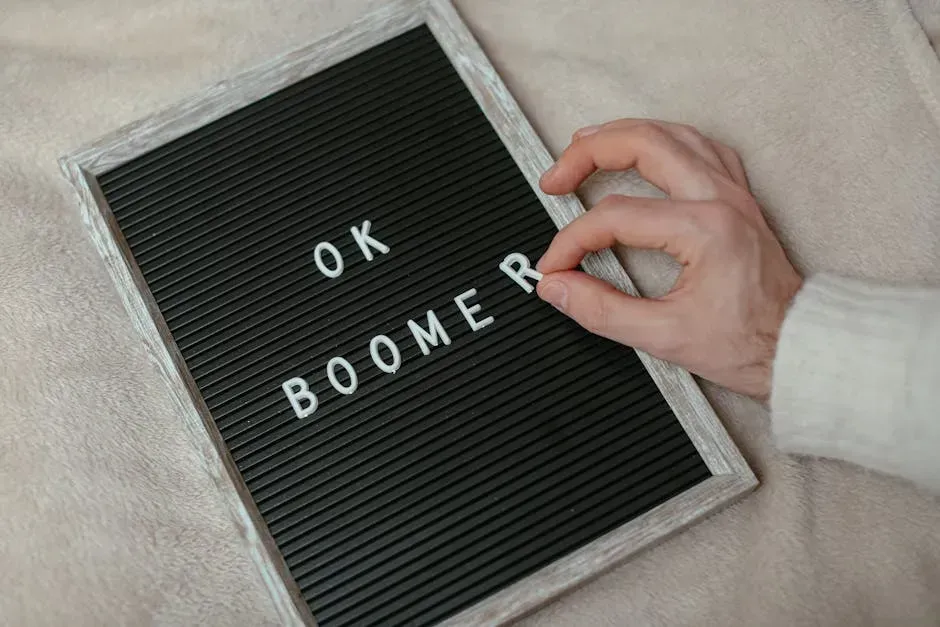
A parent’s desire to speak in “young people lingo” transcends eras. Back in the ’90s they were saying “Whatever” and “As if.” Now they’re saying “Bae” and “fleek.” There was something almost universally cringe-worthy about a dad dropping a slang term sincerely into a sentence, and kids in the ’90s felt that discomfort acutely. It was a decade-specific brand of parental overeagerness.
The context of Gen X and Boomers using outdated slang words makes things worse. Having it tacked on during everyday interactions can just feel off. What might have been a fun expression in their time comes across as a little bit awkward now. The real embarrassment, though, wasn’t just the slang itself. It was the effort behind it: the visible desire to bridge a generational gap through vocabulary rather than presence.
Ignoring Rigid Gender Expectations in Parenting

Ignoring Rigid Gender Expectations in Parenting (Image Credits: Pixabay)
Raising boys versus girls in the ’90s typically followed distinctly different trajectories, with clearly delineated toy categories, clothing styles, and behavioral expectations divided along traditional gender lines. Parents rarely questioned these established patterns or considered the potential limitations they might impose. Blue was for boys, pink was for girls, and any deviation got noticed fast by family members at the dinner table.
Modern parenting increasingly embraces gender-expansive philosophies that allow children greater freedom in their interests, expression, and development regardless of biological sex, with intentional exposure to diverse role models and experiences. It wasn’t that ’90s parents were malicious about it. They were simply operating inside assumptions so embedded that questioning them didn’t occur to most people. Today those assumptions are not only questioned but actively dismantled in many households.
Saying "Because I Said So" and Expecting That to Be Enough

Saying "Because I Said So" and Expecting That to Be Enough (Image Credits: Pexels)
Many of us remember when our parents would say “Because I said so” without any explanation. This style of parenting assumed that authority meant unquestioning obedience. Today, experts believe children benefit far more from discussions about why rules exist. When parents share their reasoning, kids feel respected and learn critical thinking skills. The phrase wasn’t unique to Gen X parents, but it reached something of a cultural peak in the ’90s household.
Many new parents in that era gravitated to a more communicative, collaborative, and gentle parenting style than the often authoritarian and punitive style of their own parents. Building self-esteem and confidence in their kids was very important to them. Yet the authoritarian reflex was hard to shake completely. The tension between those two instincts defined a lot of ’90s parenting: wanting to be warmer than their own parents but reaching for old tools when things got difficult.
Letting Kids Watch Television Without Any Limits
Letting Kids Watch Television Without Any Limits (Image Credits: Pexels)
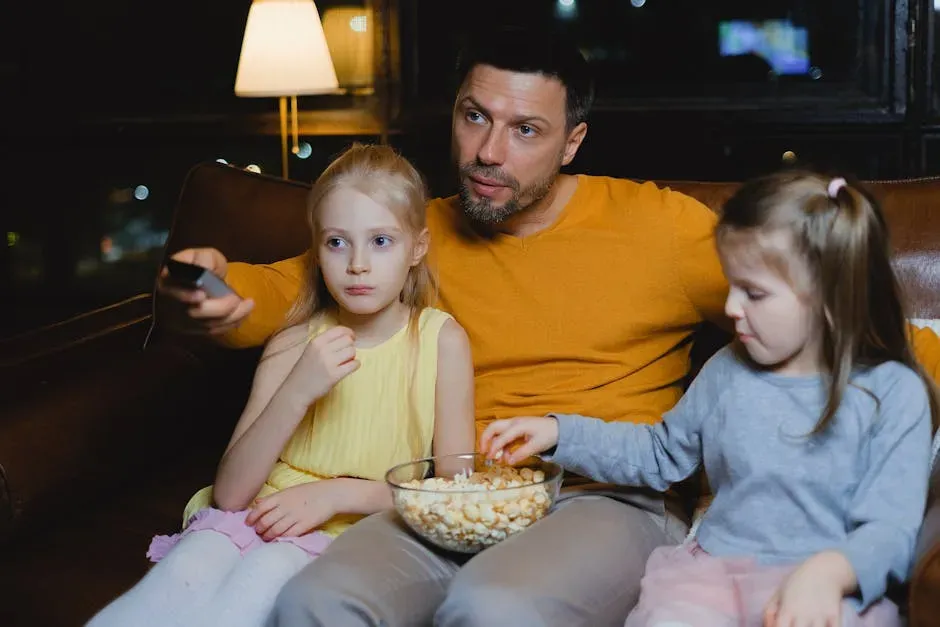
When TVs in homes were a relatively new concept, the idea of limiting screen time wasn’t popular yet. Often, Gen X’s parents spent long days at work. When the kids returned home from school, they relaxed in front of the TV. Daytime television, afternoon cartoons, and evening sitcoms ran back to back, and nobody was watching the clock. The TV was a reliable, consequence-free babysitter with great ratings.
While this is something many kids still do today, there are new controls that keep them from having free range like Gen X had. Parental controls and timers that limit screen time have changed the game. Now, kids can’t spend every waking hour in front of the TV screen. A ’90s parent may have set loose limits on how much time a child spent watching television, but many parents today wrestle with how to help children and teens use educational resources and social connections a phone or iPad provides, while cultivating plenty of real-life experiences. The screen problem never went away. It just got more complicated.