
Florida has a way of looking perfect from a distance. Warm winters, no state income tax, and an abundance of outdoor life make it an obvious draw for families relocating from colder, pricier states. The reality of raising children here, though, is a more complicated picture than the glossy brochures suggest.
Beneath the sunshine and the beaches sit pressures that many parents don’t fully anticipate until they’re already in the thick of it. From childcare costs that rival a mortgage payment to a youth mental health system stretched thin, the hidden challenges of Florida family life deserve a clear-eyed look before you commit.
The True Cost of Raising a Child Here Is Steeper Than Most Expect

The True Cost of Raising a Child Here Is Steeper Than Most Expect (Image Credits: Pixabay)
With an average household income of $118,620, the typical Florida family spends around nearly one fifth of its income to raise a child each year. That figure alone should give pause, especially when you account for how quickly child-related costs have escalated in recent years. Researchers have found that the annual costs of raising a small child have jumped over thirty-five percent since just a few years ago.
For two working adults raising two children in Florida, living comfortably requires an estimated income of over $217,000 per year, and the state has suffered from massive inflation as huge numbers of people have moved in. The U.S. Census Bureau reports that the median earnings for a family of four in Florida sits at around $107,712, which falls well short of what studies suggest is needed to live without financial strain.
Childcare Availability Is a Quiet Crisis
Childcare Availability Is a Quiet Crisis (Image Credits: Unsplash)
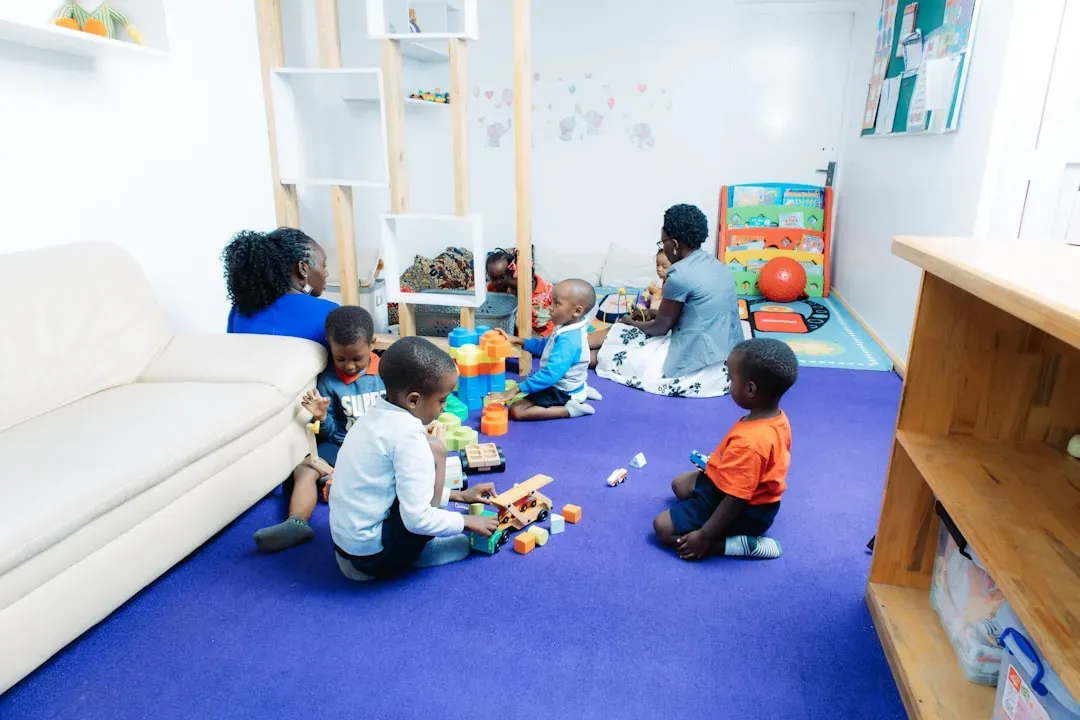
Many Florida parents struggle to find affordable childcare, and the cost of childcare rose over five percent between 2024 and 2025, with roughly one in seven parents reporting that they left a job due to childcare issues in the preceding six months. The supply side of the problem is just as stark. More than 128,000 children lack access to childcare, with around 776,000 available slots against a need for roughly 883,000.
The Economic Policy Institute found that infant care in Florida is more expensive than in-state tuition for a four-year public college, with the average annual cost of infant care coming in at over $9,200. While Florida's Early Learning Coalitions manage county-level funds and help parents enroll in childcare programs, the School Readiness waitlist still numbered nearly 15,000 children statewide as of January 2025.
School Readiness Rates Are Falling Short
School Readiness Rates Are Falling Short (Image Credits: Unsplash)
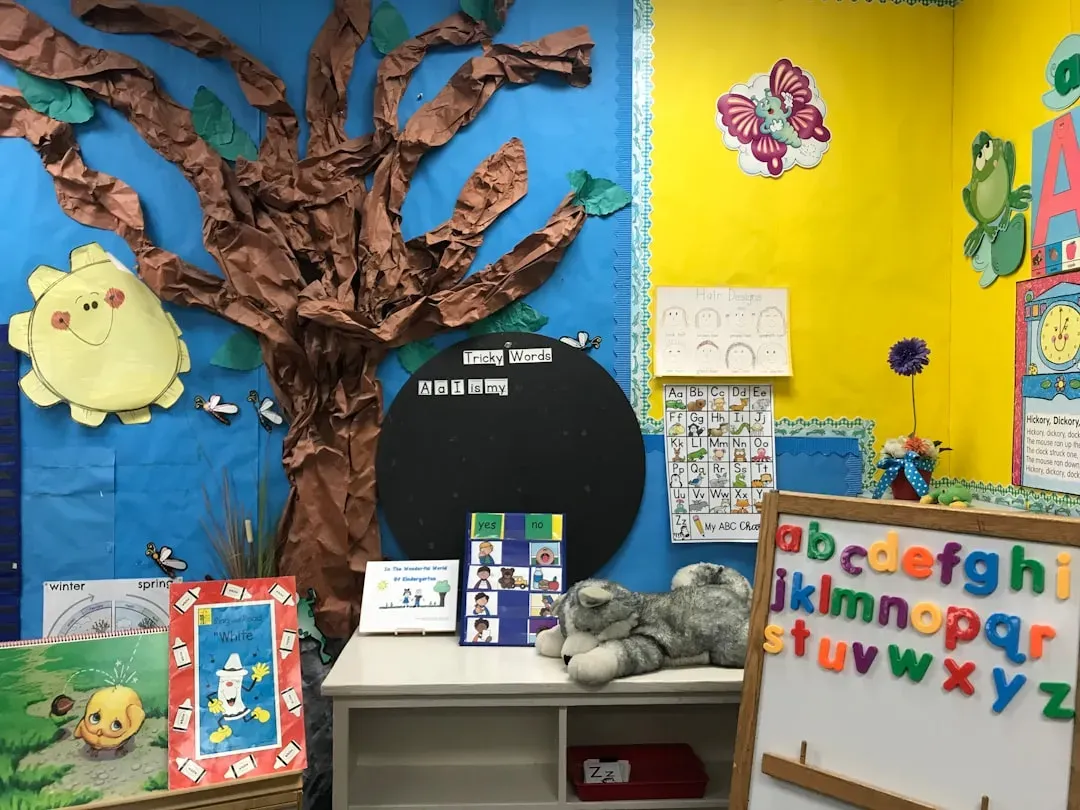
Florida's Kindergarten Readiness rate stood at just 43 percent in 2025, showing a decline from the prior year. For parents counting on the state's education system to give their kids a running start, that number is sobering. Only around 65 percent of four-year-olds eligible by law were enrolled in Florida's voluntary pre-kindergarten program in 2024, a slight dip from the previous year.
While some progress has been made on teacher pay, a recent funding increase amounts to only around $648 annually, which does little to raise average teacher salaries or reduce high teacher turnover rates that disproportionately affect students of color. The shortage of school psychologists and mental health professionals has deeply affected schools across the state, with Florida's ratio sitting at one psychologist for every 2,023 students, far from the recommended one-to-five-hundred ratio.
Youth Mental Health Support Struggles to Keep Up

Youth Mental Health Support Struggles to Keep Up (Image Credits: Unsplash)
Adolescents are experiencing mental health challenges at increasing rates, with roughly four in ten youths reporting persistent feelings of sadness or hopelessness, and one in five teenagers reporting serious suicidal ideation. These are national trends, but Florida faces a particular access problem. The state's school budget again allocated $180 million for mental health services at K-12 schools, the same amount as the prior year, at a time when need is clearly growing.
Research published in JAMA Pediatrics found that the number of pediatric inpatient psychiatric beds is not rising despite increased need, and some experts argue the youth mental health crisis comes down to inaccessible treatment rather than simply more problems among youth. On a more encouraging note, the number of students in Florida reporting that they felt depressed or sad most days decreased from nearly 47 percent in 2022 to 37 percent in 2025, and Florida's 988 Lifeline received over 181,000 contacts in fiscal year 2024-2025, a 17 percent increase from the prior year.
Hurricane Season Is Not Just an Inconvenience for Families
Hurricane Season Is Not Just an Inconvenience for Families (Image Credits: Pixabay)
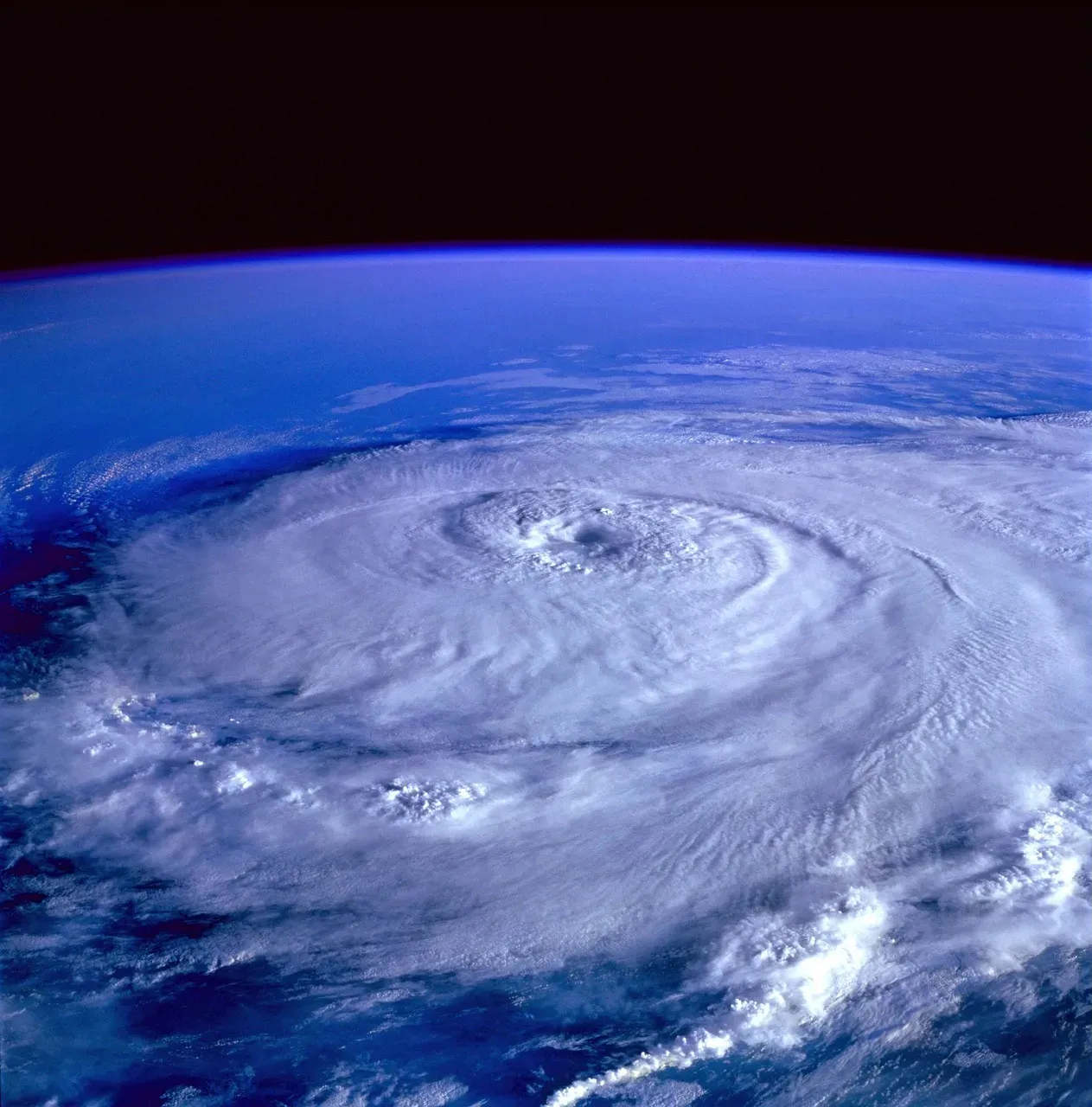
Each Atlantic hurricane season averages around 14 tropical storms, with roughly half strengthening into hurricanes. Last year's season produced 18 tropical storms, of which 11 developed into hurricanes and five reached major hurricane strength. For parents, a hurricane is not just about property damage. It means disrupted schooling, evacuation planning for children, and weeks of recovery. As extreme weather events intensify and coastal areas grow more populated, millions of children in storm-prone areas face increased risks like floods, damage to homes and schools, and heightened exposure to disease.
Young children may become dehydrated more quickly than adults when water supplies are disrupted after a storm, and they are more at risk of getting sick from chemicals in floodwaters and the mold that grows quickly after flooding. Data collected from named storms over the last decade show increases in symptoms of depression and anxiety among affected residents, parental mental illness during these periods can double or triple the risk of child mistreatment, and economic instability and housing insecurity after disasters create compounding stressors for families.
Housing Costs Are Squeezing Family Budgets Harder Than Ever

Housing Costs Are Squeezing Family Budgets Harder Than Ever (Image Credits: Unsplash)
Zillow listed the typical value of Florida homes at roughly $385,000 in early 2025, compared with a U.S. median existing-home value of around $357,000 at the same point. For families needing extra bedrooms and proximity to good schools, that price tag climbs quickly. The average rent in Florida reached $2,540 per month as of mid-2025, with cities like Miami pushing even higher.
Florida's cost surge has been partly driven by massive in-migration, both domestic and international, causing the cost of living to outpace wage growth in ways that hit families particularly hard. While the absence of a state income tax offers some relief, property taxes have seen significant increases in recent years, and homeowners must also contend with rising property insurance premiums, especially in areas prone to natural disasters. Parents navigating a home purchase here quickly learn that the savings from no income tax can be absorbed and then some by insurance costs alone.