
The last circulating penny was minted on November 12, 2025, closing a chapter that stretched back to 1793. After a 230-year run, the U.S. minted its very last penny on November 12, 2025, officially bringing the production of the one-cent coin to an end. It’s a transition that most Americans probably felt coming, but few have fully thought through on a practical level.
The good news is that the decision doesn’t require anyone to rush to the bank in a panic. The federal government has stopped manufacturing new pennies, but the Federal Reserve will continue to recirculate the roughly 114 billion pennies currently in existence for as long as possible, and how long they remain in circulation depends largely on consumer behavior. That leaves most Americans with time to be deliberate about what they do with the coins still sitting in their jars, pockets, and car cup holders.
Why Production Stopped in the First Place
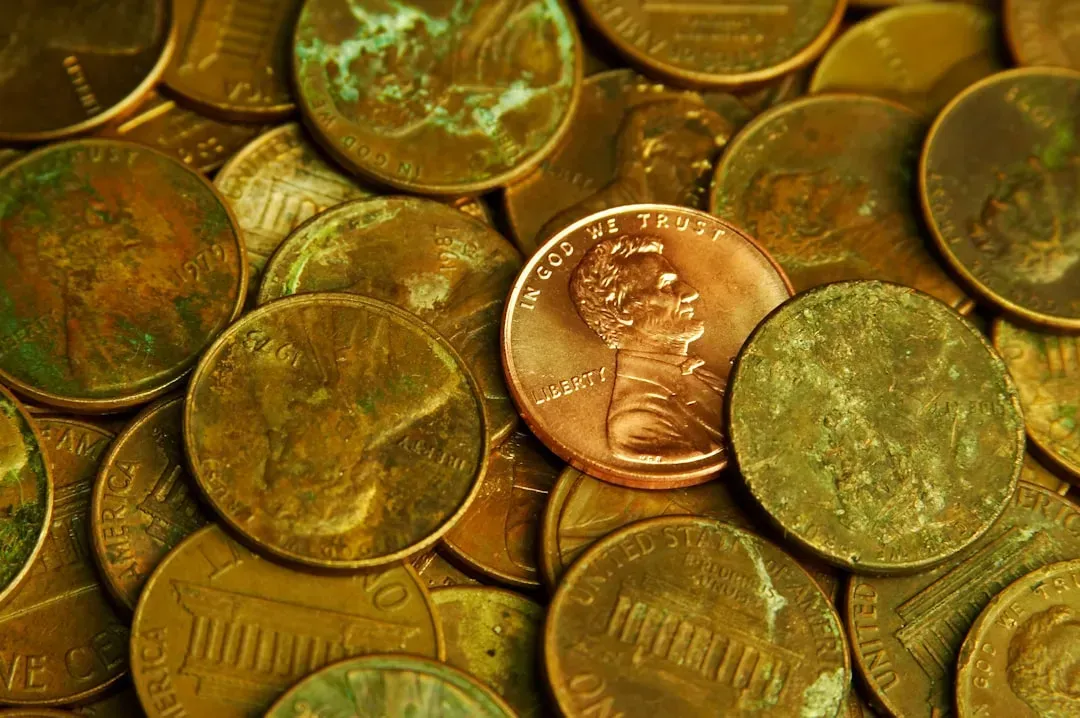
Why Production Stopped in the First Place (Image Credits: Unsplash)
Over the past ten years, the total production cost of the penny rose from 1.3 cents to 3.69 cents per penny. That means the government was losing more than two and a half cents on every single coin it produced. Multiply that by billions of coins, and it becomes difficult to justify on any fiscal grounds.
In fiscal year 2024, it cost 3.69 cents to produce a single one-cent coin, resulting in an $85.3 million loss for the U.S. Mint. Much of this is due to the price of zinc, the primary metal used to make pennies, which has more than doubled since 2000. The math simply stopped working, and the Treasury Department ran out of reasons to keep arguing otherwise.
Spend Them While Stores Still Take Them
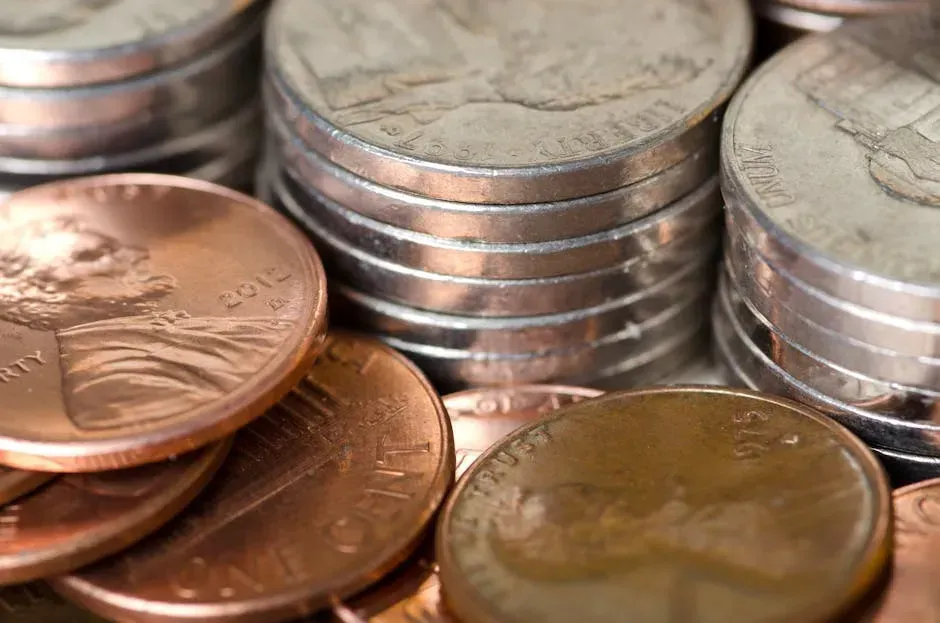
Spend Them While Stores Still Take Them (Image Credits: Pexels)
The Treasury Department encourages the public to spend their on-hand pennies to support a smooth transition and allow retailers and point-of-sale system providers time to adapt. This is probably the most straightforward move for anyone holding a small amount of loose change. Retailers are still obligated to accept them, so using them for everyday cash purchases works well in the near term.
You can continue to use your pennies for everyday cash purchases, and most businesses are likely to accept them. As the supply of pennies dwindles over time, retailers will eventually transition to rounding. So spending them now, while the process remains familiar and seamless, is a practical first step that costs nothing and keeps the transition orderly.
Deposit Them at Your Bank

Deposit Them at Your Bank (Image Credits: Unsplash)
Banks and credit unions will accept pennies for deposit or exchange, though some may require them to be rolled. If you’ve got a jar with a few hundred cents rattling around, rolling them into coin wrappers and bringing them to your branch is a clean, efficient way to reclaim that money without losing a dime of it.
You can spend them or deposit them at your bank. In fact, bringing in coins from home helps improve circulation. It’s worth calling ahead, since some branches have specific policies for large coin deposits or may direct you to a coin counting machine. Either way, the average American household has $60 to $90 in unused coins, so if you have a full piggy bank at home, consider exchanging its contents at a bank or coin-cashing machine, and check with your bank or the machine beforehand to see if any requirements or fees apply.
Use a Coin-Counting Kiosk

Use a Coin-Counting Kiosk (Image Credits: Pexels)
Coin-counting machines at grocery stores offer a convenient alternative to rolling pennies by hand. They accept loose coins in bulk and convert them to either a cash voucher or, in some cases, a direct donation to charity. The trade-off is that many kiosks charge a processing fee, which can take a noticeable slice of a large pile of change.
Coinstar is proud to partner with Feeding America and other nonprofit charity partners through their Coins that Count program. Consumers are invited to donate directly at participating Coinstar kiosks, making every coin count. Any amount is gratefully accepted and donations are tax deductible. For those who don’t want to pay the coin-counting fee, routing the full amount to a charity partner is typically offered as a no-fee option worth considering.
Donate Them to Charity
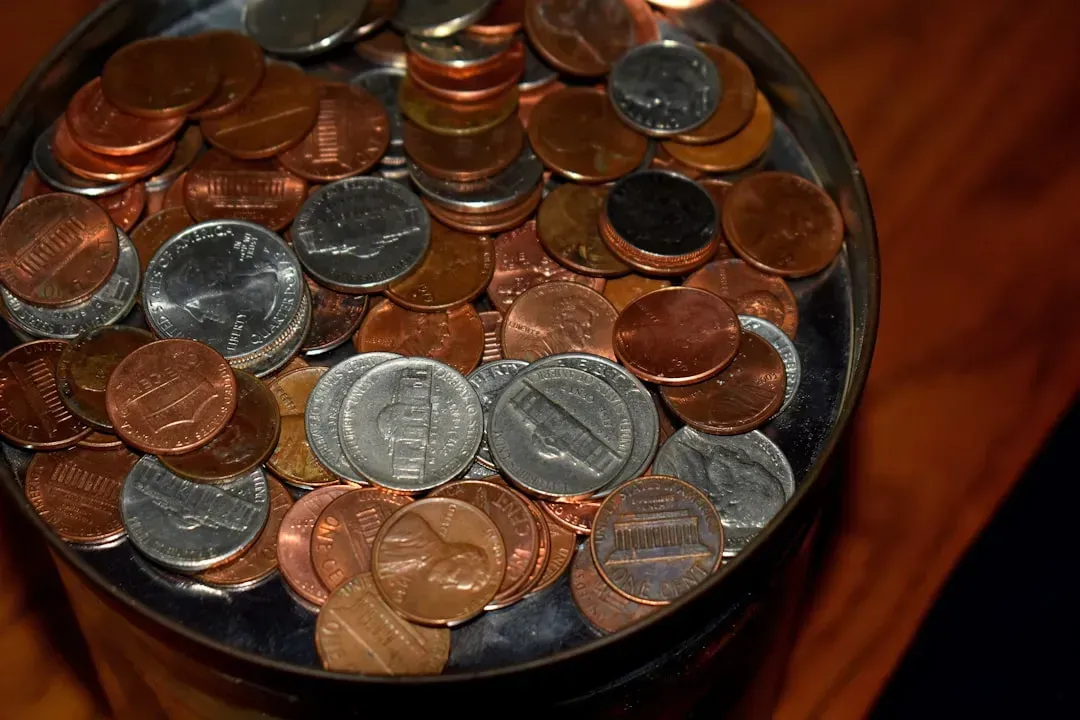
Donate Them to Charity (Image Credits: Unsplash)
If you’d rather not deal with pennies at all, donating them is a great alternative. Many charities accept spare change, and even modest contributions can make a difference when combined with others. Local food banks, school fundraisers, and community organizations often welcome coin donations directly, without the need to convert them first.
For the most part, charities will accept any type of monetary donation. While the organization might prefer one check or a credit card donation, they aren’t going to turn down your money or efforts. Churches, shelters, and school drives have accepted coin collections for generations, and the end of penny production actually gives those drives a timely cultural hook that can make fundraising feel meaningful.
Keep Some as Collectibles or Keepsakes
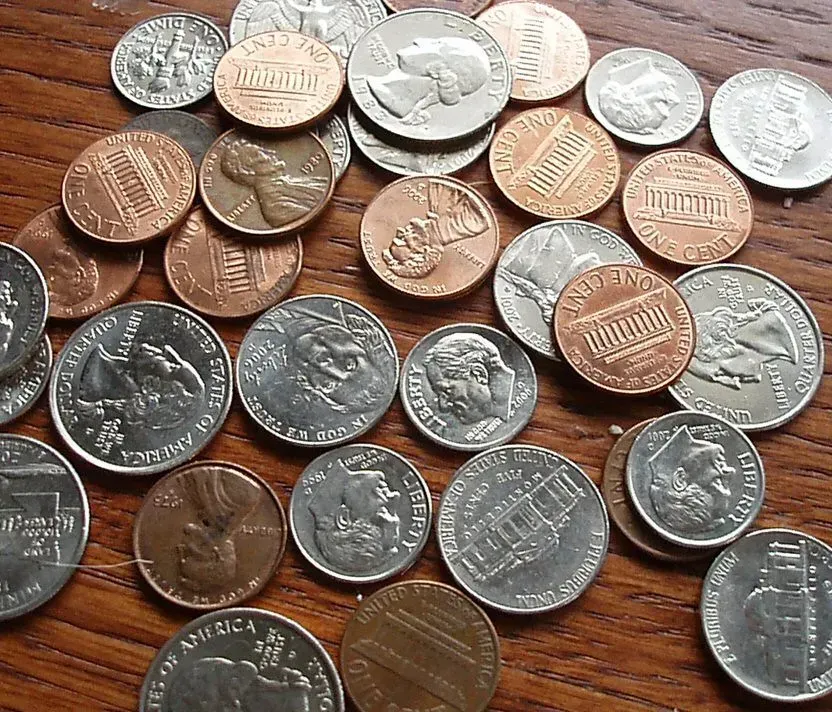
Keep Some as Collectibles or Keepsakes (Mary-Lynn, Flickr, <a href="https://creativecommons.org/licenses/by/2.0/" target="_blank" rel="noopener">CC BY 2.0</a>)
You might save a few, too. Choose a few years of note, a child’s birth year, your anniversary, the oldest penny you can find, and keep them. This isn’t just nostalgia. The final years of penny production carry a historical weight that future generations may well appreciate more than we do right now.
With no new pennies being minted, some people are choosing to hold onto their coins in case they become more collectible over time. While most pennies won’t dramatically increase in value, certain coins such as those with errors or unique mint marks may appeal to collectors. If you’re interested, exploring coin collecting can turn a pile of spare change into a fun and potentially rewarding hobby. Pre-1982 pennies are a particular case worth noting, since pennies made before 1982 are mostly copper and might be worth more than their face value.
Understand How Cash Rounding Will Work
Understand How Cash Rounding Will Work (Image Credits: Pexels)
Once pennies thin out of everyday circulation, cash transactions will be rounded to the nearest five cents. The system being recommended is symmetrical, meaning it doesn’t systematically favor retailers or consumers. A cash purchase of $19.82 would round down to $19.80, while a purchase of $19.83 would round up to $19.85.
Some studies suggest that the costs of rounding up may be offset by rounding down, leading to a negligible impact on consumers overall. Importantly, non-cash transactions, such as payments made by check, credit card, or debit card, continue being priced and processed to the exact cent. For most Americans who already pay digitally, the rounding change will be largely invisible in daily life.
Don't Worry About Inflation or Losing Value
Don't Worry About Inflation or Losing Value (Image Credits: Unsplash)
One concern that surfaces every time a coin disappears from circulation is whether prices will quietly creep upward. The evidence from countries that have already been through this suggests there’s little to fear. Broad economic forces like labor costs, supply chains, and interest rates drive inflation, not tiny rounding rules. Studies from Canada, Australia, and New Zealand found no relationship between inflation trends and the removal of a nation’s smallest coins.
Lower-income households are more cash dependent, but they shouldn’t be more impacted by the elimination of the penny. Since price rounding goes both ways, the overall result is neutral, even for cash transactions. SNAP/EBT transactions and other assistance programs like Social Security and unemployment insurance are electronic or involve direct deposit, and benefits would be unaffected when pennies are retired.
Know That Pennies Stay Legal Tender Indefinitely
Know That Pennies Stay Legal Tender Indefinitely (Image Credits: Pexels)
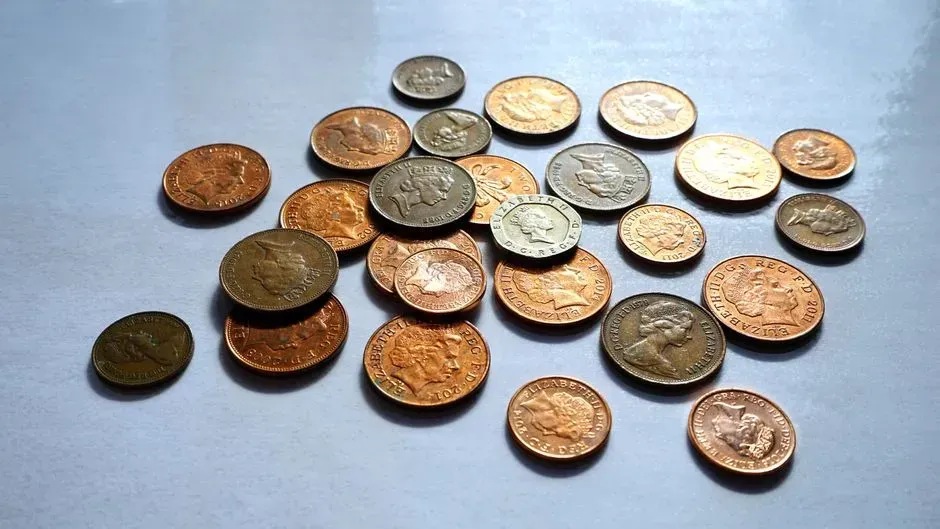
No one is going to reach into your pocket and declare your pennies worthless. The penny will remain legal tender, meaning it retains its status as an acceptable form of payment. There is no government recall program, no expiration date, and no pressure to hand them over by any particular deadline.
Existing pennies will not be taken out of circulation and will still be accepted by banks and businesses for an indefinite period. Only Congress has the authority to fully eliminate a form of currency. That means the timeline for when pennies actually vanish from everyday use is genuinely open-ended, shaped more by public behavior than by government decree.
Look to Other Countries for What Comes Next
Look to Other Countries for What Comes Next (Image Credits: Unsplash)
The United States is not charting unknown territory here. The U.S. isn’t the first country to stop making its smallest coin. Canada stopped making pennies in 2012, Australia eliminated one-cent and two-cent coins in 1992, and New Zealand discontinued its smallest coins between 1990 and 2006. These countries successfully implemented rounding for cash payments while keeping exact prices for electronic payments.
Consumers in those countries didn’t see a meaningful change in retail prices, so U.S. consumers shouldn’t either. The transition abroad was largely uneventful, and within a few years the missing coin was rarely discussed. The practical lesson is that economies adapt quickly, and the absence of a one-cent coin turns out to matter far less in daily commerce than most people initially assume.
What you decide to do with your pennies, whether you spend them, bank them, save one from a meaningful year, or drop them in a charity jar, is ultimately a small but real choice about how you want to close out a 233-year chapter in American monetary history. The coin is done being made. What you do with the ones you have is still entirely up to you.