
Somewhere around the mid-fifties, a marriage shifts in ways that are hard to fully anticipate. The children, if there were any, have likely moved out. Careers are winding down or already done. The noise and busyness that once filled the house – and the schedule – has thinned out considerably. What’s left is something more honest, more stripped back, and in some ways more demanding than any earlier chapter of the relationship.
Research consistently shows that marital quality matters more than marital status alone. Married individuals are healthier and live longer than those who are never married, divorced, or widowed – but not all marriages are equal, and unhappy marriages provide fewer of those benefits than happy ones. So the real question isn’t whether you’re still married at 55. It’s what kind of marriage you’re actually in.
Satisfaction Tends to Rise After the Hardest Years

Satisfaction Tends to Rise After the Hardest Years (Image Credits: Pexels)
One of the more quietly reassuring findings in relationship research is that marital satisfaction doesn't simply decline with age. Research shows that relationship satisfaction tends to decrease from age 20 to around age 40, but from that low point it typically increases until age 65 and stays relatively stable for another decade or so. That trajectory has real implications for couples who survive the pressured middle years.
Meta-analytic evidence suggests that relationship satisfaction decreases throughout the first ten years of marriage, increases between ten and twenty years, and then begins to decline again – a trajectory usually theorized as tied to the demands of raising children and the gradual relief once children become less reliant on parents. Couples who make it through that arc often find themselves in genuinely better shape than they were two decades earlier.
The Quality of the Relationship Outweighs Everything Else

The Quality of the Relationship Outweighs Everything Else (Image Credits: Pexels)
Compared to individuals who are "very happily" married, those who are "not too happy" in marriage are over twice as likely to report worse health and almost forty percent more likely to die over a follow-up period, even after controlling for socioeconomic, geographic, and religious factors. That gap is striking. It suggests the health benefits often attributed to marriage are really benefits of a good marriage.
One indication of why married people express higher subjective well-being is that the quality of their romantic relationship tends to be higher, according to Gallup research. The so-called marriage premium may not be stable over a lifetime, as it exhibits some fluctuation across age groups and appears to peak around ages 50 to 55. In other words, this particular life stage may actually be when the payoff from a strong marriage is most concentrated.
Communication Carries More Weight Than Conflict Does

Communication Carries More Weight Than Conflict Does (Image Credits: Pexels)
Disagreements don't disappear in later marriages. What changes is how couples tend to handle them. Older spouses are more likely to have a strong couple identity where they think and talk in relational terms – a communication pattern sometimes called "we-talk," shown when spouses use words like "we" rather than "you" or "me," reflecting that they are thinking about resolving conflict as a couple rather than as two separate individuals.
Research shows that a person's heart rate variability – a measure of cardiac flexibility – was higher and thus healthier when both spouses were satisfied and their partner used we-talk more often during conflict. That's a physiological signal, not just a psychological one. Partners skilled in conflict resolution experience greater relationship satisfaction, and effective communication and problem-solving have been identified as critical for sustaining intimacy and positive relational outcomes.
Retirement Is a Stress Test for the Marriage Itself
Retirement Is a Stress Test for the Marriage Itself (Image Credits: Unsplash)
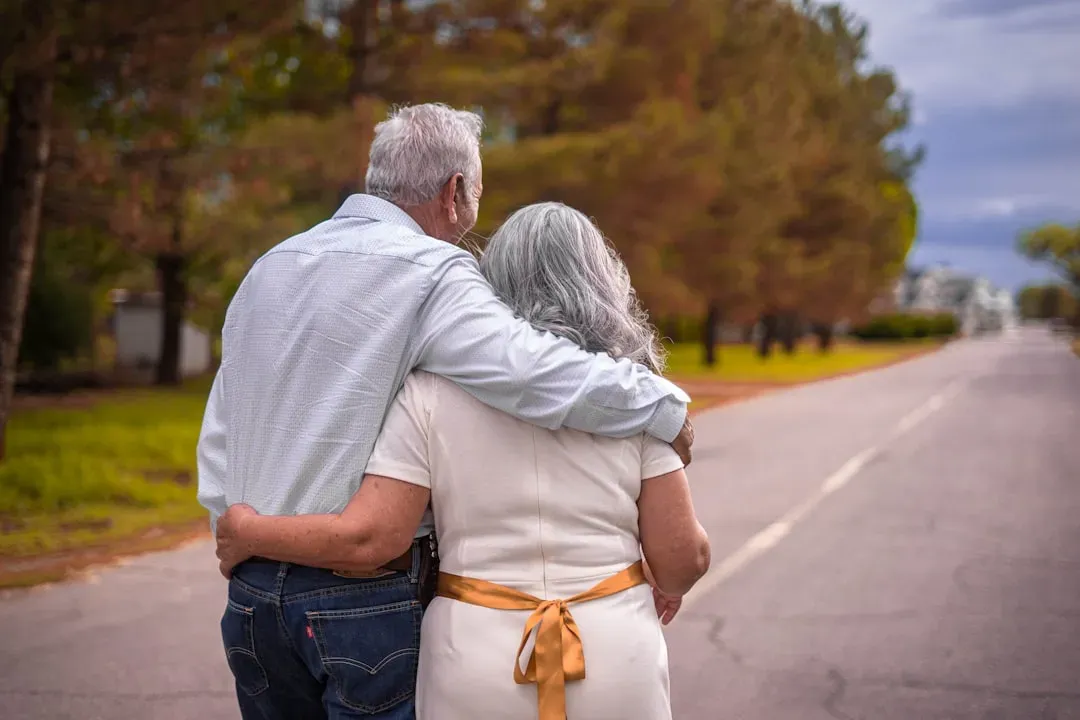
Retirement deserves its own honest discussion here, because it reshapes the daily structure of a marriage in ways many couples don't fully anticipate. Adjusting to the dynamics of retirement is a huge transition and can lead to conflict if partners have different perspectives on how they'll spend their time and how they'll manage finances. Suddenly sharing a home all day, every day, is a very different arrangement from the one that sustained the marriage for decades.
Financial stability is a key factor in predicting how well a couple will navigate retirement together, and those who are well-prepared financially avoid one of the most common marital stressors. Strong communication and conflict resolution skills built before retirement are predictors of greater satisfaction afterward. The habits couples develop over the long haul turn out to matter enormously once the external scaffolding of work and family schedules falls away.
Emotional Intimacy Becomes the Core Currency

Emotional Intimacy Becomes the Core Currency (Image Credits: Unsplash)
Physical intimacy evolves after 55, and couples who adapt tend to fare better than those who resist or ignore that evolution. Intimacy in later life requires patience, open communication, and creativity – emotional intimacy can be nurtured through quality shared experiences and affectionate touch beyond sexual activity, and exploring new ways to express love while staying attuned to each other's evolving needs keeps the relationship vibrant and connected.
Research shows that less-than-desired sexual activity is associated with greater loneliness, particularly among couples who view sex as an important part of life. That finding is worth noting not as a prescription but as a signal: what both partners feel about the intimate dimension of their relationship has ongoing significance. Daily expressions of affection and positive feelings play a unique role in enhancing intimacy within couples.
Collaborative Problem-Solving Defines Later Marriages

Collaborative Problem-Solving Defines Later Marriages (Image Credits: Unsplash)
Something shifts in how older couples approach everyday life together. Other marital contexts become more salient with age, such as collaborative problem-solving where spouses work together on everyday tasks, and this is more frequent and important in later adulthood as couples work together to compensate for declining abilities, prefer to work together, or simply spend more time together in retirement.
This kind of daily teamwork isn't glamorous, but it's deeply functional. Managing health appointments, financial decisions, household logistics, and social planning together builds a form of closeness that is less dependent on romantic intensity and more grounded in reliable partnership. Older adults have clear expectations when it comes to relationships, with factors like support, intimacy, proximity, and fun important across generations, while generativity and respect become more important with age.
Health Interdependence Grows Significantly With Age
Health Interdependence Grows Significantly With Age (Image Credits: Unsplash)
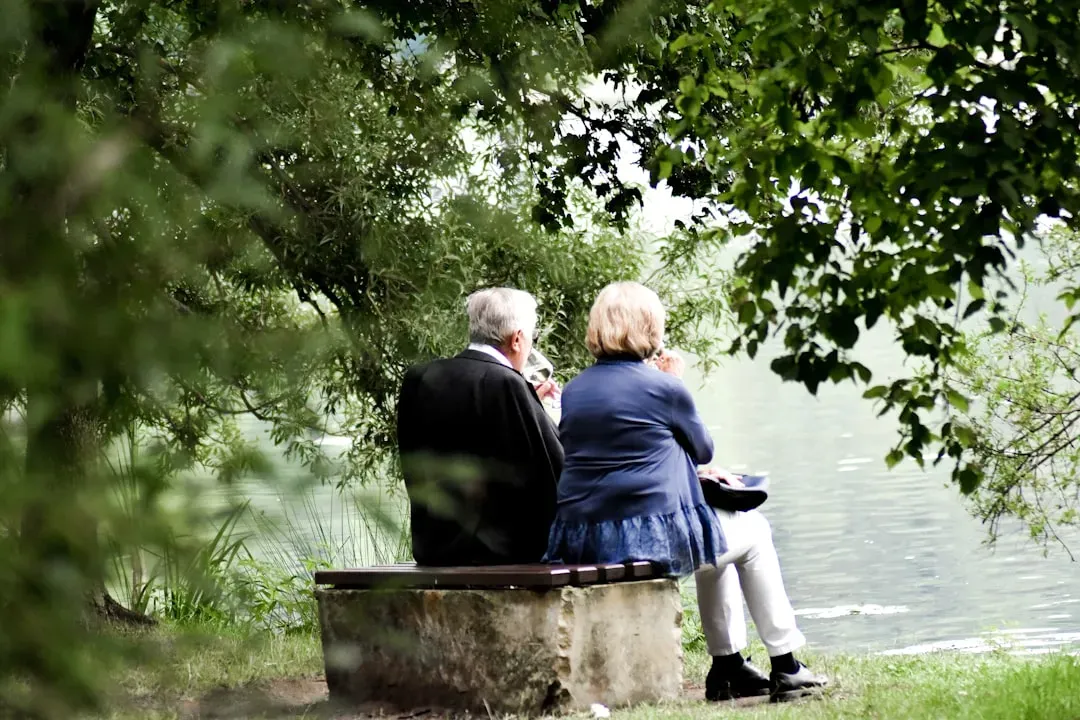
After 55, the health of one partner increasingly shapes the life of the other. Physical health is a strong determinant of how retirement goes, and committed couples may enter their later years with many goals and dreams only to find that one or both face life-constraining health problems. A strong marriage in this stage includes a realistic, open relationship with that possibility.
Marriage may be an important factor in maintaining physical capability in both England and the USA, particularly because of the greater wealth which married people have accrued by the time they reach older ages. The benefits from the support of a spouse – and so health differences between married and non-married people – might be potentially greater for older than for younger people, given the challenges and transitions associated with aging. Being someone's primary support person is a serious role, and marriages that handle it well tend to be ones where mutual care has already been practiced for years.
The "Marriage Premium" Is Real, But It Needs to Be Earned

The "Marriage Premium" Is Real, But It Needs to Be Earned (Image Credits: Pexels)
Gallup data from 2020 to 2023 shows that marital status is a stronger predictor of well-being for American adults than education, race, age, and gender. That's a sweeping finding, and it holds across demographic groups. The higher well-being of married adults relative to those who have never married can be found for men and women across all major racial and ethnic groups.
Still, the premium is conditional. Older couples may present higher marital satisfaction levels in part because unsatisfactory unions end in divorce. What that means practically is that many of the couples still together after 55 are genuinely committed, having made it through the culling that earlier decades tend to bring. While cultural narratives may paint marriage as outdated or complex, the reality is that most couples are happy, especially when they prioritize connection, attention, and mutual growth.
Mutual Respect Is Not Optional at This Stage

Mutual Respect Is Not Optional at This Stage (Image Credits: Unsplash)
Respect in long marriages can gradually become assumed rather than expressed, and that shift quietly erodes the relationship. Research on relationship expectations across age groups found that respect becomes one of the most distinctly important factors in older partnerships, more so than in younger ones. Generativity and respect are two factors that become increasingly important with age, alongside the more universal relationship needs of proximity, support, intimacy, and fun.
Individuals gauge their willingness to be vulnerable based on their perceptions of their partner's positive regard, which significantly influences intimacy levels. In concrete terms, how safe each person feels to express needs, fears, or disappointments shapes nearly everything else. A marriage where both partners feel genuinely seen and regarded – not just tolerated – is one that has the structural ingredients to stay strong well into the later decades of life.
Continuously Married Adults Show Better Aging Outcomes

Continuously Married Adults Show Better Aging Outcomes (Image Credits: Pexels)
Data from the Canadian Longitudinal Study on Aging shows that the prevalence of successful aging among continuously married adults is notably higher – roughly three quarters of both men and women in that group – compared to those who were never married, divorced, or widowed. That is a consistent pattern across multiple large studies, and it aligns with findings from the United States, the United Kingdom, and other research populations.
A longitudinal study of nearly a thousand participants found an association between slower biological aging and high-quality romantic relationships in both men and women, measured across multiple biomarkers including facial aging indicators. Marriage was also found to be associated with slower epigenetic aging. The word "quality" carries most of the weight in those findings. Duration alone isn't the differentiator. The character of the relationship is what appears to matter most.