
Walk into most home design accounts online and you'll see the same thing: sprawling living rooms with fireplaces, deep sectional sofas, and enough floor space to fit three reading nooks. It looks nice, but it has almost nothing to do with how most renters actually live. The average apartment in the United States sits somewhere between 900 and 1,050 square feet depending on which survey you check, and a huge share of that housing stock is studios and one bedrooms built for efficiency, not sprawl.
So what does coziness look like when your entire living space could fit inside someone else's primary bedroom? It turns out the answer has less to do with square footage and more to do with a handful of deliberate choices that anyone can make, regardless of lease size.
Rethinking what small actually means
Rethinking what small actually means (Image Credits: Unsplash)
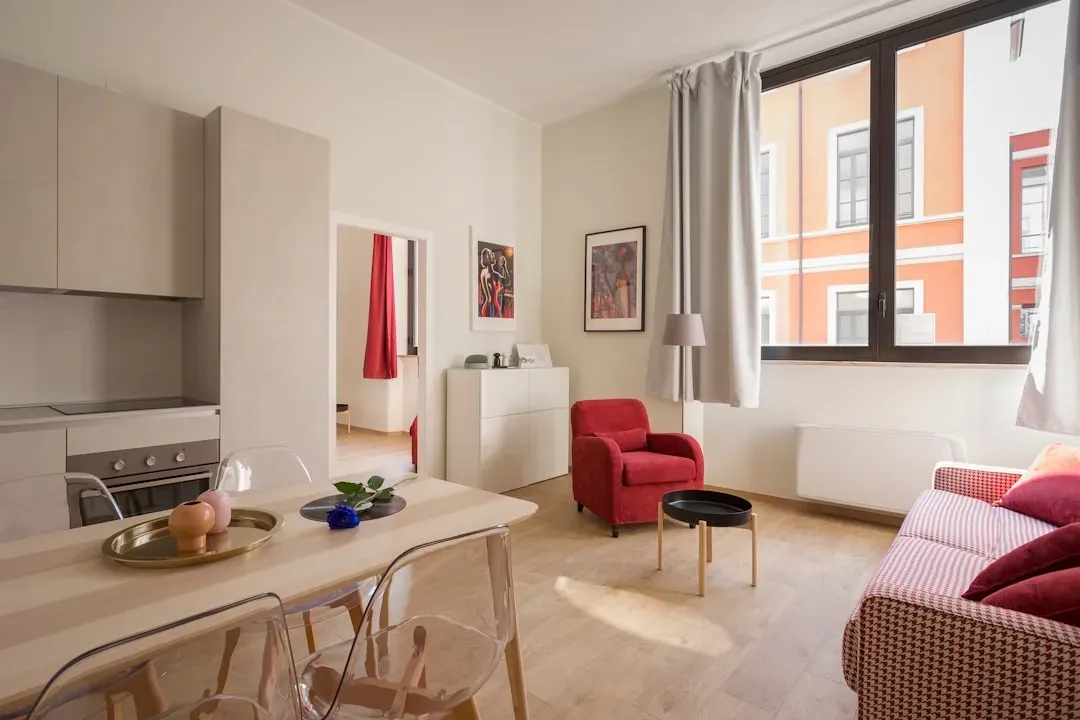
Before getting into specifics, it helps to look at the numbers honestly. Recent housing data shows the average size of a studio apartment is 440 square feet, whereas a one-bedroom apartment is 804 square feet on average nationally. That is not a lot of room, and in cities like San Francisco, units tend to run even smaller, with apartments in San Francisco averaging 562 square feet, some of the smallest in the U.S.
These numbers matter because they reframe the goal. Cozy living in a space this size isn't about recreating a farmhouse living room in miniature. It's about working with genuine constraints and making choices that actually fit the footprint you have, rather than importing ideas meant for houses three times the size.
Let light do the heavy lifting
Let light do the heavy lifting (Image Credits: Unsplash)
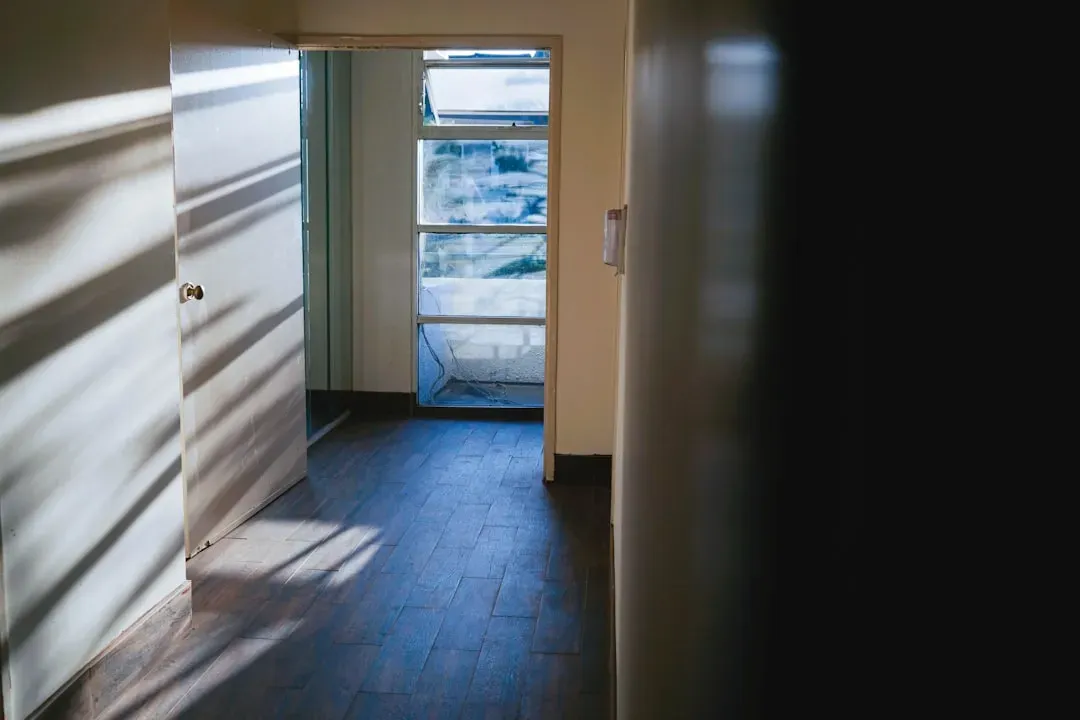
Small rooms feel smaller when they're dim, and they feel unexpectedly larger the moment daylight is allowed to do its job. This isn't just decorating folklore. Interior designers consistently point to natural light as one of the few variables that changes how spacious a room feels without moving a single wall.
Sheer curtains instead of blackout drapes, mirrors placed to bounce light across a room, and keeping windowsills clear of clutter all do more for a small apartment than another throw pillow ever could. The goal isn't to flood the space with brightness for its own sake. It's to let the room breathe during the day so that when evening comes, the switch to warmer, dimmer light actually feels like a shift in mood rather than just a different bulb.
Layer textures instead of adding more stuff

Layer textures instead of adding more stuff (Image Credits: Unsplash)
One of the most consistent pieces of advice from cozy-home experts has nothing to do with buying more furniture. It's about texture. As one design guide puts it, the simplest way to bring hygge into your home is through layers of texture, and hygge comes alive when you mix fabrics in ways that invite touch and create depth.
In a small apartment, this matters even more because there's less floor space to fill with objects. A wool throw over a linen sofa, a sheepskin draped across a single chair, a knit cushion against a smoother fabric, these combinations do the work that extra furniture pieces would otherwise be asked to do. Designers recommend restraint here too, suggesting you choose two or three complementary textures, and repeat them throughout your space rather than mixing everything at once.
Choose a calm, limited color palette
Choose a calm, limited color palette (Image Credits: Unsplash)
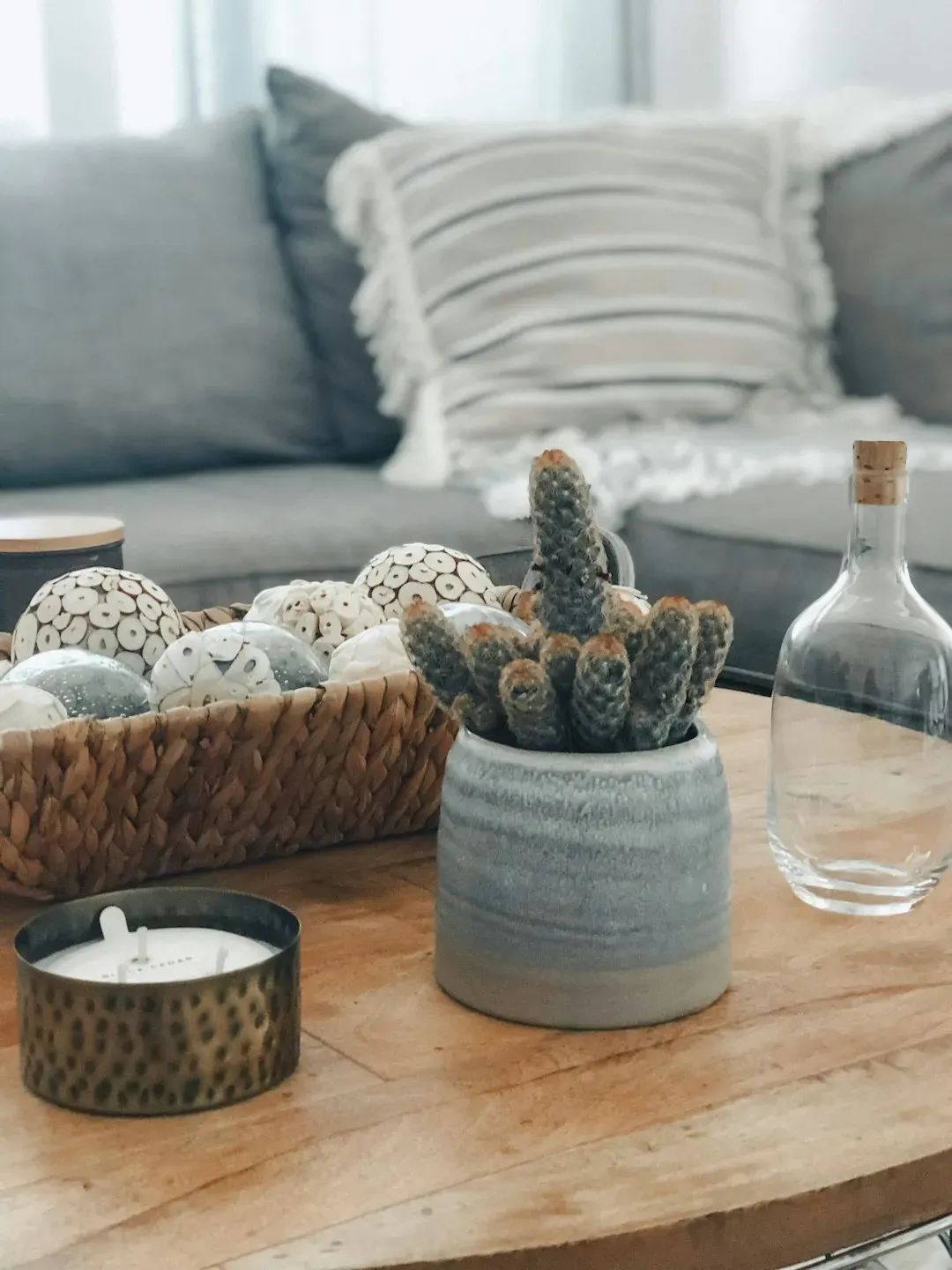
Color has an outsized effect in tight quarters. A wall of competing patterns and bold hues can make a nine hundred square foot apartment feel chaotic fast, while a tighter palette does the opposite. Design guides consistently point toward soft neutrals as the backbone, noting that a good approach is to maintain the calm in your cosy hygge living room with a soft, neutral colour palette, thinking natural shades of wood pared with calming shades of beige or off white.
That doesn't mean color is off limits entirely. Small accents of blue, green, or rust work well against a neutral base, since pops of colour certainly are not off the table but focus on naturally calming tones such a blue or green that will not disrupt the harmony. The trick in a small space is treating color like seasoning rather than the main course.
Furniture that works harder in less space
Furniture that works harder in less space (Image Credits: Unsplash)
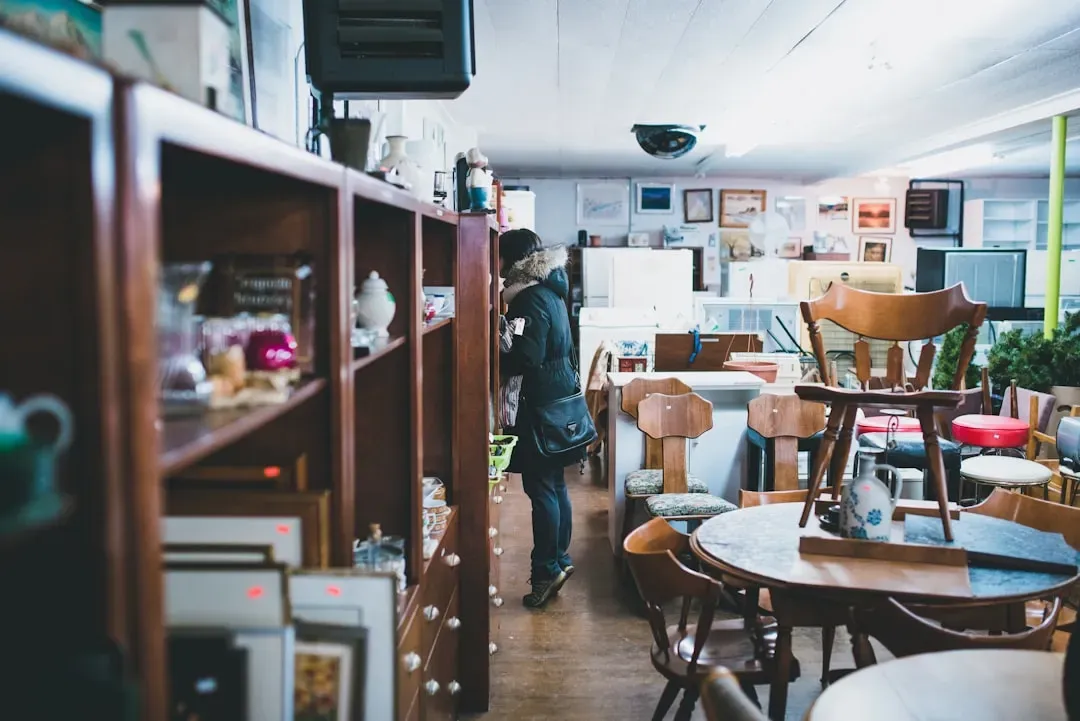
In a small apartment, every piece of furniture is doing double duty whether you planned it that way or not. A coffee table with storage underneath, a bench that opens up, a daybed that also seats guests, these choices free up floor space without sacrificing comfort. It's less about minimalism for its own sake and more about not letting furniture eat into the little room you have to move around in.
Scale matters just as much as function. A single oversized armchair with real presence can do more for a room than three mismatched smaller pieces crammed into the same corner. One design resource notes that a single, well-crafted chair with a curved back can be more impactful in hygge interior design than a room full of trendy decor, which is a useful reminder for anyone tempted to fill every empty corner just because it's empty.
Lighting that replaces the overhead glare
Lighting that replaces the overhead glare (Image Credits: Pexels)
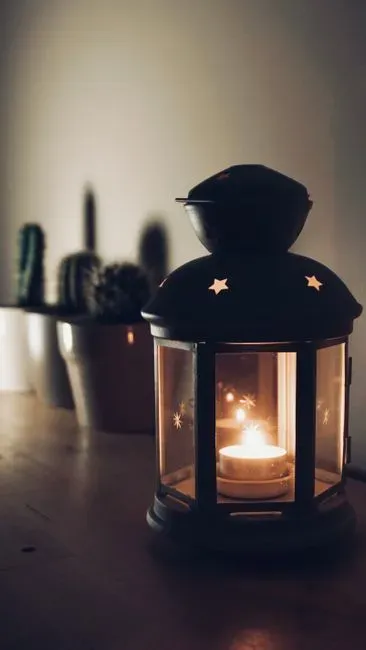
Almost every rental apartment comes with the same default: a single overhead fixture in the center of the ceiling, usually harsh and unflattering. Swapping that out, or at least supplementing it, changes a room more than most people expect. Design experts are blunt about this, noting that when it comes to hygge lighting, lighting can make or break the atmosphere, and fluorescent bulbs and harsh overhead lights are instantly out, with layered lighting using lamps, fairy lights, and lots of candles recommended instead.
This layering approach works particularly well in small apartments because you don't need many fixtures to make a real difference. A floor lamp in one corner, a small table lamp near the reading chair, and a candle or two on a shelf can transform a studio apartment's evening mood without any electrical work or landlord approval. The idea, as one design writer put it, is that the goal isn't brightness, it's atmosphere, and warm toned bulbs are especially grounding.
Carve out one cozy corner, even a tiny one
Carve out one cozy corner, even a tiny one (Image Credits: Unsplash)
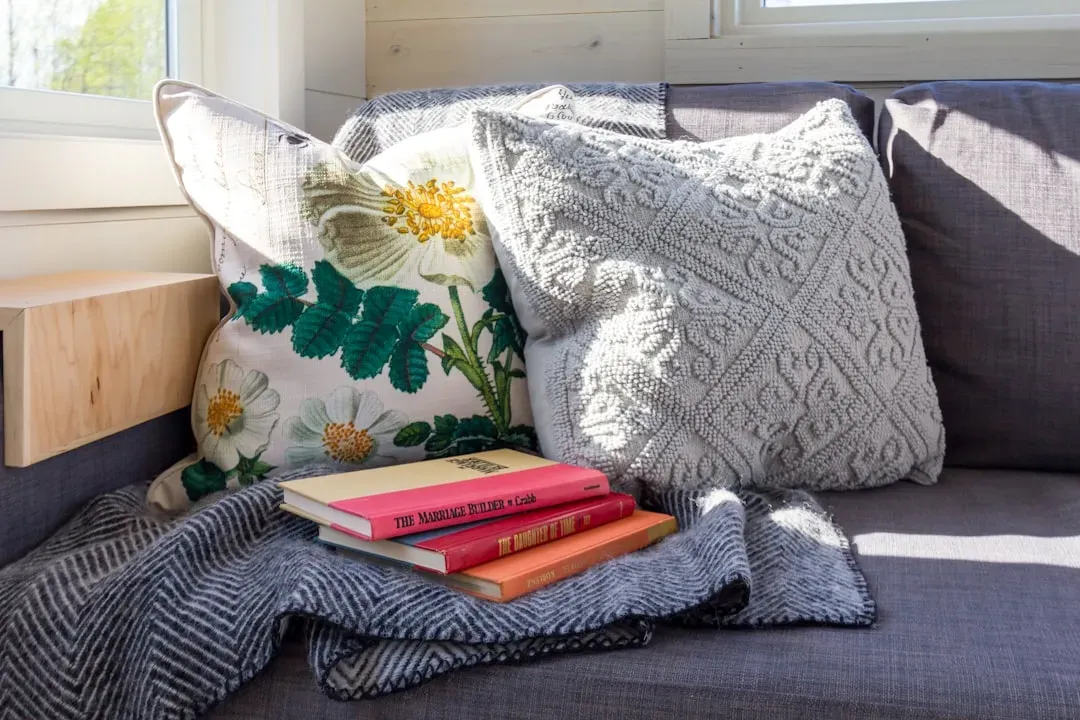
The Danish concept of a hyggekrog, essentially a cozy nook, offers a useful blueprint for small apartments specifically. As one interior designer explains it, the idea is to find a quiet corner by the window, under the stairs, or next to a spot that creates a feeling of privacy, even inside an otherwise open layout.
This matters more in small apartments than large houses, oddly enough, because there's a temptation to treat every square foot as multipurpose and none of it as restful. Claiming even a single chair and a small side table as an intentional retreat, somewhere with no work laptop allowed, does something psychological that furniture arrangement alone can't. For renters without a spare room to dedicate, this can be as simple as a windowsill bench or a reading chair angled away from the television.
Bring in natural materials and a little greenery

Bring in natural materials and a little greenery (Image Credits: Unsplash)
Wood, wool, linen, and ceramic all read as warmer than plastic, glass, or high-gloss finishes, and this becomes especially noticeable in compact spaces where every material choice is visible at a glance. Design guides tend to agree that natural materials do more heavy lifting than trendy decor pieces, since leather that softens, linen that wrinkles, and wood that gains patina contribute to a home that feels naturally lived in.
Plants play a similar role without requiring much floor space. A few pots on a windowsill or a trailing plant on a shelf bring in the kind of life that photographs of sterile, oversized rooms usually lack. This lines up with broader hygge guidance to bring the outside in with green pot plants and cut flowers as part of building warmth into a room.
Personal objects over trendy decor

Personal objects over trendy decor (Image Credits: Pexels)
It's tempting, especially with a small apartment, to chase whatever look is trending because it feels manageable to fully commit to one aesthetic in a limited space. The more durable approach, according to most design writers who've studied cozy interiors closely, is the opposite. Genuine coziness comes from books you love that may spark a conversation among guests, or a treasured object from family, bringing back nostalgic memories rather than items chosen purely for how they photograph.
This is arguably more important in a small apartment than a large house, since there's simply no room to hide decor that doesn't actually mean anything to you. Every shelf and surface is visible, so what you choose to put on it says more, for better or worse, than it would in a sprawling home with rooms nobody uses. A single meaningful object on a nightstand will always read warmer than a generic decor piece bought because it matched a color scheme.
Keeping the space calm rather than crowded
Keeping the space calm rather than crowded (Image Credits: Pexels)
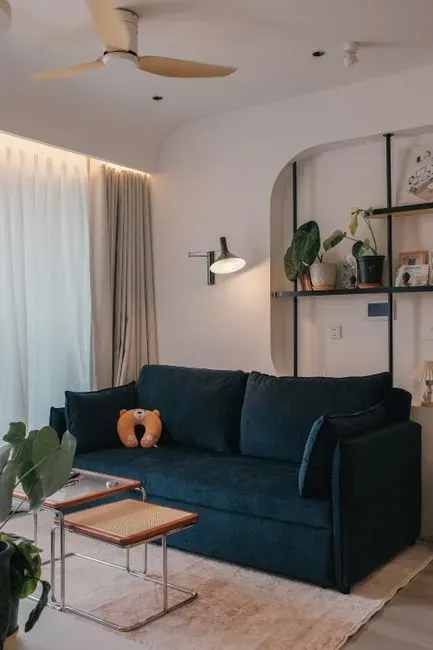
There's a real tension in small apartment living between wanting texture and warmth on one hand, and needing to avoid visual clutter on the other. Design experts are aware of this balance, cautioning that when decorating with rich textures it can be easy for the room to become overwhelming or cluttered, which is exactly the risk in a space with limited square footage to begin with.
The fix isn't fewer cozy elements, it's more intentional ones. Rotating a few decorative pieces seasonally, keeping surfaces mostly clear except for a handful of chosen objects, and resisting the urge to fill every visible gap all help a small apartment feel curated rather than crowded. Coziness, done well in a tight space, ends up looking like restraint applied with warmth rather than warmth applied without limits.