
Twelve months is a strange unit of time to measure a habit by. It is long enough for the initial motivation to fade, short enough that the results are still fresh in your memory, and just about the right stretch to test whether a system actually holds up once the excitement wears off. Automated savings tools promise something deceptively simple: set it up once, then let it run quietly in the background while your bank balance grows without daily willpower.
But what does that actually look like once the novelty is gone and a full year has passed? The answer involves more than just a bigger balance. It touches spending psychology, interest rates, hidden fees, and a few surprises that only show up after several months of consistent transfers.
The first few weeks reshape spending without you noticing
The first few weeks reshape spending without you noticing (Image Credits: Unsplash)
In the early days after setting up automatic transfers, most people barely feel a difference. A modest amount moves out of checking right after payday or gets skimmed off each purchase, and daily spending continues almost as before. Financial writers who cover this space often point out that research consistently shows automation boosts follow-through, since when saving happens in the background, you don't need to rely on willpower, and as a result you save more with less effort.
That small shift matters more than it sounds. Instead of deciding to save at the end of the month, when there is often nothing left, the money leaves before it can be spent. One 2026 industry overview described the logic behind this design choice bluntly: most people save what's left at the end of the month, which means they often save very little, so automated tools reverse that by putting savings into the budget before spending begins. By week three or four, the transfer simply feels normal, almost invisible.
Round-ups quietly turn spare change into real money
Round-ups quietly turn spare change into real money (Image Credits: Unsplash)
Round-up features are probably the most popular form of automated saving, and the mechanics are simple. Every purchase gets rounded to the nearest dollar, with the difference swept into savings. Over a full year, this genuinely adds up: the average American makes over 70 card transactions per month, and at an average round-up of fifty cents, that works out to about $420 saved annually from money you likely won't miss.
Other estimates land in a similar range. One savings-app comparison found that typical users save $300-600 annually with standard round-ups, depending on transaction frequency. A separate calculation using Federal Reserve spending data reached a slightly more conservative figure, noting that U.S. consumers average 31 card payments per month, and if those transactions average fifty cents in round-ups, that could add up to more than $186 per year. The gap between these numbers mostly comes down to how often someone swipes a card and how generous the rounding is.
High-yield accounts turn passive transfers into passive growth

High-yield accounts turn passive transfers into passive growth (Image Credits: Pexels)
One thing that changes the math significantly over a twelve-month period is where the automated money actually lands. Parking it in a standard savings account barely moves the needle, since the national average savings rate sits at roughly 0.40 percent, making high-yield accounts an effective way to grow savings without additional effort. By contrast, several banks in 2026 are offering meaningfully better terms.
As of early July 2026, high-yield savings accounts were offering rates around 4 percent APY or higher, with the highest available rates reaching 4.26 percent APY and some accounts offering up to 5.00 percent on limited balances. Over a full year, that difference between a near-zero account and a high-yield one can add up to real dollars on top of whatever gets automatically deposited. It is a rare case where doing almost nothing, aside from picking the right account, produces a noticeably better outcome.
Subscription cleanup often becomes an unplanned side effect

Subscription cleanup often becomes an unplanned side effect (Image Credits: Pexels)
Many people who start automating savings also end up trimming recurring charges, sometimes because the same app flags them, sometimes just from paying closer attention to their accounts. The scale of this shift has been notable. According to NerdWallet data cited in 2026 financial coverage, the average household dropped from 4.1 paid subscriptions in 2024 to just 2.8 in 2025, a steep 32 percent decline.
That freed-up cash does not automatically become savings on its own. It needs somewhere to go, which is exactly where automated transfers come in. As one analysis put it, cutting subscriptions frees up cash flow immediately, while automating transfers ensures that freed-up money actually reaches savings rather than disappearing into discretionary spending. Twelve months into an automated routine, this pairing tends to compound quietly in the background.
AI-driven apps learn spending patterns and adjust in real time
AI-driven apps learn spending patterns and adjust in real time (Image Credits: Pexels)
A newer generation of savings tools does more than move a fixed amount on a fixed schedule. Apps like Cleo and Rocket Money analyze cash flow first, then decide what to set aside. One review described the approach this way: the app's autosave feature analyzes your cash flow and sets aside amounts you genuinely won't miss.
The claimed results vary depending on the app and how it is used, but several sources point in the same direction. Bankrate's 2025 research on AI-powered finance tools noted that popular AI-powered tools like Cleo, Rocket Money and Hopper can save users an average of $80 to $500 annually. Rocket Money in particular has built a reputation around finding forgotten charges, since the app's AI hunts down subscriptions you've forgotten and cancels them for you, with most users discovering they're spending $50 to $100 monthly on services they never use.
Paycheck-based transfers behave differently than round-ups
Paycheck-based transfers behave differently than round-ups (Image Credits: Unsplash)
Not every automated system relies on spare change. A large share of people instead set a fixed percentage or dollar amount to move automatically right after each paycheck lands. This approach tends to produce steadier, more predictable growth over a year because it is not tied to how much someone happens to spend.
The reasoning behind this method is fairly straightforward from a behavioral standpoint. Financial commentary on the strategy explains that setting up recurring transfers from checking to a dedicated savings account removes the temptation to spend money before you save it, and by automating transfers shortly after each paycheck, you treat savings like a non-negotiable bill rather than something left over at month's end, which works because it removes the decision-making burden and builds momentum through consistency. After a year, this consistency is usually what separates people who saved a meaningful amount from those who only saved sporadically.
The psychological payoff can matter as much as the dollar amount
The psychological payoff can matter as much as the dollar amount (Image Credits: Pexels)
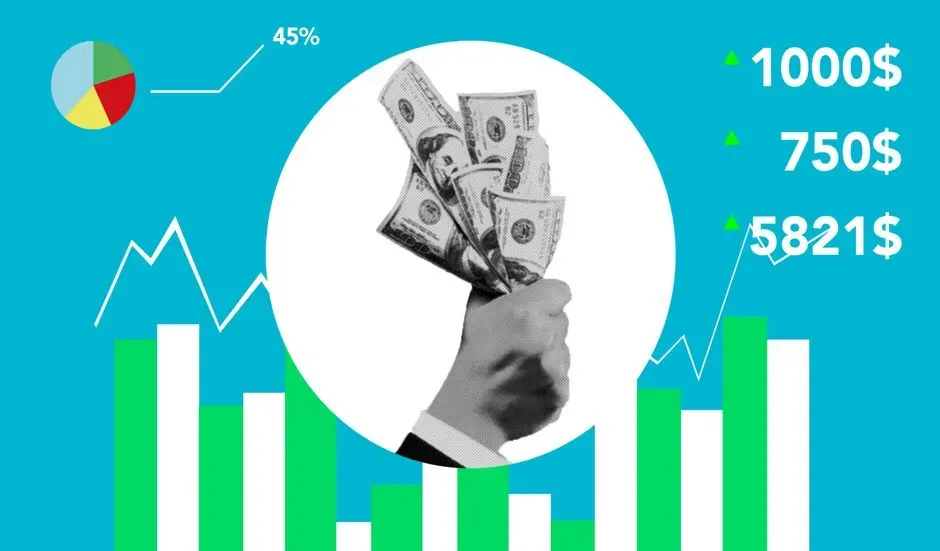
Somewhere around the six or seven month mark, a lot of people notice a shift that has nothing to do with the actual balance. Watching a savings goal tick upward, even slowly, tends to change how secure someone feels day to day. Research on this exact effect has found something counterintuitive: it is not necessarily the size of the pot that predicts satisfaction.
A study referenced in coverage of savings apps found that the habit of regular saving, regardless of the amount, has a stronger link to high life satisfaction than the size of the pot itself, tied to the sense of progression. That helps explain why round-up apps, which often move only pennies at a time, still generate loyal users. The habit itself, not just the total, seems to be doing a lot of the psychological work.
Fees and low-interest traps can quietly eat into results
Fees and low-interest traps can quietly eat into results (Image Credits: Pexels)
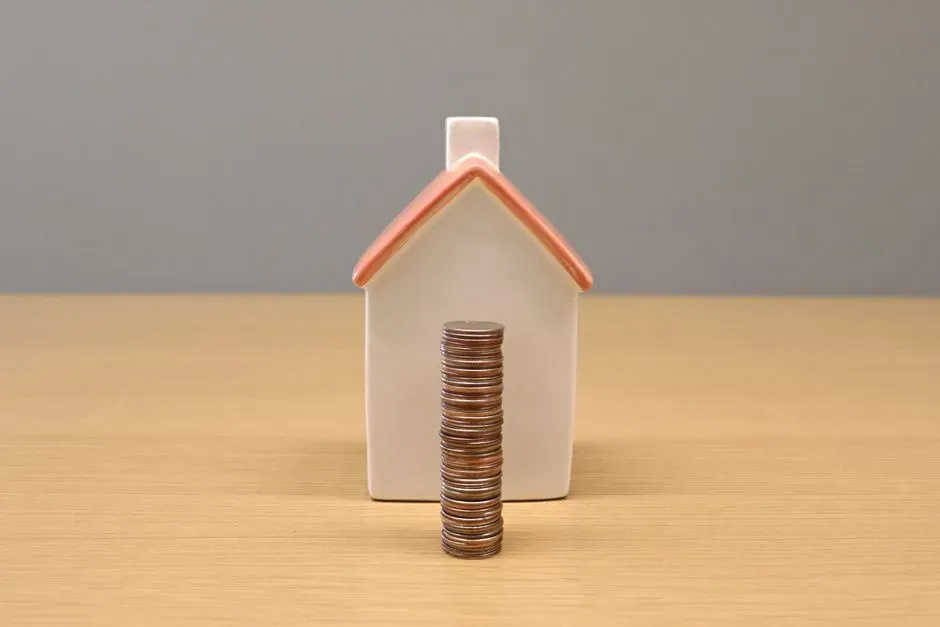
Not everything about a year of automation is straightforward gain. Several apps charge monthly subscription fees, and if the balance sitting in the linked account stays small, those fees can take a disproportionate bite. One breakdown of the math put it plainly, noting that a modest monthly charge on a low balance can equal a percentage in the high single digits annually, whereas the same fee becomes nearly irrelevant once the balance grows into the thousands.
There is a second, quieter problem worth watching for as well. Some round-up pots simply do not pay much interest, and one review flagged that round-up saving can create a low interest trap, because many round-up pots pay negligible interest, which is profitable for the apps but not for the saver. The fix, increasingly common in 2026, is a sweep feature that periodically moves accumulated round-ups into a proper high-yield account.
What a full year of automation adds up to in real numbers
What a full year of automation adds up to in real numbers (Image Credits: Pexels)
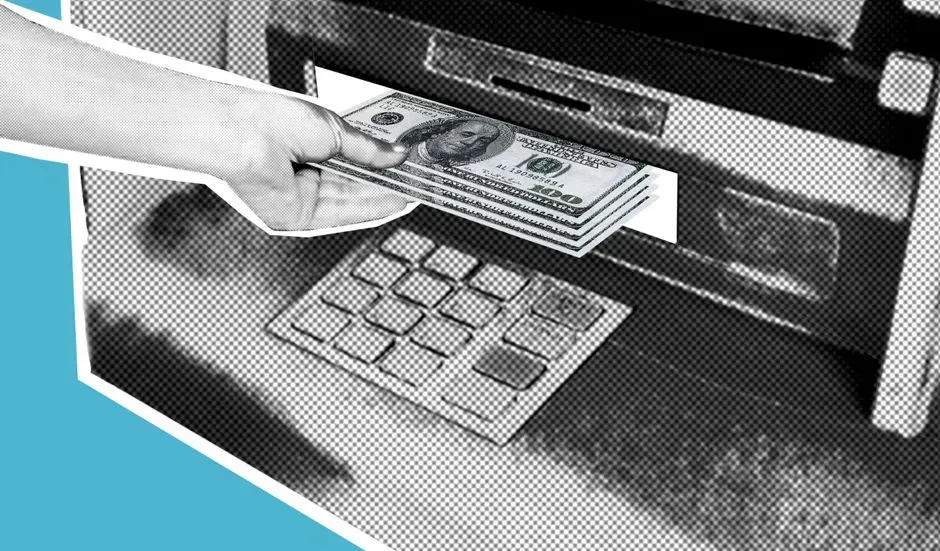
Stacking these different automated methods together over twelve months gives a rough sense of what is achievable. Round-ups alone can land anywhere from under two hundred dollars to several hundred dollars depending on spending frequency, as the earlier estimates showed. Paycheck-based percentage transfers tend to produce larger totals since they are not capped by daily purchase volume, and combining them with a high-yield account adds a modest but real interest bonus on top.
Some premium tools claim considerably higher outcomes for users who commit fully to the system, with one round-up and rules-based app stating that the service claims to help Premier users save an average of $5,000 per year. That figure reflects a paid tier with more aggressive rules layered on top of basic round-ups, not the baseline experience most casual users see. The realistic range for someone using free or low-cost automation tools consistently for a year sits closer to a few hundred to just over a thousand dollars, depending heavily on income, spending habits, and which features get switched on.
Automation alone rarely replaces a full financial plan
Automation alone rarely replaces a full financial plan (Image Credits: Unsplash)
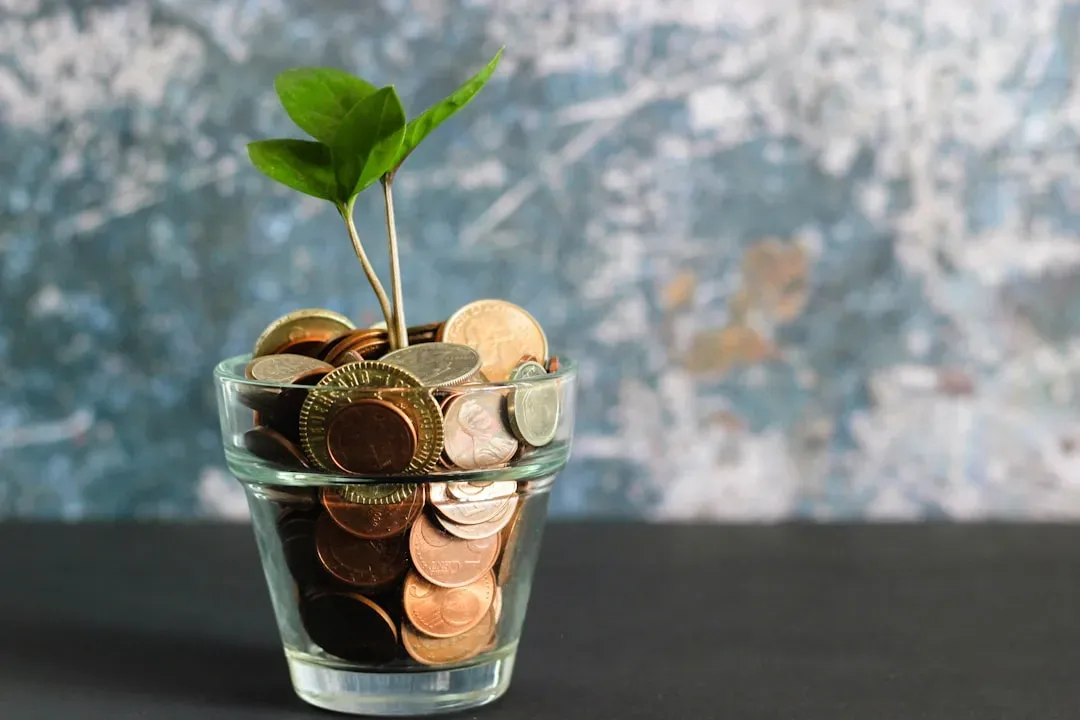
After a year of hands-off saving, it becomes clear that automation is a strong foundation rather than a complete strategy on its own. It builds consistency and removes friction, but it does not address larger structural issues like income gaps or high fixed expenses. One UK-focused review made this point directly, noting that rising round-up use does not make up for structural problems like lower incomes and high spending, since round-up savings help but are not enough on their own.
This does not diminish what automation accomplishes. It simply places it correctly, as one useful layer among several. Pairing automatic transfers with occasional manual check-ins, a look at fees, and a periodic review of whether the savings account still offers a competitive rate tends to produce the best results over time.
Final thoughts
Final thoughts (Image Credits: Pexels)
A year of automated saving rarely feels dramatic while it is happening. The transfers are small, the app notifications are easy to ignore, and the balance grows in increments too tiny to notice day to day. Yet look back after twelve months and the pattern becomes obvious: consistency, not intensity, did most of the work.
The tools have gotten smarter, the interest rates on offer have gotten better, and the behavioral case for automating savings keeps holding up in study after study. Whether someone ends the year with two hundred dollars or two thousand, the more durable outcome is usually the habit itself, quietly running in the background, waiting to be built on for another year.