
There's a particular kind of quiet that settles in around a certain birthday, somewhere after thirty-five, when the wedding invitations slow down and the baby shower registries start looking a little different. It's not sadness exactly, and it's not relief either. It's more like standing in a room where everyone else got the memo about the next chapter, and you're still figuring out your own timeline, on your own terms, in a culture that hasn't quite decided what to do with people like you.
This isn't a story about being unlucky in love or waiting for a soulmate who never showed up. It's about the specific, often unspoken realities of navigating your late thirties without a partner, the parts nobody warns you about because they don't fit neatly into either the "tragic spinster" or "empowered bachelorette" narratives that pop culture keeps recycling.
The dating pool actually does get smaller, and the numbers prove it
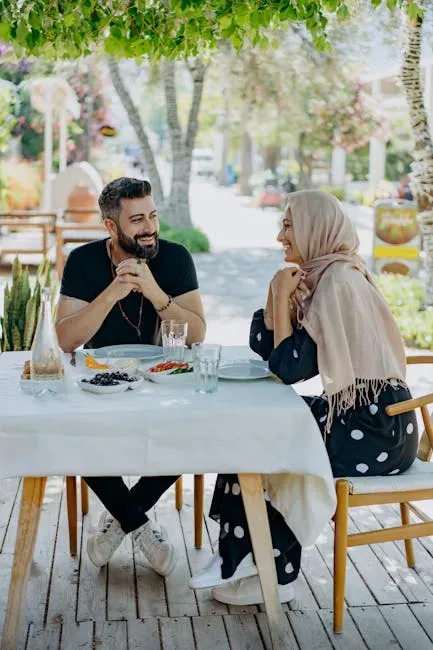
The dating pool actually does get smaller, and the numbers prove it (Image Credits: Pexels)
It’s not just a feeling. The median age at first marriage in the United States has climbed steadily for years, reaching an increase of 2.8 years for males (to 30.8) and 2.6 years for females (to 28.8) between 2008 and 2024. That means a large share of your peers married off in their late twenties or early thirties, well before you hit your late thirties still looking.
What’s less discussed is how the remaining pool skews by gender. Pew Research Center data shows that 86% of adults 18 to 24 are unpartnered, compared with 42% of 25- to 39-year-olds and 29% of 40- to 54-year-olds. Even more telling, women are more likely than men to be unpartnered overall (44% vs. 40%), though the pattern flips by age, since men younger than 40 are more likely than women in this age group to be unpartnered, but among those 40 and older, women are more likely to be unpartnered. In other words, the dynamics shift right around the decade you’re in.
Everyone assumes you're "too picky," but the data tells a different story

Everyone assumes you're "too picky," but the data tells a different story (Image Credits: Pexels)
The picky narrative is everywhere, yet it doesn’t hold up well under scrutiny. Pew’s research on single adults found that of the half who are not looking for a relationship or dates at the moment, having more important priorities and enjoying being single are their top reasons why they are not looking to date. That’s a far cry from the stereotype of someone rejecting every match out of unrealistic standards.
There’s also a persistent myth that singles have simply given up on romance altogether. According to the 2025 Match “Singles in America” survey, 46% of single people surveyed are ready for a long-term relationship, and 73% of singles surveyed say they believe romantic love can last forever. Only a small fraction, 8% believe that being single is socially frowned upon, suggesting the judgment people feel often comes from family dinners rather than from singles themselves.
Fertility becomes a topic of public conversation, invited or not

Fertility becomes a topic of public conversation, invited or not (Image Credits: Pixabay)
For women especially, the late thirties bring a subject that used to feel private into very public territory. Clinical data shows that by your mid-30s, the ovarian reserve begins to decline more rapidly, and after age 37, both egg quantity and quality decrease significantly. It’s a biological fact, but it gets weaponized in conversation more often than it gets discussed with actual nuance.
What’s changed recently is how many women are responding to that timeline proactively. The average age for freezing eggs has actually dropped, declining from 36.0 years in 2014 to 34.9 years in 2021, as more people plan ahead rather than react in a panic. Meanwhile, the broader trend in first-time motherhood keeps shifting later, with the average age at first birth having risen from 19 years old in 1984 to 30 years old in 2021, meaning the late thirties are no longer the fertility cliff they were once portrayed as, even if the biology hasn’t changed.
Your friend group quietly rearranges itself

Your friend group quietly rearranges itself (Image Credits: Unsplash)
Nobody tells you that friendships take on a different shape once most of your circle is married with kids. It’s not dramatic, it’s just a slow drift, less spontaneous plans, more scheduling around nap times. This coincides with a broader national shift, since the share of U.S. adults living alone has gone from about 13% in 1960 to about 28% in 2025.
The friendship landscape overall has also thinned out for everyone, not just singles. Research indicates roughly 1 in 5 American adults reports having no close friends, a share that has approximately doubled since the early 1990s. For single people in their late thirties, that means the effort to build and maintain a social circle often falls more heavily on them, since there’s no built-in partner to share holidays or weekend plans with by default.
Money conversations get more layered than people expect

Money conversations get more layered than people expect (Image Credits: Gallery Image)
There’s an assumption that being single at this age means struggling financially, but the reality is more mixed. Research cited by Pew found that in 2022, single women without children had a median wealth of $87,200, a figure that surprises people who assume singlehood automatically means financial precarity.
Still, there’s a real gap worth acknowledging. A 2023 Federal Reserve survey referenced by Pew found that 64% of single adults said they were doing at least okay financially, compared with 77% of partnered adults. Dating itself isn’t cheap either, with the average single person spending $213 per month on dating, with active daters spending over $300 per month, a cost that adds up when you’re paying it solo year after year.
Family gatherings come with a familiar, sometimes exhausting script
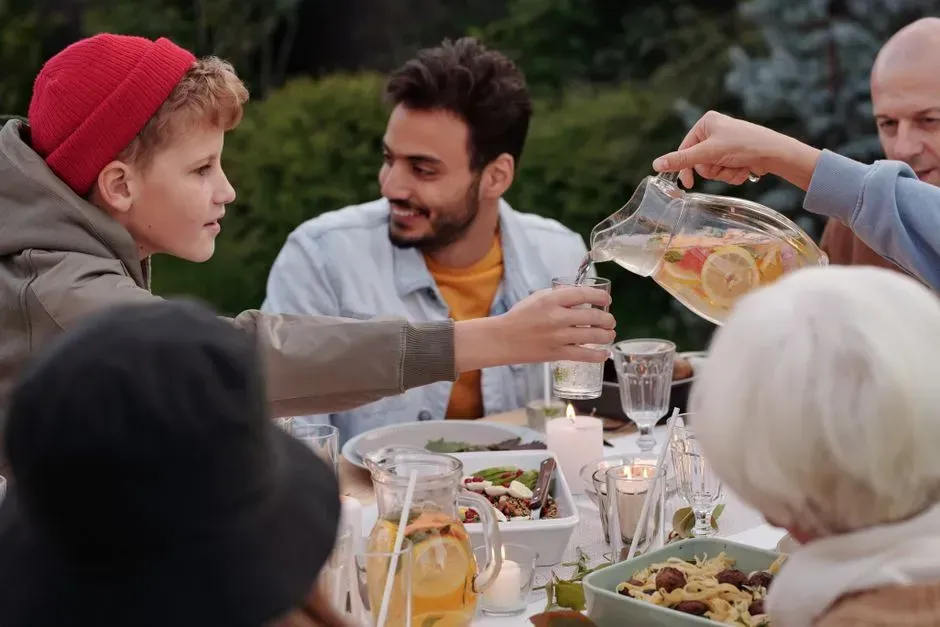
Family gatherings come with a familiar, sometimes exhausting script (Image Credits: Pexels)
If you’ve been single in your late thirties for any stretch of time, you already know the holiday dinner routine. The questions rarely evolve, even as the answers get more nuanced, and there’s rarely space at the table for “I’m actually doing fine, thanks” without a follow-up question.
Part of this comes from generational expectations baked into how marriage itself is discussed nationally. Even though there is no rush to the altar these days, and people are taking more time, thinking things through, and choosing marriage when it feels right for them, that cultural shift hasn’t fully trickled down to every family gathering. Older relatives, who married at 22 or 23 themselves, are often working from a completely different social template.
Dating apps stop feeling like a numbers game and start feeling like a filter
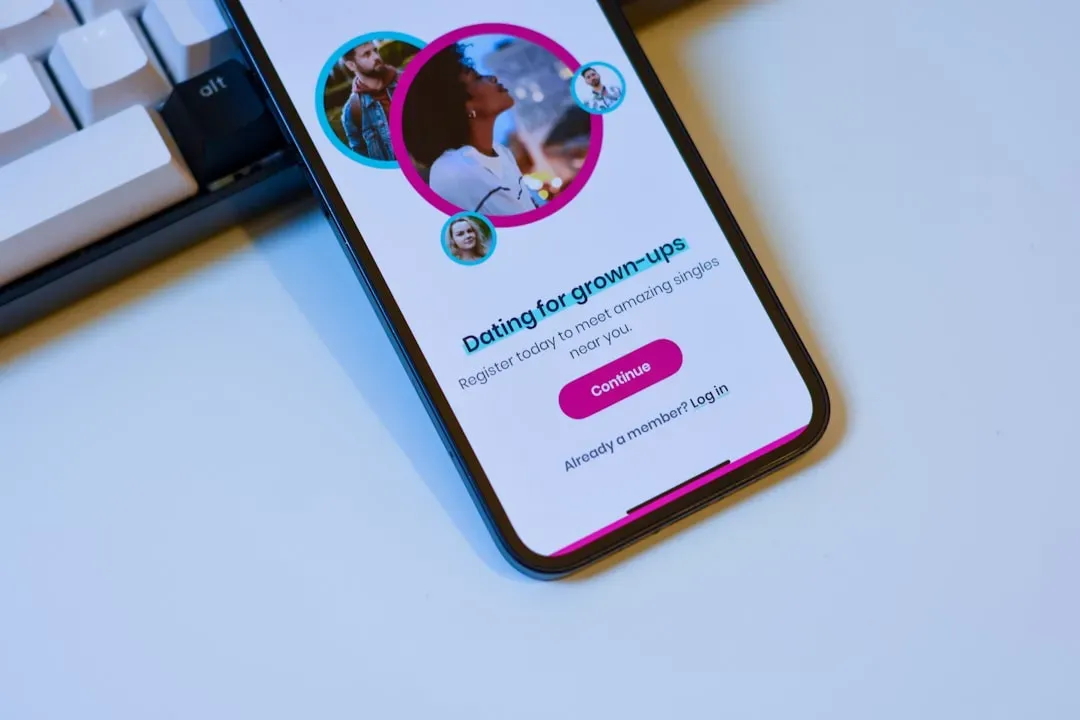
Dating apps stop feeling like a numbers game and start feeling like a filter (Image Credits: Unsplash)
In your twenties, dating apps can feel like an endless scroll of possibility. By your late thirties, the experience shifts, partly because fewer people your age are actively using them. Pew found that roughly half (53%) of adults under 50 who are single and looking have used an online dating platform recently, compared with about a quarter (26%) of single-and-looking adults 50 and older, which suggests the late thirties sit right at the edge of that decline.
There’s also a broader sense that dating itself has gotten harder, not just slower. A 2024 study found that nearly all respondents, including 91% of men and 94% of women, say they think the current dating environment is more difficult than ever. For someone in their late thirties, that difficulty often looks less like rejection and more like fatigue, the sense of having done this dance for two decades already.
Loneliness is a real risk, but it isn't a guaranteed outcome

Loneliness is a real risk, but it isn't a guaranteed outcome (Image Credits: Unsplash)
It would be dishonest to pretend loneliness isn’t part of this conversation. Pew’s 2024 survey on social connection found that about one-in-six Americans (16%) say they feel lonely or isolated from those around them all or most of the time, and unmarried adults show up disproportionately in that group, since adults with some college or less education, those with lower incomes and those who are not married are among the most likely to say they feel lonely all or most of the time.
That said, loneliness and being single aren’t the same thing, and plenty of research pushes back on the idea that they’re interchangeable. Marriage rates have actually ticked up slightly in recent years, with the share of adults who were married increasing from 50% to 51% from 2019 to 2023, showing that partnership status shifts constantly and isn’t a fixed identity anyone gets permanently assigned.
There are quiet advantages that rarely make it into the conversation

There are quiet advantages that rarely make it into the conversation (Image Credits: Pexels)
Financial independence is one of them. That $87,200 median wealth figure for single women without children isn’t an accident, it reflects years of decisions made without needing to compromise on spending, saving, or career moves for a partner’s sake. Divorce rates have also fallen to historic lows, with a record-low 1.4% of married adults getting divorced in 2023, a reminder that marriage itself carries its own risks that singles simply don’t have to navigate.
There’s also something to be said for timing on your own terms. As one industry summary on marriage trends put it, many people do not feel rushed anymore, and readiness means different things to different people, whether that’s emotional maturity, financial independence, or just knowing yourself better. Being single in your late thirties, stripped of the cultural noise around it, often just means you haven’t found a reason good enough to change something that’s already working reasonably well.
A quieter kind of clarity

A quieter kind of clarity (Image Credits: Pexels)
Being single in your late thirties isn't the cautionary tale it's often made out to be, nor is it the effortless independence some corners of the internet like to sell. It's a mix of real trade-offs, smaller dating pools, occasional loneliness, blunt family questions, alongside real advantages that rarely get airtime, financial steadiness, deeper self-knowledge, and relationships built on choice rather than obligation. The data suggests this life stage is becoming less unusual by the year, not more, which means the script everyone assumes you're failing to follow might just be outdated.