
Somewhere around the third decade, dating stops feeling like an extracurricular activity and starts feeling like a second job, complete with its own vocabulary, fatigue, and unspoken rules nobody hands you a manual for. The people who talk openly about it tend to focus on the highlight reel or the horror stories, skipping over the strange middle ground where most of us actually live. This is the part that rarely gets said out loud, the stuff you only notice once you’re standing in it.
You're Not Behind, Even Though It Feels That Way
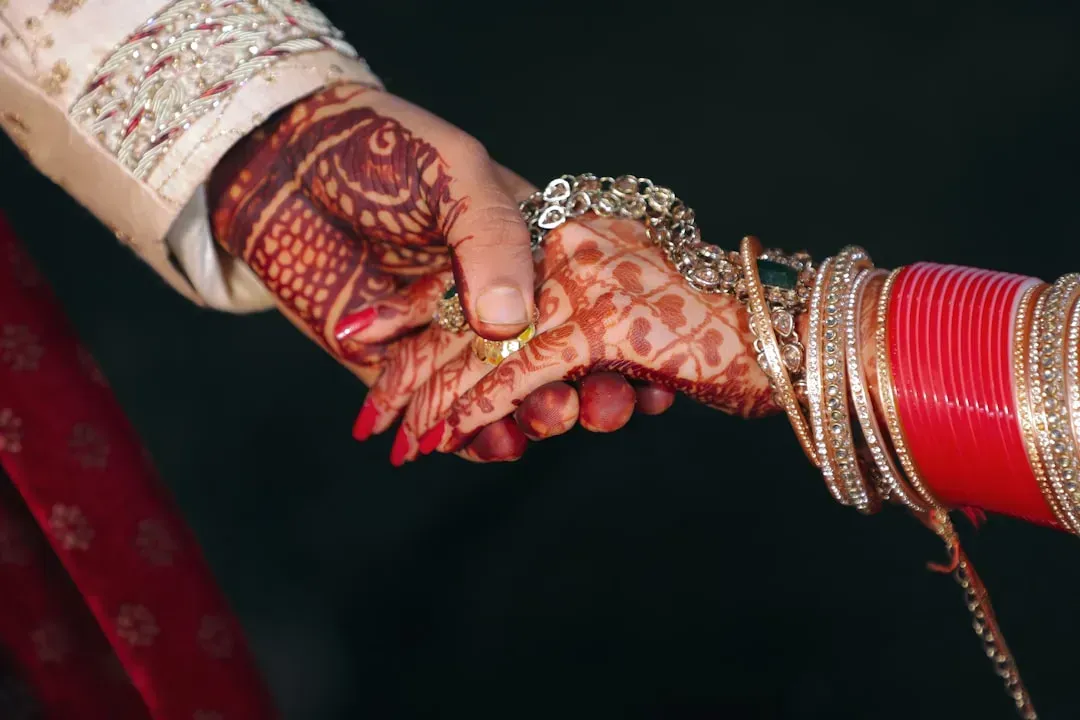
You're Not Behind, Even Though It Feels That Way (Image Credits: Unsplash)
The cultural script says you should be settled by 30, yet the actual numbers tell a different story entirely. The estimated median age at first marriage increased to 30.8 for men and 28.4 for women, up from ages 23.5 and 21.1, respectively, in 1975. That’s not a fringe trend, it’s the new baseline.
As of 2024, the average age of first marriage in the United States is 30.2 years for men and 28.6 years for women, according to the U.S. Census Bureau, the highest recorded average in U.S. history. Being single or newly dating at 32 or 35 isn’t some anomaly you need to explain to relatives at dinner. It’s simply where most people your age actually are, whether they broadcast it or not.
The Apps Work Differently Once You're Past 29
The Apps Work Differently Once You're Past 29 (Image Credits: Pixabay)
Dating apps aren’t a monolith, and the experience shifts noticeably depending on which side of 30 you’re standing on. About half of those under 30 (53%) report having ever used a dating site or app, compared with 37% of those ages 30 to 49, 20% of those 50 to 64 and 13% of those 65 and older. So the pool is smaller, but it’s also arguably more intentional.
The platform preferences change too. Adults 30 to 49 and 50 to 64 are roughly twice as likely as older or younger adults to say they have ever used Match. There’s also a financial pattern worth noticing: users 30 and older are more likely to have ever paid for these sites or apps, with roughly four-in-ten (41%) of those 30 and older having paid to use one, compared with 22% of those under 30. People past 30 tend to treat dating apps less like a game and more like a tool they’re willing to invest in.
Burnout Is Real, and It Doesn't Discriminate by Age

Burnout Is Real, and It Doesn't Discriminate by Age (Image Credits: Unsplash)
If you feel exhausted by swiping, you’re far from alone, and it isn’t just a twenty-something problem. Dating app burnout, defined as feeling emotionally, mentally or physically exhausted by dating apps, has been experienced by 78% of respondents, and for Gen X and Baby Boomers, the rate is 77% and 69% respectively. That’s a striking number for a generation often assumed to be past the swiping grind.
Part of what fuels it is the emotional whiplash of hope followed by disappointment, over and over. Pew Research found that among people who had used dating apps in the past year, the vast majority, around 88% of men and 90% of women, said they often or sometimes felt disappointed by people they encountered through apps. Knowing that almost everyone feels this way doesn’t fix it, but it does make it easier to stop taking it so personally.
Meeting Someone Offline Still Happens More Than You'd Think
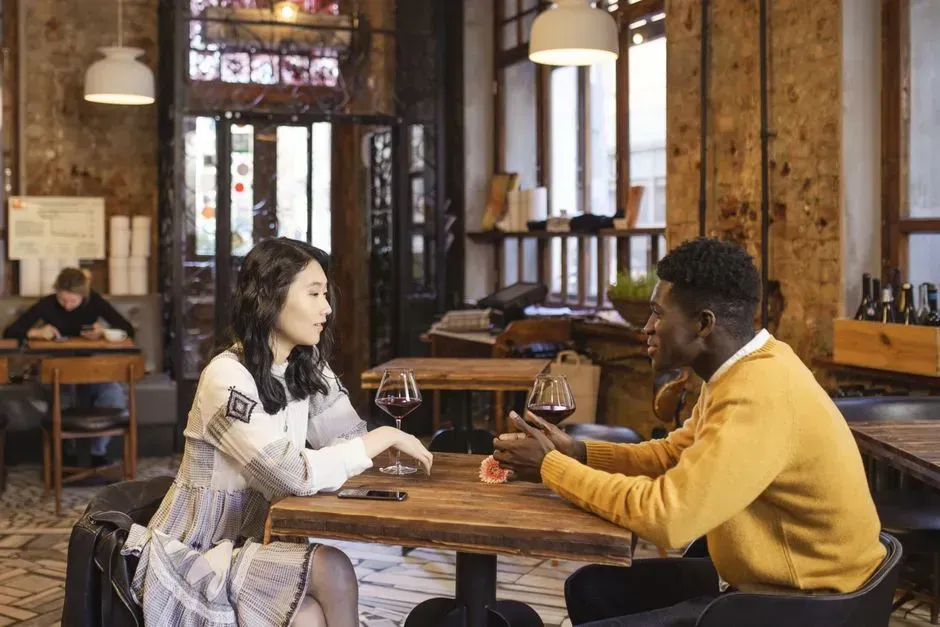
Meeting Someone Offline Still Happens More Than You'd Think (Image Credits: Pexels)
Despite how dominant apps feel in daily life, the majority of relationships still don’t start there. The majority of people still meet their significant other in person, such as at work, school, places of worship, or other social settings. The apps get the attention because they’re loud and constant, but they’re not actually where most connections originate.
Even among people who do use them, the numbers are more modest than the cultural obsession suggests. One-in-ten partnered adults, meaning those who are married, living with a partner or in a committed romantic relationship, met their current significant other through a dating site or app. That leaves a lot of room for the coworker, the mutual friend’s barbecue, or the recurring face at your gym to still matter.
Your Standards Probably Have Changed, and That's Not a Flaw
Your Standards Probably Have Changed, and That's Not a Flaw (Image Credits: Unsplash)
People in their 30s often approach dating with different priorities than they did a decade earlier, and the data backs this up. Among those who have used an online dating site or app, 41% were generally looking for a serious relationship only, and users aged 18-29 are less likely than those aged 30 or over to say they were generally looking only for a serious relationship. There’s a practical clarity that tends to arrive with age, a sense of knowing what you actually want instead of just seeing what happens.
This isn’t about becoming rigid or unromantic. 2025 data from online dating platform Match’s Singles in America survey shows 46% of single people surveyed are ready for a long-term relationship, and 73% of singles surveyed say they believe romantic love can last forever. The hope doesn’t disappear, it just gets paired with a lower tolerance for wasting time on the wrong fit.
Harassment and Bad Behavior Don't Just Vanish With Age
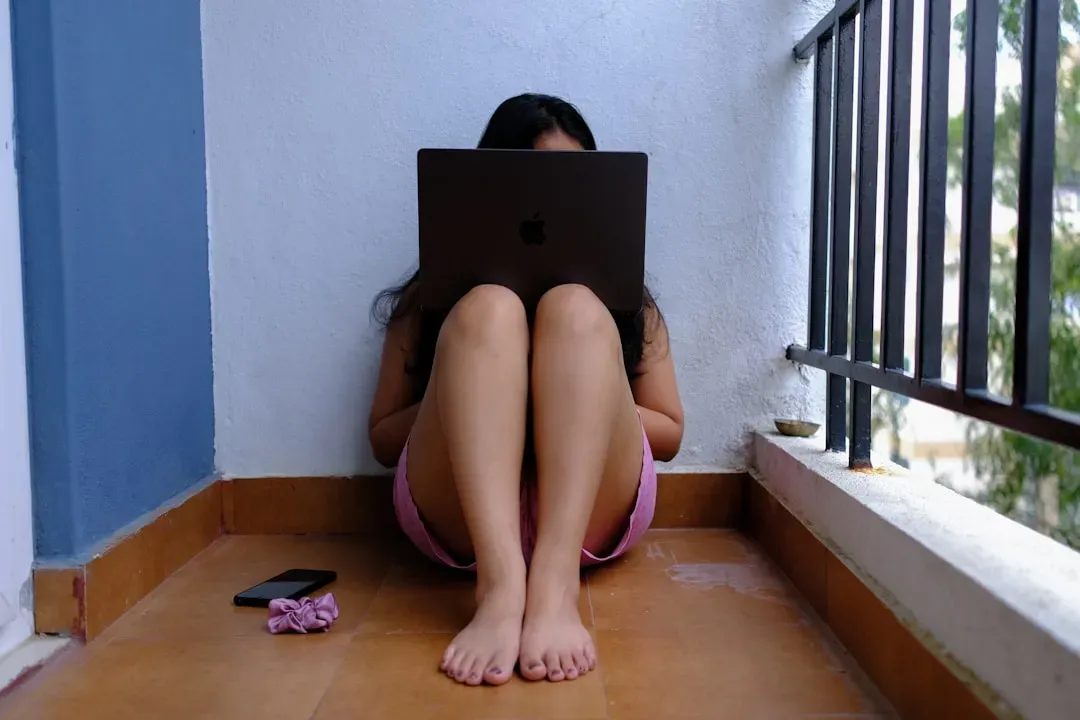
Harassment and Bad Behavior Don't Just Vanish With Age (Image Credits: Unsplash)
You may have expected the app experience to get gentler once you left your 20s, but that isn’t fully true, especially for women. 56% of women under 50 who have used dating sites or apps say they’ve been sent an unsolicited sexually explicit message or picture, about 43% say they’ve had someone continue to contact them after they said they weren’t interested, 37% say they’ve been called an offensive name, and 11% say they’ve received threats of physical harm. These experiences cut across the 30 to 49 bracket just as much as the younger crowd.
There is a silver lining buried in the data, though. Those experiences were generally less common among women ages 50 and older, and they were also less common among men of any age. It suggests the discomfort tends to ease with more years, even if the transition through the 30s isn’t as smooth as people assume.
Dating Costs More Money Than People Admit
Dating Costs More Money Than People Admit (Image Credits: Pexels)
Nobody warns you how much dating after 30 actually costs, partly because admitting it feels a little embarrassing. Dating is expensive, with the average cost being $213 per month and active daters spending over $300 per month. That’s dinners, drinks, subscription fees for premium app features, and the occasional outfit bought specifically because you have a first date.
This financial reality shapes behavior more than people admit out loud. Many daters in their 30s become pickier about accepting first dates precisely because each one carries a real cost in time, money, and emotional bandwidth. It’s less about being cheap and more about protecting limited resources that felt infinite a decade earlier.
The Industry Itself Is Shifting Under Everyone's Feet
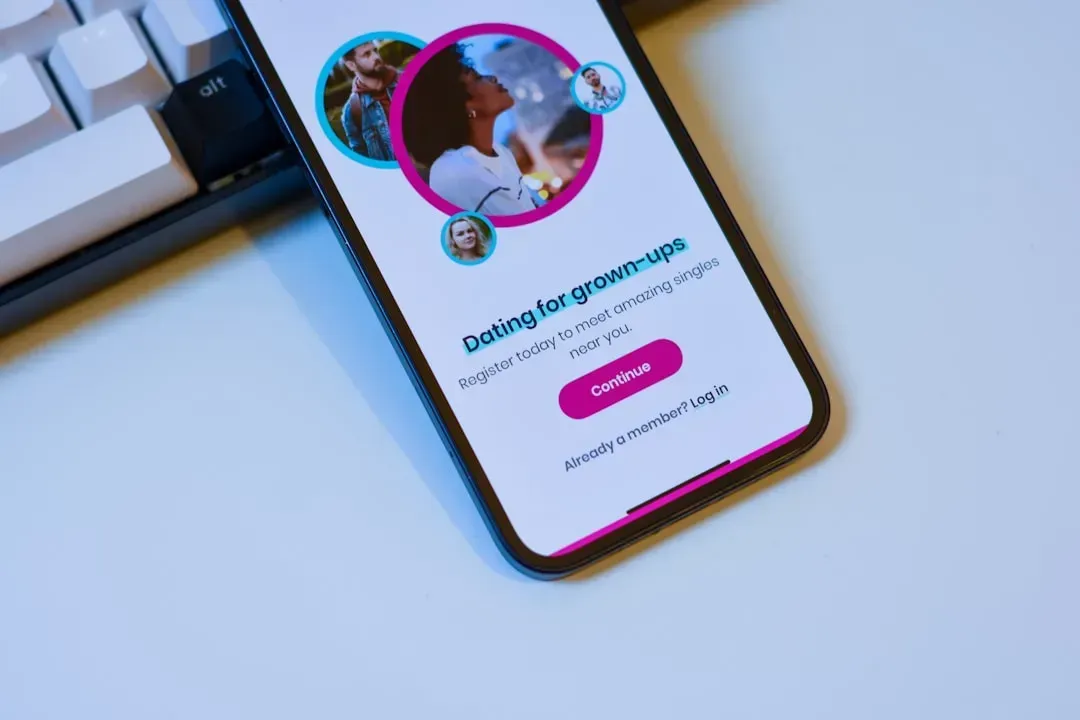
The Industry Itself Is Shifting Under Everyone's Feet (Image Credits: Unsplash)
The dating app landscape that people in their 30s grew up on is not the same one they’re using now, and the companies behind it know their audience is restless. The dating app industry, a $5 billion market, has been dominated by big players for years, but their growth is slowing down in the face of user dissatisfaction, and Match Group, owner of Tinder, reported declining users and saw its stock tumble in late 2024. That dissatisfaction is spawning smaller, more curated alternatives aimed at people tired of endless swiping.
Founders are launching niche platforms that blend technology with high-end matchmaking, combining exclusivity with psychological assessments in order to match people based on deeper personality traits rather than superficial criteria. Whether these newer platforms actually solve the fatigue problem remains to be seen, but the shift itself says something about what daters over 30 are asking for: fewer options, better filtering, and less noise.
Everyone Agrees It's Harder Now, Even If They Can't Say Why
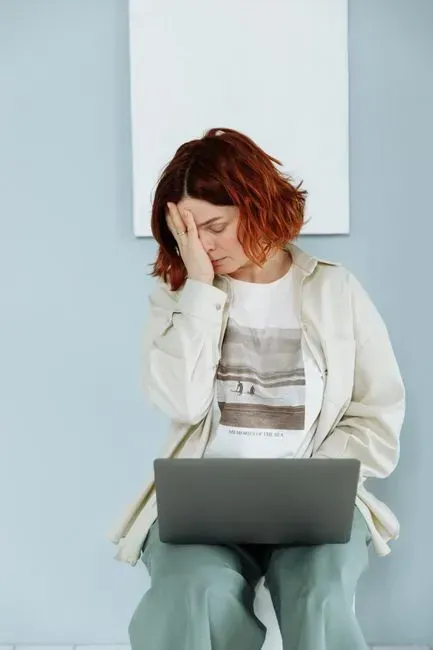
Everyone Agrees It's Harder Now, Even If They Can't Say Why (Image Credits: Pexels)
There’s a strange comfort in knowing the difficulty isn’t just in your head. Nearly all respondents, including 91% of men and 94% of women, say they think the current dating environment is more difficult than ever. That’s not a complaint unique to any one age group or dating status, it’s close to a consensus.
Part of what makes it feel harder is the sheer volume of choice colliding with the fatigue of using it. People over 30 tend to have fuller lives, less spare time, and less patience for dating that feels performative rather than genuine. The difficulty isn’t imagined, it’s structural, built into how dating itself has been reorganized around apps, algorithms, and endless comparison.
Taking a Break Isn't Giving Up, It's Often the Smartest Move

Taking a Break Isn't Giving Up, It's Often the Smartest Move (Image Credits: Unsplash)
Stepping away from dating entirely, even briefly, carries a stigma that doesn’t match how common and useful it actually is. According to the Singles In America survey, 53% of singles reported dating burnout and 46% took breaks to recharge, with most of them (64%) saying they came back with a clearer idea of what they want. That’s a meaningful number of people who stepped back and returned sharper, not weaker.
This matters especially for anyone past 30 who feels guilty for wanting to pause. The idea that stopping means falling behind doesn’t hold up against the actual data. Rest, in this context, functions less like retreat and more like recalibration, giving people the clarity that constant swiping tends to erode.