
Most people think of spending as a math problem: income minus expenses, simple as that. Yet anyone who has ever bought something they didn't need after a rough day at work knows the equation is rarely that clean. The way you swipe a card, skip a sale, or agonize over a twenty dollar purchase reveals far more about your beliefs and history with money than any budget spreadsheet ever could.
The Emotional Spender: Buying to Feel Better

The Emotional Spender: Buying to Feel Better (Image Credits: Unsplash)
For some people, a purchase is less about the object and more about the feeling that comes with it. Researchers have long noted that emotional states such as stress, anxiety, or even happiness can push someone toward impulsive purchases, often as a way to regain a sense of control or comfort. Emotions such as stress, anxiety, fear, or happiness can all influence financial decisions, and people are more likely to make impulsive purchases or overspend when stressed. This pattern is common enough that it has a name: emotional spending, where money becomes a stand in for comfort during a hard week.
The brain chemistry behind this is well documented. Psychologists say the human brain craves instant gratification, and buying something gives a short burst of dopamine, a feel good chemical that rewards you, which is part of why online shopping can feel addictive. The relief rarely lasts, though. That rush fades quickly, leaving guilt or regret in its wake. Recognizing this cycle is often the first step toward breaking it.
The Scarcity Mindset: When Fear Drives the Wallet

The Scarcity Mindset: When Fear Drives the Wallet (Image Credits: Pexels)
Some spending patterns are rooted less in emotion and more in a deep seated belief that money is fragile and fleeting. If you believe money is hard to come by, you might clutch it tightly or spend hastily, fearing it won't return. This scarcity mindset can push people toward two opposite extremes, either hoarding every dollar out of fear or spending quickly before it disappears, as if holding onto it too long invites bad luck.
Financial advisors see this pattern often in clients who grew up with financial instability. A scarcity mindset is the belief that resources, like money, are always limited. The good news is that this belief system is not permanent. With awareness and consistent habits, many people gradually shift toward a more balanced relationship with their finances, trading anxiety for a plan they actually trust.
The Security Seeker: Prioritizing Stability

The Security Seeker: Prioritizing Stability (Image Credits: Unsplash)
On the other end of the spectrum sits the security driven spender, someone whose choices are guided by a need for a financial cushion rather than fear itself. A need for financial stability and security drives this money mindset, leading someone to prefer saving money and only spend on essential items. This isn't stinginess so much as a quiet insistence on control, a preference for knowing exactly where the next month's rent is coming from.
Recent research suggests this instinct is widespread. Nearly one in four Americans adjust their spending habits every month due to financial concerns, and roughly one in six recalibrate weekly. That constant recalibration isn't necessarily a sign of stress, since many of these same people report feeling optimistic about reaching their goals, just cautious about how they get there.
The Values-Based Spender: Memories Over Materialism

The Values-Based Spender: Memories Over Materialism (Image Credits: Unsplash)
Not every spending pattern is defensive. Some people spend freely, but only on things that align closely with what they actually care about. Values based spending happens when someone's money mindset is based on the belief that life is about making memories, not acquiring possessions, so they spend most of their money on experiences rather than material things. A concert ticket or a trip with friends can feel worth every cent, while a closet full of unworn clothes feels wasteful by comparison.
This mindset has taken on new dimensions among younger adults navigating an uncertain economy. Many are treating financial decisions as an extension of self care rather than pure restriction, choosing to spend on what genuinely improves their wellbeing instead of following external pressure. Priorities change throughout life, and the financial decisions people make should be based on personal values and how they want to live, rather than outside pressure. That reframing turns spending from a source of guilt into a tool for intention.
The Impulse Buyer: Chasing a Quick Dopamine Hit

The Impulse Buyer: Chasing a Quick Dopamine Hit (Image Credits: Unsplash)
Impulse spending remains one of the clearest windows into a person's money mindset, and the numbers behind it are striking. The average consumer spent an estimated 254 dollars per month on impulse buys in 2025, adding up to roughly 3,045 dollars for the year, across nearly ten unplanned purchases monthly. Clothing tends to be the biggest culprit. Impulse buying is most common when shopping for clothes, followed closely by groceries and household items.
What makes impulse spending so persistent is how deeply it's tied to mood rather than logic. These small, emotional decisions add up quickly, and impulse purchases now account for nearly forty percent of all online spending. Large impulse buys are also becoming more common than many assume. In the first quarter of 2025, roughly one in three consumers made an impulse purchase of 250 dollars or more, with the median spend among that group reaching close to 500 dollars. For anyone trying to understand their own mindset, tracking what triggers these moments often matters more than tracking the dollar amount itself.
The Financial Realist: Adjusting to Rising Costs in 2026

The Financial Realist: Adjusting to Rising Costs in 2026 (Image Credits: Pexels)
Heading into 2026, a noticeably more cautious mindset has taken hold across age groups, shaped largely by the cost of everyday living. More than half of survey respondents report an increase in financial stress over the past year, and a majority identify money as their primary life stressor. Yet this stress hasn't translated into paralysis. Instead, it has pushed many people to actively rethink how they handle money going forward.
The appetite for change is unusually strong right now. More than half say they have financial regrets from the past year they want to fix, and nearly everyone plans to make changes to how they manage their money in the new year. Household saving behavior reflects this tension too, since the average U.S. saving rate has run notably lower than its pre pandemic average, with the personal saving rate hovering around three and a half percent in late 2025, relatively low by historical standards. Realists aren't necessarily pessimists here, they're simply adjusting expectations to match a more expensive world.
The Intentional Consumer: Mindful Spending Takes Hold

The Intentional Consumer: Mindful Spending Takes Hold (Image Credits: Unsplash)
A quieter but equally significant shift has been the rise of intentional, values driven purchasing. Consumers in 2025 increasingly seek intentional, value driven purchases, favoring authenticity, community, and curated experiences over impulsive, algorithmic buys. Rather than rejecting spending altogether, this mindset treats every purchase as a small decision worth pausing over.
This restraint shows up in everyday buying choices as well. Store brand sales reached roughly 271 billion dollars in the United States in 2024, growing faster than national brands, and climbed further to nearly 283 billion dollars by 2025. That shift toward store brands isn't about settling for less, it reflects a mindset that separates the feeling of a purchase from the price tag attached to it, something quite different from the impulse driven habits described earlier.
The Debt-Cautious Saver: Gen Z's Guarded Approach to Credit
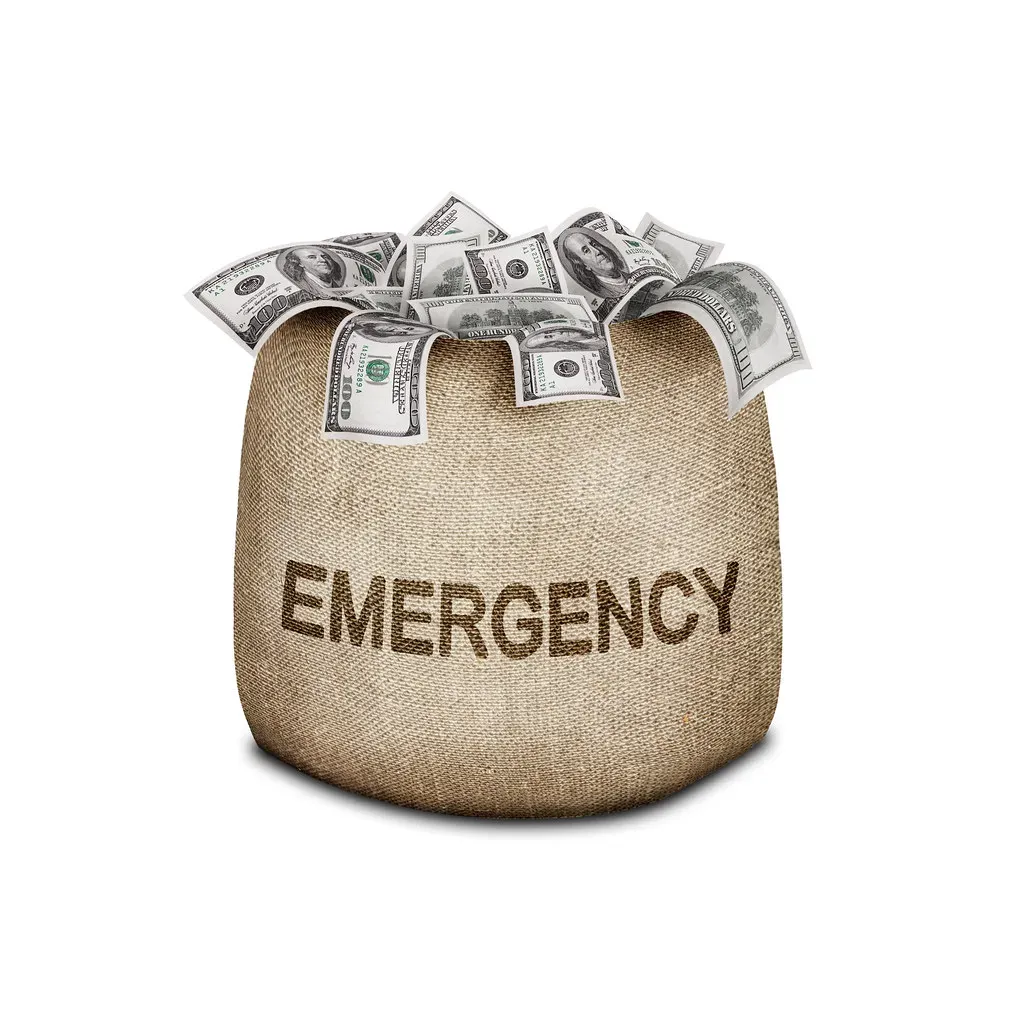
The Debt-Cautious Saver: Gen Z's Guarded Approach to Credit (401(K) 2013, Flickr, <a href="https://creativecommons.org/licenses/by-sa/2.0/" target="_blank" rel="noopener">CC BY-SA 2.0</a>)
Younger adults are showing a distinct wariness toward debt that sets their spending mindset apart from previous generations at the same age. Nearly half of Gen Z say they only use bank loans and credit cards as a last resort, while roughly three in ten disagree with that statement. This caution likely stems from watching older relatives navigate recessions and record breaking student debt, lessons that seem to have stuck.
Their saving priorities reflect similarly grounded thinking. Nearly a third of Gen Z say building an emergency fund is their top savings goal, ahead of saving for a major purchase like a car, paying off debt, or planning a vacation. It's a mindset built less around long term wealth building and more around short term resilience, a reasonable response to a job market and cost of living that feel less predictable than they once did.
The Self-Aware Tracker: Turning Awareness Into Change

The Self-Aware Tracker: Turning Awareness Into Change (Image Credits: Pexels)
Perhaps the most telling money mindset isn't defined by how someone spends, but by whether they actually look at their spending at all. Financial advisors consistently point to self awareness as the starting point for meaningful change. Journaling or tracking spending habits can help identify patterns of impulse spending, avoidance, or fear.
This kind of tracking works best without shame attached to it. Like mindfulness meditation, the exercise is about noticing and reflecting without judgment over past spending, which can help people feel more in control of their financial habits and improve emotional wellbeing. Many who take up this habit describe a similar experience, that the numbers themselves matter less than the honesty required to look at them regularly.
The Takeaway
The Takeaway (Image Credits: Unsplash)
None of these mindsets exist in isolation. Most people move between a few of them depending on the week, the paycheck, or the mood they're in when a tempting sale pops up on their phone. What seems to matter most isn't picking a single label and sticking to it forever, but noticing which pattern shows up most often and asking whether it still serves the life someone actually wants to live.