
There’s something almost counterintuitive about it: in an era of smart appliances and self-cleaning cycles, some of the most effective advice for keeping your oven running longer comes down to a paste made from baking soda and water. Not a proprietary solution. Not a high-temperature automated program. Just a bit of patience and a damp cloth.
Appliance experts and repair specialists have been saying it for years, and the data backs them up. How you clean your oven matters as much as how often you do it. The method you choose can quietly add years to an appliance that, without proper care, tends to wear out well before its time.
What Your Oven's Lifespan Actually Looks Like
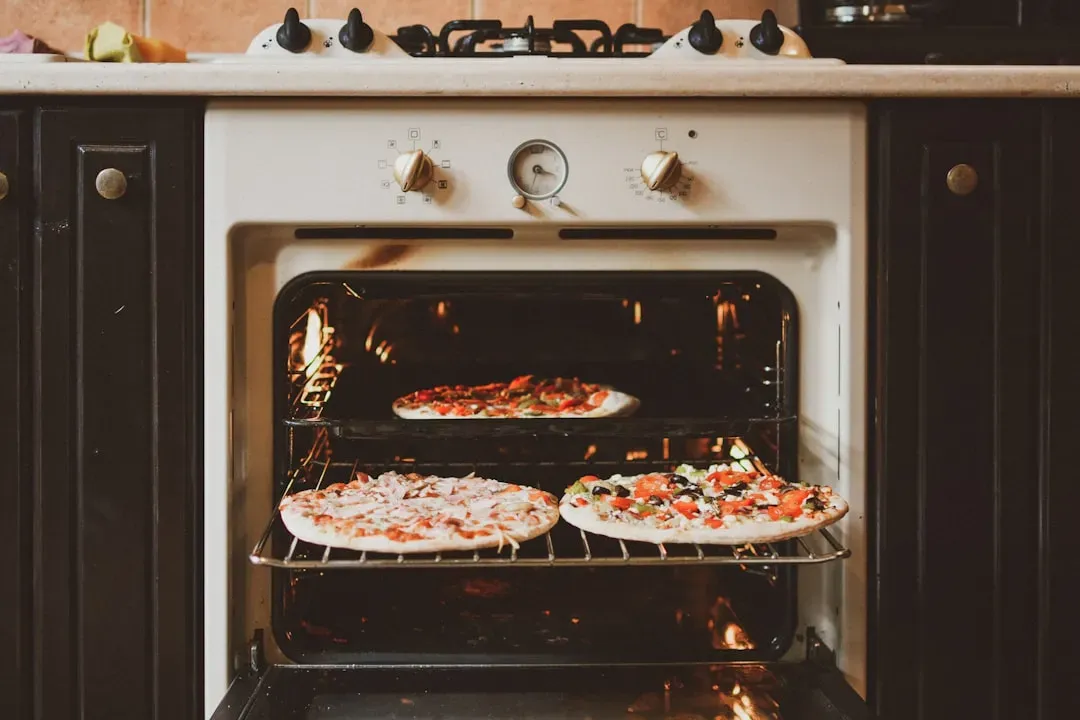
What Your Oven's Lifespan Actually Looks Like (Image Credits: Unsplash)
The average oven lasts between 13 and 15 years, though this figure shifts depending on the type of oven, how often it is used, and how well it has been maintained. That's a reasonably long run compared to other kitchen appliances, but it's not guaranteed.
With proper care, some ovens can exceed the 20-year mark, continuing to serve your kitchen well. Neglecting routine maintenance shortens your oven's life. Built-up grease, grime, or food residue can damage internal parts or create safety hazards. The gap between a well-maintained oven and a neglected one, in terms of years of useful life, can be surprisingly wide.
The Hidden Problem With Grease Buildup
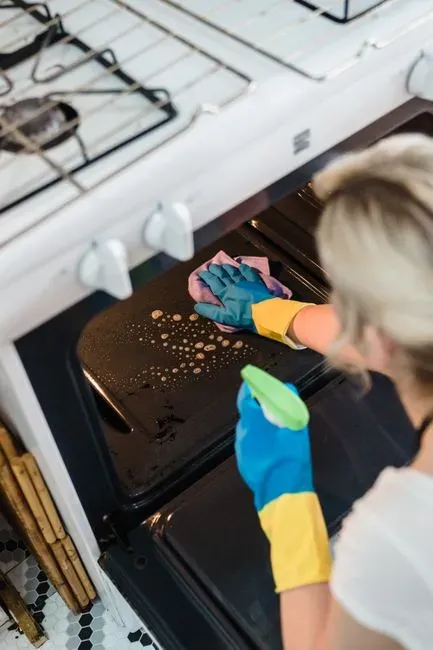
The Hidden Problem With Grease Buildup (Image Credits: Pexels)
Grease build-up can affect heat distribution, making it harder for your oven to cook food evenly. It can also create unpleasant smoke and odours, or in severe cases, increase the risk of fire. Most people think of dirty ovens as a hygiene issue first. The mechanical consequences tend to go unnoticed until something breaks.
Grease and grime aren't just unsightly – they can cause hidden problems that slowly reduce your oven's performance and lifespan. A dirty oven can cause inefficient heating, leading to increased energy usage and more wear and tear on its components. The appliance ends up working harder than it should, which accelerates wear on the very parts that are most expensive to replace.
Why the Self-Cleaning Cycle Isn't Always the Answer
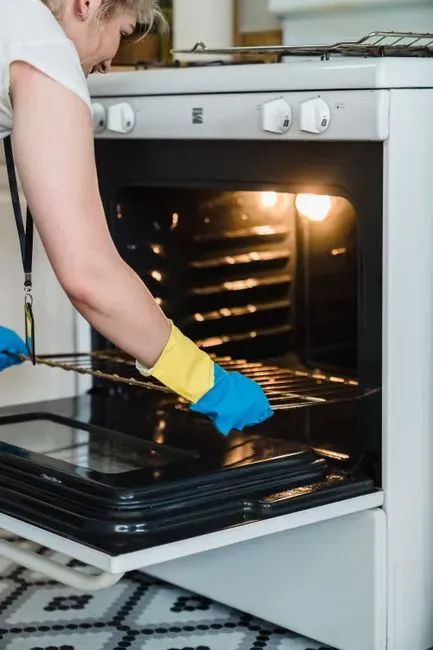
Why the Self-Cleaning Cycle Isn't Always the Answer (Image Credits: Pexels)
The self-clean function reaches temperatures as high as 900°F to incinerate food particles. Unfortunately, this extreme heat doesn't just target spills and splatters – it also puts a strain on internal components, including the thermostat, control board, and heating elements. That's an enormous amount of heat for parts that were engineered to handle normal cooking temperatures.
Chris Zeisler, technical service supervisor at Repair Clinic, says it's possible that certain parts might break or malfunction during a self-clean cycle, including door latches, electrical components, bake or broil elements, igniters in gas ranges, and gaskets. While self-cleaning uses high heat to burn off residue, manufacturers recommend limiting its use to twice a year, as frequent use may shorten the average lifespan of an electric oven.
The Fumes Problem No One Talks About
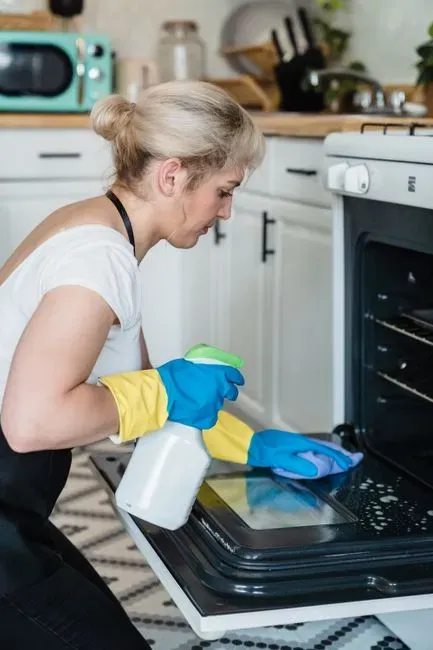
The Fumes Problem No One Talks About (Image Credits: Pexels)
During the self-cleaning process, burning food and grease releases a series of harsh chemicals into the air. These caustic particles can cause severe irritation if inhaled and, in extreme cases, even longer-lasting medical complications. This is especially worth knowing if you have children, pets, or anyone with respiratory sensitivities at home.
During incineration, carbon monoxide is released. If you don't have a fully functioning vent or your oven has a leak, you're at risk of carbon monoxide poisoning. As an odorless gas, you wouldn't know how much CO is released during the self-cleaning cycle. The old-school method, by contrast, produces no fumes and requires no ventilation precautions at all.
Why Baking Soda Works So Well
Why Baking Soda Works So Well (Image Credits: Pexels)
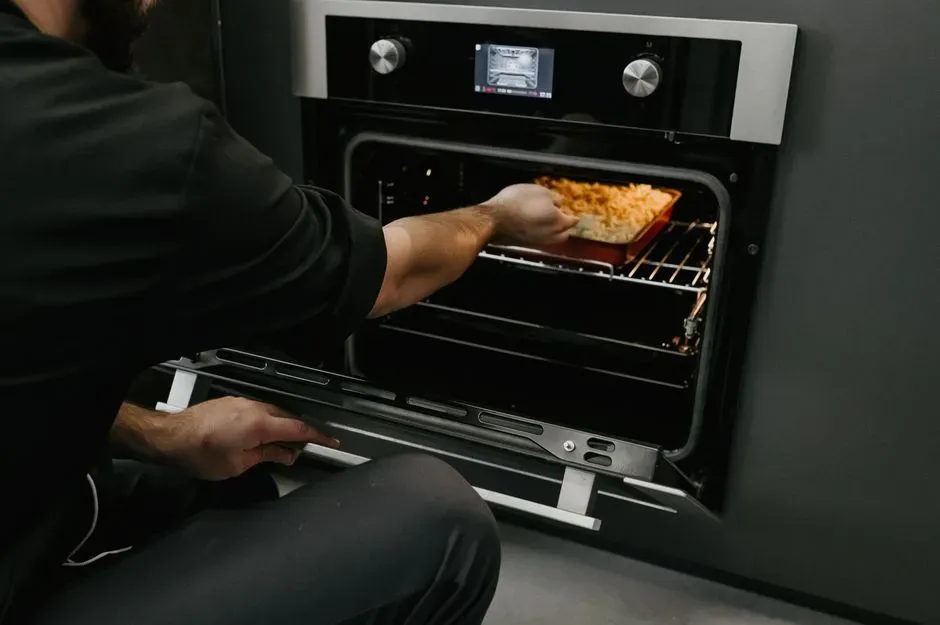
Baking soda is non-toxic, inexpensive, easy-to-use, and remarkably effective on cleaning oven grease. Baking soda is alkaline, and oven grease made of food particles is typically acidic. Baking soda neutralizes acids and breaks down the grease, allowing you to wipe it up without a lot of elbow grease. It's also a mild abrasive, so it works well at removing dried, stuck-on foods.
If you want to clean your oven yourself without harsh chemicals, baking soda and white vinegar are two of the most effective natural cleaning ingredients you'll find in any kitchen cupboard. Cleaning the oven with baking soda is safe, affordable and highly effective, though it does require time and a little elbow grease. The method that works is also, conveniently, the cheapest one available.
How to Actually Do It Right
How to Actually Do It Right (Image Credits: Pexels)
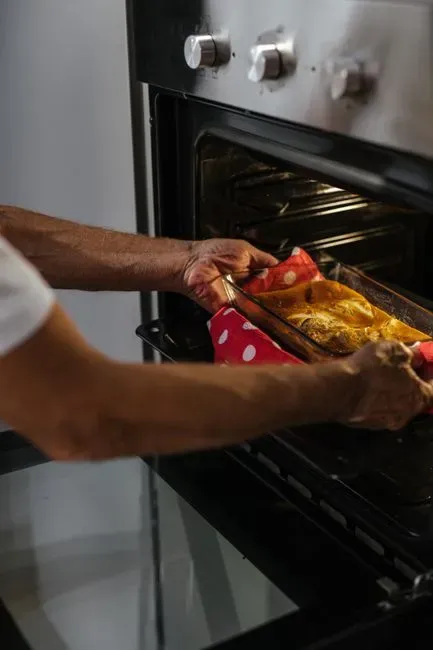
Mix half a cup of baking soda with a few tablespoons of water, adjusting the ratio as needed until you have a spreadable paste. Spread the paste all over the interior surfaces of your oven, steering clear of the heating elements. Leave it to work overnight for best results.
Put a little vinegar in a spray bottle and spritz everywhere you still see baking soda residue in your oven. The vinegar will react with the baking soda and gently foam. Take your damp cloth and wipe out the remaining foamy vinegar-baking-soda mixture. Do not leave any traces of baking soda residue inside the oven, as this can cause damage once hot.
The Importance of Cleaning Seals, Fans, and Hidden Parts
The Importance of Cleaning Seals, Fans, and Hidden Parts (Image Credits: Pexels)
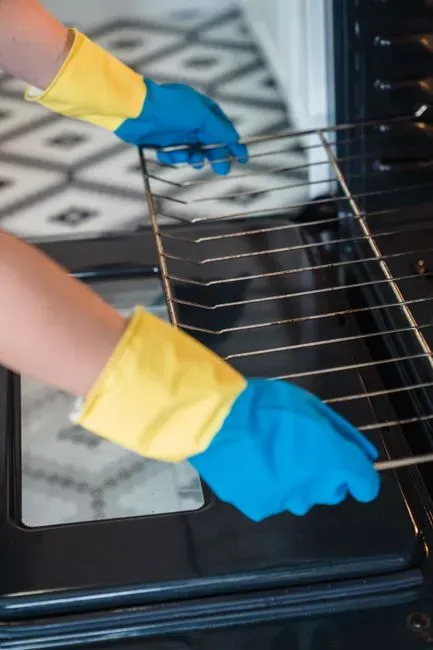
By removing built-up grime from fans, seals, and heating elements, professional cleaning prevents strain on the appliance. Hand cleaning gives you direct control over which parts get attention. Automated cycles treat every surface the same, including parts that shouldn't be subjected to extreme heat repeatedly.
The door seals can naturally wear out over time, but ensuring they are kept free from accumulated debris build-up can extend their lifespan. A compromised door seal forces the oven to work harder to maintain temperature, which in turn puts more strain on the heating element. It's a quiet cascade of wear that starts with something as simple as a dirty gasket.
How Often You Should Be Cleaning
How Often You Should Be Cleaning (Image Credits: Pexels)
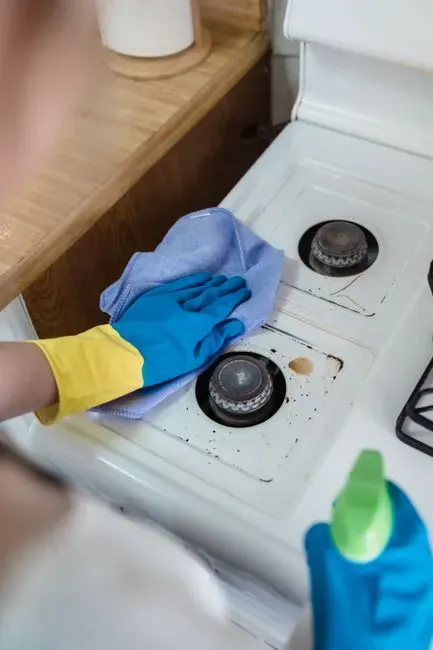
Once or twice a year will do for most families, especially if you're good about wiping up big spills as they happen. That kind of regular upkeep makes deep cleaning far less daunting. If you're cooking meals daily, or using your oven more frequently than average, you might want to aim for four to five cleanings per year.
One of the easiest things you can do to extend the life of your range is to tend to spills quickly. If something boils over on the stovetop or spills in the oven, wait until the oven is cool and then wipe it up as soon as you can, before it becomes a bigger problem. Catching spills early is far less work than scrubbing carbonized residue weeks later, and it's much gentler on the oven's enamel coating.
Things You Should Never Do to Your Oven Interior

Things You Should Never Do to Your Oven Interior (Image Credits: Pexels)
Never line the bottom with aluminum foil; it can damage the heating element, which will cost you too. It's one of the most commonly repeated mistakes in home cooking, and it causes real harm. Foil disrupts heat distribution and can melt or fuse to the oven floor over time.
Avoid abrasive cleaners that can damage the oven's finish. Wipe spills immediately after cooking once the oven cools, and use oven liners to catch drips without blocking air vents. Small habits like these cost almost nothing but have a measurable effect on how long the appliance holds up.
What Maintenance Actually Costs You If You Skip It
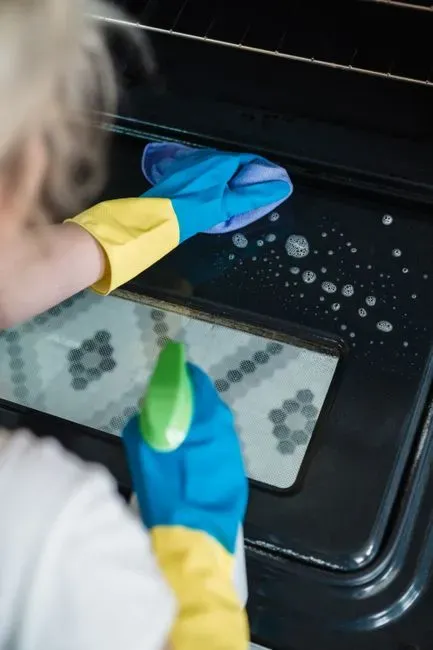
What Maintenance Actually Costs You If You Skip It (Image Credits: Pexels)
A typical oven repair runs from $150 to $350, while a replacement starts at $600 and can reach $2,000 before adding installation costs. Those numbers make the case for routine cleaning more clearly than almost anything else. A few hours of hand-cleaning per year is a reasonable trade-off against a four-figure appliance bill.
Regular cleaning, proper usage, and professional maintenance can extend the lifespan of most appliances by several years. A professionally cleaned oven heats more evenly, cooks food more reliably, and is less likely to emit smoke or odours. This improved performance makes cooking more enjoyable while extending the appliance's useful life. The math on preventive care tends to favor it, almost every time.
The Bigger Picture: Gentle Care as a Long-Term Strategy
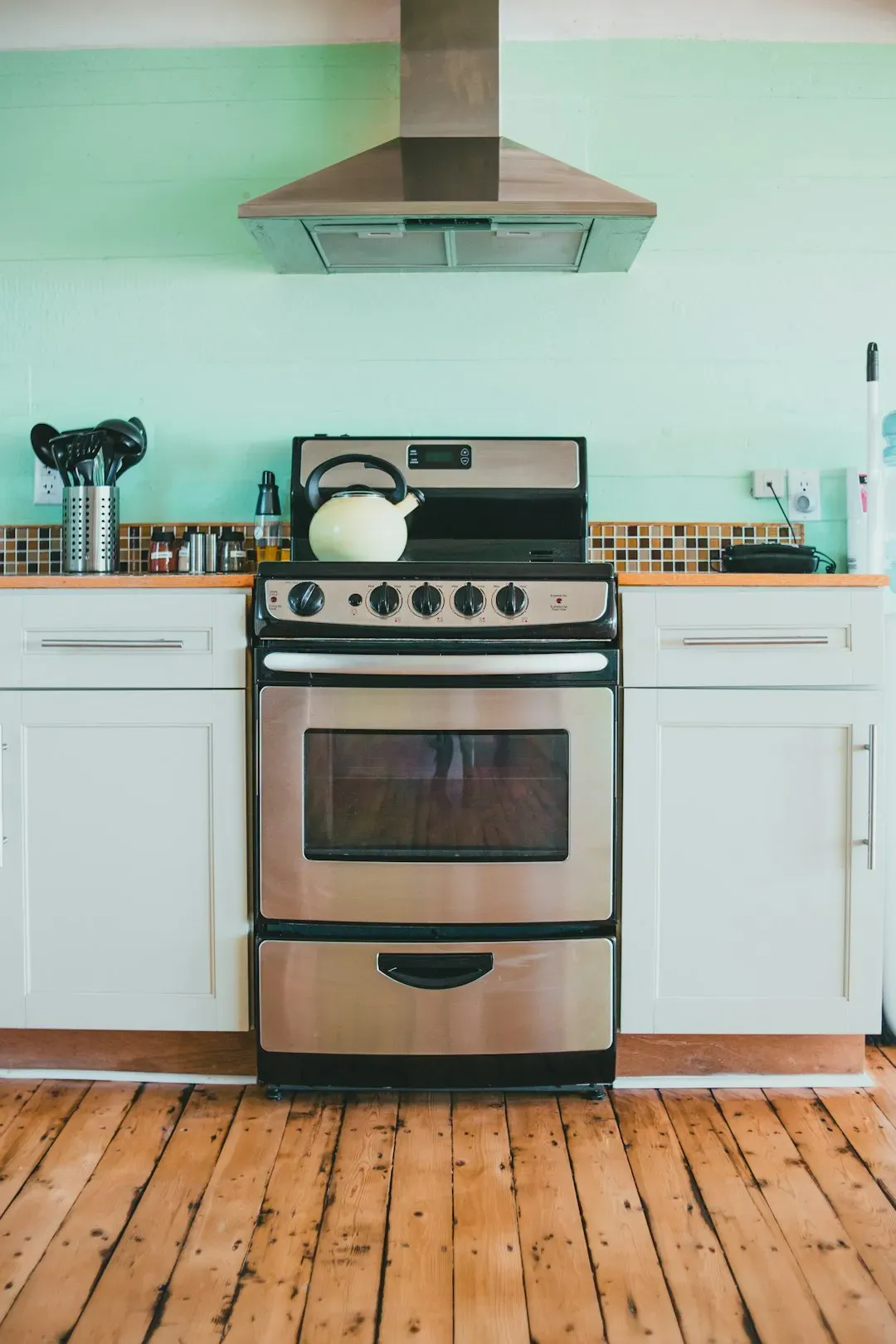
The Bigger Picture: Gentle Care as a Long-Term Strategy (Image Credits: Unsplash)
The appeal of the self-cleaning cycle is real. Nobody wants to spend an evening with a sponge inside an oven. Still, the consistent message from appliance repair specialists and consumer testing organizations is that the gentler the cleaning method, the better it tends to be for the machine's long-term health.
Cleaning spills as they occur and relying on a more frequent but mild cleaning routine rather than using self-cleaning cycles is the approach repair professionals most consistently recommend. You can still expect performance to last for up to two decades with proper maintenance. That's a meaningful difference from the average, and it's almost entirely within reach through consistent, low-tech care. The old-school approach, it turns out, was never really old-fashioned. It was just underrated.