
There's a particular moment at a restaurant when a dish arrives and it just hits differently than anything from your own kitchen. The seasoning feels sharper, the texture more deliberate, the whole plate somehow more alive. It's not magic, and it's not always about fancier ingredients either. Most of the gap comes down to technique, tools, and a handful of habits that professional kitchens treat as non-negotiable but home cooks often skip.
Salt Gets Used With More Confidence

Salt Gets Used With More Confidence (Image Credits: Unsplash)
Professional cooks salt in stages, not once at the end. They season the water for pasta, the surface of meat before it hits the pan, and often the dish again right before it leaves the kitchen. This layered approach means every component tastes balanced on its own, not just the final mixed result.
Home cooks tend to under-salt out of caution, worried about health guidelines or simply not wanting to overdo it. The fix isn't using more salt overall, it's distributing it earlier and more evenly throughout the cooking process rather than sprinkling it all at the finish.
Butter and Fat Are Not an Afterthought
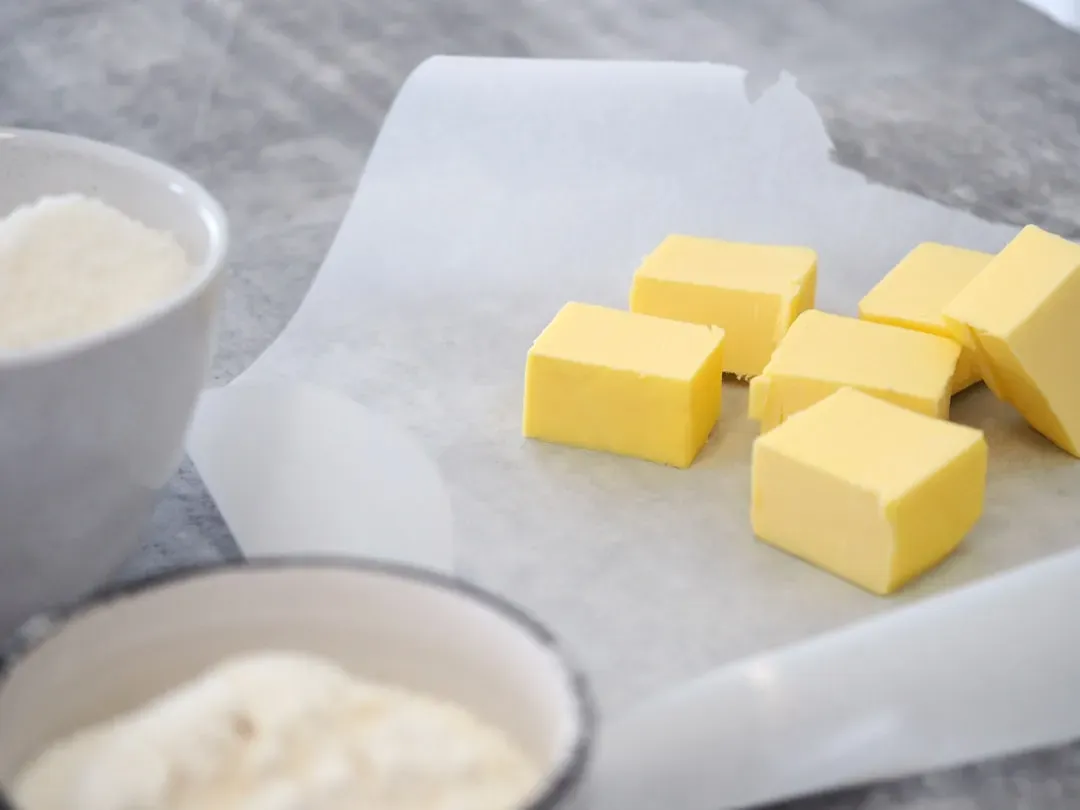
Butter and Fat Are Not an Afterthought (Image Credits: Unsplash)
Restaurants finish sauces, vegetables, and even proteins with a knob of butter or a drizzle of good oil right before plating. This technique, sometimes called monter au beurre in classical French cooking, adds gloss, richness, and a rounder mouthfeel that thin, watery sauces lack.
At home, many cooks stop cooking the moment the dish looks "done" and skip this final enrichment step entirely. Adding a small amount of cold butter or a good finishing oil at the very end, off the heat, can transform a flat sauce into something that tastes considerably more polished.
High Heat Does Heavy Lifting
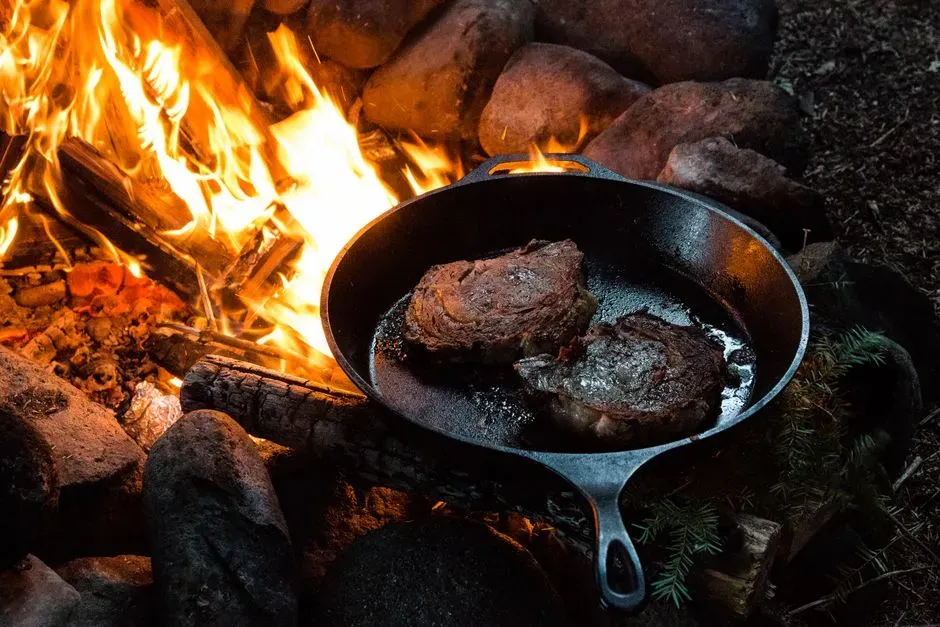
High Heat Does Heavy Lifting (Image Credits: Pexels)
Commercial kitchens run on burners that output far more BTUs than a typical home stove, which means they achieve proper searing and caramelization in seconds rather than minutes. That intense heat triggers the Maillard reaction faster and more evenly, producing the deep brown crust and complex flavor compounds that define restaurant-style meats and vegetables.
Home cooks can compensate by preheating pans longer than feels necessary and resisting the urge to overcrowd the surface. A cast iron or carbon steel pan, heated properly before food goes in, gets much closer to that professional sear than most people expect.
Stocks and Bases Build Deeper Flavor
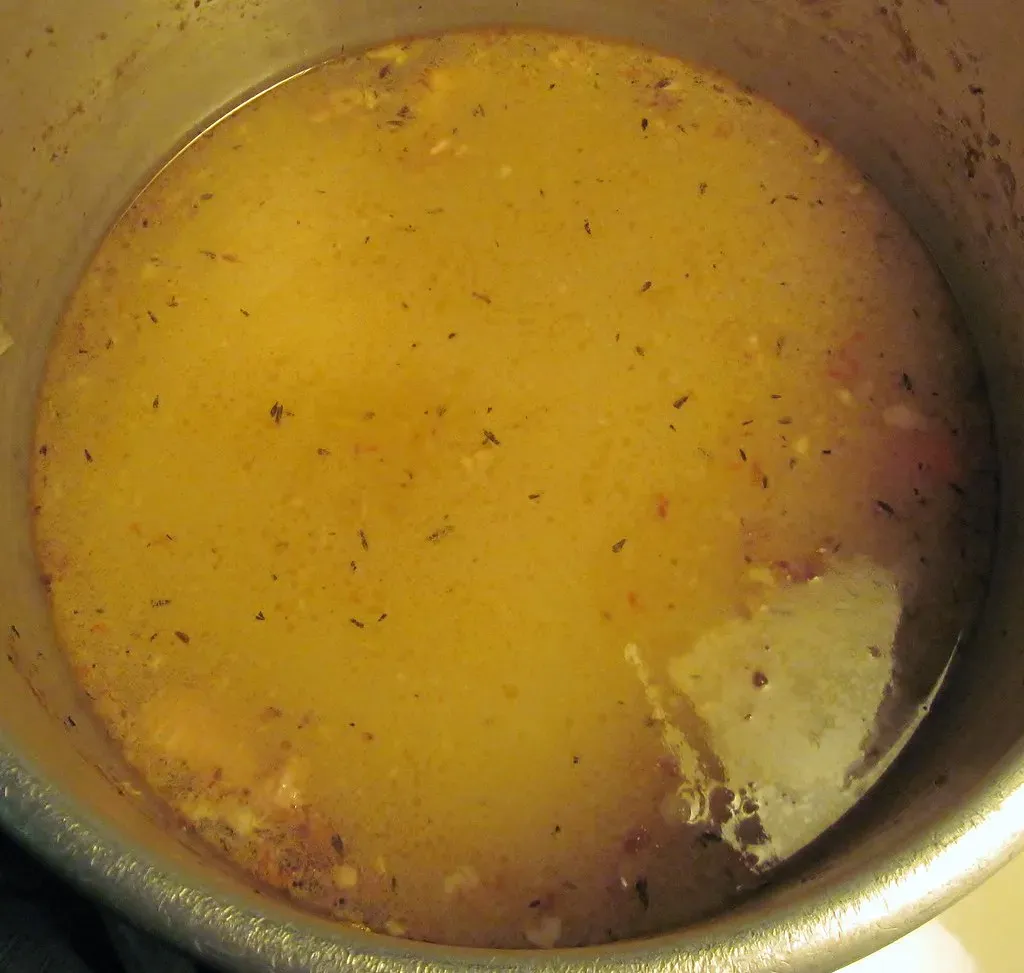
Stocks and Bases Build Deeper Flavor (SaucyGlo, Flickr, <a href="https://creativecommons.org/licenses/by/2.0/" target="_blank" rel="noopener">CC BY 2.0</a>)
A lot of restaurant flavor starts hours or even days before a dish is plated, in the form of house-made stocks, reductions, and mother sauces. These bases carry concentrated, layered flavor that a quick bouillon cube or store-bought broth simply can't replicate.
Making a basic stock at home from vegetable scraps, bones, or shells takes time but very little active effort, and it freezes well for months. Using even a small amount of homemade stock in place of water in soups, risottos, or braises noticeably raises the flavor ceiling of the finished dish.
Acid Is Used to Balance, Not Just Flavor
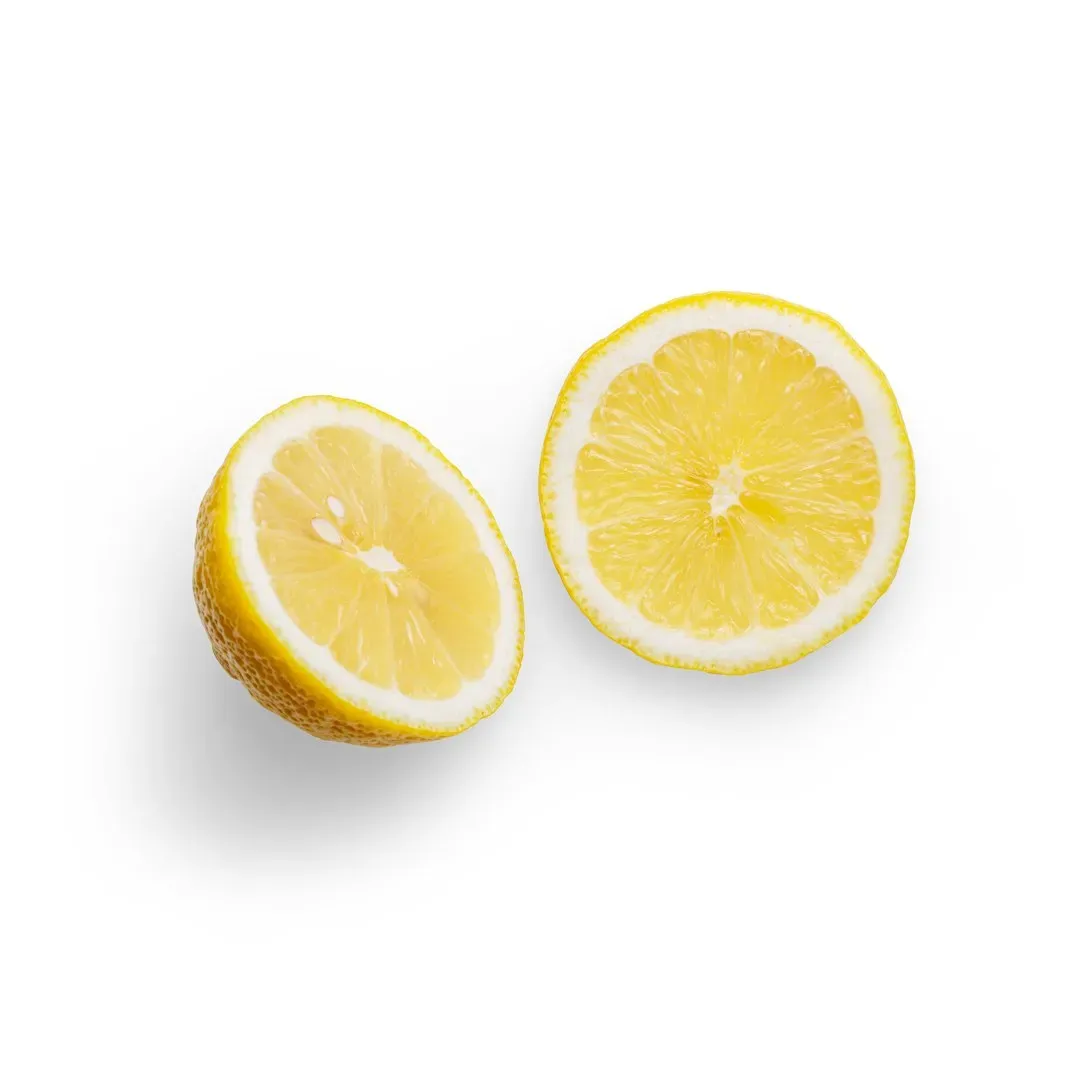
Acid Is Used to Balance, Not Just Flavor (Image Credits: Unsplash)
Chefs taste constantly during cooking, and one of the most common adjustments they make is adding acid, whether that's a squeeze of lemon, a splash of vinegar, or a spoonful of wine. Acid cuts through richness, brightens dull flavors, and makes a dish feel more finished without necessarily making it taste sour.
Home cooking often skips this step because acid isn't always listed as a separate ingredient in recipes, it gets baked in earlier or omitted. Tasting a dish right before serving and asking whether it needs brightness, rather than just more salt, is a habit worth borrowing.
Mise en Place Prevents Overcooking
Mise en Place Prevents Overcooking (Image Credits: Unsplash)
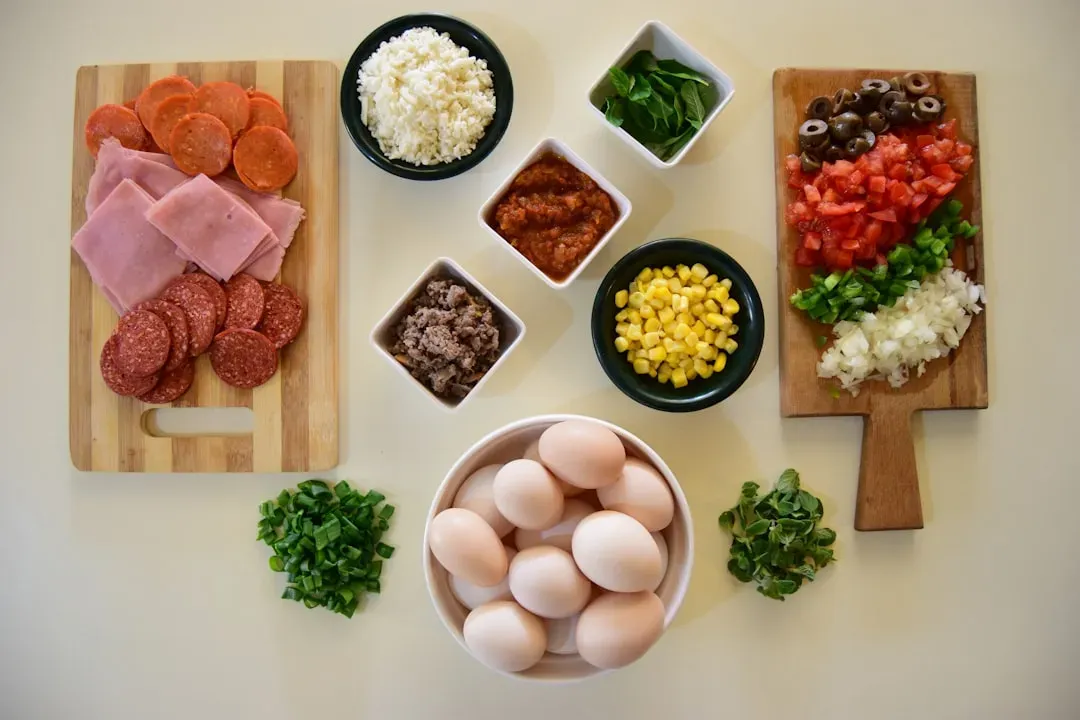
The French term mise en place, meaning everything in its place, refers to the practice of prepping and organizing every ingredient before cooking even begins. In professional kitchens this isn't optional, it's how cooks manage multiple dishes at once without burning or overcooking anything while searching for a forgotten ingredient.
Home cooks who prep vegetables, measure spices, and have tools ready before turning on the stove tend to produce more consistent results. It sounds like a small organizational shift, but it directly affects timing, and timing is often the difference between a perfectly cooked piece of fish and an overdone one.
Better Equipment Makes a Real Difference
Better Equipment Makes a Real Difference (Image Credits: Pexels)
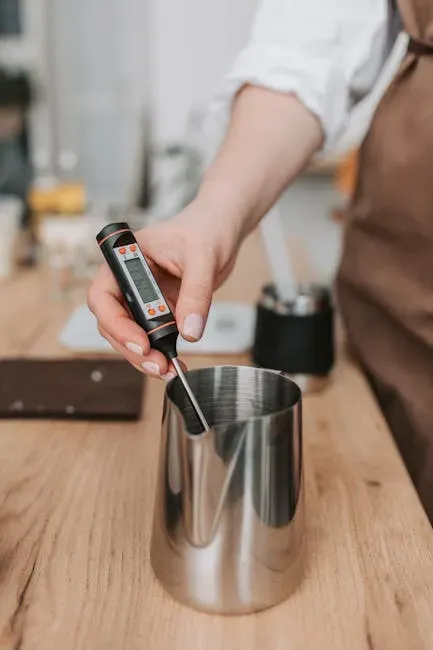
Sharp knives, heavy-bottomed pans, and accurate thermometers aren't just professional indulgences, they measurably change outcomes. A dull knife crushes herbs and vegetables instead of cutting them cleanly, which affects both texture and how quickly flavors release.
Investing in one or two quality tools, rather than an entire kitchen overhaul, tends to be the more practical route for most home cooks. A reliable instant-read thermometer alone can prevent the two most common home cooking mistakes, undercooked proteins and dry, overcooked ones.
Fresh Herbs and Aromatics Are Used Generously
Fresh Herbs and Aromatics Are Used Generously (Image Credits: Pexels)
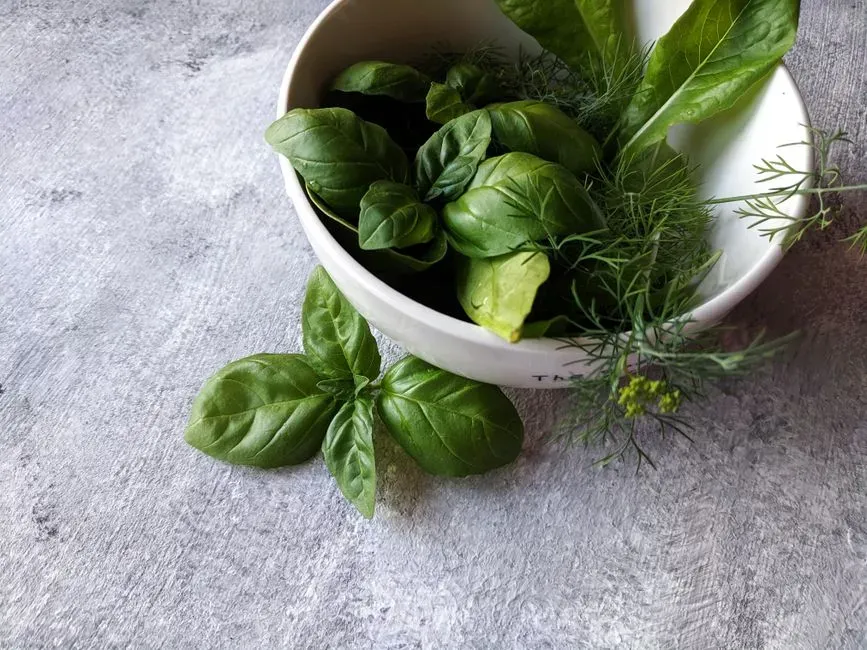
Restaurants tend to use fresh herbs, garlic, and aromatics more liberally than a typical home recipe calls for, and they add them at multiple stages rather than just once. Garlic and onion sautéed early build a savory base, while fresh herbs added at the end preserve brightness and aroma that gets lost with long cooking.
Dried herbs have their place, particularly in slow-cooked dishes, but they don't offer the same fragrance impact as fresh ones added just before serving. Keeping a small rotation of fresh herbs on hand, even just parsley, cilantro, or basil, is a low-cost way to close some of the flavor gap.
Plating and Texture Contrast Affect Perception
Plating and Texture Contrast Affect Perception (By Woothauporki, <a href="https://commons.wikimedia.org/w/index.php?curid=20548725" target="_blank" rel="noopener">CC BY-SA 3.0</a>)
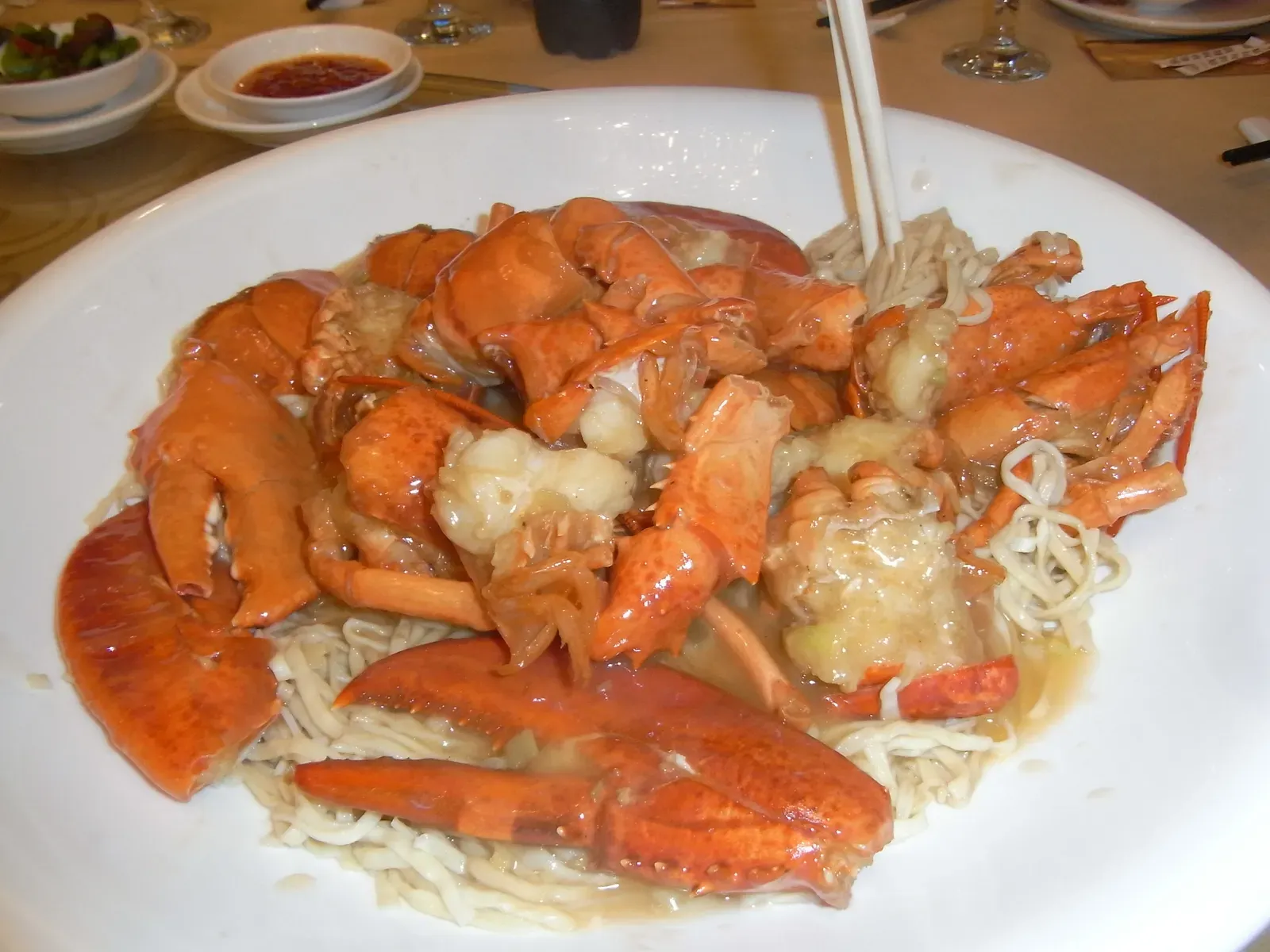
Flavor perception isn't purely chemical, it's also visual and textural, and restaurants understand this well. A dish with contrasting textures, something crunchy against something soft, or a sauce against a crisp element, tends to feel more satisfying than one uniform texture throughout.
This is part of why a home-cooked dish can taste "fine" but not memorable, even when the core flavors are similar to a restaurant version. Adding a simple textural element, toasted nuts, a crisp garnish, or a contrasting temperature, can make a familiar recipe feel noticeably more complete.