
There's a quiet irony sitting inside most millennial households right now. The generation raised on independence, gap years, and the promise of upward mobility is increasingly settling into patterns that look a lot like the 1950s: multiple generations under one roof, home gardens out back, and a general wariness about debt and spending. It wasn't supposed to go this way, at least according to the script handed down by their Baby Boomer parents.
Yet here we are in 2026, watching a generation quietly rewrite the rules of adulthood by borrowing from an era they never lived through. The reasons aren't nostalgia. They're economic, demographic, and in some cases, deeply practical.
The multigenerational household is making a comeback
The multigenerational household is making a comeback (Image Credits: Pexels)
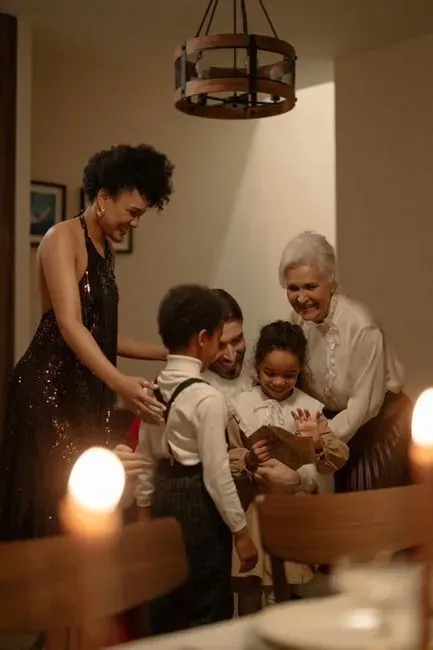
For much of the twentieth century, moving out and staying out was the marker of adulthood in America. That norm has been quietly eroding for years, and millennials are a big part of why. Approximately 56% of millennials live in shared residences, most of which include grandparents, parents, and children. That’s not a fringe statistic. It represents a majority.
The financial logic behind this shift is hard to ignore. In 2024, a notable 36% of homebuyers cited “cost savings” as the primary reason for purchasing a multigenerational home, a significant increase from just 15% in 2015. Meanwhile, older millennials are increasingly buying homes specifically to move in with aging parents, and thirty-five percent of older millennial multigenerational home buyers purchased their homes due to the health and caretaking responsibilities of their aging parents, and 32% shared that they bought their homes to spend more time with their aging parents. This is essentially how households functioned two generations ago, before nuclear families and suburban sprawl became the default.
Marriage now arrives on a much later schedule

Marriage now arrives on a much later schedule (Image Credits: Pexels)
Grandparents married young, often before either partner had finished figuring out who they were. Parents pushed that a bit later. Millennials have pushed it further still. In 1960, the median age at first marriage was estimated to be 20.3 for women and 22.8 for men. By 2023, the median age at first marriage had increased for women by 8.1 years and for men by 7.4 years. That’s not a minor drift. It’s a fundamental restructuring of the adult timeline.
Economists who study housing point to marriage timing as one of the biggest levers behind other life decisions. Delayed marriage has one of the biggest impacts on millennials’ low homeownership rate, and marriage increases one’s likelihood of owning a home by 18 percentage points. In other words, the later wedding date isn’t just a personal choice. It ripples outward into housing, savings, and household formation in ways that mirror pre-industrial patterns more than mid-century ones.
Homeownership finally arrives, just years behind schedule

Homeownership finally arrives, just years behind schedule (Image Credits: Pexels)
Millennials didn’t reject homeownership the way early headlines suggested. They simply got there later. This population, comprised of Americans born between 1981 and 1996, reached this hallmark of the American dream later than both their parents and grandparents, when their average age was 34, while Generation X and baby boomers achieved this feat at ages 32 and 33 respectively. A couple of years might not sound dramatic, but compounded over a lifetime of asset building, it matters quite a bit.
The gap is even starker earlier in adulthood. At age 30, only a third of Millennials owned their home, compared to almost half of Boomers at that age. By the time millennials reach their forties, they largely catch up on household formation, though not entirely. By 40, 81% have formed their own households versus 88% for Boomers, and 59% are married heads versus 68%. The trajectory bends toward tradition eventually. It just takes longer to get there.
Fewer children, born later, echoing an older demographic curve

Fewer children, born later, echoing an older demographic curve (Image Credits: Pexels)
Grandparents often had large families relatively early. Parents had somewhat smaller ones, a bit later. Millennials have taken that trend to a new extreme. The fertility rate in the U.S. alone is at a historic low of 1.7 births per woman, lower than the 2.1 births needed to maintain a stable population. That’s a demographic pattern more associated with aging societies than with a country in its economic prime.
The delay is measurable and significant. Millennials are indeed waiting longer to become parents, and the average age at first birth has risen by more than two full years in the past two decades. Interestingly, this doesn’t mean millennials have abandoned parenthood altogether. Despite these delays, Millennial women continue to have babies, and more than half of the children that will eventually be born to Millennial women are already here. The family is smaller and later, but it still exists, just on a stretched-out timeline reminiscent of eras with less financial certainty.
Backyard gardens are back, and not just as a hobby

Backyard gardens are back, and not just as a hobby (Image Credits: Rawpixel)
There’s something almost poetic about millennials rediscovering the vegetable patch their grandparents kept out of necessity. In 2025, 54% of Americans planning home gardens cited lowering grocery bills as the primary reason for their actions, and approximately 44% of American families plan to grow their own food, driven by desires for food security and health. This isn’t a wellness trend dressed up in flannel. It’s a direct response to grocery prices that have outpaced wages for years.
The generational fingerprints on this shift are clear. The Covid pandemic created 18.3 million new gardeners, most of whom are millennials. And the interest hasn’t faded as the pandemic recedes into memory. Gen Z gardeners increased time spent by 65% in 2024, and millennials now comprise 29% of gardeners, a share that puts them right alongside the retirees who’ve traditionally dominated the hobby.
Canning, preserving, and a return to kitchen self-sufficiency

Canning, preserving, and a return to kitchen self-sufficiency (Image Credits: Pexels)
Grandmothers who canned tomatoes every August weren’t doing it for fun. They were stretching a harvest through winter because there wasn’t much of a safety net otherwise. Millennials picking up water-bath canning and fermenting in 2026 are motivated by something similar, even if the framing feels more like a lifestyle choice than a survival skill.
Urban dwellers without acreage have adapted the practice to fit smaller spaces. Urban homesteading refers to activities that don’t require acreages, and whether growing a vertical garden or learning to preserve vegetables bought on sale at the supermarket, urban homesteaders learn new skills in their apartments or city homes. The tools have changed. The impulse, stretching food and reducing waste, hasn’t.
A more cautious, savings-minded relationship with money

A more cautious, savings-minded relationship with money (Image Credits: Pexels)
Millennials came of age during the 2008 financial crisis, and that experience left a mark that shows up in how they handle money today. Rather than the freewheeling credit habits sometimes associated with earlier consumer booms, many millennials describe themselves as deliberate savers. This generation is financially oriented, as well, as 36% of them see themselves as avid savers.
That caution doesn’t always translate into financial comfort, though. Households that have taken on multigenerational living arrangements often report feeling squeezed rather than secure. Adults in multigenerational households report a “better than expected” quality of financial life 16% of the time, compared to 38% reporting “about what they expected” and almost half, 46%, reporting a “worse than expected” quality of financial life. The frugality isn’t performative. It’s a response to genuinely tighter margins.
Caring for aging parents at home instead of outsourcing it
Caring for aging parents at home instead of outsourcing it (Image Credits: Pexels)
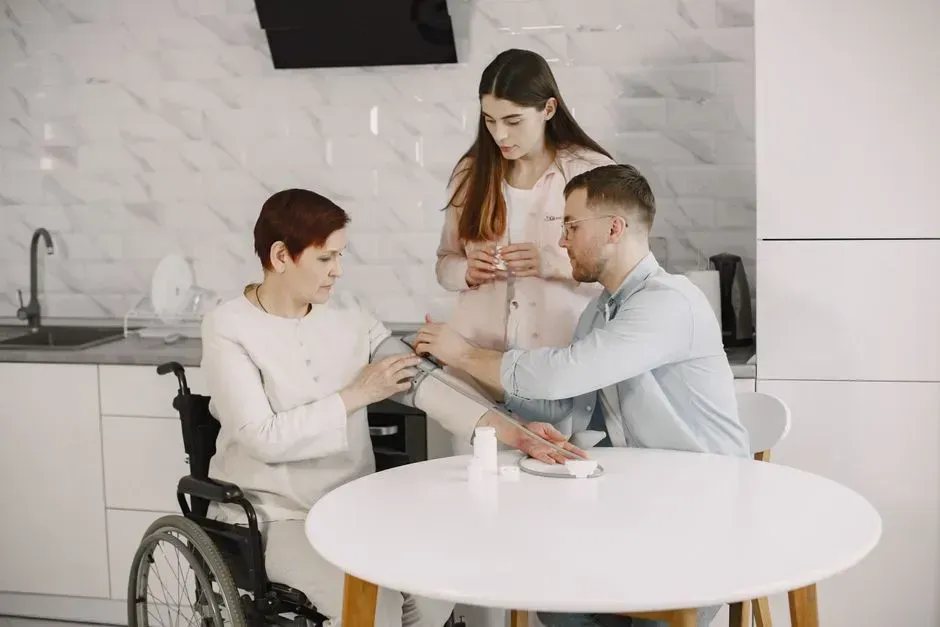
Nursing homes and assisted living facilities became the default solution for elder care in the latter half of the twentieth century. Millennials, often for financial reasons as much as sentimental ones, are quietly reversing that. Among Americans, about 3 in 4 would rather live at home with older family members instead of paying for elder care facilities.
This isn’t just a stated preference either. It’s showing up in real housing decisions. Seventy-five percent of people aged 50 and older would prefer to stay in their homes as they age, and their millennial children are increasingly the ones making that possible by moving in or bringing parents into their own homes. The caregiving role that grandparents once took for granted within extended families is being reconstructed, out of both love and necessity.
Distrust of convenience culture and a pull toward repair
Distrust of convenience culture and a pull toward repair (Image Credits: Pexels)
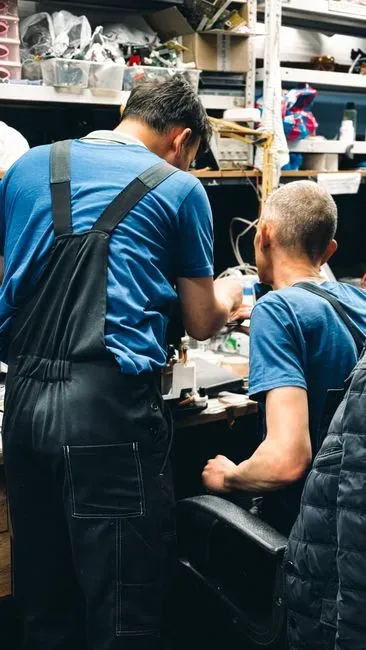
There’s a subtler thread running through all of this: a growing skepticism toward the throwaway consumer habits that defined the decades before. Millennials raising children now, or considering it, are noticeably more drawn to secondhand goods, repair culture, and buying less but better. It’s not a wholesale rejection of modern convenience, but it is a departure from the disposable mindset that dominated the 1990s and early 2000s.
This mirrors, in a loose way, how earlier generations approached household goods when replacement wasn’t cheap or easy. Fixing a toaster instead of tossing it, mending clothes instead of buying new ones, these were once matters of necessity rather than statement. Millennials rediscovering these habits are responding to similar financial pressure, even if the packaging looks different on social media.
Community and mutual aid replacing rugged individualism
Community and mutual aid replacing rugged individualism (Image Credits: Pexels)
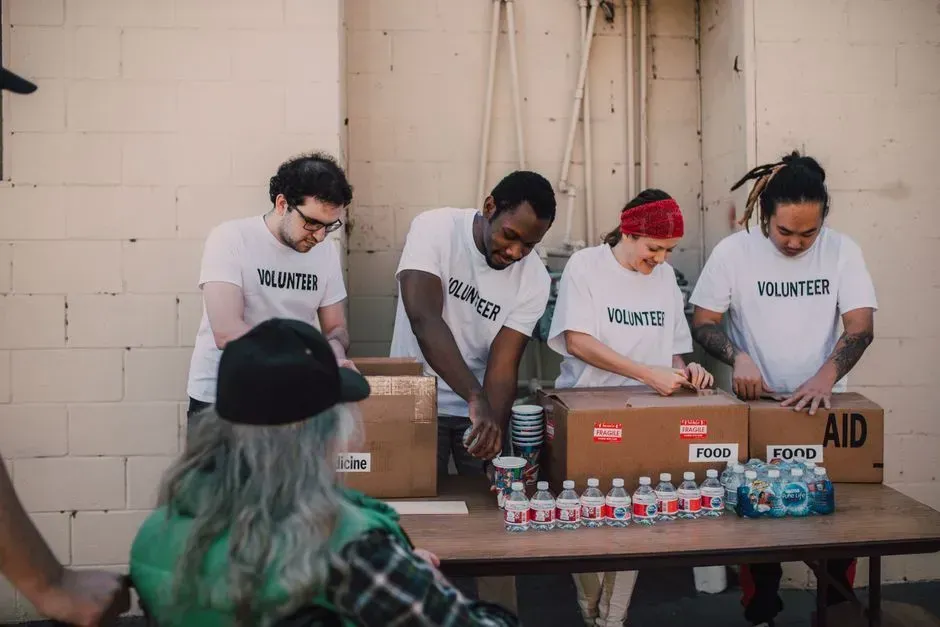
Perhaps the clearest throughline across all these shifts is a move away from the go-it-alone ethos that shaped so much of the postwar American dream. Grandparents leaned on neighbors, extended family, and community networks because those were often the only safety nets available. Millennials, squeezed by housing costs, student debt, and stagnant wages relative to living expenses, are rebuilding versions of those same networks.
Whether it’s splitting a mortgage with siblings, trading garden produce with neighbors, or pooling childcare within an extended family, the underlying logic is the same one that guided households a century ago: shared resources stretch further than solitary ones. More than half, 53%, also say a need for eldercare is another top reason for multigenerational living, followed by a desire for stronger family bonds at 37%. The math and the meaning are pointing in the same direction.
What this generational rewind actually says about the future
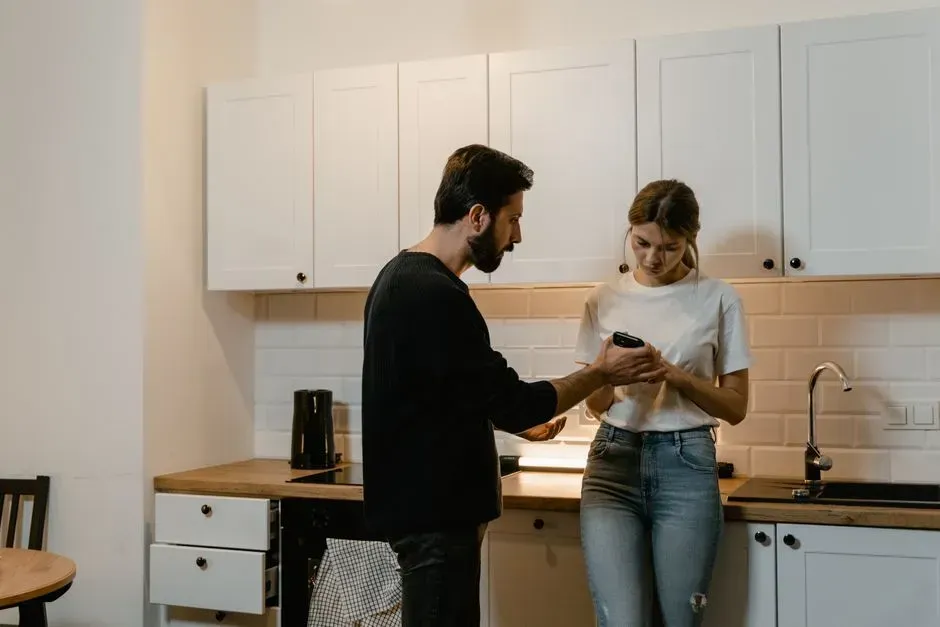
What this generational rewind actually says about the future (Image Credits: Pexels)
None of this means millennials are simply recreating the past. The homesteading is done with smartphones and online communities. The multigenerational households often include remote workers logging into laptops from a childhood bedroom. What's happening is less a return to old ways and more a resourceful blend of old strategies with new tools, shaped by an economy that hasn't offered the same guarantees their parents once had.
Whether these patterns stick as millennials age into their fifties and sixties, or fade once economic pressure eases, remains genuinely uncertain. What's clear right now is that necessity has a way of reviving old habits, even when nobody planned it that way.