
A few decades ago, the idea of a married couple booking two separate trips a year might have raised eyebrows at the dinner table. These days it barely gets a second glance. Travel agents, tour operators, and hotel chains are all reporting the same pattern: more partners are packing their bags without each other, and they are not doing it because anything is wrong.
The reasons behind this shift are less about distance and more about how modern couples define closeness. Some of it comes down to differing interests, some to sleep habits, and some simply to the practical realities of two busy adults trying to plan a year of travel around jobs, budgets, and energy levels. Here is a closer look at what is actually driving the trend.
Different travel personalities rarely mix well
Different travel personalities rarely mix well (Image Credits: Unsplash)
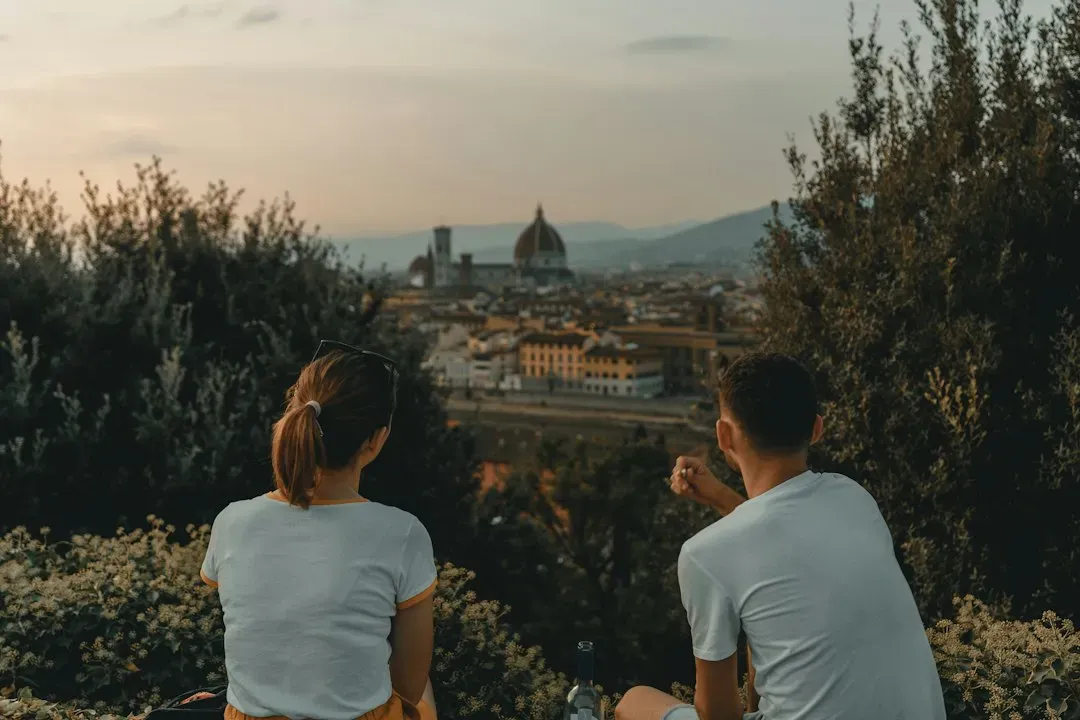
Not every couple wants the same kind of trip, and pretending otherwise tends to create friction rather than fun. One partner might crave a week of hiking and cold mornings while the other wants a beach chair and a paperback, and forcing a compromise often leaves both people a little disappointed. Among married women surveyed by Road Scholar, the two most common reasons for traveling solo were that their spouse wasn’t interested in travel or that the spouses had different travel interests.
This mismatch shows up across age groups, not just among retirees with time on their hands. A Natural Habitat Adventures survey found that 40% of its female solo guests cited different travel interests than their partners, with a similar share saying their spouses simply weren’t keen on traveling at all. When the gap in enthusiasm is that wide, splitting up for a week or two often keeps the peace better than dragging someone along.
Sleep quality has become a real vacation priority
Sleep quality has become a real vacation priority (Image Credits: Pexels)
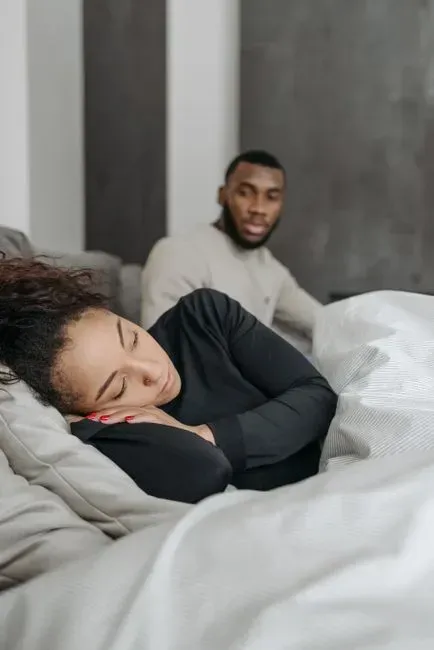
It sounds almost comical, but sleep has quietly become one of the biggest reasons couples travel apart, or at least sleep apart while traveling together. Among vacationing couples, 37 percent would opt for separate beds at night rather than sharing a single hotel mattress, in an effort to boost sleep and reduce the impacts of keeping each other up at night.
The habit extends well beyond hotel rooms. A 2023 American Academy of Sleep Medicine survey found that more than one-third of Americans practice “sleep divorce,” meaning couples consistently or occasionally move into different rooms to get better rest, even when not traveling. For couples already accustomed to separate sleeping arrangements at home, choosing separate vacations is often just a natural extension of protecting their rest.
Married but still craving independence
Married but still craving independence (Image Credits: Unsplash)
Being in a committed relationship does not erase the desire for personal space, and plenty of long married couples have made peace with that. The majority of people 50-plus who travel solo with Road Scholar are married, with a 2023 report finding that 60% fall into that category.
This is not a fringe habit reserved for a handful of adventurous retirees. Solo travel isn’t just for singles, since almost a third of women and over a third of men who travel by themselves are married. For many of these travelers, going solo is less about escaping a marriage and more about maintaining a sense of self within it.
Budgets and schedules do not always align
Budgets and schedules do not always align (Image Credits: Unsplash)
Money and time off are two of the most practical reasons couples end up traveling separately, even if it is rarely the romantic explanation anyone leads with. One partner might have banked vacation days and a work schedule that allows for a longer trip, while the other is stuck with limited flexibility or a tighter budget for that particular year.
Rather than skip a trip altogether or resent the other person’s opportunity, many couples simply let each person travel on their own terms. This approach also avoids the awkward math of splitting costs unevenly, since solo travelers often pay more per person for lodging but have full control over how much they spend overall. It keeps both partners from feeling shortchanged by a joint itinerary that was never quite right for either of them.
Solo trips are having a cultural moment
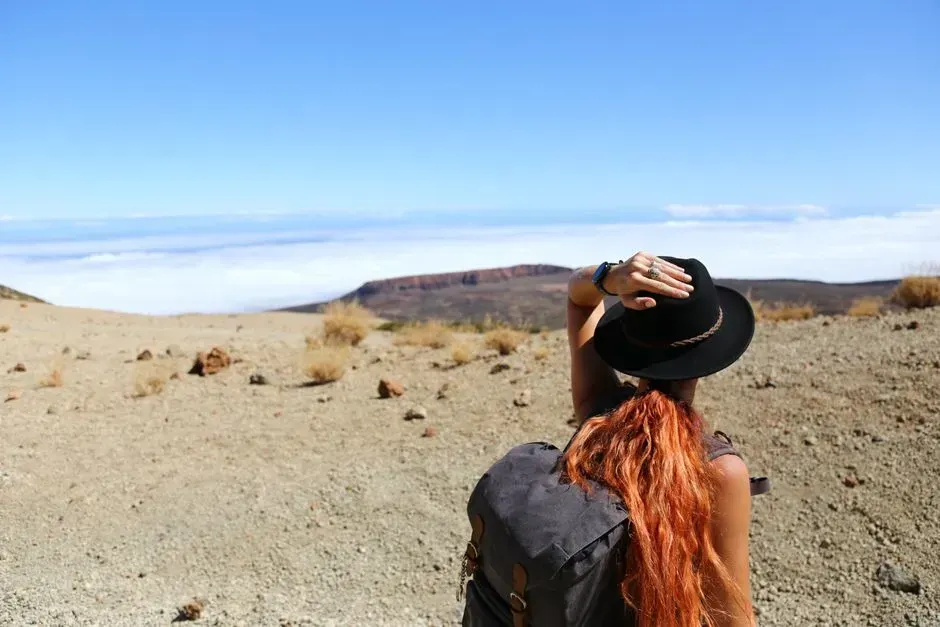
Solo trips are having a cultural moment (Image Credits: Pexels)
Separate vacations are not happening in isolation. They are part of a much larger solo travel boom that has been building steadily since the pandemic reshaped how people think about time off. Google’s spring 2026 travel trends analysis confirmed that search interest in “solo travel” hit an all-time high, with “women solo travel” reaching a 15-year high.
The industry has noticed and adjusted accordingly. Searches for single-occupancy hotel rooms have surged by 170% on major booking platforms, a sign that hotels and booking sites are actively courting travelers who are not necessarily arriving as a couple. When solo travel is this visible and this normalized, it makes sense that even happily married people feel comfortable taking their own trip once in a while.
Health and mobility differences play a bigger role than people admit
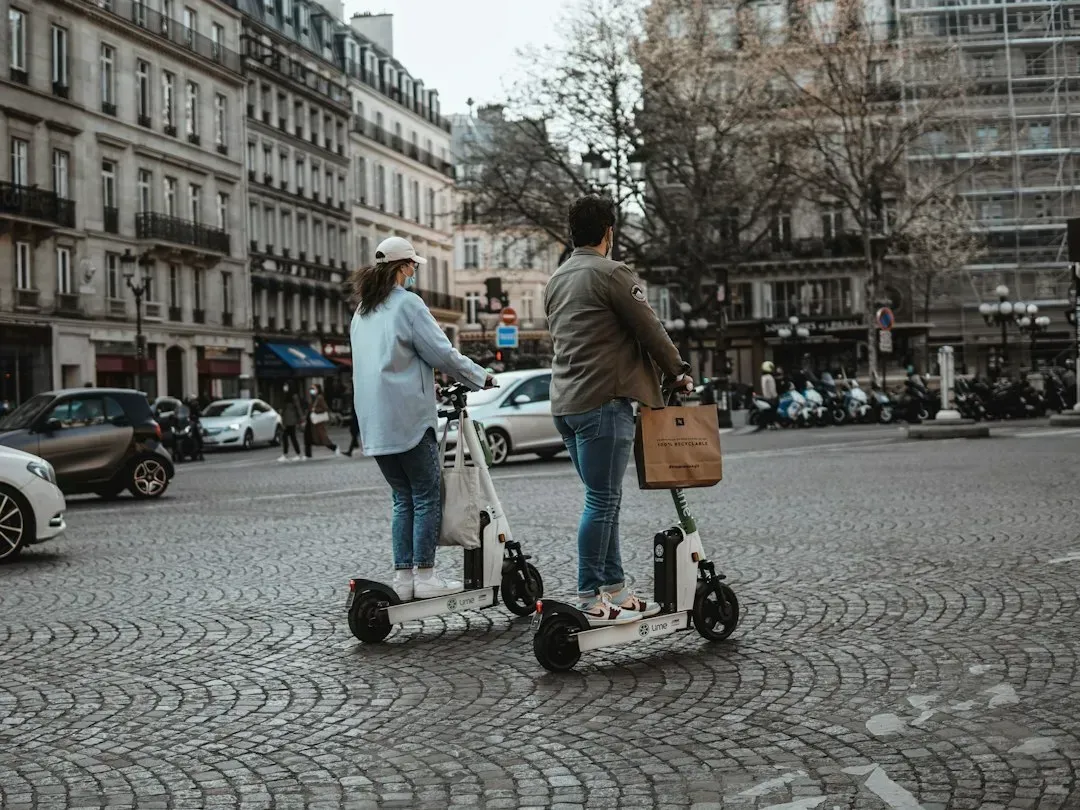
Health and mobility differences play a bigger role than people admit (Image Credits: Unsplash)
As couples age together, it is common for one partner’s health or mobility to change faster than the other’s. A person who still wants to hike a mountain trail or spend ten hours a day exploring a new city may find themselves paired with a spouse who genuinely cannot keep that pace anymore.
Health issues limiting travel for one partner has been cited as a real factor behind why married people choose to travel solo. Rather than one partner giving up travel entirely, or the other scaling back every trip to match, some couples decide it makes more sense for the more physically active partner to go ahead on certain trips while the other stays home or plans something gentler on their own.
It can strengthen the relationship rather than weaken it

It can strengthen the relationship rather than weaken it (Image Credits: Pexels)
There is a persistent assumption that separate vacations signal distance in a marriage, but many couples and psychologists describe the opposite effect. Time apart, when it is chosen rather than forced, tends to give people a renewed appreciation for the partner they left at home.
Psychologists describe alone time as key to “self-intimacy,” the awareness and acceptance of one’s own feelings, which in turn helps people feel more fulfilled in their relationships. Travelers who have taken solo trips while married often report coming home with more patience and gratitude for their partner, not less, precisely because the separation was brief and mutually agreed upon.
Family travel adds its own layer of complexity
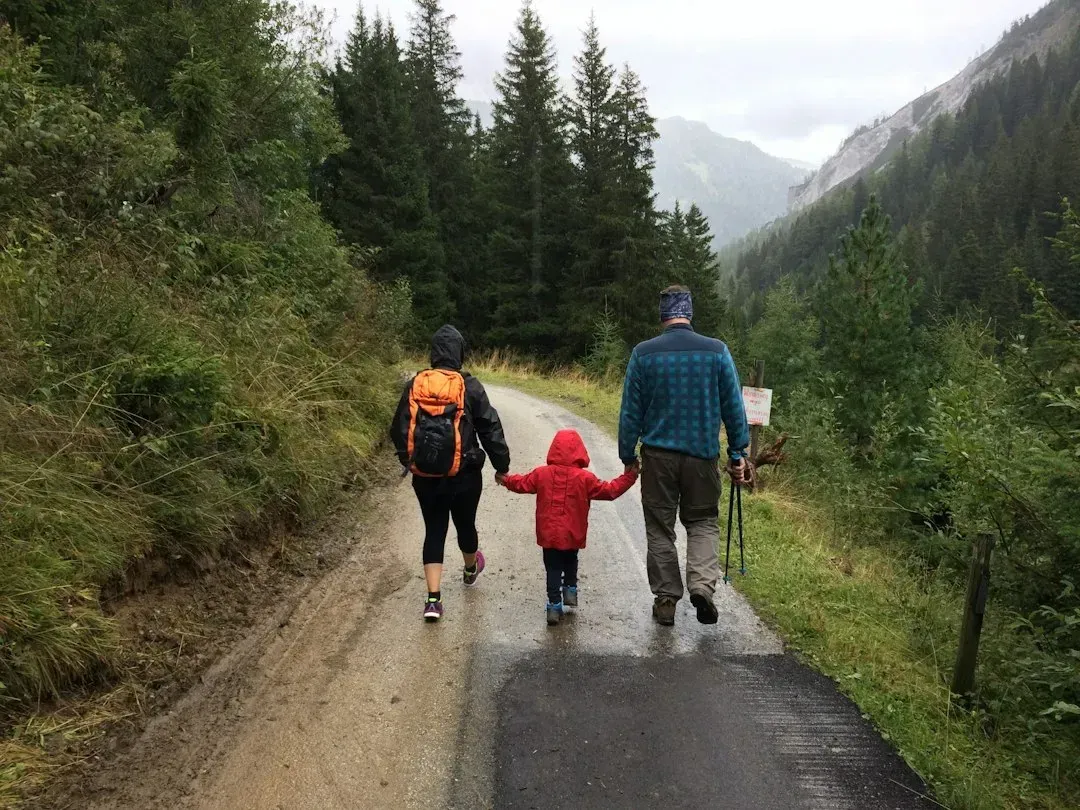
Family travel adds its own layer of complexity (Image Credits: Unsplash)
Parents face a particular version of this dilemma, since planning around kids’ schedules, interests, and energy levels can make a unified family trip exhausting to coordinate every single year. Sometimes one parent takes the children on a trip suited to their age and interests, while the other partner uses that window for a different kind of getaway entirely.
Parents find time to travel by themselves too, with 31% of solo travelers reporting that they have children. This does not mean family vacations are disappearing, since most couples still prioritize trips together with kids, but it does mean solo or separate travel has become a normal part of the yearly rotation rather than an exception.
Travel companies are quietly rebuilding around this shift
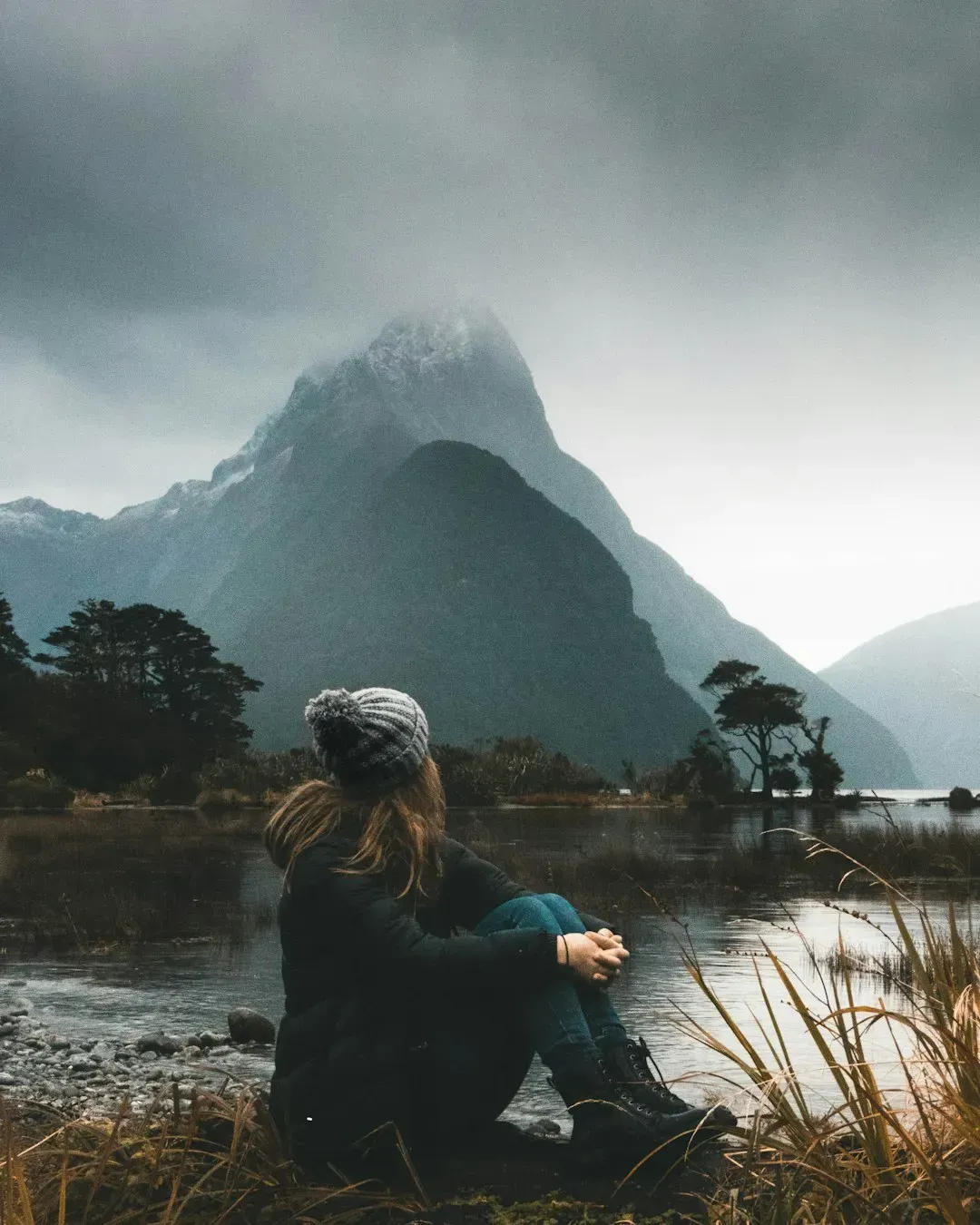
Travel companies are quietly rebuilding around this shift (Image Credits: Unsplash)
The hospitality industry does not spend money chasing niche behavior, so its response to separate and solo travel is worth paying attention to. Tour operators, cruise lines, and hotel groups have all adjusted pricing, room configurations, and marketing to reflect that a growing share of their customers are not traveling as a couple, even when they are married.
Natural Habitat Adventures boosted its capacity for “Women in the Wild” nature journeys by 75% over the course of a year and planned to double it again, a clear signal of demand rather than a passing curiosity. When an entire industry retools around a behavior, it stops being a fringe choice and starts looking like a mainstream part of how people vacation now.