
For generations, Florida meant one thing to American retirees: escape. Escape the cold, the taxes, the gray skies. Decades of that narrative turned the Sunshine State into a kind of default destination, so deeply embedded in the retirement imagination that questioning it felt almost contrarian. Retirement brochures basically wrote themselves.
The picture has grown more complicated. According to a February 2026 report from HireAHelper, while about 45,700 Americans aged 65 and up moved to Florida last year, nearly 44,900 left – also the most for any state. Sixteen other states recorded a greater net gain of retirement-age migrants. That gap between the dream and the lived reality is exactly what this article is about.
1. Home Insurance Has Become a Financial Shock

1. Home Insurance Has Become a Financial Shock (Image Credits: Pexels)
Florida residents paid the highest home insurance rates in the entire country in 2024, with the average annual premium reaching $14,140 – more than four times the national average of $3,259, according to data from Insurify. That number alone can quietly dismantle a retirement budget that was carefully assembled over decades.
Florida's homeowners insurance market has been in a state of prolonged crisis, with roughly seventy percent of Florida homeowners experiencing rising insurance costs or coverage changes – including being dropped by their insurer entirely, according to a 2024 Redfin survey. Insurify projected premiums to rise another nine percent in 2025, reaching an average of $15,460 annually. For someone on a fixed income, that trajectory is not just uncomfortable. It's unsustainable.
2. Skyrocketing Home Prices Priced Out Fixed-Income Buyers
2. Skyrocketing Home Prices Priced Out Fixed-Income Buyers (Image Credits: Pexels)
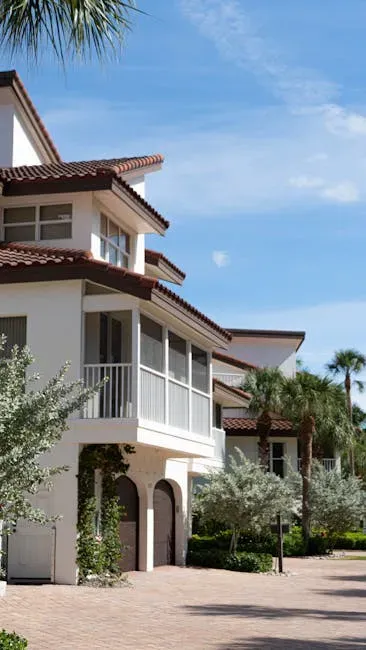
Remote workers and the wealthy have flocked to Florida and driven up home prices, leaving those on fixed incomes feeling the pinch. In just half a decade, the median price of a single-family house in Florida rose $150,000, or roughly sixty percent, climbing from approximately $250,000 in March 2018 to a median sale price of $409,700 by July 2024, according to Redfin.
Over the ten years ending in 2024, housing costs increased by 132 percent in Florida – the second-largest spike among all U.S. states. That kind of appreciation is great if you're selling. For someone hoping to buy into their retirement years at a predictable price point, it's a different story entirely.
3. Insurers Are Leaving the Market – And Taking Coverage With Them

3. Insurers Are Leaving the Market – And Taking Coverage With Them (Image Credits: Pexels)
Increasingly frequent extreme weather events and rising reconstruction costs have made Florida the most expensive state for homeowners insurance, according to an April 2025 report from the nonprofit Consumer Federation of America. Premiums rose more between 2021 and 2024, in absolute dollars, than in any other state. More than twenty insurers have stopped writing new homeowners policies in Florida or pulled out of the market entirely.
In hurricane-prone zones, some insurers are increasing deductibles or even leaving the state, creating added insurance complexity and cost for Florida residents in those areas. Retirees who move to Florida are often shocked to discover that deductibles for hurricane insurance often range from two to five percent – and sometimes as much as ten percent – of the policy coverage, rather than the fixed dollar amount they were accustomed to in other states. That's if they can line up any insurance at all.
4. Hurricanes Are Intensifying – and the Costs Are Historic
4. Hurricanes Are Intensifying – and the Costs Are Historic (Image Credits: Unsplash)
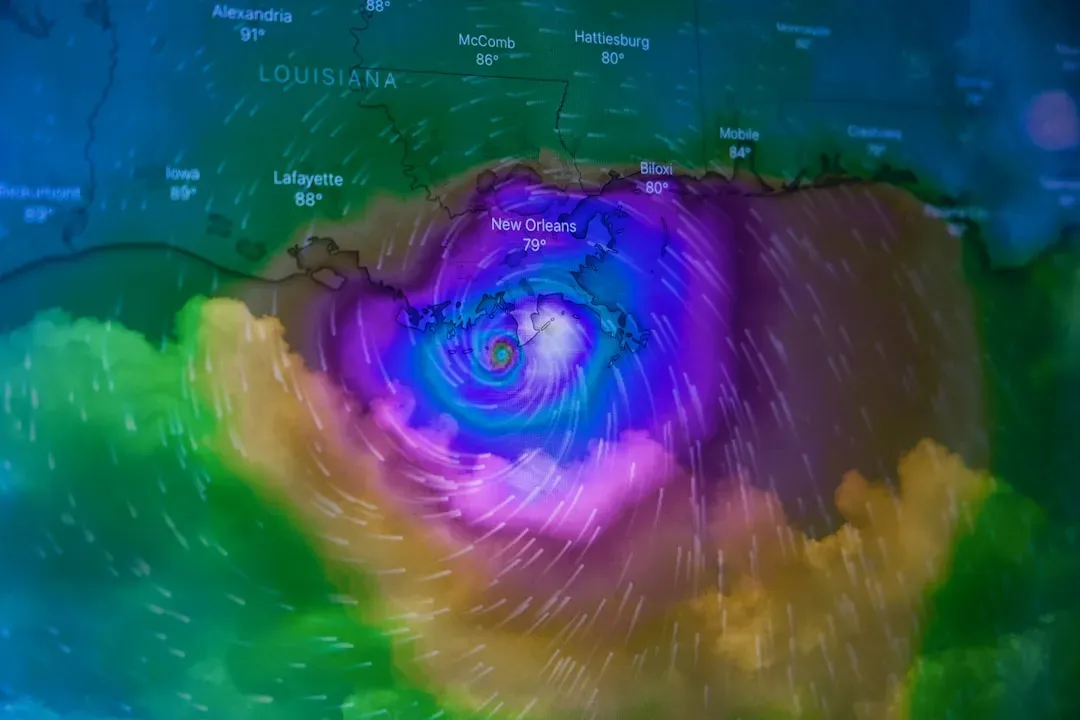
Florida was hit by the two most destructive disasters of 2024, according to Munich RE. Hurricane Helene, which made landfall in September, caused $56 billion in overall losses and $16 billion in insured losses. Hurricane Milton, which struck the state just two weeks later, caused $38 billion in overall losses and $25 billion in insured losses.
The physical danger of hurricanes gets all the headlines, but the psychological cost is something nobody mentions in retirement brochures. Most Floridians have to keep a go-bag ready for last-minute evacuations and be prepared to leave behind what they can't fit in their car. Just the stress of anticipating hurricane season can be enough to send people packing. Six months of active hurricane season every single year adds up in ways that a spreadsheet doesn't capture.
5. Flood Risk Is Expanding Into Previously Safe Areas
5. Flood Risk Is Expanding Into Previously Safe Areas (Image Credits: Pexels)
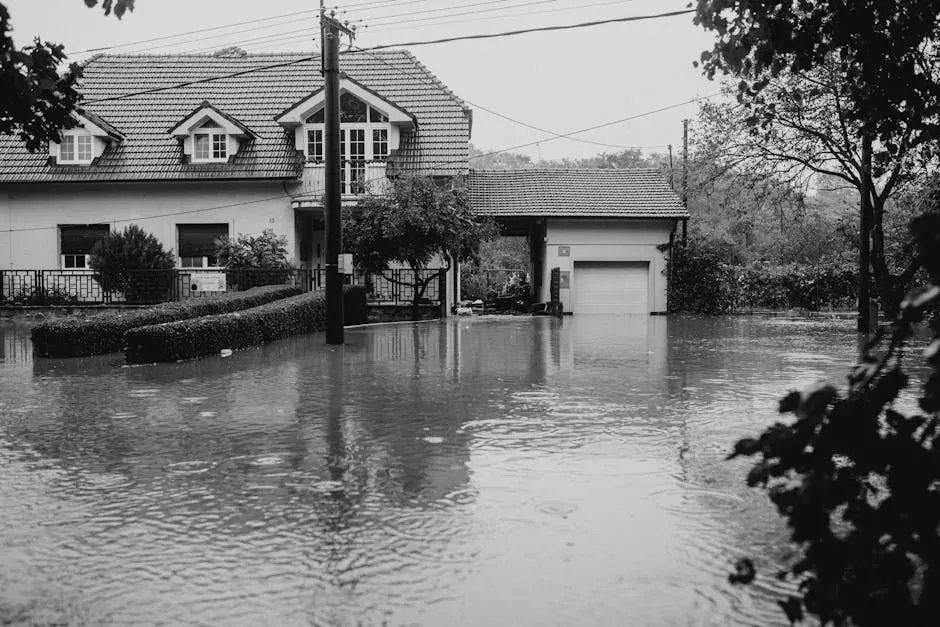
Rising seas and intensified rains are expanding flood risk across the state, and FEMA's 2024 flood-map update expanded flood risk substantially, with South Florida alone adding approximately 138,800 structures to high-risk zones, forcing many more homeowners to buy costly flood coverage. Many retirees are discovering this only after signing the closing documents.
The average cost of flood insurance in Florida is $544 annually for a policy from the National Flood Insurance Program – and Floridians should also purchase flood insurance separately, since homeowners insurance doesn't cover overland flooding caused by heavy rain and storm surges. Many retirees don't realize they need this separate policy until they're already committed to a property. That oversight can be financially devastating.
6. HOA Fees Have Become a Significant Monthly Drain

6. HOA Fees Have Become a Significant Monthly Drain (Image Credits: Pexels)
In addition to mortgage payments, many retirees face homeowners association fees, particularly in Florida's numerous gated communities and retirement developments. HOA fees average between $400 to $600 per month in luxury or resort-style communities in 2025, and these fees typically cover maintenance of common areas, amenities, landscaping, and sometimes pest control or shared property insurance.
In some buildings, maintenance fees for 2024 jumped by as much as fifty percent between special assessments and increased insurance costs – a serious monthly drain on a retirement budget never designed to absorb it. Miami-Dade County's median monthly condo association fee jumped over fifty-nine percent from 2019 to 2024, while in Broward County fees leaped more than fifty-six percent to $613. Those are not rounding errors. They're budget-breaking line items.
7. Healthcare Quality Falls Short of Expectations

7. Healthcare Quality Falls Short of Expectations (Image Credits: Pexels)
A 2025 WalletHub study ranked Florida at number 42 in the entire country, firmly among the bottom ten worst healthcare systems nationwide. That ranking alone should give any retiree planning a Florida move serious pause. Many people assume that a state full of retirees would have developed world-class senior healthcare. The data tells a different story.
Rapid population growth is straining Florida's healthcare systems and essential public services. Hospitals and clinics see higher patient volumes and longer wait times. For a retiree who depends on regular specialist visits or chronic condition management, longer wait times is not a minor inconvenience – it is the difference between managed health and a medical crisis. Long-term care in Florida, which Medicare tends not to cover, can reach anywhere from $63,000 to over $130,000 per year, according to 2024 data from Genworth – numbers that can be potentially ruinous for a retiree on a fixed income.
8. Traffic Congestion Erodes Quality of Life
8. Traffic Congestion Erodes Quality of Life (Image Credits: Unsplash)
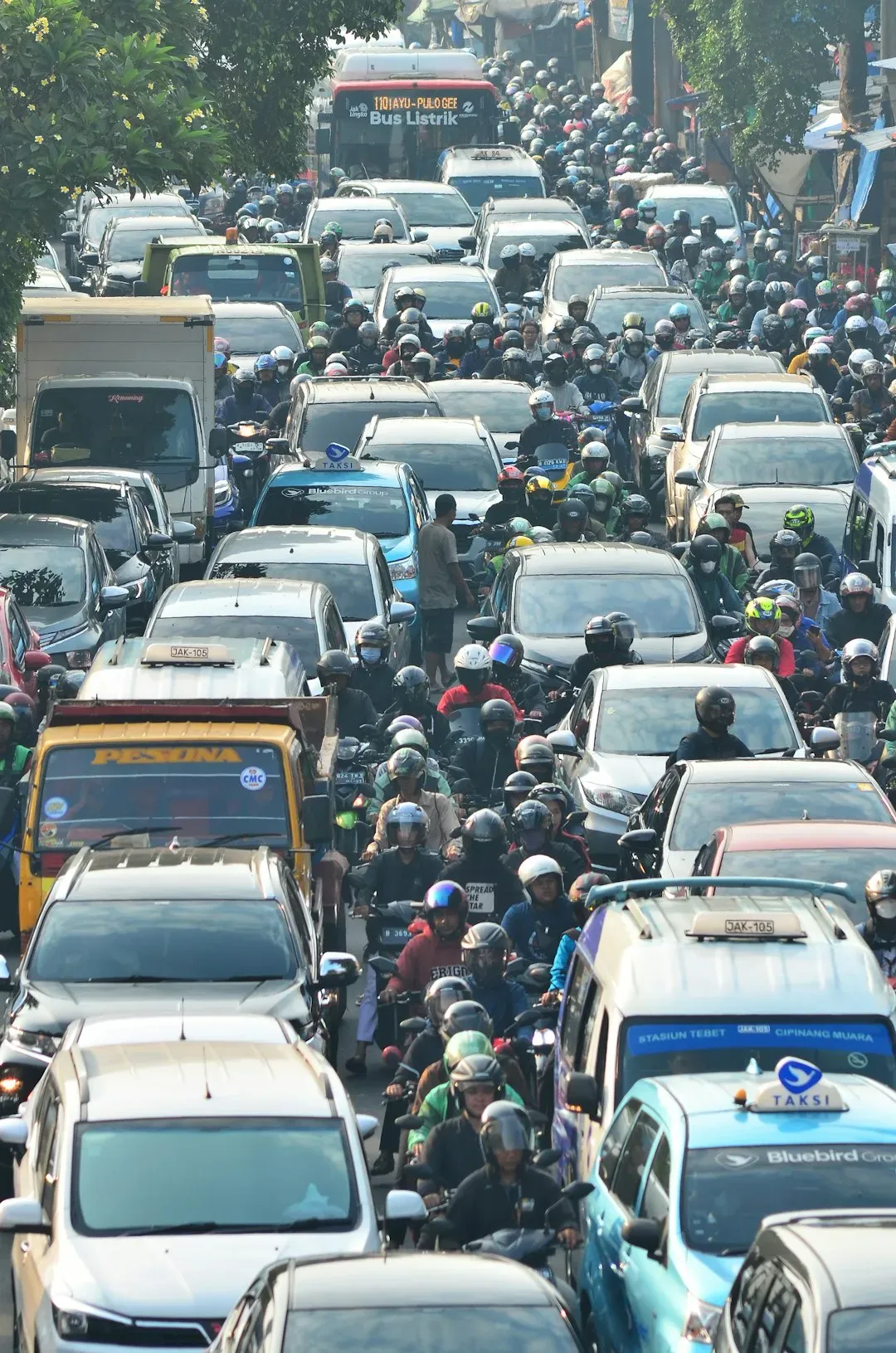
In 2024, Tampa drivers lost 34 hours to traffic congestion, costing the city $800 million. Miami fared considerably worse, with drivers wasting 74 hours annually at a cost of $1,325 each – totaling $3.4 billion in lost productivity statewide. The beaches and golf courses can start to feel a lot less appealing when getting to them means sitting in standstill traffic for an hour.
As the third most populous state, Florida's population reached 23 million in 2024 and is projected to exceed 24 million by 2027, driving significant pressure on the state's transportation infrastructure. For retirees seeking peace and tranquility, this population growth means crowded beaches, traffic congestion, and overwhelmed infrastructure. Roads that were manageable ten years ago are now gridlocked during peak season. Doctor's offices are overbooked for months. Popular restaurants require reservations weeks in advance.
9. The Tax Picture Is More Complex Than "No Income Tax"
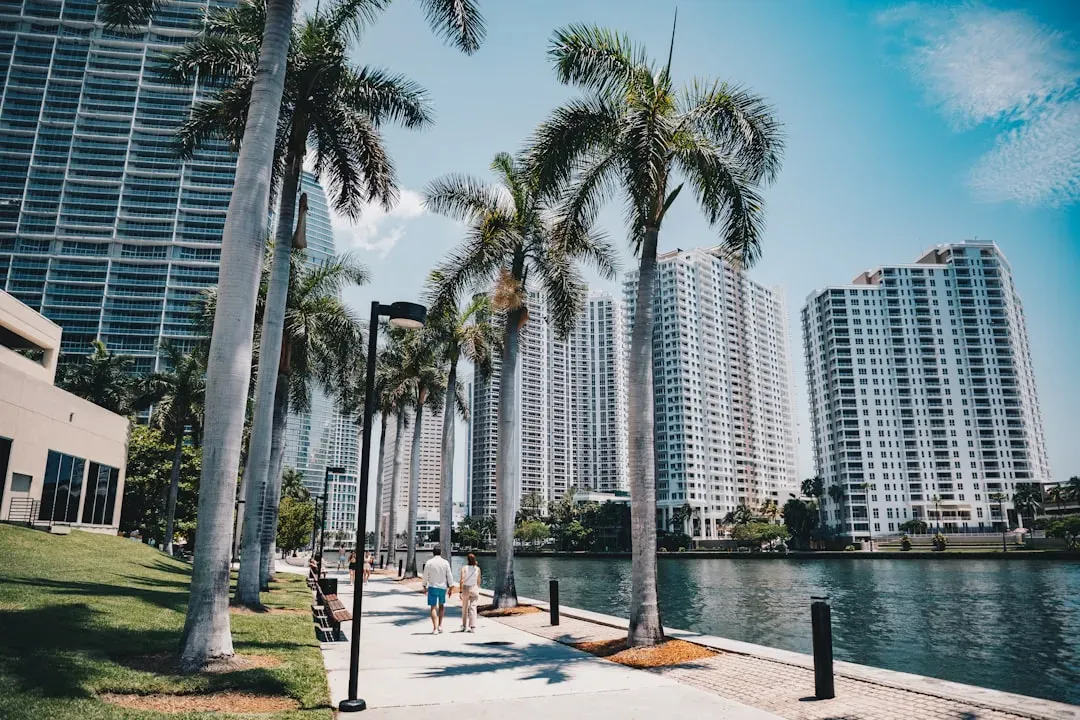
9. The Tax Picture Is More Complex Than "No Income Tax" (Image Credits: Unsplash)
Retirees shouldn't confuse "no state income tax" with "no taxes at all." State and local taxes in Florida can take a bite out of retirement savings. The combined state and local sales tax averages 7.00% in Florida, according to the Tax Foundation – higher than the combined rates retirees from states like Michigan, Pennsylvania, Massachusetts, and New Jersey are accustomed to paying.
Property taxes have surged roughly sixty percent over the past five years, rising alongside skyrocketing home values in popular retirement areas. The state also charges a six percent sales tax on most purchases, with some local areas pushing this even higher. Grocery prices in Florida rose 4.3 percent between March 2024 and March 2025. When insurance, property taxes, and groceries all climb simultaneously, that income tax break starts to feel like a single umbrella in a category-four storm.
10. Oppressive Heat and Humidity Take a Physical Toll
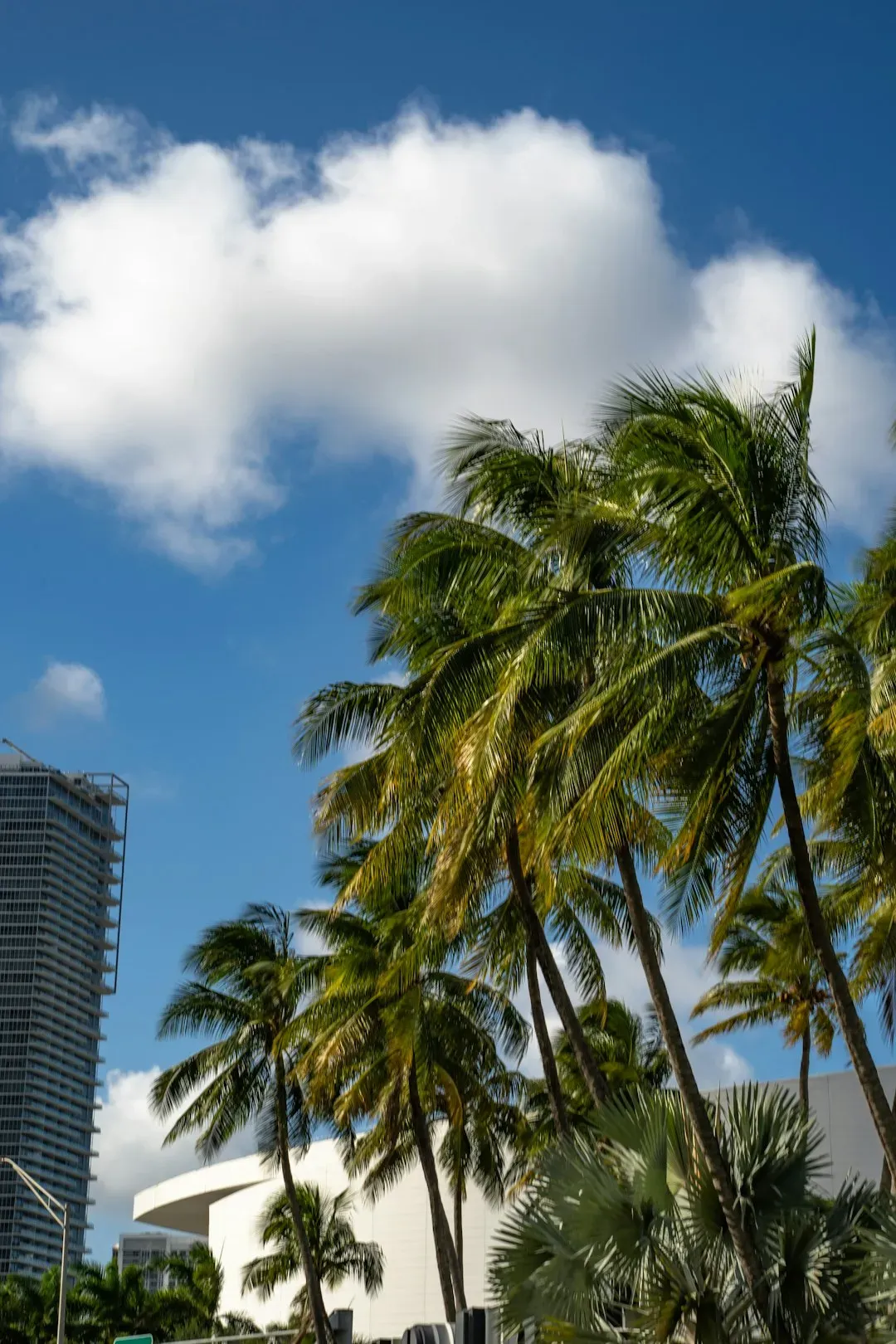
10. Oppressive Heat and Humidity Take a Physical Toll (Image Credits: Unsplash)
Retirement comfort varies greatly depending on where in Florida one settles. In South Florida, temperatures can crack 80 degrees even in the dead of winter. The farther north you travel, the more temperate the climate becomes – though winters can fall below freezing in parts of northern Florida. The range is wide, but for much of the state, summer is genuinely brutal.
Summer is hot no matter where you live in Florida, so those who prefer cooler climates may find it a poor fit. Humidity is also a major consideration – Miami has an average of 248 muggy days a year compared to 159 in Jacksonville. For retirees with respiratory conditions, joint problems, or simply a preference for sitting outside comfortably, that kind of relentless heat and humidity adds up over months and years.
11. The Migration Numbers Quietly Tell the Story

11. The Migration Numbers Quietly Tell the Story (Image Credits: Pexels)
A PODS Moving Trends Report from 2025 showed that the push of people moving to Florida is clearly lessening. From 2021 to 2023, Florida had six or more cities in the top ten most moved-to cities, whereas in 2024 only two Florida cities made the list – while another two were among the most commonly moved-out-of cities. When people leave Florida, they tend to move to the Midwest, Colorado, New Mexico, Utah, or the Northeast.
North Carolina's appeal among Floridians, especially retirees, is so well established that it has a name: "half-backs" are retirees who tried Florida, then decided to relocate part of the way home, trading humidity for a more manageable climate and senior services. Sixteen states had a greater net gain of retirement-age migrants than Florida in 2025, with South Carolina, Texas, and North Carolina topping that list. Rising costs, particularly for property and insurance, are a major driver. The math of retirement is forcing a more honest conversation about what the Sunshine State can realistically offer.
Florida still has genuine appeal for millions of people, and it isn't going anywhere as a retirement option. The no-income-tax benefit is real. The winters are real. The beaches are real. What's also real, though, is that the costs, risks, and pressures that come with Florida living in 2026 are far more demanding than the retirement brochures ever suggested. For a growing number of retirees, the calculus simply no longer adds up the same way it once did.