
Scroll through any active real estate listing today and you’ll notice a strange split. Some homes go under contract within days, fielding multiple offers before most buyers even schedule a showing. Others sit for weeks with nothing but a few curious clicks. The gap between those two outcomes is rarely about square footage or location alone.
The feature that consistently separates the fast sellers from the lingerers isn’t a renovated kitchen or a finished basement, though those things help. It’s something far more basic that a surprising number of sellers skip entirely: presentation that feels move-in ready before a single buyer sets foot through the door. That means clean, staged, professionally photographed, and priced with today’s buyer in mind. The data behind this is harder to ignore than most sellers realize.
The Market Is Rewarding Presentation More Than Ever

The Market Is Rewarding Presentation More Than Ever (Image Credits: Unsplash)
As the market continues to rebalance following the pandemic era, sellers can no longer count on buyers making offers significantly above the listing price, waiving contingencies, or getting into bidding wars. Top agents are now emphasizing the importance of sellers getting back to basics. That’s a genuine shift from just a few years ago, when almost any listing attracted frenzied interest regardless of condition.
Buyers have not disappeared. They have become more payment-sensitive, location-sensitive, and price-sensitive. That means homes are still moving, but the market is rewarding sellers who are adjusting fastest to today’s affordability environment. In practical terms, that means presentation is no longer a bonus, it’s a baseline.
Move-In Ready Is the Single Biggest Filter Buyers Apply
Move-In Ready Is the Single Biggest Filter Buyers Apply (Image Credits: Unsplash)
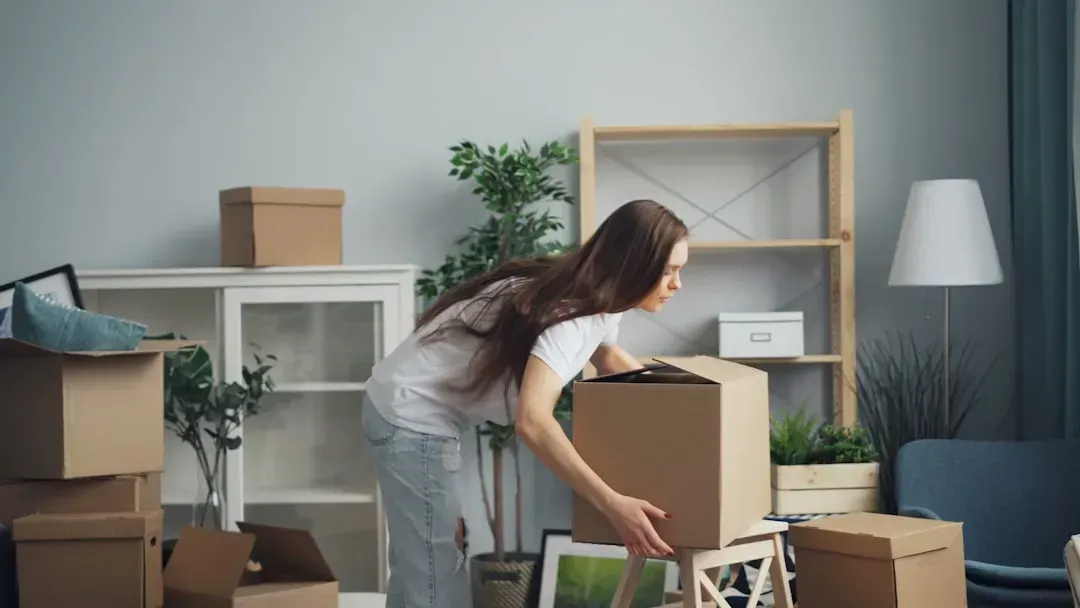
Buyers expect move-in ready homes. Small updates can go a long way, and homes that are clean, decluttered, and well-staged tend to generate more interest and stronger offers. This isn’t a new observation, but it carries more weight in a market where buyers are already stretched on affordability and have less appetite for taking on immediate repair costs.
Unfinished projects or necessary repairs can take significant time and investment before selling. If sellers don’t have the skills, the time, or the money to tackle them, they may have a harder time selling their home, and could make less money than if the house was move-in ready. Buyers with tight budgets factor renovation costs into their offers, often aggressively.
Professional Photography Changes the Outcome Before Anyone Visits
Professional Photography Changes the Outcome Before Anyone Visits (Image Credits: Unsplash)
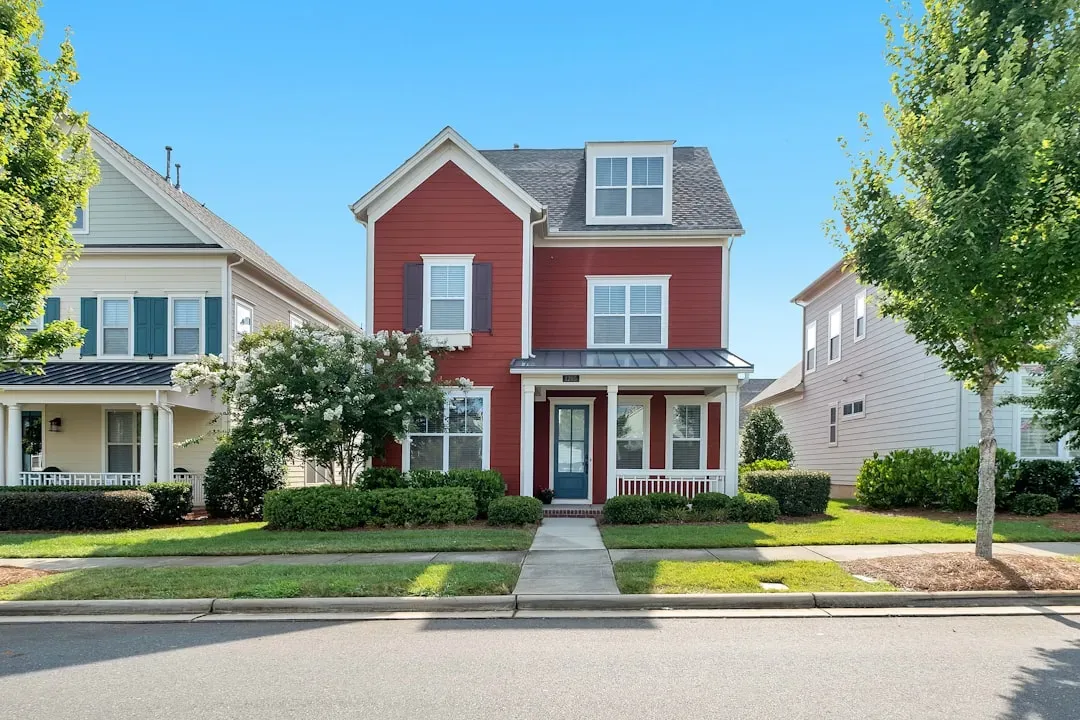
Professional photos deliver roughly double the listing views, sell homes about a third faster, and can add thousands more in final sale price, according to research from Redfin and PhotoUp. That speed advantage alone is worth the modest cost of hiring a photographer, especially in a market where days on market directly affect final price.
Listings with professional photos sell roughly a third faster than those without, and more photos per listing correlate with less time on the market. Fewer than nine photos can reduce a home’s sale probability meaningfully, while the sweet spot of around 22 to 27 images consistently performs best according to Zillow Research. Most sellers still treat photography as an afterthought rather than a lead investment.
Staging Cuts Time on Market and Lifts the Final Price
Staging Cuts Time on Market and Lifts the Final Price (Image Credits: Pexels)
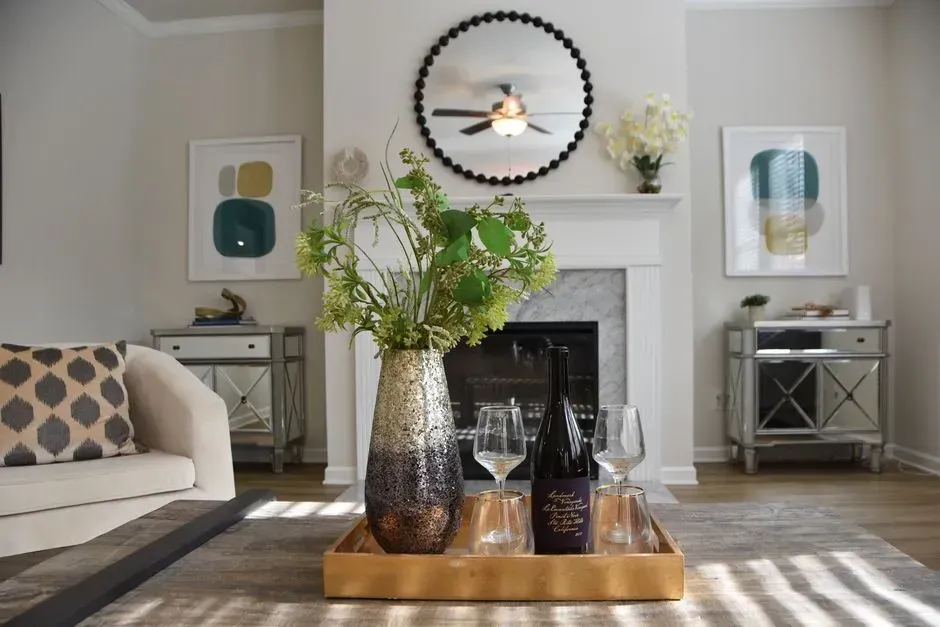
According to the National Association of Realtors’ 2025 Profile of Home Staging, many sellers’ agents report that staging reduces the time a home spends on the market. Nearly half of sellers’ agents observed that staged homes spent less time on the market compared to similar unstaged properties. That’s a consistent, documented pattern, not an anecdotal claim.
Staged homes can sell for more money, with roughly one in five sellers’ agents reporting offers running one to five percent higher, and some reporting offers six to ten percent above listing. Nearly half of sellers’ agents also report fewer days on market for staged properties. According to NAR, more than a third of home buyers view staging the living room as the most important space, followed closely by the primary bedroom and the kitchen.
Kitchens and Curb Appeal Drive the Fastest Decisions
Kitchens and Curb Appeal Drive the Fastest Decisions (Image Credits: Pexels)
According to a HomeLight survey of top real estate agents, nearly nine in ten agents say updated kitchens and appliances are the lead selling points for buyers. Meanwhile, roughly half say improved curb appeal, outdoor, and garden spaces have stepped up to the second most sought-after feature for home shoppers. These aren’t luxury wants, they’re the rooms buyers mentally move into before they make an offer.
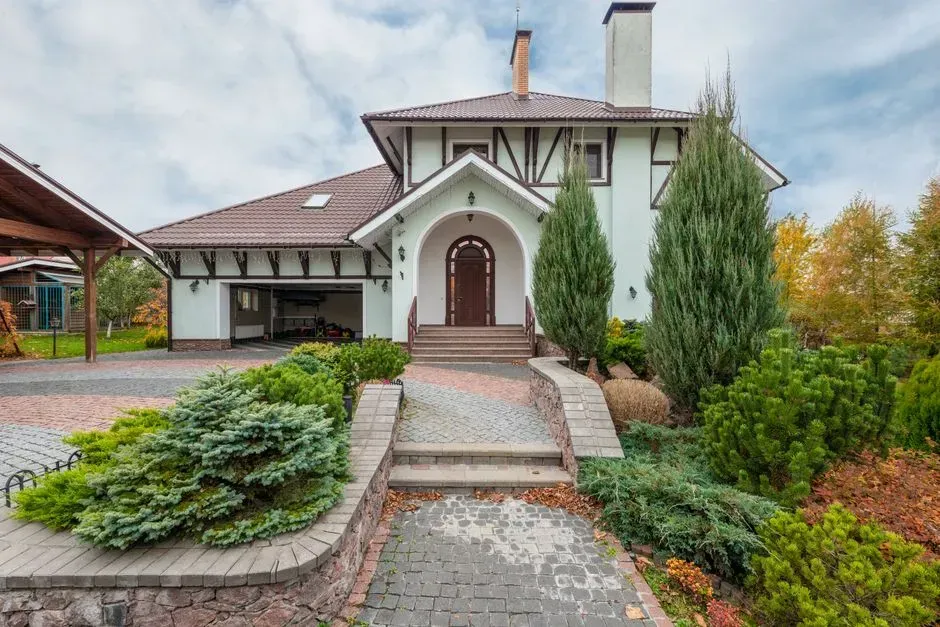
First impressions matter, often more than we realize. The exterior of a home is the first thing buyers notice, and it sets the tone for what they expect inside. Enhancing curb appeal doesn’t always require major renovations, and even small upgrades can make a big difference. A fresh coat of paint on the front door and a tidy lawn can reset a buyer’s entire perception of what waits inside.
Outdoor Spaces Have Quietly Become a Decisive Feature
Outdoor Spaces Have Quietly Become a Decisive Feature (Image Credits: Pexels)
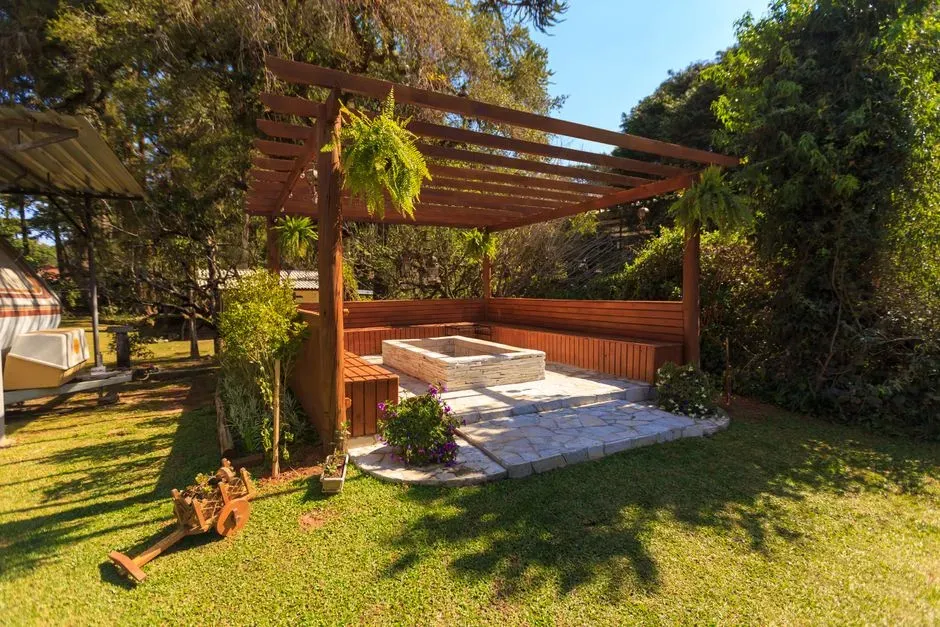
Outdoor areas are no longer empty spaces, and buyers want them to feel like part of the home. A pergola adds structure and purpose to a backyard. It creates shade, defines a sitting area, and turns a basic yard into a space people can imagine using daily. This shift has been gradual but it’s now measurable in listing data.
Creating a dedicated outdoor kitchen adds significant value to any backyard environment, with homes boasting these exterior cooking areas seeing prices increase by over five percent. Turf is another feature helping homes sell faster, with properties featuring turf selling more than two days sooner and seeing a meaningful bump in final price, according to 2026 Zillow housing data.
Pricing Realism Is the Feature Sellers Overlook Most Quietly
Pricing Realism Is the Feature Sellers Overlook Most Quietly (Image Credits: Unsplash)
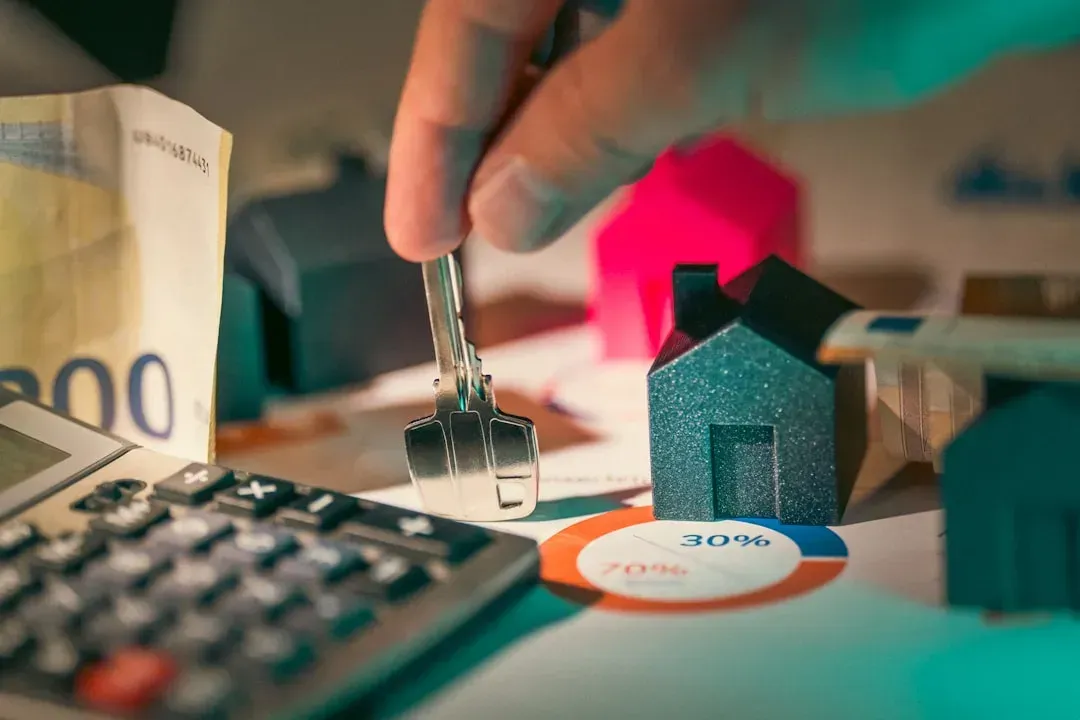
Median national list prices have been adjusting year over year, while price cuts remain elevated at roughly a third of all listings nationally. Rather than signaling broad weakness, those adjustments appear to be helping transactions move through the system again. In other words, pricing realism is improving market liquidity.
Pricing strategically is the foundation of a successful sale. Overpricing can deter buyers and cause a listing to linger, while underpricing may leave money on the table. A well-priced home attracts serious buyers quickly and can even spark competition, which is ideal in a strong market. Sellers who cling to peak-year price expectations are the ones watching their listings age on the market.
Timing Still Matters, Even When Preparation Is Solid
Timing Still Matters, Even When Preparation Is Solid (Image Credits: Unsplash)
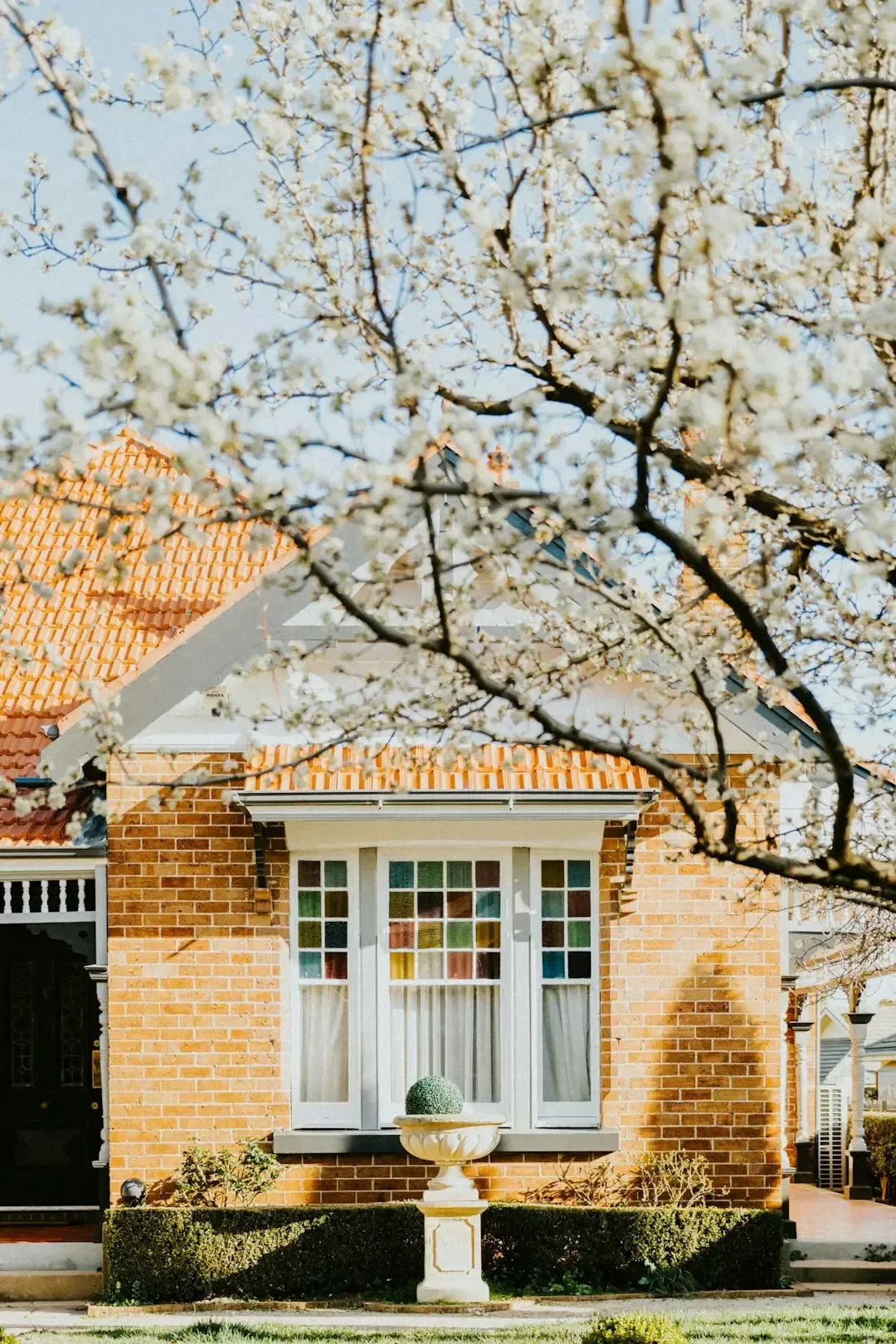
In 2025, homes listed during the optimal mid-spring window spent about 50 days on the market, roughly ten days less than the yearly average. Housing inventories have improved, though the number of active listings remains well below pre-pandemic norms. Less competition in the listing pool means a better-prepared home stands out even more sharply than it would in a crowded season.
Research identifies mid-April as a window when prices, demand, and competition align in sellers’ favor. Sellers who list during this window could net meaningfully more than those who list at the start of the year, according to analysis from realtor.com. Preparation and timing working together, rather than either one alone, is what consistently produces the fastest and strongest results.
The Broader Market Context Makes Presentation Even More Critical
The Broader Market Context Makes Presentation Even More Critical (Image Credits: Pexels)
Using NAR month-supply data, the housing market is the most balanced it’s been in almost a decade. Buyers have a little more leeway, sellers have to be more flexible, and that’s a big shift from the pandemic years when sellers had nearly all the leverage. This rebalancing means that homes without strong presentation simply don’t compete the way they once did.
Real estate professionals may finally see a long-awaited surge in activity in 2026, with home sales poised for a potential double-digit jump. NAR’s chief economist has forecast a roughly 14 percent nationwide increase in home sales for 2026. More buyers entering the market will raise the bar for what earns a quick sale, not lower it. The homes that close fastest will be the ones that gave buyers no reason to hesitate from the first click through to the final walkthrough.